
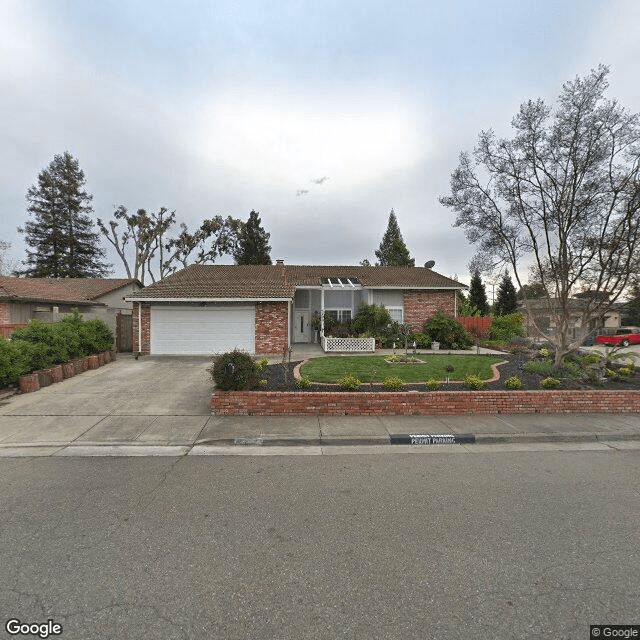
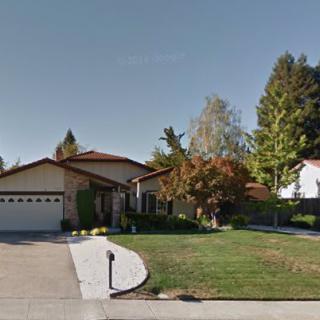
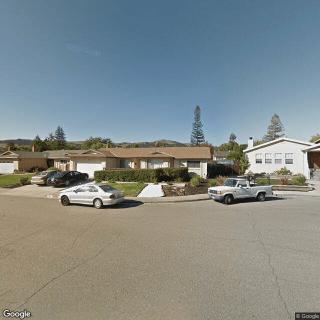
3200 De Anza Plaza, San Ramon, CA 94583
To contact a resident: (925) 551-8283
For more information about senior living options: (866) 208-4318
Queens Care Home LLC Costs & Pricing
Queens Care Home LLC offers a competitive pricing structure for its private rooms, charging $2,800 per month. This rate is notably lower than the average costs in Contra Costa County, which stands at $4,088, and significantly below the statewide average of $3,939 for California. Such affordability positions Queens Care Home as an attractive option for individuals seeking quality care without the hefty price tag typical of many facilities in the area. By offering a more accessible monthly fee, Queens Care Home LLC not only alleviates financial pressure on families but also ensures that residents can enjoy a comfortable living environment while receiving essential support and services.
| Floor plans | Queens Care Home LLC | Contra Costa County | California |
|---|---|---|---|
| Private | $2,800 | $4,088 | $3,939 |
Senior living communities with a similar price nearby
-
from +$200 / mo
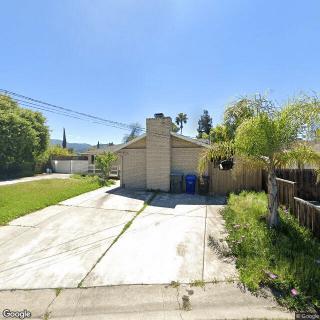
Golden Harmony Elderly Care
$3,000 / month14.8 miles away -
from -$100 / mo

Home Instead Senior Care
$2,700 to $3,400 / month23.7 miles away -
from +$100 / mo
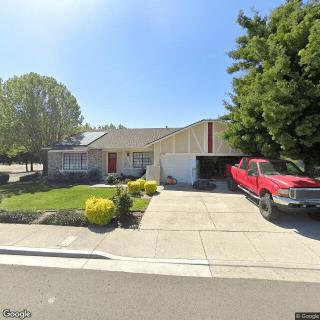
Parkside Manor
$2,900 to $3,600 / month5.2 miles away -
from +$200 / mo
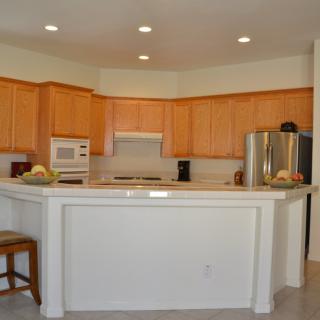
Laylor Care Home For The Elderly
$3,000 to $4,000 / month16.3 miles away -
from -$300 / mo
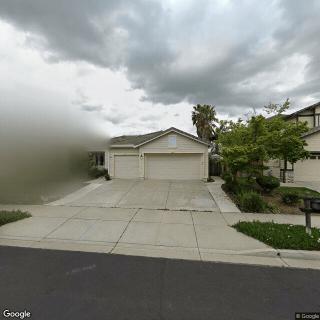
Brentwood Care Home
$2,500 to $4,000 / month18.6 miles away
Overall Review of Queens Care Home LLC
Pros
 The facility is clean and staffed by nice people.
- A relative who lived there for several years seemed happy to be there.
- The care provided is super clean and awesome for residents.
Review
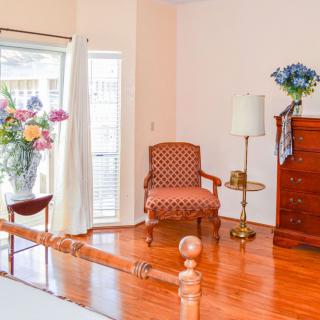
Queens Care Home LLC in San Ramon, CA is best suited for seniors who prize a clean, home-like setting with attentive, personable staff and a quiet daily rhythm. The two available reviews consistently highlight a well-kept facility and staff who come across as genuinely caring, with one commenter noting a relative lived there for several years and appeared content. This combination, neat surroundings paired with dependable, friendly care, positions Queens Care as a solid match for families seeking stability, predictable routines, and the impression that caregivers know the resident’s preferences and signals. It isn’t a sprawling campus; it’s a compact environment where upkeep and courtesy are the baseline.
Those considering alternatives should note a practical caveat: residents with heavier medical needs or a demand for extensive on-site therapy and structured programming may outgrow what a smaller home-like setting can provide. The reviews emphasize cleanliness and caring attention but do not reveal expansive clinical resources or a wide array of activities. For families whose loved one requires frequent skilled nursing, complex wound care, or highly intensive dementia care, a larger facility with deeper medical support and a richer activity calendar may be a better fit. The decision hinges on balancing intimate staff relationships against access to broader clinical services.
The strongest pros show up clearly in everyday reality. A clean, well-maintained environment reduces stress and potential health risks, while staff described as nice and attentive deliver the daily reassurance families want. The implication that a relative stayed for years and remained happy signals stable leadership, consistent routines, and a welcoming culture. For residents who prefer privacy, a calm pace, and predictable caregiving, these factors translate into tangible quality of life. Cleanliness and steady, personable care can be the foundation for peace of mind at every stage of aging.
Yet the absence of stated cons in the reviews should be read with realism. The small, home-oriented model inherently trades breadth for depth: fewer on-site specialists, potentially limited programming, and less guaranteed access to 24/7 clinical oversight than larger facilities. That trade-off isn’t a fault when the priority is dignity, continuity, and a low-stress daily life; it becomes a decisive consideration for families monitoring health status shifts or emergencies. In this light, the clean and caring baseline can offset concerns for many, but the fit may hinge on whether the resident’s trajectory suggests stability within a compact setting or a need for more robust clinical depth.
Visit-focused evaluation should be practical and pointed. Ask about current staff-to-resident ratios, how caregivers are assigned, and what happens when shifts change, consistency matters in a small home. Seek clarity on medication management, who administers meds after hours, and how changes are communicated to families. Inspect meal plans for nutritional adequacy and the degree of resident input, then gauge daily activities to assess social engagement and cognitive stimulation. Inquire about medical appointment coordination and hospital transfer protocols, and whether any on-site therapy or specialty care exists. Observing front-desk interactions and resident-caregiver exchanges will illuminate the true climate beyond polished descriptions.
Bottom line: Queens Care Home LLC offers a compelling option for families seeking a clean, well-staffed, home-like atmosphere with demonstrable resident happiness and longevity. The strongest case rests with those prioritizing safety, orderliness, and a personal touch over expansive programming or clinical depth. For families where ongoing access to advanced medical services, extensive dementia care, or a high-energy activity calendar is non-negotiable, it is prudent to compare larger assisted living communities in San Ramon that can deliver broader clinical resources. Informed decision-makers will align the resident’s health needs, personality, and family expectations with the facility’s quiet, dependable strengths.
 Board and Care Home
 Private
 Metropolitan Oakland International (15 miles away)
 Ambulatory care
 Diabetic care
 High acuity care



 Encouraging Participation in Adult Day Care: A Guide to Supporting a Hesitant Parent
 Comprehensive Exploration of Living Wills and Other Advance Directives
 A Detailed Exploration of Living Wills and Advance Directives