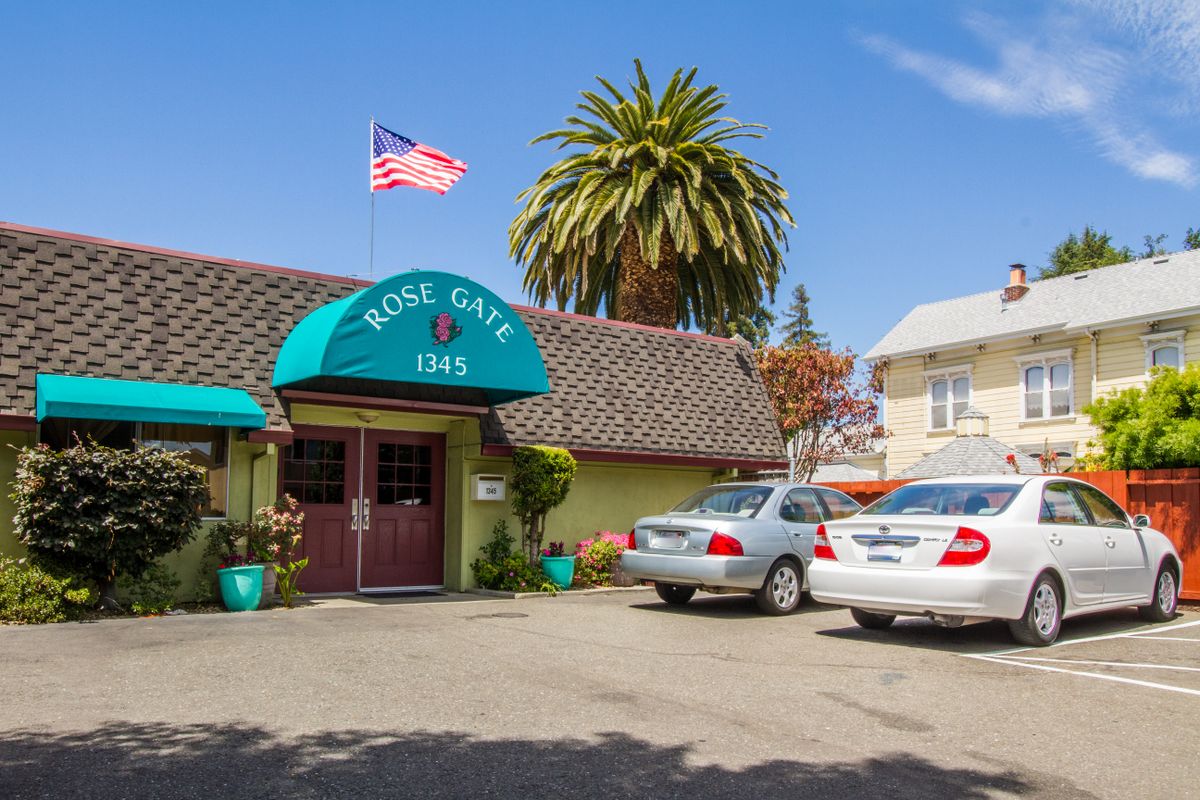
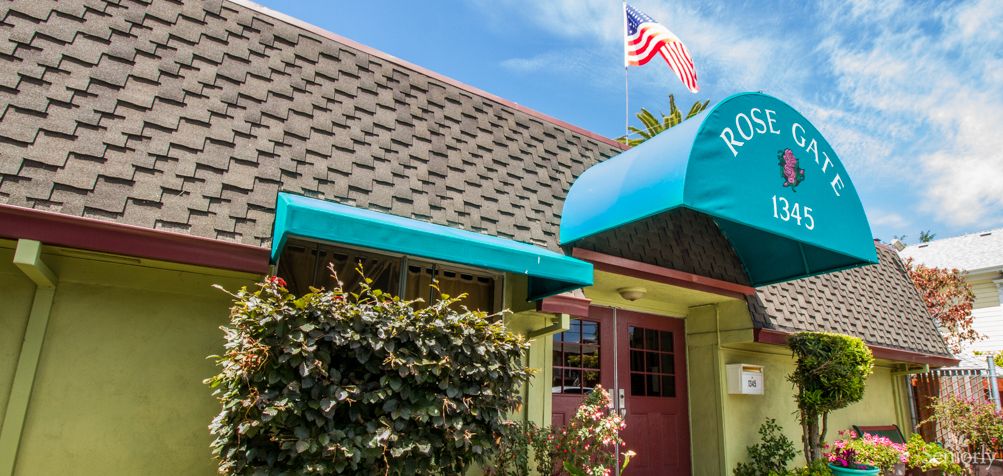








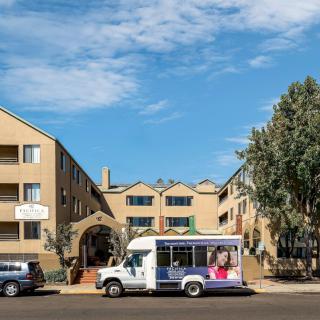
1345 Clarke Street, San Leandro, CA 94577
For more information about senior living options: (866) 208-4318
Overall Review of Rosegate
Pros
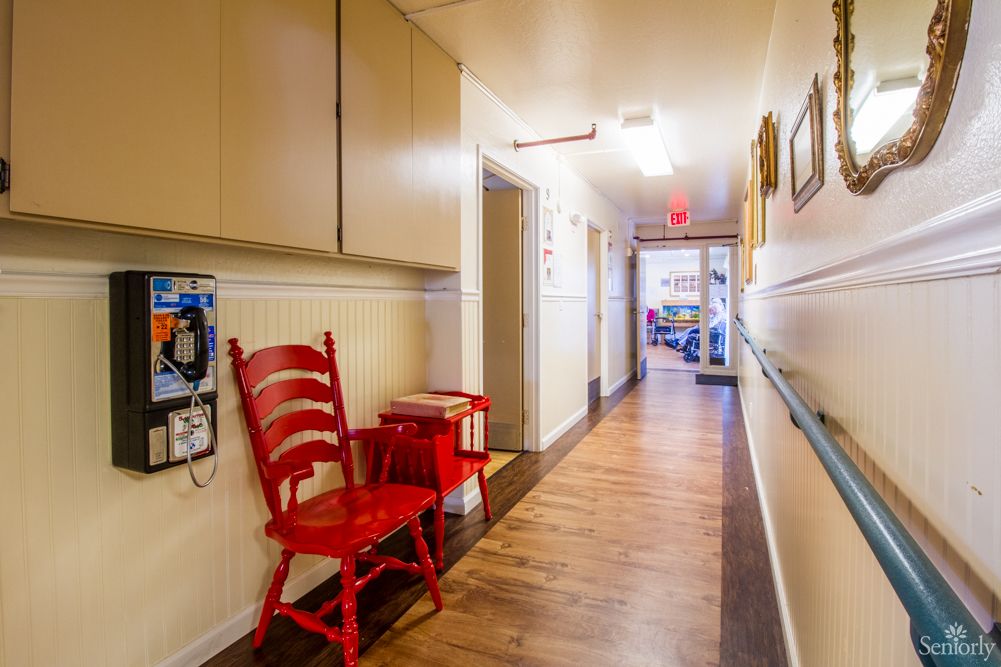
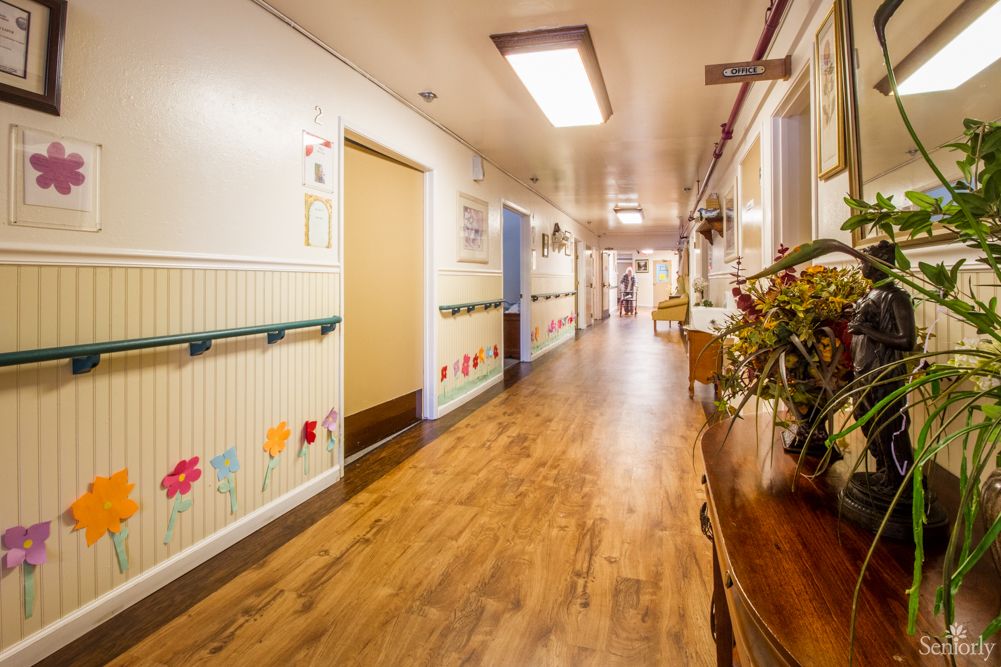
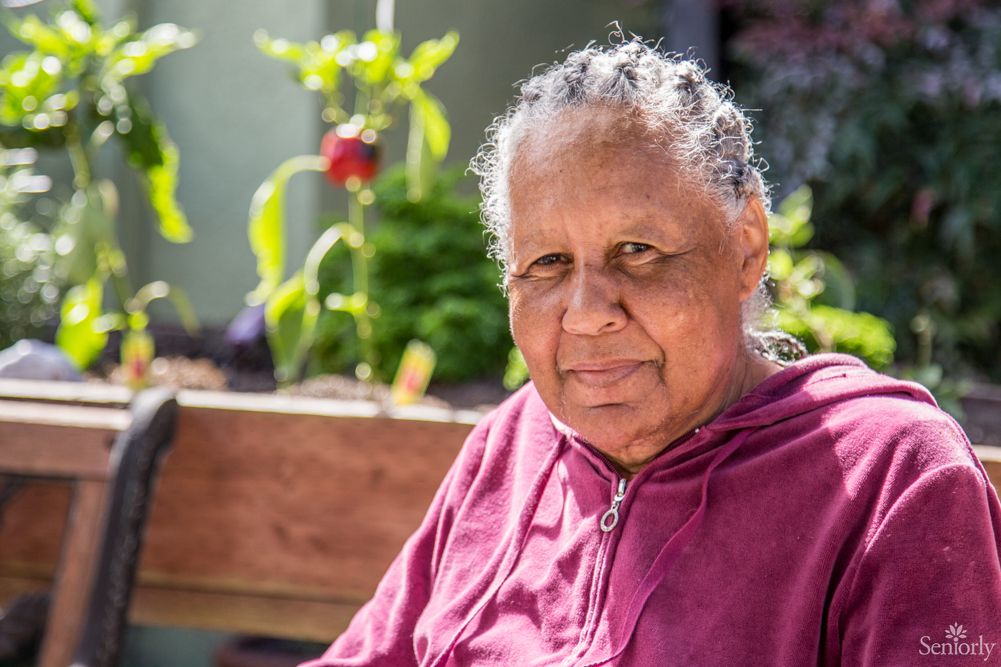
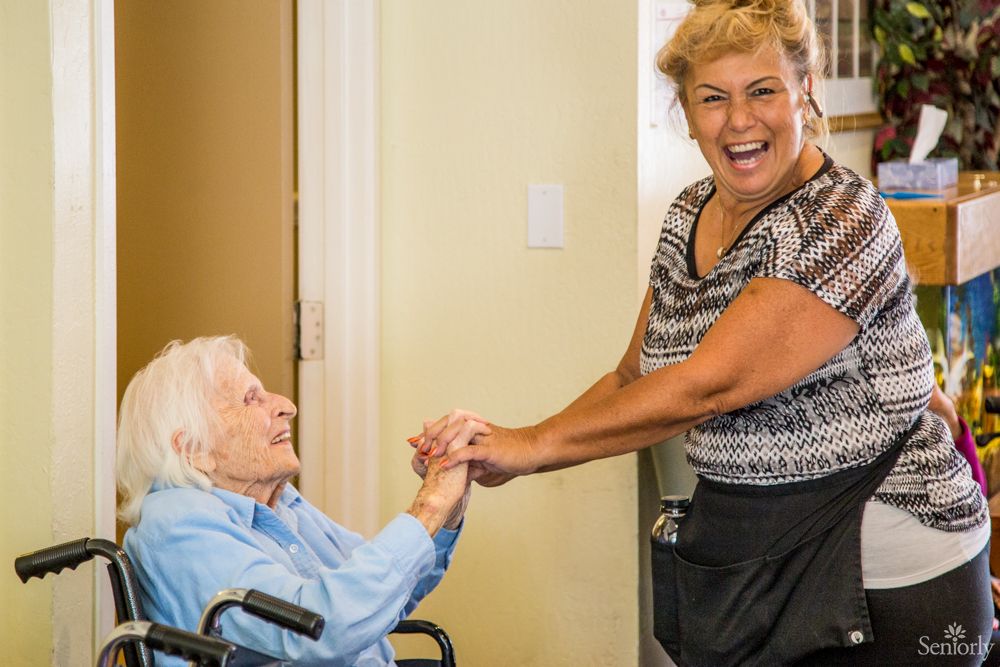
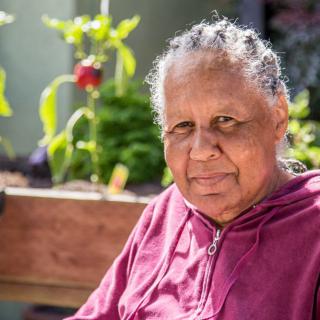
 Rose Gate feels like home, with staff who feel like family.
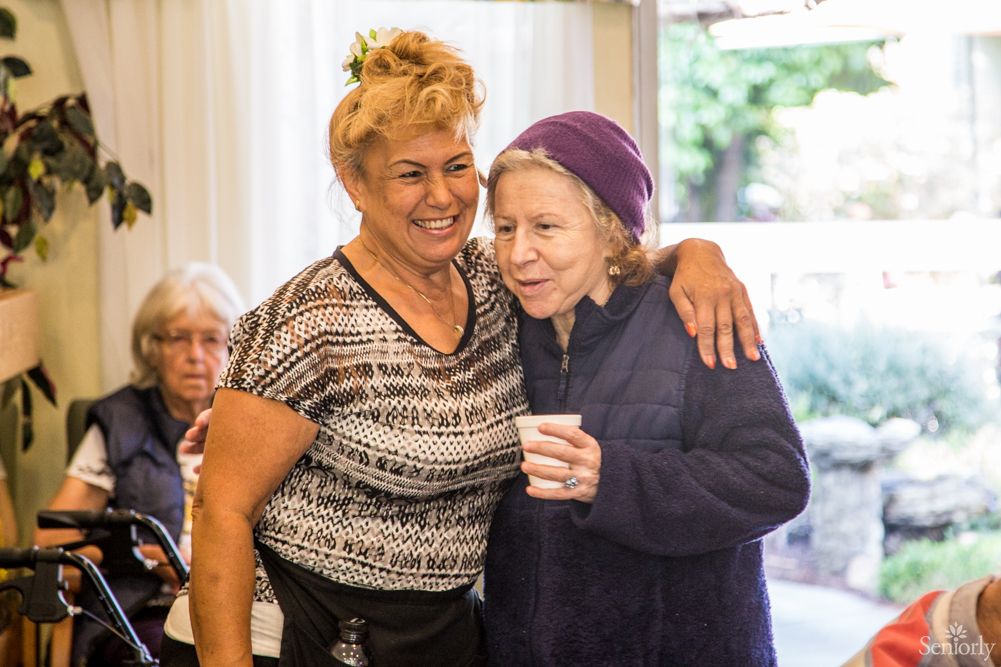
- The staff at Rose Gate are compassionate and caring.
- Families can visit Rose Gate anytime.
- Residents are treated with dignity and respect at Rose Gate.
- Rose Gate is a wonderful place to trust with loved ones.
- The staff are caring and the team is helpful.
- Residents are greeted by smiling and loving faces at Rose Gate.
- There is a lot of love at Rose Gate.
- Families find great peace of mind knowing their loved ones thrive under Rose Gate's care.
- Katie and the staff help with the transition and provide the best possible care.
- The Rose Gate community helps make transitions seamless.
Cons
 The facility is one of the worst the reviewer has ever seen.
- The staff did not attend to residents as they should have.
- Residents repeatedly developed bed sores.
- It is a terrible place, and people are advised not to put their loved ones there.
- The facility is cheap, which may mislead families into choosing it without proper consideration.
Review
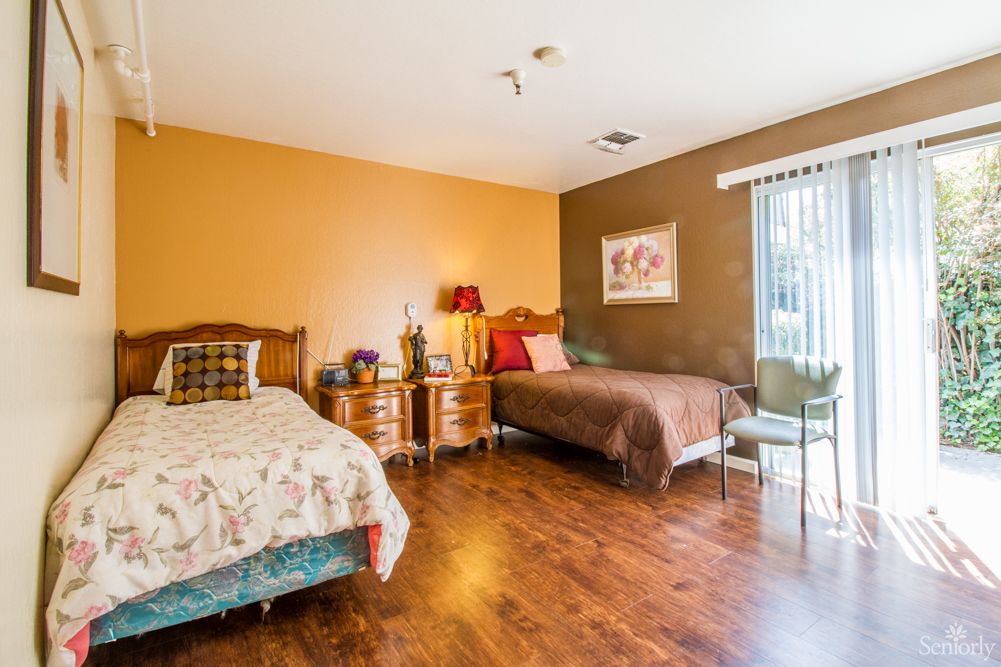
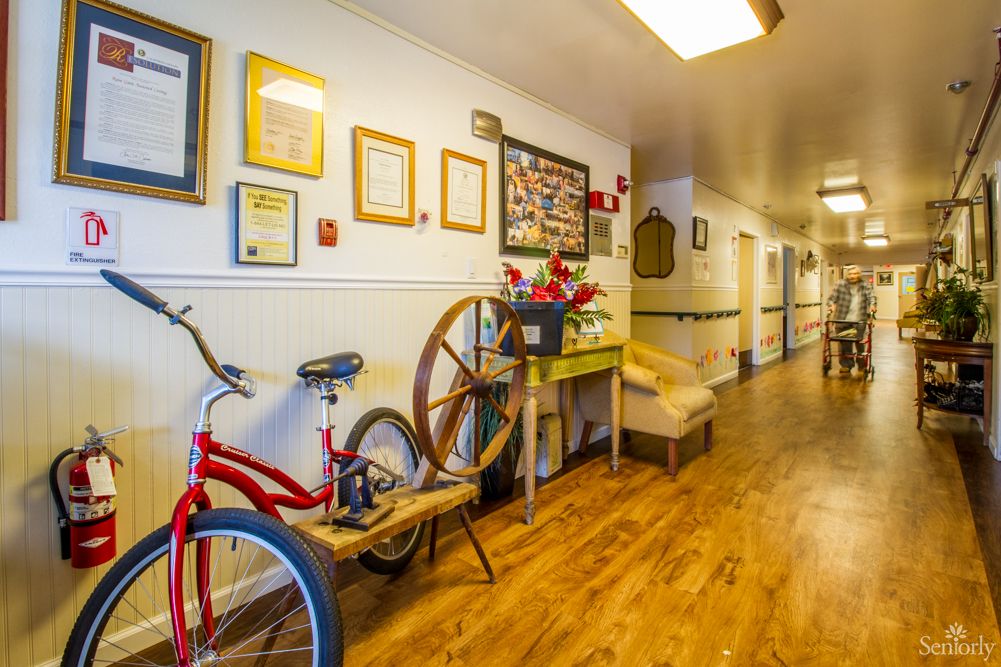
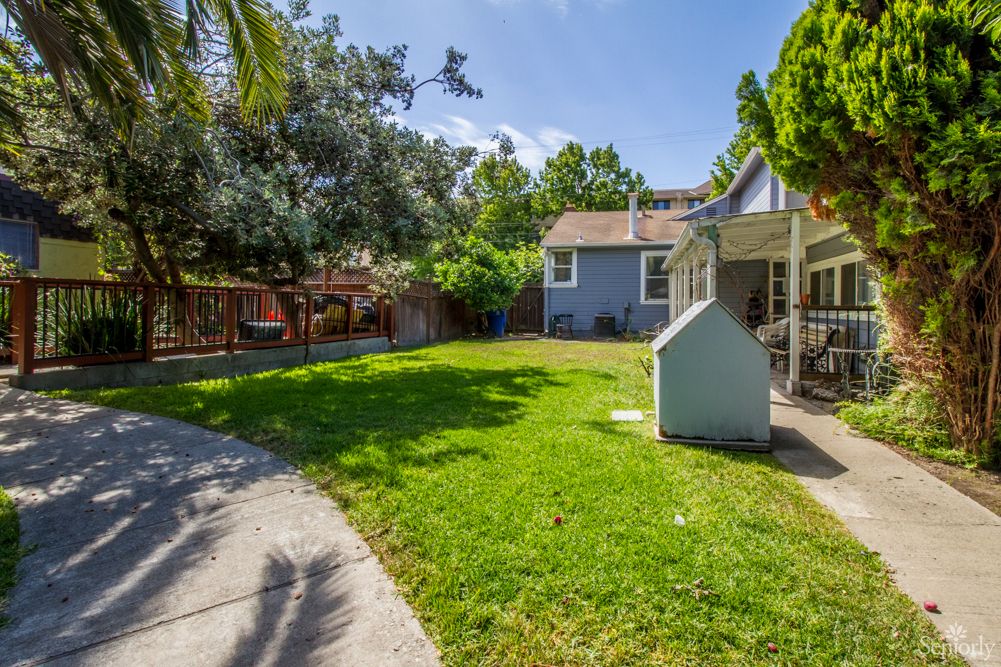
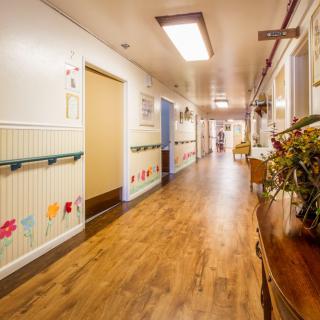
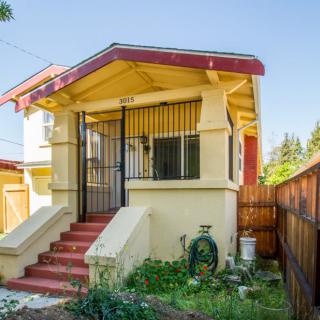
Rosegate in San Leandro is best suited for families that want a warm, home-like atmosphere where caregivers treat residents as family. The community consistently reads as welcoming, with staff who appear genuinely invested in each resident’s dignity and daily happiness. It works well for seniors who desire regular, in-person connection with a stable caregiving team and for families who prize flexible visiting hours and open access to oversight. This is the kind of place where a resident’s routine is anchored by familiar faces, and where transitions, especially into hospice care, are supported with a calm, reassuring touch. In short, Rosegate serves those seeking intimate, attentive care rather than a sterile, impersonal setting.
That said, some families should consider alternatives if clinical oversight and documented wound-care performance are non-negotiable. A single reviewer described serious neglect, including bed sores and repeated failures that required relocation for treatment. While that account is not representative of every experience, it raises a legitimate red flag about consistency of care and ongoing monitoring for residents with skin integrity concerns. Families with residents who have complex medical needs, significant mobility issues, or a prior history of pressure injuries may want to compare options with clearly published wound-management protocols, higher nurse-to-resident ratios, and more explicit accountability structures.
On the positive side, the strongest pro is the staff’s compassion and the sense of family that pervades the building. Caregivers are described as compassionate, patient, and steady, with multiple residents and families reporting not only kindness but tangible peace of mind. The presence of a hospitable, consistent team, often with the same faces visiting and caring week after week, helps residents thrive and reassures families during transitions. Freedom to visit at virtually any time, plus staff who work closely with family members, translates into better emotional well-being for residents and reduced stress for loved ones.
Transitions are another real strength. Families noted how the team supported a move into Rosegate and, later, how staff collaborated around hospice care to keep comfort and dignity at the forefront. That continuity matters, especially for families navigating end-of-life decisions, where clear communication and a respectful approach can soften tough choices. The hospice partnership observed by local care providers reinforces a coordinated care experience, not a collection of disconnected services. The bottom line is a community that feels reachable, accountable, and oriented toward residents’ holistic well-being.
Yet the one negative experience cannot be ignored. It underscores the need for due diligence: prospective residents should inquire about wound-care protocols, daily skin-assessment routines, and how nursing coverage is allocated across shifts. Families should request concrete metrics, staffing ratios, care-planning cadences, and documented responses to skin-integrity concerns. The prudent approach is to meet with the administrator, tour the care areas, review incident logs, and speak with current residents or families about day-to-day responsiveness. If the answers are specific, measurable, and reassuring, concerns diminish; if not, exploring alternatives with stronger clinical oversight is warranted.
Overall, Rosegate offers a compelling blend of home-like ambiance, compassionate caregiving, and practical, family-focused operations. It is well suited for families seeking peace of mind through intimate staff relationships and flexible access. The primary caution is to verify that wound-care and clinical monitoring meet the resident’s needs; when that verification occurs, the positives, dignified care, consistent affection from caregivers, and a supportive transition to hospice, make Rosegate a strong choice. For families unwilling to compromise on clinical rigor or who require robust wound-management systems, exploring other nearby communities is prudent. For the right resident, Rosegate delivers on its promise of human, attentive care.
 40 resident community capacity
 Assisted Living
 Day Program
 Memory Care
 Respite Care
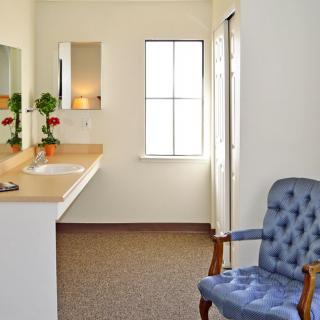
 Beauty salon
 Cable or satellite TV
 Dining room
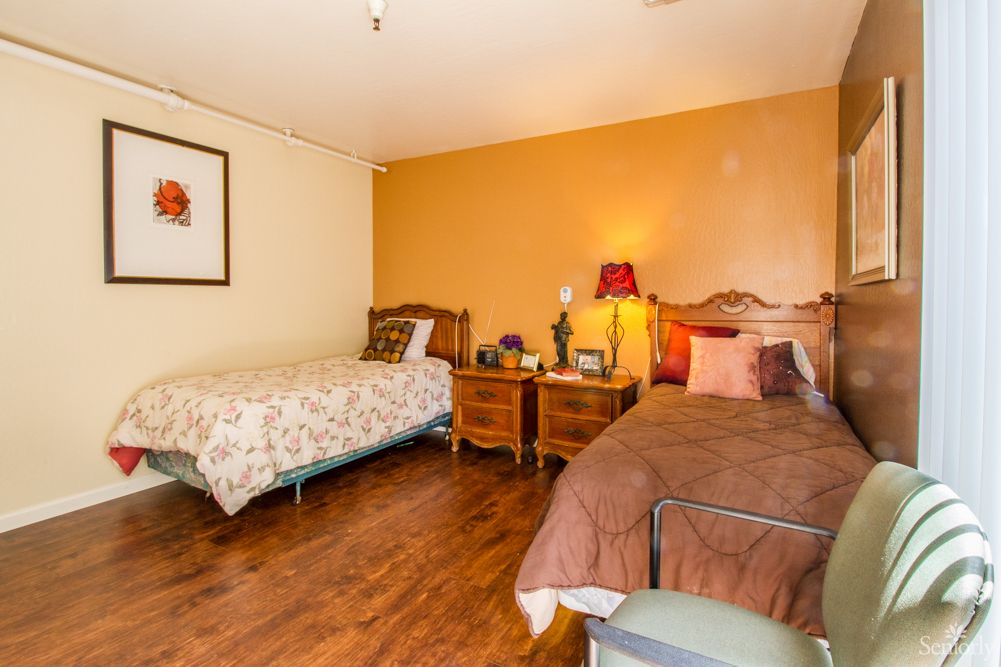
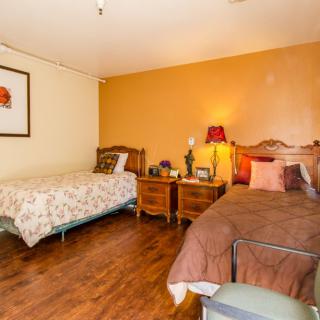
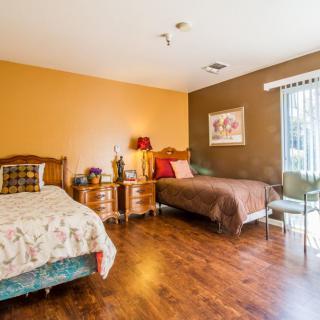
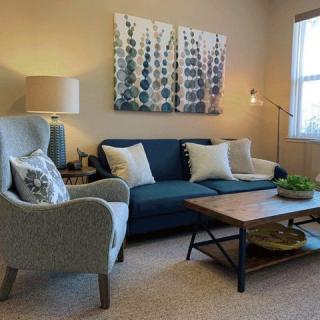
 Fully furnished
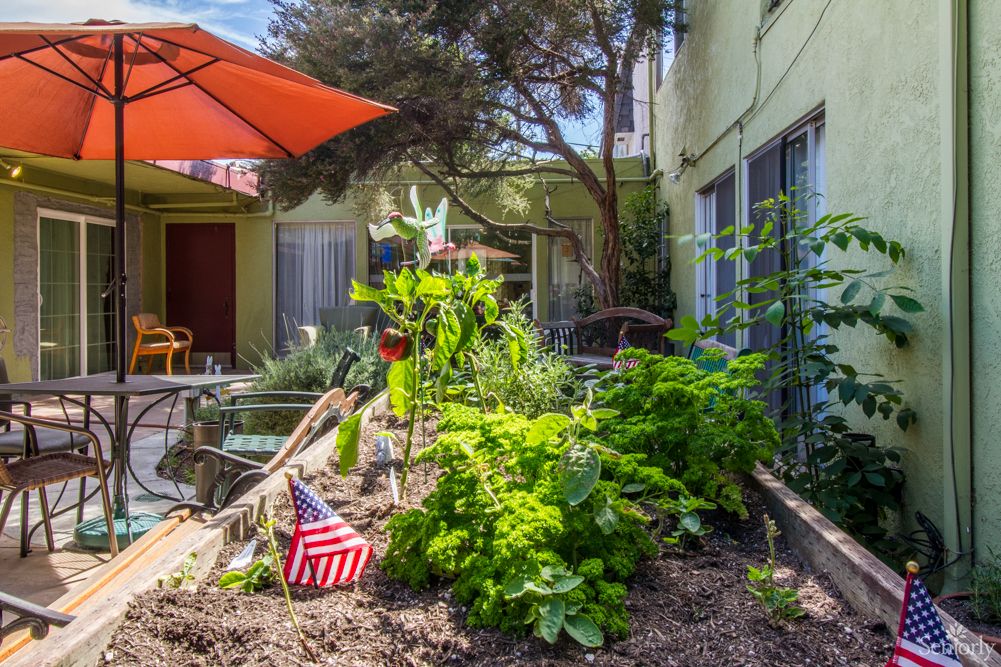
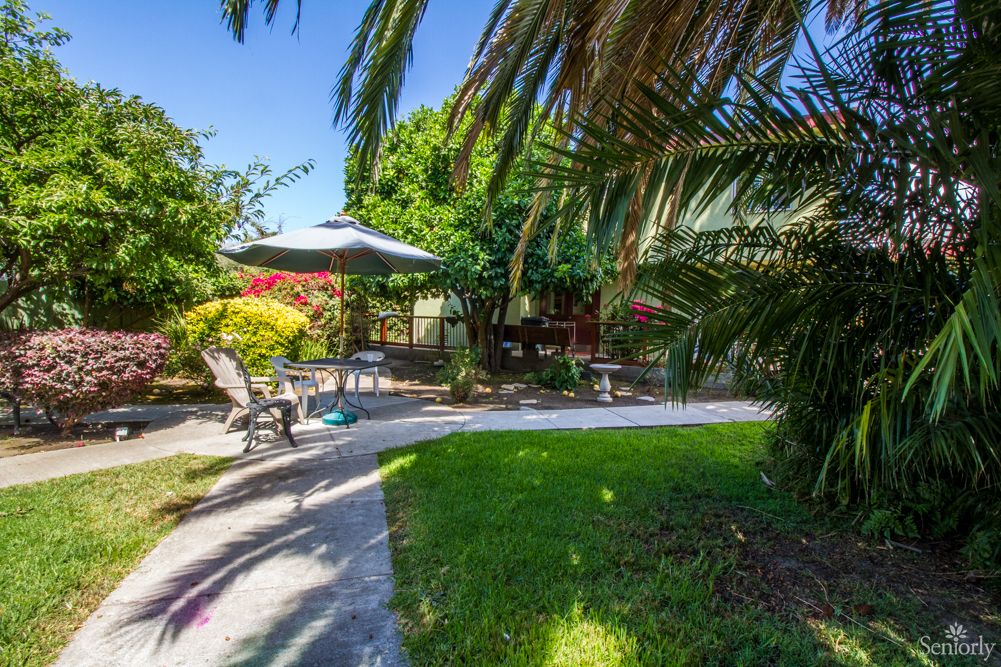
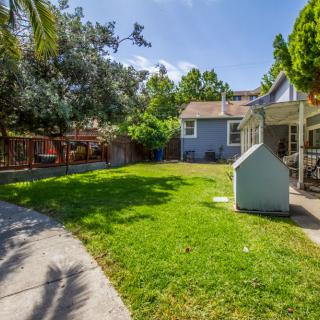
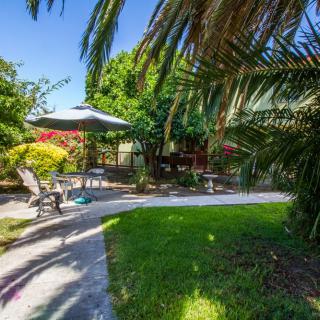
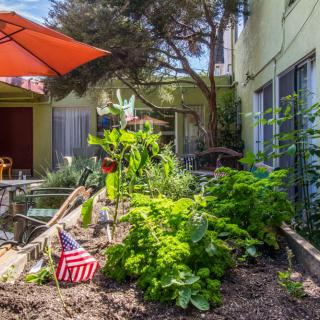
 Garden
 Housekeeping services
 Kitchenette
 Move-in coordination
 Outdoor space
 Restaurant-style dining
 Small library
 Telephone
 Wi-Fi/high-speed internet available
 Metropolitan Oakland International (3 miles away)
 24-hour call system
 Assistance with bathing
 Assistance with dressing
 Assistance with transfers
 Diabetes diet
 Medication management
 Mental wellness program
 Special dietary restrictions


 Are Dementia and Alzheimer's Disease Lethal? A Comprehensive Exploration
 Exploring the Power of Reminiscence Therapy for Individuals With Dementia
 An In-Depth Look at Reminiscence Therapy in Dementia Care