
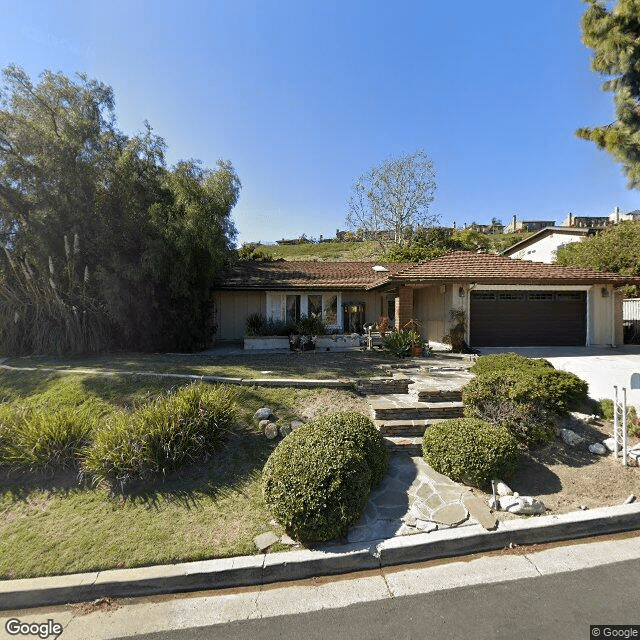
33821 Via Cascada, San Juan Capistrano, CA 92675
For more information about senior living options: (866) 208-4318
Chateau Francesca Costs & Pricing
Chateau Francesca offers competitive pricing for its accommodations, providing residents with a cost-effective option compared to both Orange County and the broader California market. For semi-private rooms, Chateau Francesca charges $2,500 per month, which is significantly lower than the Orange County average of $3,431 and the state average of $3,333. Similarly, for private rooms at Chateau Francesca, the monthly cost is $3,200 - substantially more affordable than the $4,104 typically seen in Orange County and slightly below California's overall average of $3,939. This pricing structure not only underscores Chateau Francesca's commitment to delivering quality care at a value but also positions it as an appealing choice for those seeking financial sustainability in senior living options.
| Floor plans | Chateau Francesca | Orange County | California |
|---|---|---|---|
| Semi-Private | $2,500 | $3,431 | $3,333 |
| Private | $3,200 | $4,104 | $3,939 |
Assisted Living communities with a similar price nearby
-
from +$300 / mo
Leah Loving Elderly Care
$2,800 to $3,000 / month23.2 miles away -
from +$200 / mo
Loving Care Senior Home
$2,700 to $3,500 / month23.2 miles away -
from +$200 / mo
The Golden Years Guest Home
$2,700 to $3,500 / month21.0 miles away -
About the same
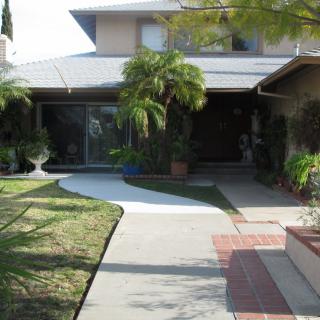
Paradise Residential Senior Care 4
$2,500 to $3,200 / month9.8 miles away -
from +$300 / mo
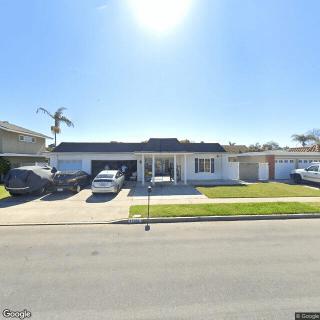
Columns Care Home
$2,800 to $3,800 / month22.3 miles away
Overall Review of Chateau Francesca
Pros
 The owner is friendly and easy to deal with.
- The home is consistently clean.
- Caregivers are attentive to desires while respecting privacy.
- The dad receives loving care.
- The dinners are inviting and well-cooked.
- Seasonal parties at the house are enjoyable for families.
- The house is a wonderful home for those in special circumstances.
- The ocean view and climate are great.
Cons
 Did not like the location.
- Did not like the location.
Review
Chateau Francesca is best suited for families seeking a small, home-like assisted living experience where cleanliness, personal attention, and server-quality meals define daily life. The community renders care in a warm, intimate setting, with caregivers who are attentive to individual desires while preserving resident privacy. The atmosphere feels domestic rather than institutional, and the combination of an ocean view and a mild climate adds a consistent, comforting backdrop that supports regular outdoor time and routine. When touring, families can expect to encounter a manager and staff that project steadiness, reliability, and a welcoming culture that treats residents as cherished members of a household rather than clients in a facility.
Not every family will want Chateau Francesca, however. The most pointed caveat is its location, which some reviewers found unsatisfactory. For families prioritizing easy access to urban amenities, major hospitals, or frequent off-site appointments, the San Juan Capistrano setting may feel distant or less convenient. This element matters not just for visitors but for residents who rely on regular outings or quick transportation to services. In short, those whose criteria center on centrality and convenience may want to consider alternatives with a more strategically located footprint.
The strong points here offset the location concern in meaningful ways. The care team, highlighted by named staff members such as Ronnie, Tracy, and Mariza, delivers loving, steady oversight over a period of years, with families expressing deep gratitude for the continuity and quality of attention. Cleanliness is repeatedly praised, reinforcing a sense of safety and dignity for residents. Residents benefit from home-cooked meals that impress visiting families, and there is genuine warmth in how the home opens up for dinners and seasonal gatherings. Such tangible expressions of hospitality and consistent caregiving create emotional resilience for both residents and family members, which in practice can compensate for the trade-off of being slightly off the beaten path.
Beyond basic care, the community cultivates sociability and belonging. The dining experiences and family-invited meals foster an inviting social rhythm, while seasonal parties provide regular opportunities to meet other families and celebrate milestones. This social fabric matters: it turns a residence into a supportive community where residents feel valued and connected, not merely supervised. The presence of proactive caregivers who respect privacy while accommodating family involvement helps balance independence with supervision, a balance many families struggle to strike in larger operations or more clinical settings.
For families weighing options, Chateau Francesca represents a deliberate choice toward a compact, person-centered model rather than a broad, service-heavy campus. Those seeking extensive programming, highly visible medical oversight, or the energy of a more central locale may find this environment too restrained. Conversely, if the priority is a clean, well-maintained home with cooks who can delight guests, caregivers who know each resident’s story, and a supportive network of families, the trade-off can be well worth it. The testimonials of long-term care and the NP’s affirmation add a practical stamp of credibility to this assessment.
When considering a tour, prospective families should press for clarity on staffing ratios, the cadence of activities, and the scope of services beyond daily living support. Confirm meal schedules, guest policies for dinners, and how the home handles medical coordination and transportation needs. Given the emphasis on atmosphere and caregiver warmth, it is essential to verify that the resident’s specific needs, mobility, supervision, and cognitive support, align with the available level of care. For those who value a homelike setting with dependable, caring hands, Chateau Francesca stands out as a strong, choice-forward option; for others, the location and broader amenities will determine the better fit.
 6 resident community capacity
 Assisted Living
 Board and Care Home
 Respite Care
 Cats allowed
 Dogs allowed
 Cable or satellite TV
 Dining room
 Fully furnished
 Garden
 Housekeeping services
 Move-in coordination
 Outdoor space
 Private
 Telephone
 Wi-Fi/high-speed internet available
 John Wayne Orange Co (18 miles away)
 24-hour supervision
 Activities of daily living assistance
 Assistance with bathing
 Assistance with dressing
 Assistance with transfers
 Diabetes diet
 Diabetic care
 Meal preparation and service
 Medication management
 Special dietary restrictions
 Transportation arrangement (medical)
 Transportation to doctors appointments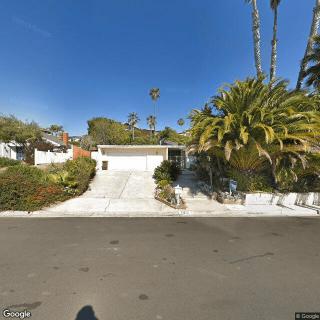



 8 Key Indicators That Suggest It May Be Time to Transition from Assisted Living to Skilled Nursing Care
 Vibrant Senior Living: A Comprehensive Guide for Active Older Adults
 When to Transition from Assisted Living to Memory Care: Key Indicators, Steps, and Finding the Right Community