
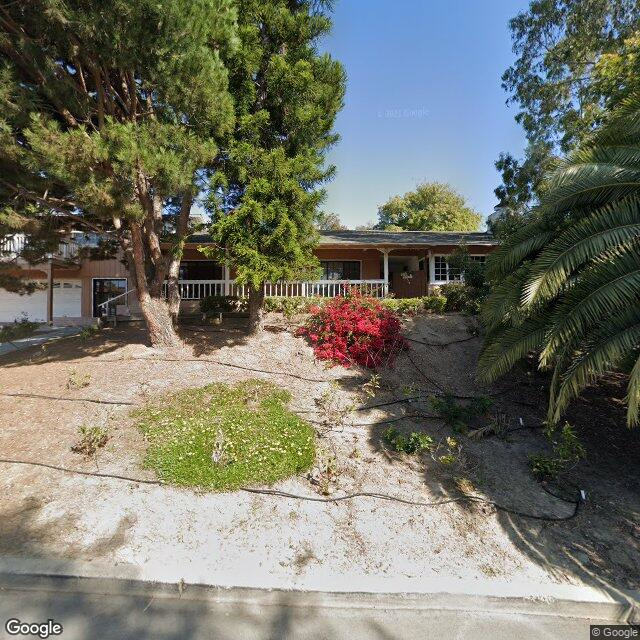
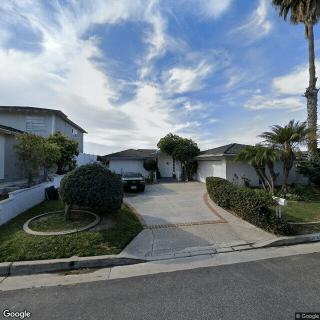
26961 Calle Granada, Capistrano Beach, CA 92624
For more information about senior living options: (866) 208-4318
Mirabel By The Sea Costs & Pricing
Mirabel By The Sea offers competitive pricing for its residential options, presenting a cost-effective alternative when compared to the broader market in Orange County and across California. For instance, their semi-private rooms are available at $2,500 per month, significantly lower than the average rates of $3,431 in Orange County and $3,333 statewide. The private rooms at Mirabel are priced at $3,000, again providing substantial savings compared to the local average of $4,104 and the state average of $3,939. Similarly, their one-bedroom units are offered at $3,000 per month, which is notably more affordable than the corresponding rates of $4,380 in Orange County and $4,340 in California. This demonstrates Mirabel By The Sea's commitment to delivering high-quality care without imposing excessive financial burdens on residents and their families.
| Floor plans | Mirabel By The Sea | Orange County | California |
|---|---|---|---|
| Semi-Private | $2,500 | $3,431 | $3,333 |
| Private | $3,000 | $4,104 | $3,939 |
| 1 Bedroom | $3,000 | $4,380 | $4,340 |
Memory care communities with a similar price nearby
-
from +$300 / mo
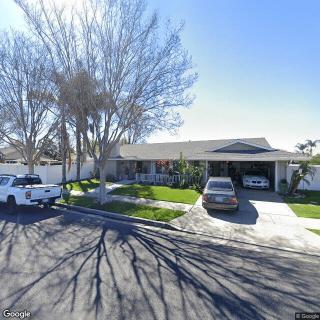
Candlewood Care Home III
$2,800 to $3,400 / month21.3 miles away -
from +$300 / mo
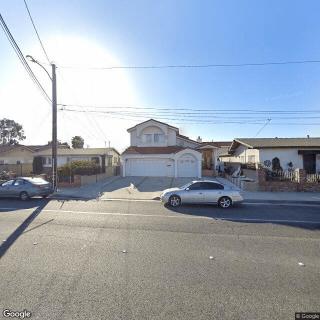
Leah Loving Elderly Care
$2,800 to $3,000 / month24.1 miles away -
from +$200 / mo
Loving Care Senior Home
$2,700 to $3,500 / month24.0 miles away -
About the same
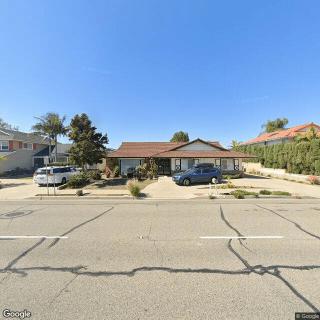
Madison Home Care 2
$2,500 to $2,800 / month24.0 miles away -
from +$200 / mo

The Golden Years Guest Home
$2,700 to $3,500 / month22.0 miles away
Overall Review of Mirabel By The Sea
Cons
 The loved one will die quickly there.
- The facility is falling apart and no obvious repairs have been done in years.
- The board-and-care is a rental, which are always the worst.
- The caregiving staff acts like they just came off the boat.
- They have a truly difficult time communicating.
- It was in disarray and had not been cleaned in weeks.
- The two male caregivers were watching TV with their feet propped up on the table.
- No one was attending to the residents.
- Two residents were in their rooms, lying lifeless in their beds.
Review
This Capistrano Beach location is best suited for families that are willing to accept a very low-maintenance, home-like setting with an implied risk of neglect. In practical terms, it is not a fit for families prioritizing reliable care, engaged staffing, and consistently clean, well-supervised living environments. The reality reflected in the referenced concerns is that the operation does not consistently deliver the level of care and oversight expected in a board-and-care setting, and that should be the first red flag for anyone evaluating options.
Alternatives should be strongly considered by anyone who values dependable supervision, solid cleanliness, and responsive caregiving. The pattern described, multiple facilities under the same owner, documented signs of disrepair, and reports of disengaged staff, suggests a systemic issue rather than an isolated problem. Families deserve facilities with transparent licensing histories, active and trained caregivers, and a track record of meals, activities, and daily routines being reliably provided. If those elements are absent, it is prudent to look elsewhere for a safer, more stable environment.
The modest size of a small, six-capacity home might be seen as a potential advantage for individualized attention, but the reported experiences quickly nullify that benefit. When two residents were observed, with caregivers preoccupied and a lack of basic routine, no dinner at 5 PM and no proactive care, small size becomes a liability rather than a benefit. In a setting where residents rely on staff for nutrition, supervision, and companionship, the absence of those basic services signals a systemic failure that little-size advantages cannot compensate.
The core issues described are not merely cosmetic. Front-of-house conditions were said to be disorganized and not cleaned for an extended period, and staff appeared disengaged, with little sense of accountability or urgency to meet residents’ basic needs. The visual cue of staff lounging, coupled with an apparent lack of meals and meaningful activity, points to a predictable pattern of under-support. When residents are left unattended and meals go missing, safety and well-being are immediately compromised, and the risk to vulnerable seniors becomes unavoidable.
Regulatory credibility and marketplace trust are also at stake. The reviewer questions licensing integrity and points to a history of complaints, implying that oversight may be inconsistent. The claim of manipulated positive reviews and questionable placement referrals further undermines confidence. In environments where licensing records and external audits are not clearly favorable, the prudent course is to treat such facilities with heightened scrutiny and to prioritize operators with verifiable compliance histories and transparent communications.
Decision-making should center on verifiable quality indicators and firsthand daily living experiences. Prospective families should conduct unannounced visits, observe caregiver-to-resident ratios, and verify that menus, medication management, and activities are consistently provided. Request written care plans, track staff certifications, and confirm licensing status through the state’s regulatory portal. Speak with current residents or family members who can provide unfiltered feedback about meals, safety checks, and responsiveness. If the facility cannot deliver consistent cleanliness, engaged caregiving, reliable meals, and accessible management, alternatives, ranging from other small-board-and-care homes with solid reputations to larger, well-reviewed operators, should be pursued with urgency.
 6 resident community capacity
 Assisted Living
 Board and Care Home
 Memory Care
 Cats allowed
 Dogs allowed
 Cable or satellite TV
 Dining room
 Fully furnished
 Garden
 Housekeeping services
 Move-in coordination
 Outdoor space
 Private
 Telephone
 Wi-Fi/high-speed internet available
 John Wayne Orange Co (19 miles away)
 24-hour supervision
 Activities of daily living assistance
 Ambulatory care
 Assistance with bathing
 Assistance with dressing
 Assistance with transfers
 Diabetes diet
 Diabetic care
 Incontinence care
 Meal preparation and service
 Medication management
 Special dietary restrictions
 Transportation arrangement (medical)
 Transportation to doctors appointments
 Exceptional staff and engaging daily activities




 Medications Associated with Dementia Risk: A Comprehensive Overview
 Guiding Your Journey: Understanding Power of Attorney for Elderly Parents
 22 Remarkable Caregiver Support Groups Available Online and In-Person