33161 Camino Capistrano, Suite B-1, San Juan Capistrano, CA 92675
To contact a resident: (949) 218-6706
For more information about senior living options: (866) 208-4318
Overall Review of Home Helpers of San Juan Capistrano
Pros
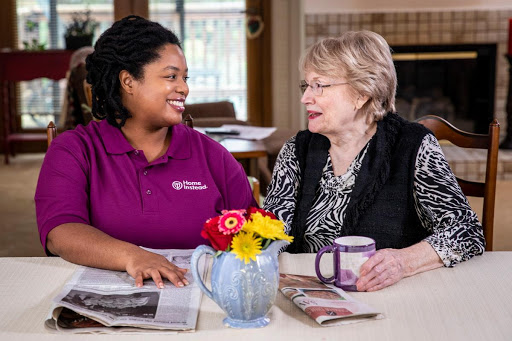
 Home Instead was understanding and flexible in matching the perfect caregiver for the father.
- Linda became almost like family because she was caring and helpful.
- Linda assisted with daily tasks, drove him to the store, and provided companionship.
- The family believes Linda and Home Instead helped the father enjoy his final years.
- Cheyanne is described as an angel who truly cared for the mom.
- Alyssa promptly scheduled a home visit, and within two weeks matched them with Cheyanne.
- Cheyanne was willing to extend shifts and add days to support the mom.
- Avis P. is a wonderful, punctual, and thoughtful caregiver.
- Jean Q. is warm, trustworthy, and considerate, bringing joy to the mom's life.
- The caregiver is described as a personal superhero who solves household problems and tech issues.
Review
Home Helpers of San Juan Capistrano is best suited for families seeking deeply personalized, in-home support that allows a loved one to stay at home while receiving reliable daily assistance, companionship, and practical coordination of benefits. The service excels when a senior can thrive with flexible scheduling, stable caregiver matches, and hands-on help with housekeeping, transportation, meal preparation, and safety tasks. The model’s strength lies in caregiving relationships that feel like family rather than staff rotations, so the person receiving care remains comfortable, confident, and engaged in familiar surroundings. Local availability in San Juan Capistrano translates into dependable response times and routines that respect established patterns. A notable plus is the ability to coordinate benefits, such as VA support, to fund in-home care.
Those who may want to consider alternatives include families seeking round-the-clock supervision, built-in social programming, or advanced medical oversight on a campus. If 24/7 on-site nursing or memory-care structured living is a priority, an assisted living or memory-care community will typically deliver more comprehensive medical monitoring and social opportunities in a centralized setting. For households with frequent hospital-level needs or complex care plans, a facility-based option may provide steadier medical oversight. Additionally, some families may find facility pricing easier to predict or prefer a single setting for coordinating all services rather than juggling multiple in-home supports.
Key advantages revolve around caregiver caliber and the ability to tailor care to individual routines. The reviews repeatedly praise caregivers who are punctual, thoughtful, and deeply supportive, with multiple accounts likening caregivers to trusted family members. The strongest proof lies in the match process: clients report rapid placement with caregivers who already grasp the senior’s needs, risk factors, and preferences. Beyond housekeeping, caregivers provide transportation, shopping, meal preparation, and meaningful companionship that reduces isolation. Some caregivers demonstrate remarkable versatility, assisting with physical therapy routines, coordinating banking or prescriptions, and even navigating bilingual conversations, allowing families to maintain independence without constant family presence.
Flexibility is another standout strength. Caregivers adapt hours to fit medical appointments, social engagements, and family plans, sometimes extending shifts or adding days when a situation requires it. The most compelling testimonials describe not only practical support but also a broader wellness orientation: daily exercise, dancing, and games that keep minds active, along with routine safety checks and home maintenance. The ability to facilitate meetings and medical appointments via Zoom when in-person travel is limited shows a rare level of proactive problem-solving. In sum, the team treats home care as a holistic service, integrating health, safety, and social connection into a coherent daily rhythm.
Where there is a potential trade-off, it centers on the in-home model’s dependence on stable caregiver assignments. The strong track record here suggests high reliability, but families should still plan for the possibility of caregiver transitions or gaps when scheduling demands require additional hands or vacations. The upside is the demonstrated capacity to scale hours and deploy a diverse skill set, from light medical tasks to housekeeping and tech help, without forcing a move. For families comfortable with a home-based approach and a proactive planning mindset, these trade-offs are more than offset by continuity, trust, and the intimate, person-centered care that comes from long-standing caregiver relationships.
Bottom line: this service represents a compelling choice for families prioritizing personalized, in-home support with a human-centered approach. It fits seniors who value consistent companionship, flexible hours, and care coordination that can leverage benefits like VA support. It is less suitable for those needing constant medical supervision, 24/7 nursing, or campus-based social programming. Prospective families should begin with a needs assessment, request detailed caregiver profiles, and plan for a trial period to confirm fit. Emphasize caregiver continuity, language needs if applicable, and the agency’s processes for scheduling, billing, and support around medical appointments to ensure a smooth, transparent transition into in-home care.
 John Wayne Orange Co (18 miles away)







 Understanding the Nuances of Palliative Care and Hospice: A Comprehensive Exploration
 Fecal Incontinence in Older Adults: A Comprehensive Guide
 Nurturing Well-Being Through Gardening: A Detailed Guide for Senior Enthusiasts