
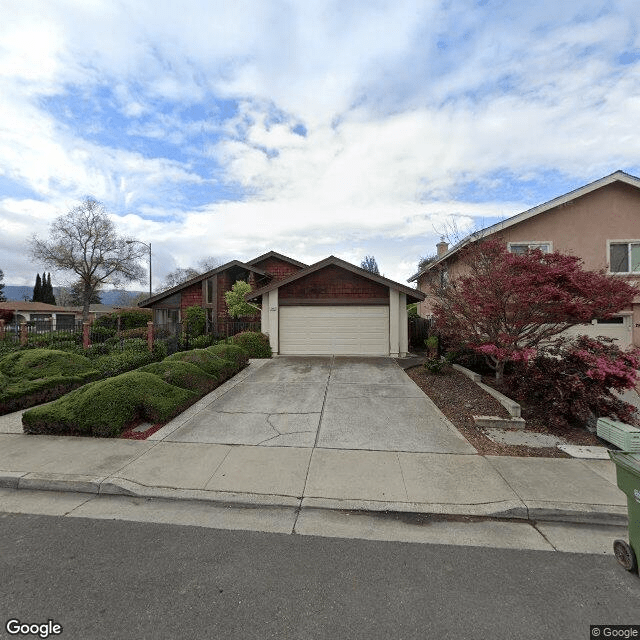
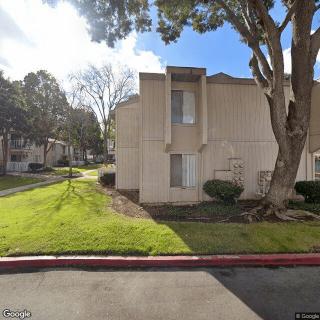
2991 Faircliff Ct, San Jose, CA 95125
For more information about senior living options: (866) 208-4318
Willow Glen Senior Living Costs & Pricing
Willow Glen Senior Living offers competitive pricing for its residents compared to the broader market in Santa Clara County and across California. The cost for a semi-private room at Willow Glen is $2,250 per month, significantly lower than the county average of $3,943 and the state average of $3,333. Similarly, the monthly rate for a private room at Willow Glen stands at $2,500, which again offers substantial savings against Santa Clara County's average of $4,096 and California's average of $3,939. These rates make Willow Glen an appealing option for seniors seeking quality care while being mindful of affordability.
| Floor plans | Willow Glen Senior Living | Santa Clara County | California |
|---|---|---|---|
| Semi-Private | $2,250 | $3,943 | $3,333 |
| Private | $2,500 | $4,096 | $3,939 |
Assisted Living communities with a similar price nearby
-
from +$250 / mo
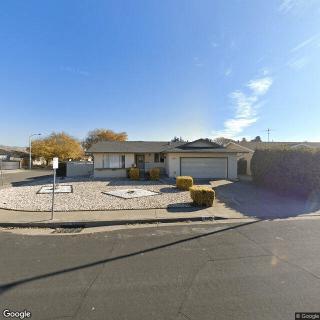
Ava Bella Care Home
$2,500 to $3,000 / month24.3 miles away -
from -$255 / mo
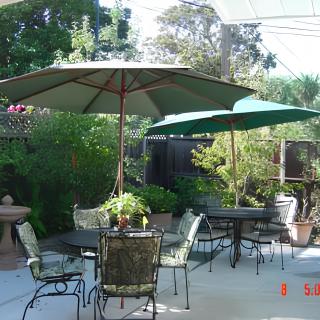
Sunny Orchard Place
$1,995 to $3,700 / month10.0 miles away -
About the same
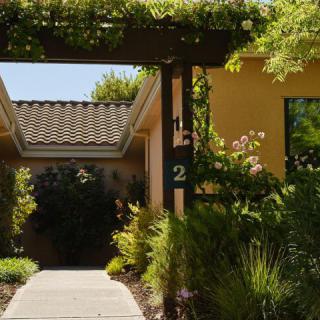
The Forum At Rancho San Antonio
$2,222 / month11.4 miles away -
from -$300 / mo

Cogir of Fremont
$1,950 to $3,495 / month20.1 miles away -
from +$250 / mo
Isherwood Care III
$2,500 to $3,500 / month20.5 miles away
Overall Review of Willow Glen Senior Living
Pros
 Initially, the staff were present around the clock, which felt reassuring.
- At first, everything seemed great thanks to the constant presence of caregiving staff.
- There was gratitude for the continuous support that was available.
- The facility made a positive first impression with attentive care.
- The early days were characterized by reliable, around-the-clock assistance.
Cons
 The reviewer notes that a caregiver scolded the cognitively-impaired mother for her OCD habits, which they view as unacceptable behavior.
- They describe that scolding as bullying of a vulnerable and indefensible person.
- The caregiver’s actions led to a fall in the bathroom, resulting in a head wound and a broken shoulder.
- The reviewer characterizes the incident and its aftermath as a complete nightmare, with no effective treatment for the shoulder fracture and limited pain relief.
- They claim doctors won’t prescribe strong pain meds for the elderly, worsening the mother's suffering.
- The reviewer states that the mother's last days were made miserable by that caregiver, and questions how management continues to employ someone unsuited to work with the impaired elderly.
Review
Willow Glen Senior Living in San Jose is best suited for families that insist on constant visibility and active, ongoing oversight of care for an elderly resident. The experience described suggests a setting where 24/7 staff presence can be arranged, which matters when a senior is transitioning after a recent fall or acute mobility issue. However, this advantage only holds if staffing is consistently professional, respectful, and responsive to evolving needs. In this case, the initial sense of around-the-clock coverage did not translate into a reliably safe or compassionate environment, and the difference between promise and practice becomes decisive for decision-making.
Those weighing alternatives should note that Willow Glen is not automatically the right fit for residents who require high-quality dementia care, scrupulous behavior standards, and consistently safe handling. Families prioritizing a culture of compassionate engagement, rigorous training, and transparent accountability will want to compare facilities with established track records in dementia support, fall prevention, and incident follow-up. The account points to significant red flags: a pattern of staff conduct affecting a cognitively impaired resident, and management that allows problematic staffing choices to persist. In short, high-risk, emotionally fragile situations require a care partner with rock-solid, enforceable policies, precisely where this community appears vulnerable.
The strongest pro in the narrative, direct, around-the-clock attention, quarrels with the most serious con: a single caregiver’s behavior can sour the entire experience and precipitate a life-altering sequence of events. What begins as gratitude for available help quickly becomes a cautionary tale when a caregiver scolds a cognitively impaired senior, erodes trust, and suppresses the resident’s willingness to ask for assistance. The resulting fall in the bathroom, a head wound, and a shoulder fracture demonstrate how fragile safety can be when staff deployment, training, and supervision fail to maintain a consistently respectful, proactive approach. The escalation to septic shock and death compounds the harm, revealing a vulnerability that cannot be dismissed as an isolated incident.
From a risk-management perspective, the review raises the specter of persistent staffing risks and a management culture that does not consistently remove or mentor unsuited personnel. When a caregiver’s conduct translates into severe physical and emotional harm, it signals a systemic weakness rather than an exceptional lapse. Families must weigh whether the facility’s capacity to staff appropriately, supervise caregivers, and enforce quality-of-care standards is reliable enough to protect a resident with cognitive vulnerability and high fall risk. Without demonstrable improvements in staffing discipline and resident-centered responses, the perceived benefit of constant presence fails to offset the potential for repeated harm.
If Willow Glen remains under consideration, a practical decision path is essential. Demand concrete, verifiable assurances: stable caregiver assignments with minimal rotation; mandatory dementia-care training and ongoing coaching; a written, enforced behavior policy with a clear, consequences-based reporting process; robust fall-prevention programs and frequent safety checks; and a transparent incident-review protocol that includes family input. Insist on direct access to a licensed nurse for continuous oversight, and request candid references from current residents’ families about everyday care quality, responsiveness, and pain-management practices. A trial period or interim stay with progress reviews can help determine whether the promised standards translate into real-world safety and compassionate care.
Ultimately, Willow Glen presents a high-stakes choice: the potential for constant supervision without intrinsic guarantees of respectful, safe care. For families prioritizing a reliable, dignified experience for a cognitively vulnerable senior, alternatives with proven training, rigorous oversight, and a proven record of safe handling are likely to serve better. This community should be weighed with a clear expectation that staffing quality and managerial accountability will need to be demonstrated, not assumed. In the present account, the risk profile outweighs the subdued advantages, and careful comparison with stronger-dedicated dementia-focused options is strongly advised.
 6 resident community capacity
 Assisted Living
 Board and Care Home
 Cable or satellite TV
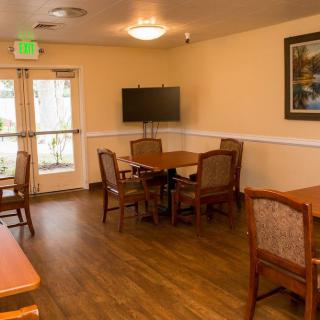
 Dining room
 Fully furnished
 Garden
 Housekeeping services
 Move-in coordination
 Outdoor space
 Private
 Telephone
 Wi-Fi/high-speed internet available
 San Jose International (6 miles away)
 24-hour supervision
 Activities of daily living assistance
 Assistance with bathing
 Assistance with dressing
 Assistance with transfers
 Diabetes diet
 Meal preparation and service
 Medication management
 Special dietary restrictions
 Transportation arrangement (medical)
 Transportation to doctors appointments

 A Detailed Exploration of Assisted Living Medicaid Waivers Across the United States
 Comprehensive Residential Support and Assisted Living Solutions for Individuals with Disabilities
 Comprehensive Supportive Living Arrangements for Adults with Disabilities