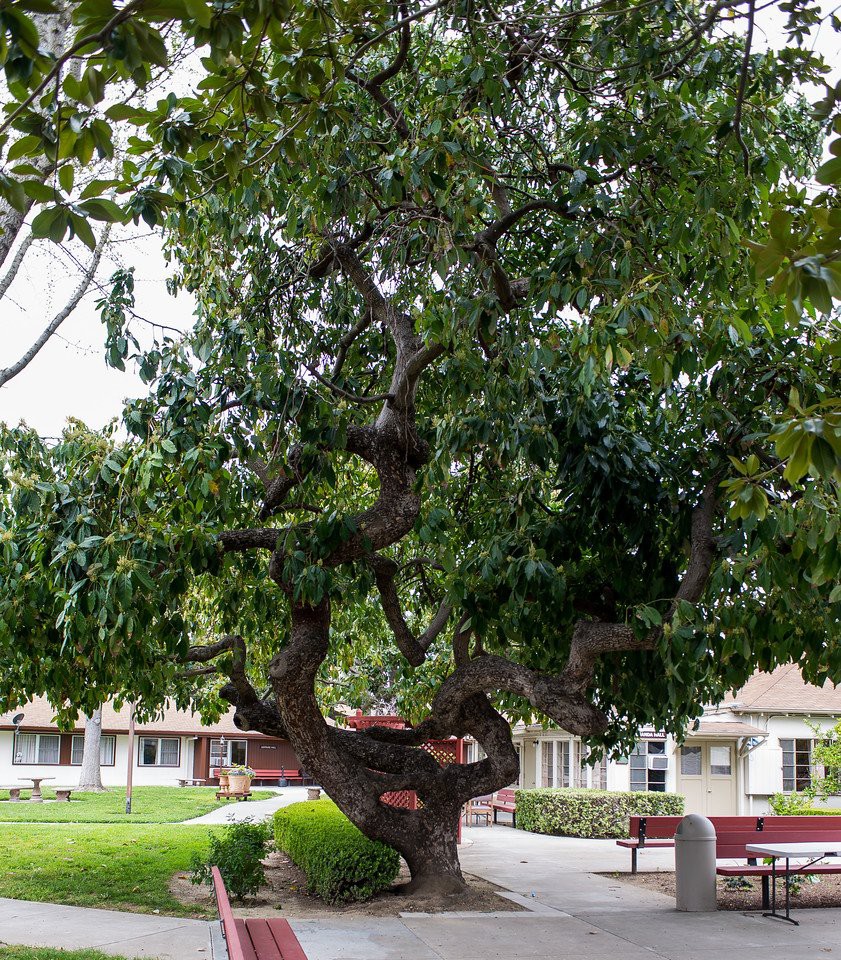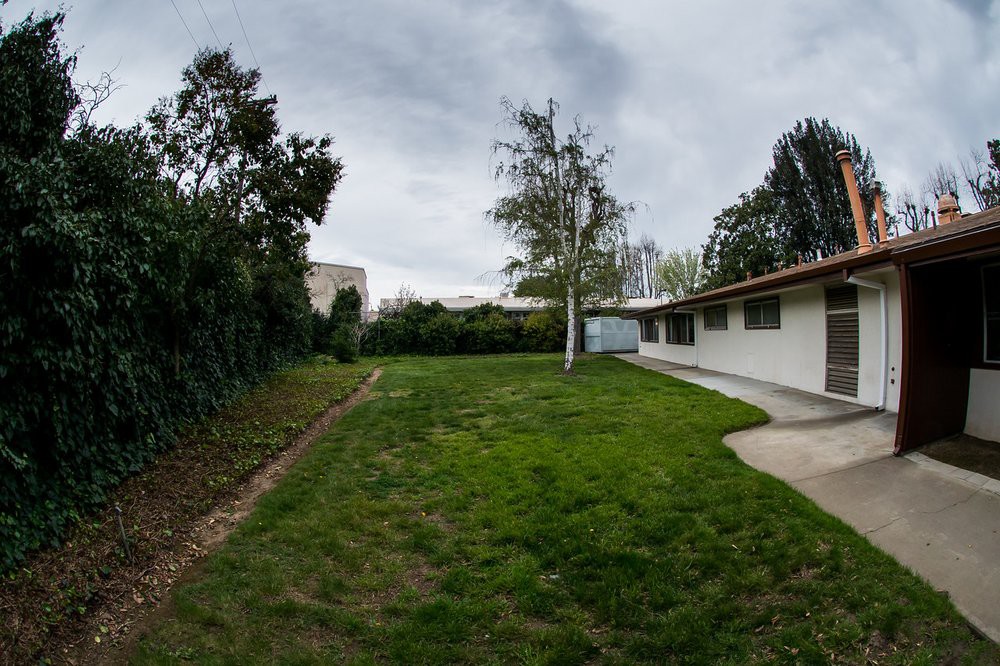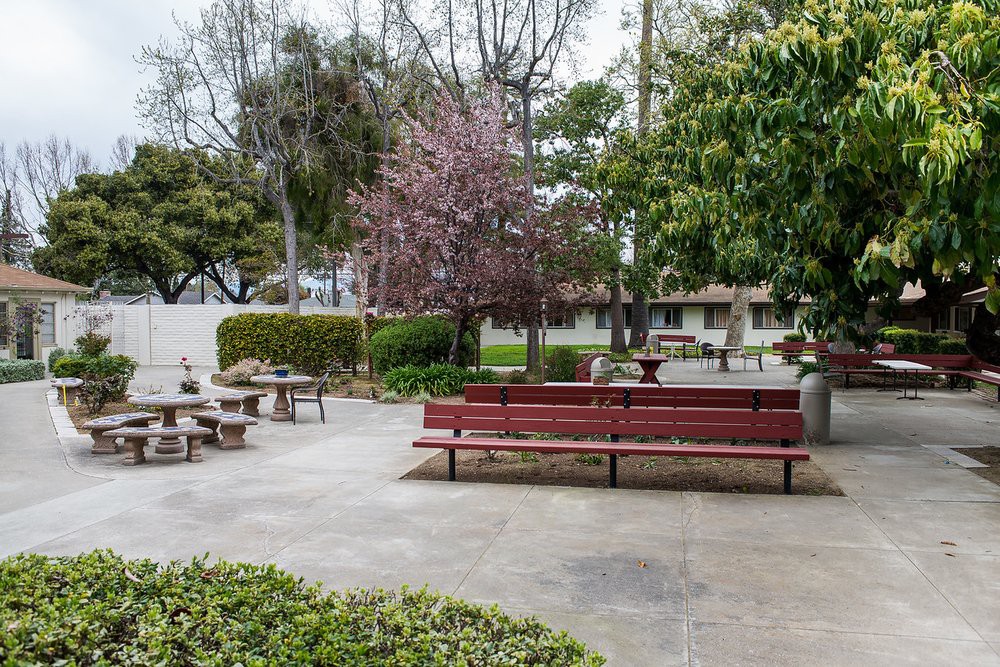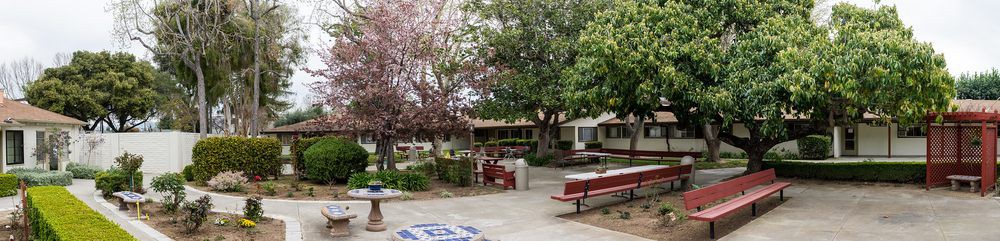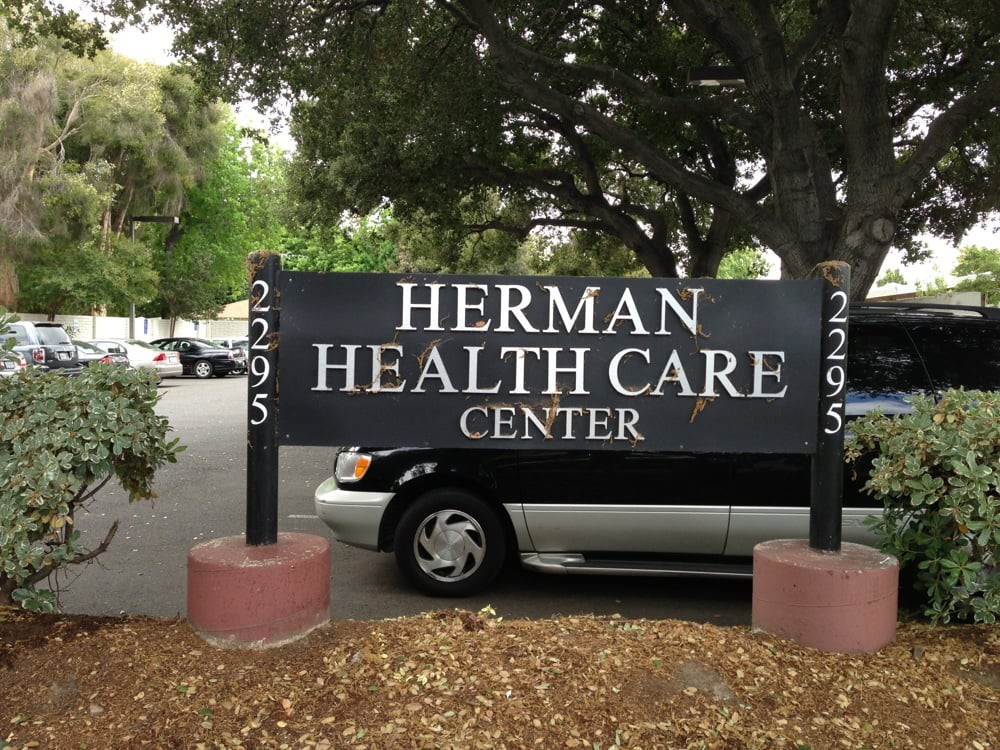
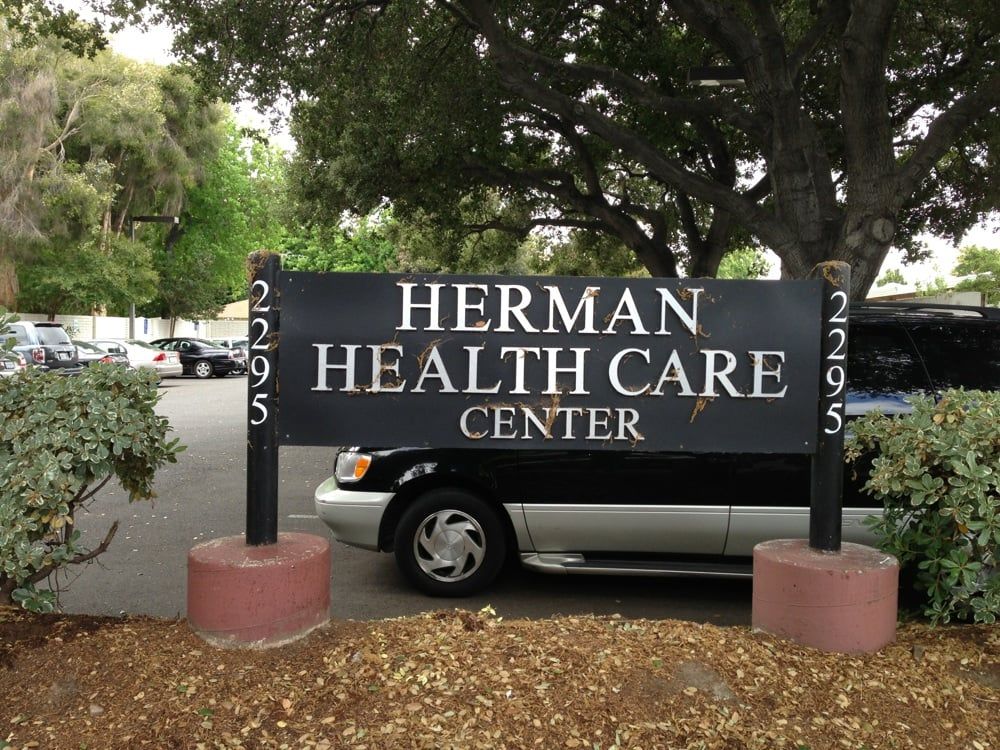
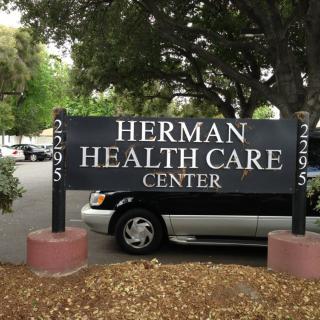

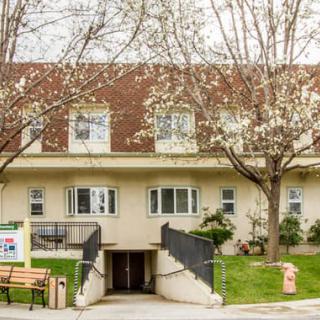
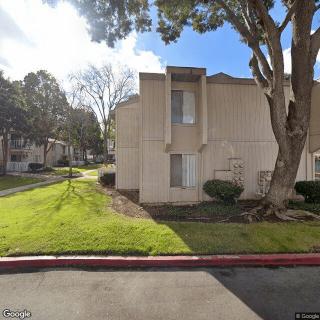
2295 Plummer Avenue, San Jose, CA 95125
For more information about senior living options: (866) 208-4318
Overall Review of Herman Health Care Center
Pros
 The patient stated that the facility is much better than before, loves the staff and the food, and has been getting stronger daily.
- The sister has felt comfortable at this facility for many years, more so than at other places, and the staff appear to treat everyone well.
- Ivanna and the care team are thanked for compassionate, attentive care that keeps residents comfortable.
- The staff are described as hardworking and caring toward all residents.
- The facility has provided long-term, compassionate care for the uncle over two years.
Cons
 Items brought for residents are regularly stolen.
- The staff are suspected of stealing residents' belongings.
- Family members' clothes frequently disappear from residents' rooms.
- The facility is described as horrible for patients or workers.
- Communication is terrible, with voicemails not returned promptly and messages not listened to.
- It is described as the worst place to put a loved one.
Review
Herman Health Care Center in San Jose is best suited for families seeking a care setting that prioritizes hands-on staff attention, steady daily routines, and solid meals. The community appears to work well for residents who are not at the highest medical acuity and who can engage with caregivers enough to maintain basic communication. Families cite warmth from staff, dependable meals, and observable improvements in strength and daily functioning when residents receive regular assistance. For seniors who value relational care and are prepared to stay actively involved to monitor quality, Herman can deliver meaningful benefits. Those prioritizing airtight security, rapid clinical escalation, or consistently flawless communication should consider alternatives rather than assuming this is the right fit.
On the upside, the strongest pull is the care ethic embodied by staff. Families report hard-working aides who treat residents with kindness, and there is a recurring sense that caregivers go the extra mile, especially as residents regain strength and participate in daily activities. Meal quality stands out as a genuine asset, contributing to residents’ overall well-being and mood. End-of-life caregiving is highlighted as compassionate and attentive, with specific references to staff like Ivanna providing practical help and information during difficult times. For residents who respond well to consistent, person-centered care and who can tolerate occasional scheduling tumult, these positives can create a comfortable, almost home-like rhythm.
Yet the negatives are consistently reinforced across multiple reviews and cannot be dismissed. The most disruptive concerns center on personal items: belongings, clothes, shoes, candy, even small gifts, going missing, with both family suspicion and a sense that room security is imperfect. That reality unsettles trust and raises meaningful questions about safeguards, accountability, and the daily environment. Communication is another chronic friction point: voicemail-to-staff handoffs that feel ignored, infrequent follow-ups, and a sense that staff are perpetually tied up in meetings rather than responsive to family inquiries. Such issues undermine confidence in the facility’s ability to coordinate care and coordinate between families and the care team.
These strong positives and substantial risks rub up against one another in meaningful ways. The advantages, staff devotion, decent meals, and tangible improvements in residents’ strength, can offset some concerns when families can maintain active oversight, insist on clear lines of responsibility, and keep expectations tightly aligned with what is feasible on the ground. When families are able to designate a consistent point of contact, obtain direct communication channels, and monitor day-to-day routines, the care experience can feel coherent rather than chaotic. However, the scale and persistence of the cons, especially the item-security risk and the uneven communication, often tilt the balance toward caution, particularly for residents whose finances or cherished possessions must be protected after hours.
For families weighing options, Herman Health Care Center will feel more appropriate for those who prize a caring, individual-focused atmosphere and can tolerate and actively manage the downsides. Those with residents who require stronger clinical oversight, tighter security, more predictable administrative responsiveness, or higher-stakes medical management may want to explore alternatives. Prospective families should consider facilities with verified security protocols, assigned care teams, and robust family communications, ones that can deliver both warmth and accountability in equal measure. If security and transparent, timely communication are non-negotiables, it is prudent to cast a wider net before committing to this community.
The practical decision comes down to how much value is placed on the favorable caregiving climate versus the risk of imperfect security and inconsistent communications. The bottom line is clear: Herman Health Care Center can be a good fit for residents and families who want a human-focused environment with noticeable daily progress and decent meals, provided there is an explicit plan to mitigate item loss and to secure reliable, timely updates. Potential residents should request a clear outline of how belongings are safeguarded, insist on an assigned caregiver or consistent team, and probe whether administrative leadership can offer guaranteed response times. In the end, the family that prioritizes relational care and is prepared to stay actively involved will likely find Herman to be a workable home; the family that cannot tolerate ongoing uncertainties around security and communication should pursue options with stronger operational discipline and stronger guarantees of responsiveness.
 99 resident community capacity
 Skilled Nursing Facility
 Air-conditioning
 Beauty salon
 Cable or satellite TV
 Computer center
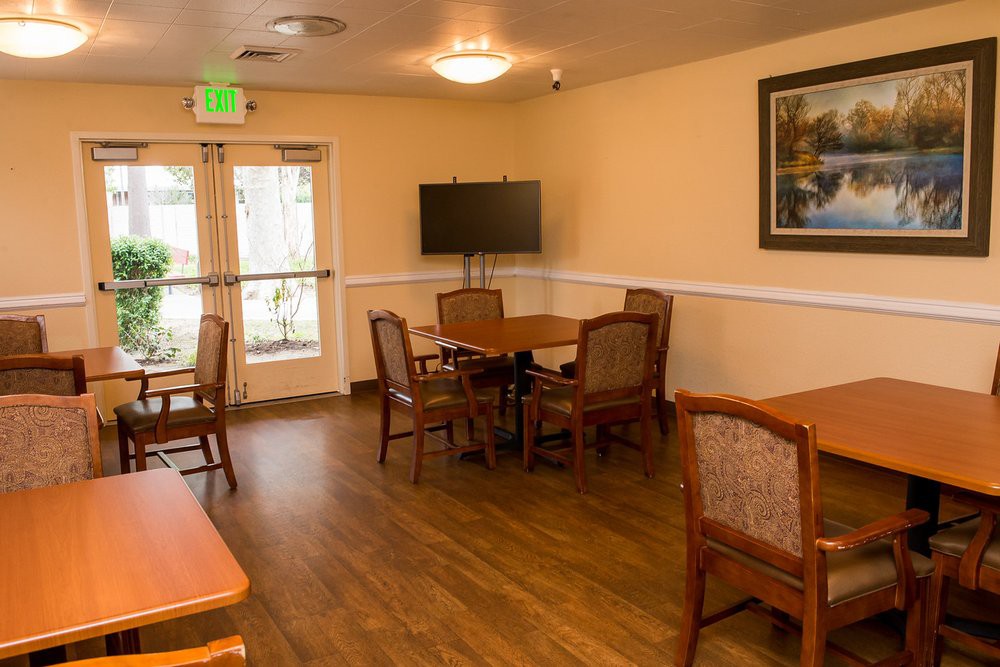
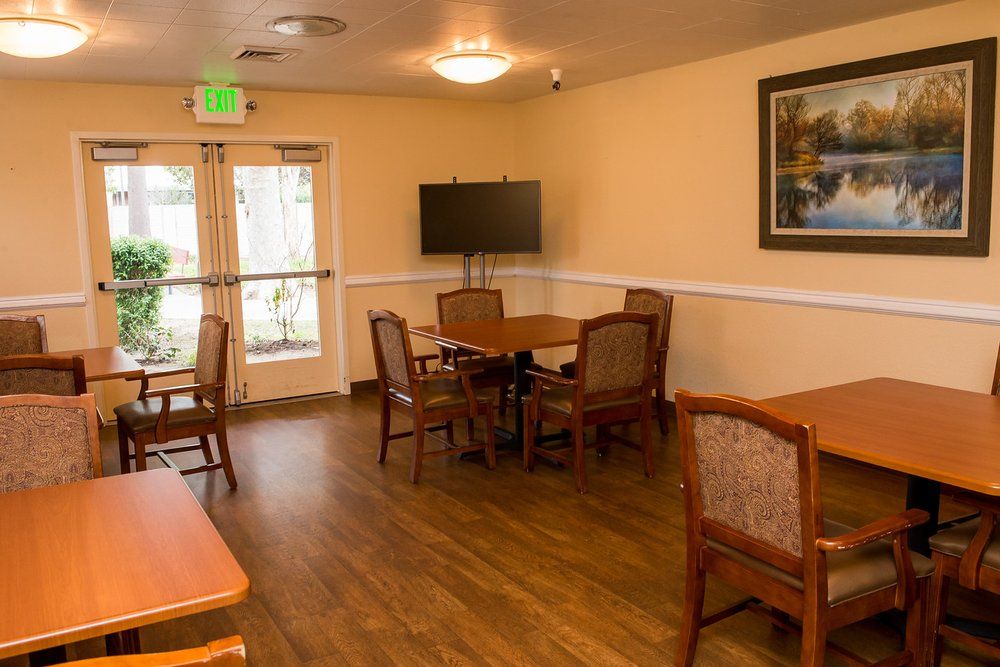
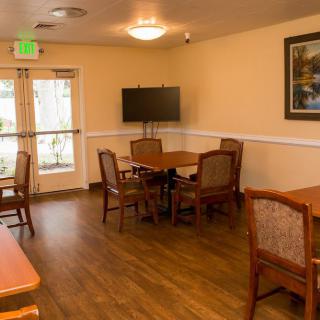
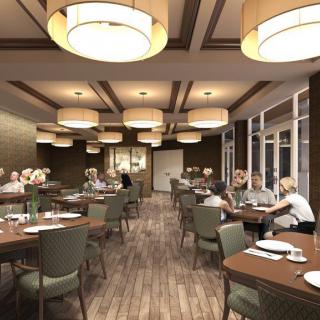
 Dining room
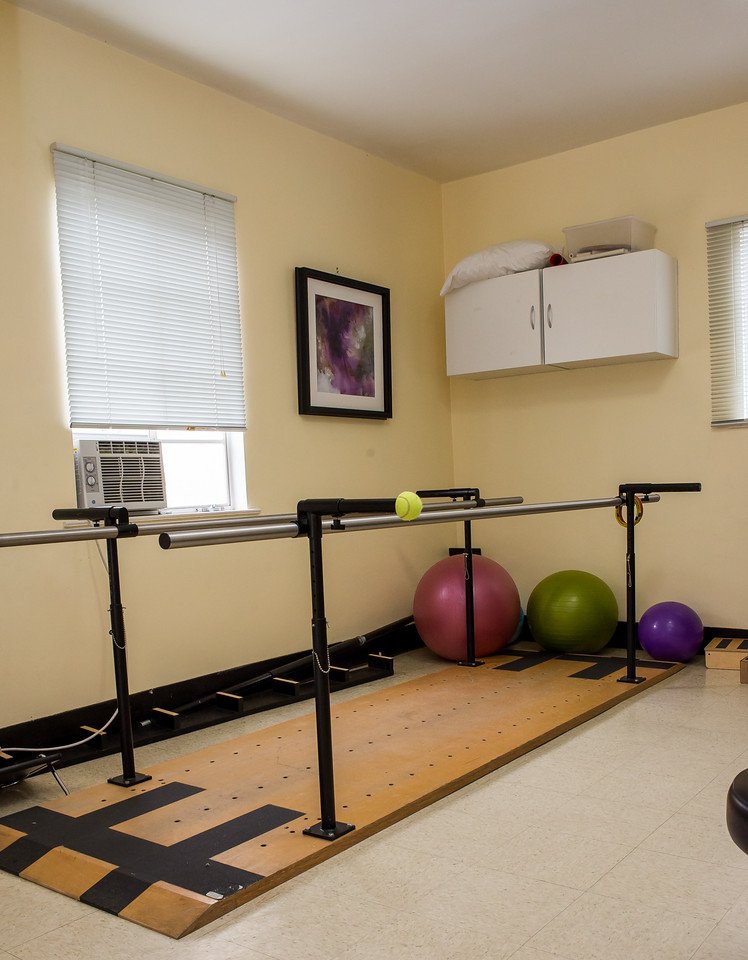
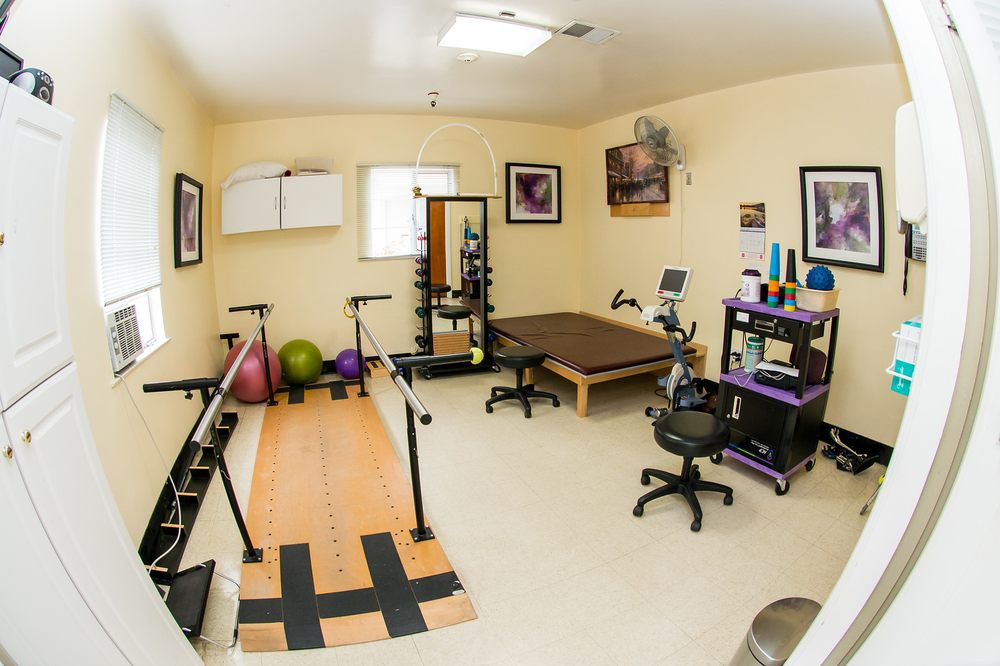
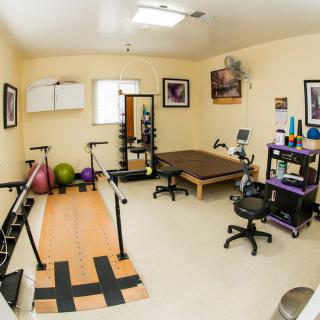
 Fitness room
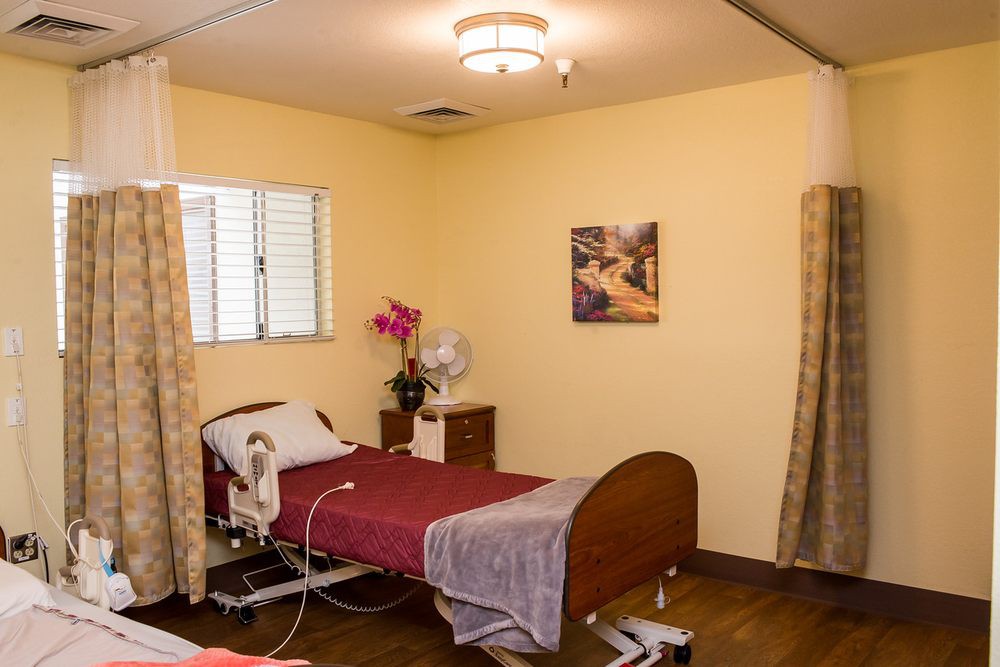
 Fully furnished
 Gaming room
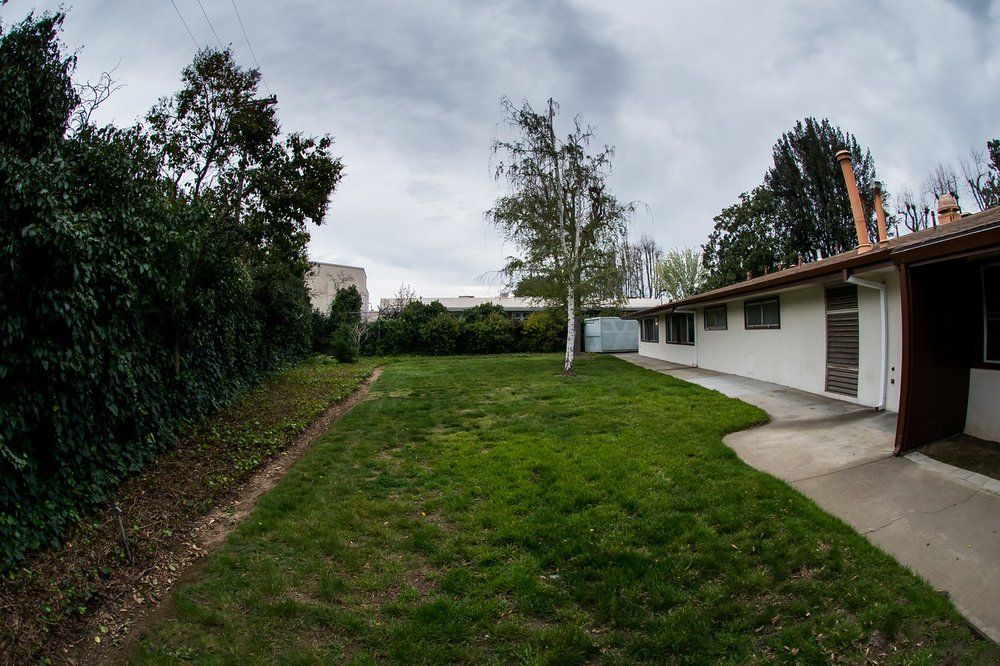
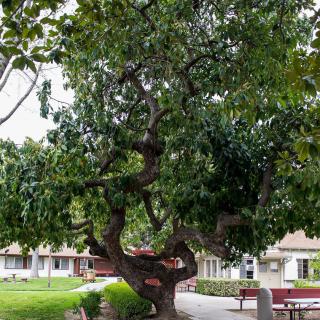
 Garden
 Housekeeping services
 Kitchenette
 Move-in coordination
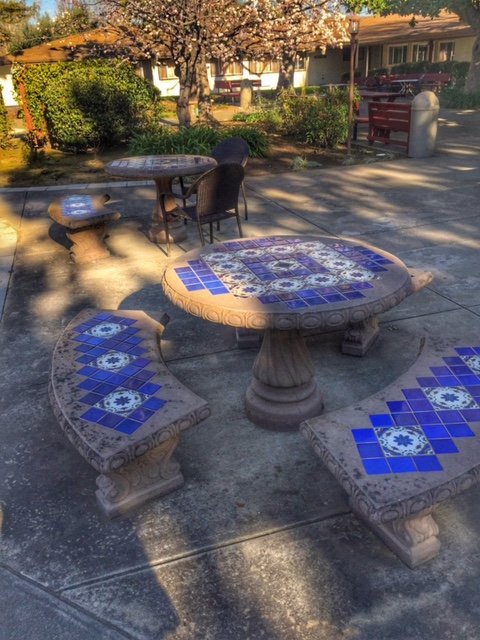
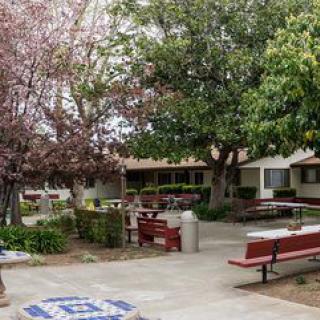
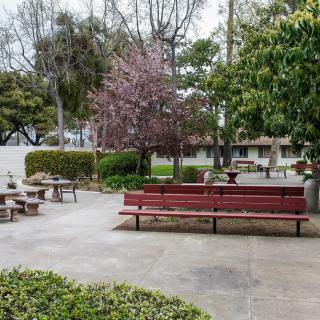
 Outdoor space
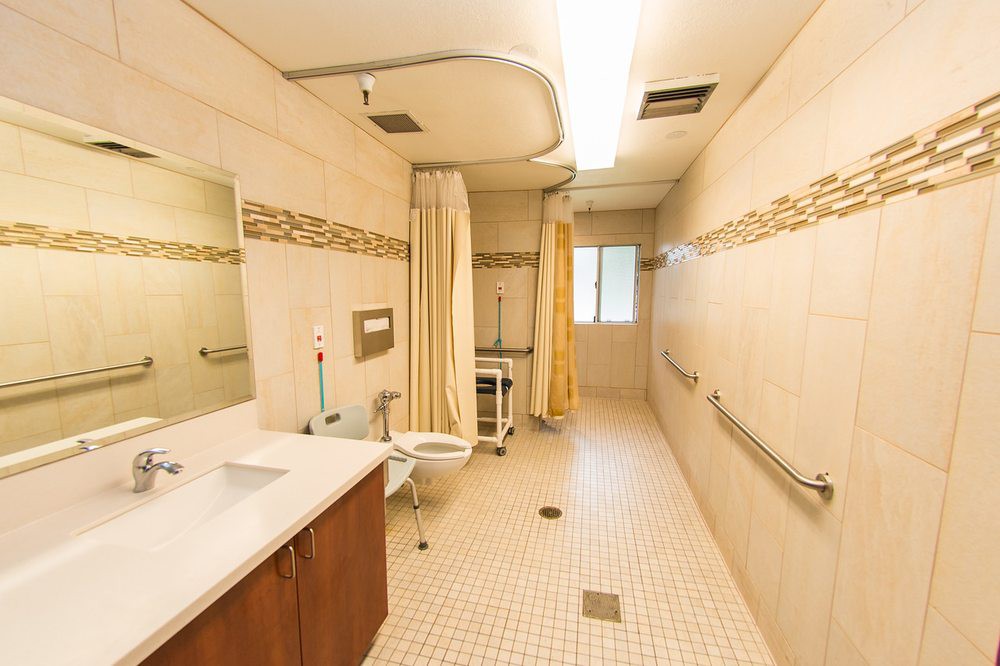
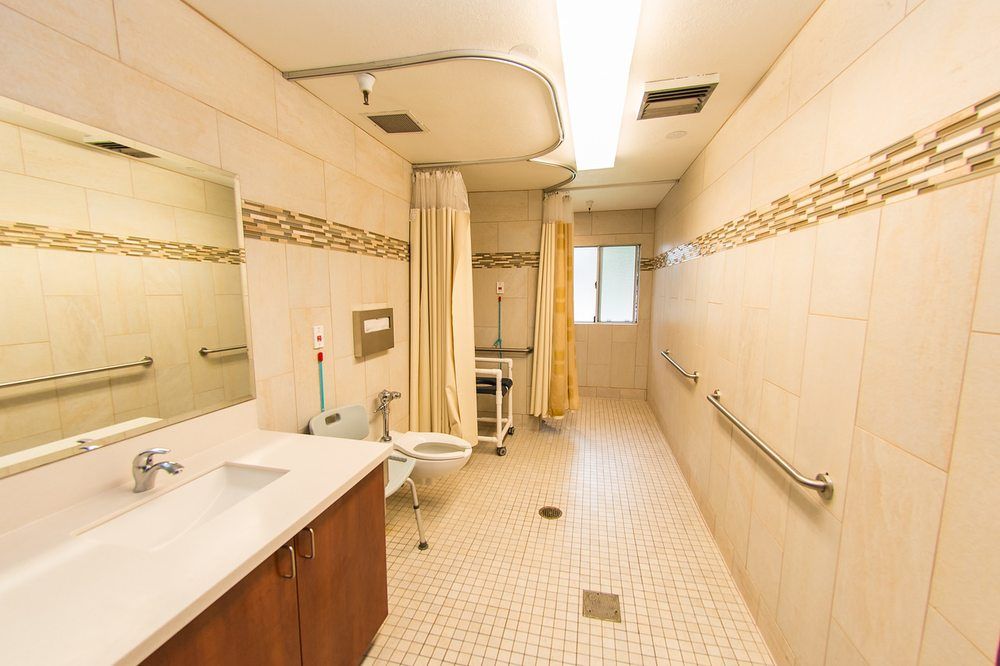
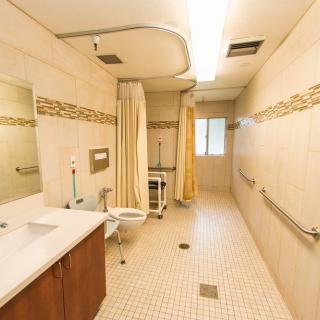
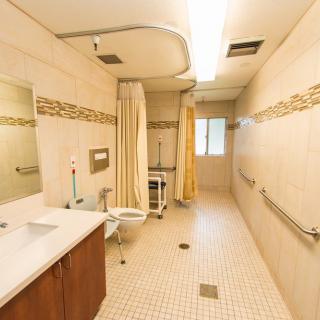
 Private bathrooms
 Restaurant-style dining
 Small library
 Telephone
 Wellness center
 Wi-Fi/high-speed internet available
 San Jose International (6 miles away)
 Community operated transportation
 12-16 hour nursing
 24-hour call system
 Activities of daily living assistance
 Assistance with bathing
 Assistance with dressing
 Assistance with transfers
 Diabetes diet
 Medication management
 Mental wellness program
 Special dietary restrictions
 Concierge services
 Planned day trips

 Managing Nursing Home Expenses After Medicare Coverage Ends
 Is a Geriatric Care Manager the Right Choice for Your Family?
 Compassionate Conversations: How to Comfort Someone Who Is Grieving