
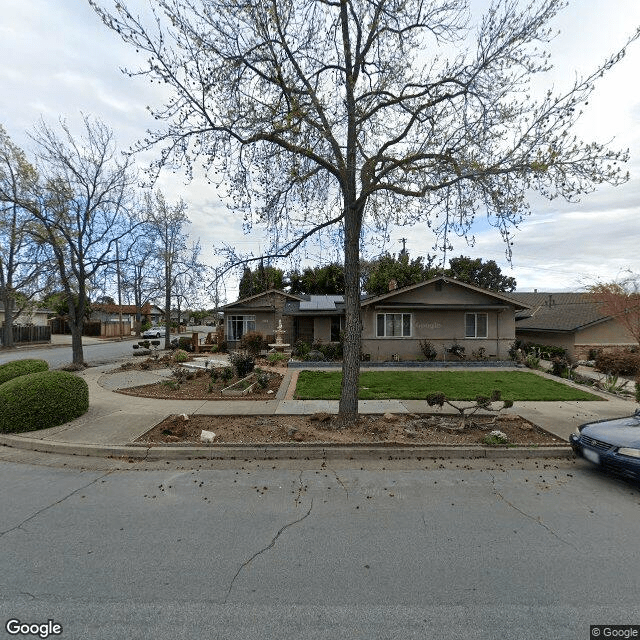
1545 Shaw Dr, San Jose, CA 95118
To contact a resident: (408) 674-7477
For more information about senior living options: (866) 208-4318
A Home at Shaw Costs & Pricing
A Home at Shaw offers a distinctive pricing structure that reflects its commitment to quality care and services. For semi-private accommodations, the monthly cost stands at $5,000, which is notably higher than both Santa Clara County's average of $3,943 and the statewide average of $3,333. Similarly, for private rooms, residents can expect to pay $6,000 per month - again surpassing Santa Clara County's rate of $4,096 and California's overall average of $3,939. While these rates exceed local and state averages, they likely correspond with the enhanced level of support and amenities provided at A Home at Shaw, appealing to those who prioritize exceptional care in a welcoming environment.
| Floor plans | A Home at Shaw | Santa Clara County | California |
|---|---|---|---|
| Semi-Private | $5,000 | $3,943 | $3,333 |
| Private | $6,000 | $4,096 | $3,939 |
Memory care communities with a similar price nearby
-
from -$150 / mo
Alexandria Victoria
$4,850 / month20.6 miles away -
from +$200 / mo
The Mansion
$5,200 to $6,300 / month18.5 miles away -
from -$355 / mo

Loma Clara Senior Living
$4,645 to $6,895 / month17.5 miles away -
from +$395 / mo

Merrill Gardens At Campbell
$5,395 to $9,295 / month3.1 miles away -
from -$400 / mo

The Pavilion
$4,600 / month23.5 miles away
Overall Review of A Home at Shaw
Pros
 The reviewer had a pleasant experience during the tour.
- The staff were on time for the appointment and answered questions in detail.
- The residence is very nice.
- The gardens are bright and pleasant.
- Pia was informative and friendly.
Cons
 They were not impressed with the backyard.
- The bedrooms were a little small for their liking.
Review
A Home at Shaw in San Jose is best suited for seniors who prize dependable, responsive staff and a light-filled, garden-forward setting over expansive floor plans. Families that value clear, honest pricing and tours that answer questions in detail will find this community reassuring. The layout favors practical, easily navigable spaces, which suits residents who do not require oversized bedrooms or sprawling outdoor areas. With roughly $4,500 for a private room and about $3,500 for a semi-private, pricing remains straightforward, making it a practical option for those balancing care needs with budget.
On the ground, the staff performance stands out as a core strength. Tours are punctual, and questions are answered in detail, with a courteous, informative tone that builds trust. Prospective residents repeatedly encounter a pleasant atmosphere, bright interiors, and well-maintained gardens that contribute to a welcoming mood. In several notes, Pia emerges as a particularly knowledgeable and approachable contact, reinforcing confidence that care options and daily routines will be explained clearly. These operational virtues, reliability, accessibility, and a friendly demeanor, help offset the quieter physical footprint of the living spaces.
Yet the most visible drawbacks are real and worth weighing carefully.Bedrooms are described as small, limiting space for personal belongings and daily comfort. The backyard, while not neglected, does not deliver a standout outdoor experience and may disappoint families seeking a more expansive or varied exterior environment. These tangible limits influence day-to-day livability and the sense of homelike freedom that many families expect from assisted living. The physical package here leans toward efficiency and ease of care rather than generous private quarters or outdoor grandeur.
Despite the cons, the positives can be decisive for the right resident. The steadiness and warmth of the staff reduce the stress of transitioning into assisted living, and an informed, approachable liaison, like Pia, can be a major factor in ongoing satisfaction. The bright common spaces and orderly grounds contribute to a positive daily experience, supporting social interaction and caregiver communication. For families prioritizing reliable care coordination, transparent information, and a calm, welcoming ambiance, these strengths can justify the compromises on room size and outdoor space.
Those who should consider alternatives are residents for whom personal space and outdoor scope are non-negotiables. If generous bedrooms and a more expansive exterior are essential, other communities may deliver a more robust physical footprint and a livelier outdoor cadence. The price point remains a meaningful consideration, so households that need more square footage per dollar or a more generous private room should benchmark against peers with larger private or semi-private layouts. In such cases, a wider market comparison is advisable before committing.
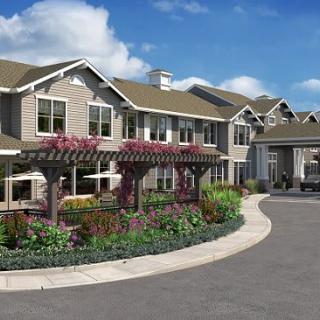
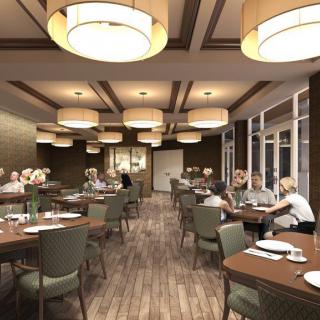
Practical next steps emphasize a focused, decision-centered approach. Schedule a thorough revisit with an emphasis on actual living spaces and floor plans, not only marketing renderings. Request precise room dimensions, and walk the routes to dining rooms, lounges, and outdoor access at different times to gauge noise and flow. Speak with multiple residents about daily routines, staff responsiveness, and any evolving care needs. Obtain a detailed, written services contract with clear line items and any potential add-ons, then compare against 2–3 nearby communities. With this disciplined diligence, the choice will reveal whether A Home at Shaw aligns with priorities for care quality, ambiance, and space, or if a different option better matches the desired balance.
 6 resident community capacity
 Assisted Living
 Board and Care Home
 Memory Care
 Respite Care
 Activities off-site
 Cable or satellite TV
 Dining room
 Fully furnished
 Garden
 Housekeeping services
 Indoor common areas
 Move-in coordination
 Outdoor common areas
 Private
 Telephone
 Wi-Fi/high-speed internet available
 San Jose International (7 miles away)
 24-hour supervision
 Assistance with bathing
 Assistance with dressing
 Assistance with transfers
 Diabetes diet
 High acuity care
 Incontinence care
 Meal preparation and service
 Medication management
 Special dietary restrictions
 Transportation arrangement (medical)
 Transportation to doctors appointments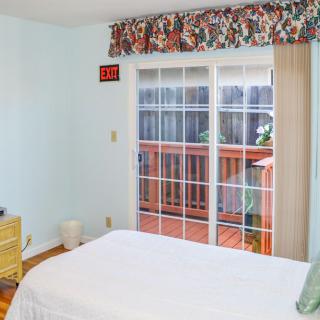

 A Thorough Discussion of Medications Potentially Linked to Dementia Risk
 Why Do Dementia Patients Sleep So Much? Understanding Oversleeping, Stages, and Care Approaches
 8 Key Indicators That Suggest It May Be Time to Transition from Assisted Living to Skilled Nursing Care