
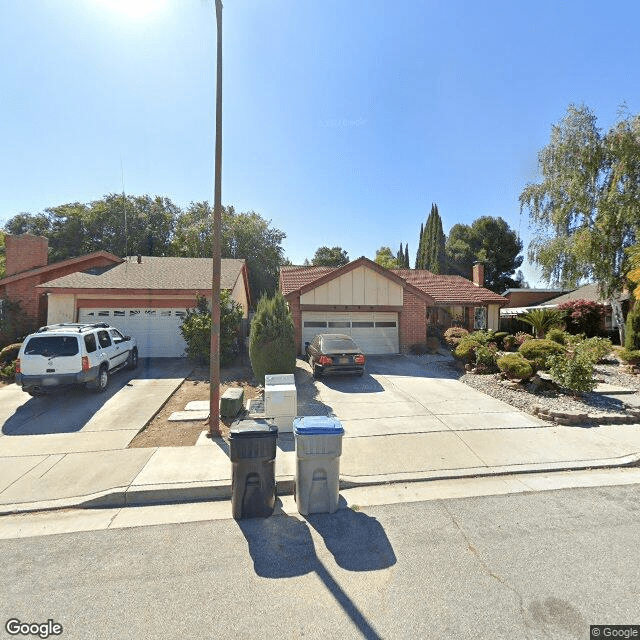
5459 Century Park Way, San Jose, CA 95111
For more information about senior living options: (866) 208-4318
Oak Grove Residential Care Home Costs & Pricing
Oak Grove Residential Care Home offers competitive pricing for its residents, especially when compared to local and state averages. For a semi-private room, the cost is $3,000 per month, which is notably lower than the Santa Clara County average of $3,943 and also under the California state average of $3,333. Similarly, the private room rate at Oak Grove is priced at $4,000 monthly, closely aligning with the county's average of $4,096 while remaining below the state's average of $3,939. These pricing structures position Oak Grove as an appealing option for those seeking quality care without straining their financial resources.
| Floor plans | Oak Grove Residential Care Home | Santa Clara County | California |
|---|---|---|---|
| Semi-Private | $3,000 | $3,943 | $3,333 |
| Private | $4,000 | $4,096 | $3,939 |
Memory care communities with a similar price nearby
-
from +$159 / mo

Moldaw Family Residences a CCRC
$3,159 to $4,381 / month20.2 miles away -
from +$595 / mo
Atria Willow Glen
$3,595 to $6,295 / month6.6 miles away -
from +$578 / mo

Terraces of Los Gatos
$3,578 to $5,382 / month9.1 miles away -
from -$500 / mo
Isherwood Care III
$2,500 to $3,500 / month23.4 miles away -
About the same
Hidden Lane Villa
$3,000 to $4,000 / month17.6 miles away
Overall Review of Oak Grove Residential Care Home
Pros
 The community is highly recommended.
- The staff communicates well with families.
- The caregivers are awesome.
- Meals include fruits and vegetables.
- The facility offers a large private room.
- The director is very caring and personable and lives on site with caregivers.
- The property features a large, flat backyard.
Cons
 The food has started to go downhill.
- There aren’t a lot of activities offered.
Review
Oak Grove Residential Care Home in San Jose is best suited for families seeking a small, home-like setting where care feels personal, hands-on, and consistently available. This community works well for residents who value direct oversight from the owner-family, a straightforward flat-rate pricing approach, and a calm, residential atmosphere over a bustling campus. It is a solid match for someone who prioritizes safety, easy access, and intimate daily interactions with a stable care team, rather than a large calendar of activities or a high-energy social scene.
The strongest selling points are the people and the home environment. The director and her husband live on site, and two caregivers are dedicated to residents, which translates into visible accountability and quick responsiveness. Family communication is consistently strong, a factor that reassures families who want updates and reassurance about daily care. The home itself reads as clean and safe, with a large, accessible bathroom that features a walk-in shower, a spacious private room with a TV, and a layout that accommodates visitors without feeling clinical. Outdoor space matters here, too: a large, flat cemented backyard makes outdoor time predictable and easy, with weekend BBQs that add a social touch without turning the facility into a busy community center.
Other tangible operational strengths help shape a practical, comfortable daily life. The private room configuration and visible attention from leadership create a trustworthy day-to-day rhythm, and the price point is clearly stated at a flat rate of $3,000, which simplifies budgeting for families. The care team’s stability, two caregivers plus the director’s hands-on involvement, helps reduce turnover anxiety and fosters a sense of continuity for residents who thrive with familiar faces. The on-site management and the sense that the home is truly run by people who know every resident contribute to a feeling of security that is hard to replicate in larger facilities.
There are meaningful caveats to weigh. Nutrition and activities are the two areas that demand attention. Early feedback notes meals included fruits and vegetables, signaling an attention to fresh produce, but one reviewer observed that the quality of food has since declined. This kind of fluctuation can be a practical concern for residents with specific dietary preferences or for families seeking consistently varied menus. More prominently, there isn’t a rich slate of structured activities or organized social opportunities. The lack of robust programming can leave residents with fewer opportunities for social interaction or gentle fitness routines, which may be a drawback for families who worry about social isolation or cognitive and physical engagement.
Given these trade-offs, alternatives are worth considering for families whose priorities lean toward a robust activity calendar, more diversified dining, or enhanced programming for memory care and cognitive stimulation. If a high level of daily programming, frequent outings, or specialized services are essential, a larger community with formal activity directors and a more intensive schedule may serve better. Conversely, for seniors who thrive in a quiet, predictable routine and value direct access to care with a manager on site, Oak Grove stands out as a pragmatic, reliable choice worth choosing.
The bottom-line verdict is practical and decisive. Oak Grove Residential Care Home excels for families seeking a small, intimate setting where care is personal, communication is open, and leadership is accessible. Its on-site ownership, stable caregiving team, clean and safe environment, and clear price point create a solid foundation of trust. The main downside, limited activities and some inconsistency in meal quality, can be acceptable or even negligible for residents who prioritize daily reassurance, autonomy, and a homelike atmosphere. For those who want more social programming or a more varied dining experience, consider other options and use Oak Grove as a benchmark for how a family-run home handles oversight, comfort, and straightforward pricing. A final visit during different times of day will reveal whether the quiet routine aligns with the loved one’s needs, but for the right fit, this community delivers practicality, warmth, and dependable care.
 6 resident community capacity
 Assisted Living
 Board and Care Home
 Memory Care
 Respite Care
 Cable or satellite TV
 Dining room
 Fully furnished
 Garden
 Housekeeping services
 Move-in coordination
 Outdoor space
 Private
 Telephone
 Wheelchair accessible showers
 Wi-Fi/high-speed internet available
 San Jose International (10 miles away)
 24-hour supervision
 Activities of daily living assistance
 Ambulatory care
 Assistance with bathing
 Assistance with dressing
 Assistance with transfers
 Diabetes diet
 Diabetic care
 Hospice waiver
 Incontinence care
 Meal preparation and service
 Medication management
 Mental wellness program
 Special dietary restrictions
 Transportation arrangement (medical)
 Transportation to doctors appointments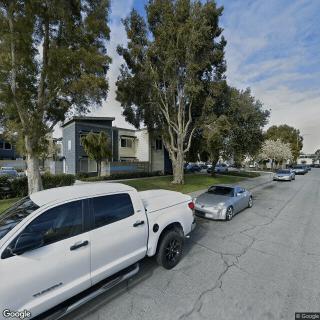

 Are Dementia and Alzheimer's Disease Lethal? A Comprehensive Exploration
 Exploring the Power of Reminiscence Therapy for Individuals With Dementia
 An In-Depth Look at Reminiscence Therapy in Dementia Care