
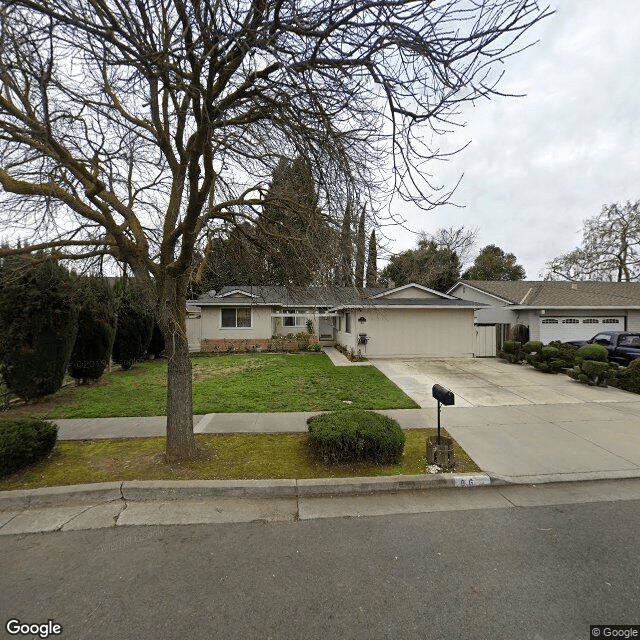
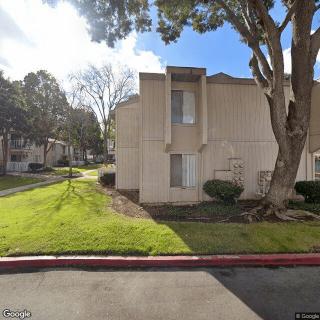
86 Cashew Blossom Dr, San Jose, CA 95123
To contact a resident: (408) 363-1125
For more information about senior living options: (866) 208-4318
Saint Michael RH Costs & Pricing
Saint Michael Rehabilitation and Healthcare (RH) offers competitive pricing for its services, particularly when compared to the broader market in Santa Clara County and across California. The monthly costs for a semi-private room at Saint Michael RH are set at $2,800, which is significantly lower than the county average of $3,943 and also more economical than the state average of $3,333. For those seeking a private room, Saint Michael RH's rate of $3,500 again stands out as favorable against the county's average of $4,096 and the statewide average of $3,939. These pricing structures not only reflect a commitment to affordability but also position Saint Michael RH as an appealing option for individuals and families navigating healthcare costs without compromising on quality.
| Floor plans | Saint Michael RH | Santa Clara County | California |
|---|---|---|---|
| Semi-Private | $2,800 | $3,943 | $3,333 |
| Private | $3,500 | $4,096 | $3,939 |
Memory care communities with a similar price nearby
-
from +$359 / mo
Moldaw Family Residences a CCRC
$3,159 to $4,381 / month19.5 miles away -
from -$300 / mo
Isherwood Care III
$2,500 to $3,500 / month23.0 miles away -
from +$200 / mo
Hidden Lane Villa
$3,000 to $4,000 / month16.7 miles away -
from +$150 / mo
Sunnyside Gardens
$2,950 to $4,450 / month15.3 miles away -
from +$395 / mo
Atria Evergreen Valley
$3,195 to $7,995 / month3.8 miles away
Overall Review of Saint Michael RH
Pros
 The owner and staff are wonderful and very nice people.
- They do everything they can to make their residents comfortable.
- The facility feels like a nice, homey place to be.
- Their communication with families is great.
- The cost is more affordable than other places.
- The staff are very sweet.
Review
Saint Michael RH in San Jose is best suited for families seeking an intimate, home-like assisted living option that can accommodate dementia with a hands-on, resident-centered approach. It works well for loved ones whose daily needs are met by attentive staff in a calm, nonclinical setting, and for families who value open access to caregivers and straightforward, in-person communication. The combination of a warm atmosphere, personal attention, and a cost profile that undercuts many peers makes it a practical fit for budget-conscious households prioritizing steady, relationship-based care over a large campus experience.
Those who should consider alternatives are families confronting more demanding clinical requirements or those who desire a highly structured memory-care program. If the loved one needs extensive medical oversight, frequent skilled rehabilitation, a formal memory-care track, or a broad suite of on-site amenities, this community may feel undersized. Similarly, households seeking a bustling activity calendar, expansive therapeutic services, or a renowned brand with long-established protocols may want to compare other options to ensure all needs are squarely covered.
The strongest positives here include deliberate dementia-friendly care, staff described as wonderful and very kind, and a homey, comfortable environment that reduces stress for residents and families alike. Clear, proactive communication with relatives, along with the freedom to drop in for a visit at any time, significantly lowers caregiver anxiety and supports ongoing oversight. The cost advantage is meaningful, translating into lower monthly financial pressure and greater accessibility. Taken together, these elements form a coherent value proposition: compassionate daily care delivered in a welcoming setting at a more affordable price point.
In practice, these advantages offset the potential gaps associated with a smaller operation. A limited footprint can mean fewer bells and whistles; however, the emphasis on dementia support, consistent staff warmth, and accessible family involvement cushions the impact of not having a sprawling amenity list. Families who prize consistency, personal touch, and straightforward, honest communication will likely feel confident in the daily experience, even as they weigh whether extra services elsewhere could be relevant nurse- or therapy-wise.
Decision-makers should verify a few practical details during tours and conversations. Inquire about staff-to-resident ratios on dementia shifts, the staff's training in memory-care best practices, and the availability of specialized activities tailored to cognitive impairment. Request a concrete care plan exemplifying daily routines, medication management, safety features, and emergency response protocols. Confirm visitation norms, family involvement policies, and the process for addressing concerns should they arise. These checks help ensure the reality aligns with the strong, relationship-based promise suggested by the resident and family feedback.
Overall, Saint Michael RH emerges as a solid, practical choice for families prioritizing warmth, accessibility, and dementia-capable care at a more affordable rate. It is well suited for households seeking a dependable, home-like environment where staff know residents by name, families are welcomed to participate, and communication remains straightforward. If the priority shifts toward a more expansive memory-care program, higher-end amenities, or a larger community footprint, alternatives deserve consideration. A thoughtful visit and targeted questions will crystallize whether this community truly fits the resident’s care trajectory and the family’s logistical and financial realities.
 Board and Care Home
 Memory Care
 Private
 San Jose International (10 miles away)
 High acuity care
 22 Remarkable Caregiver Support Groups Available Online and In-Person
 Understanding Medicaid Coverage for Assisted Living: A Comprehensive Guide
 How and When Medicaid May Cover Assisted Living Costs