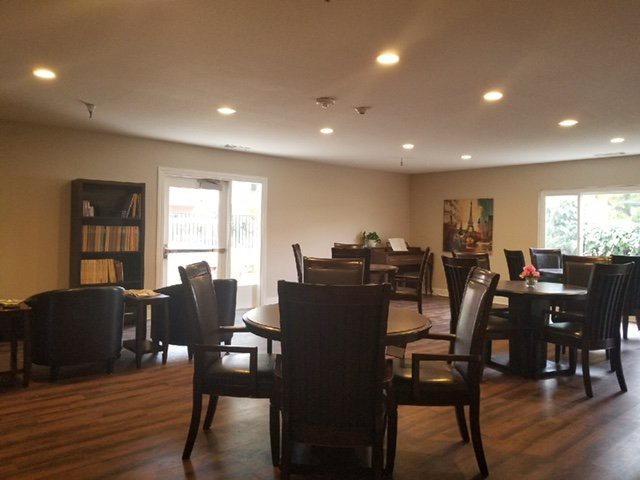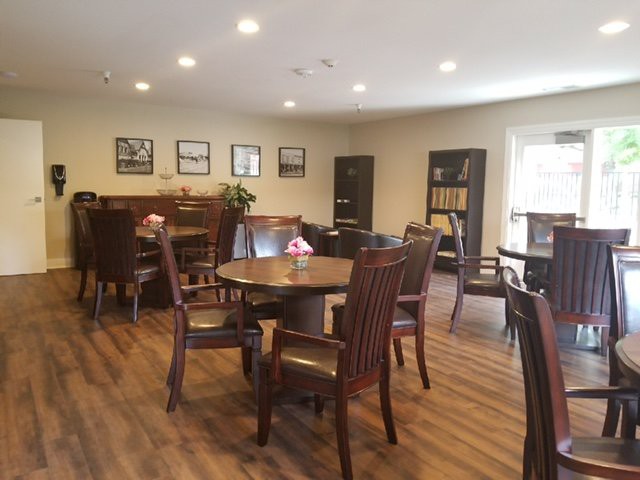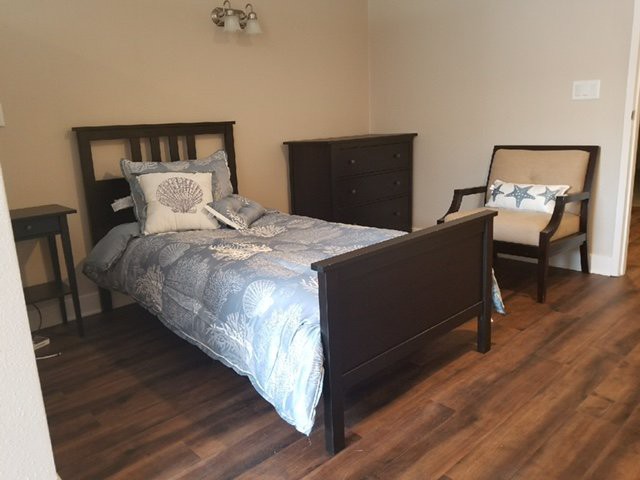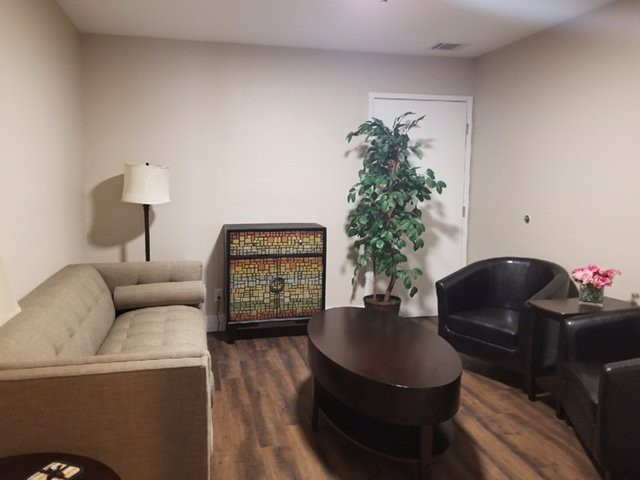
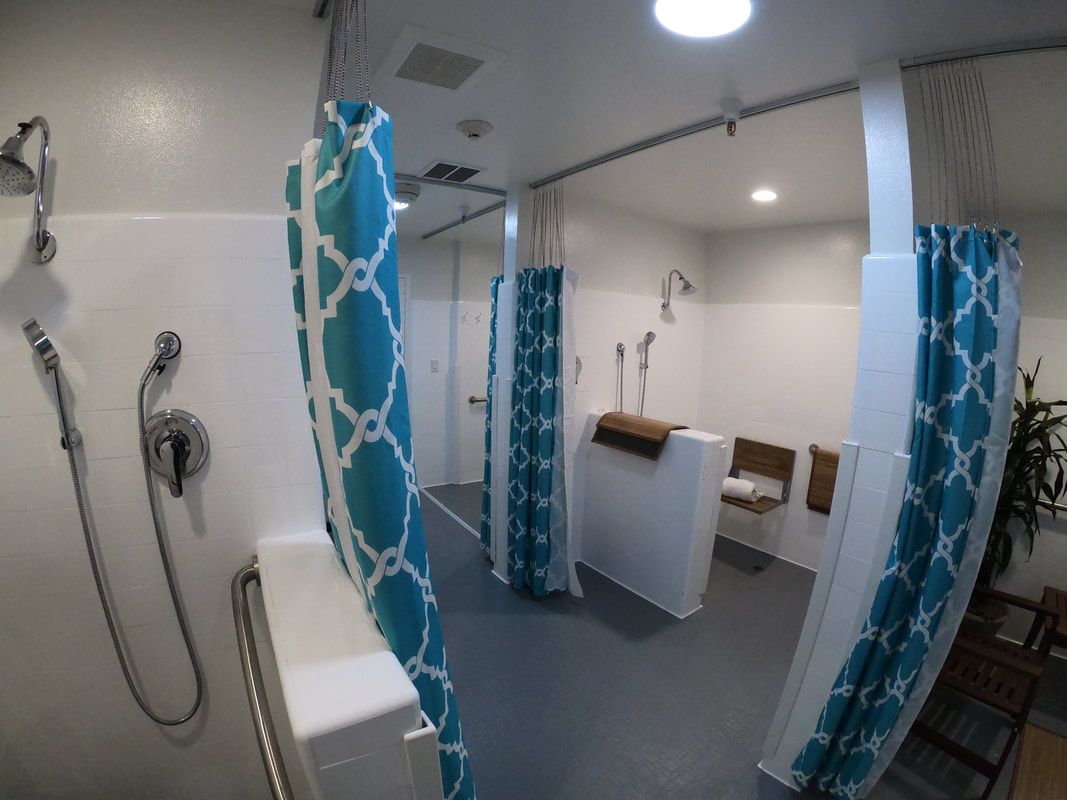
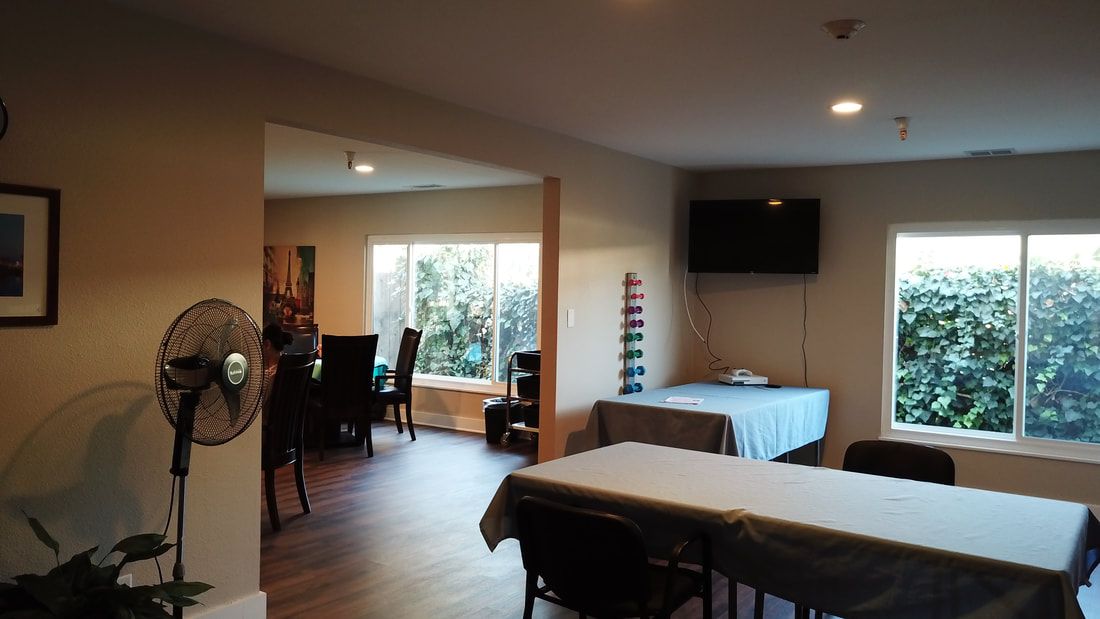
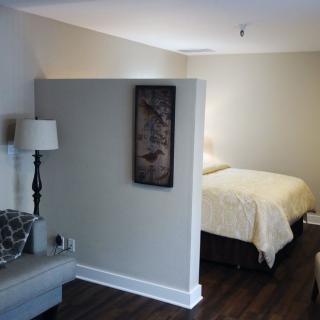

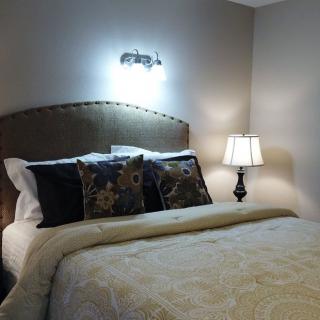
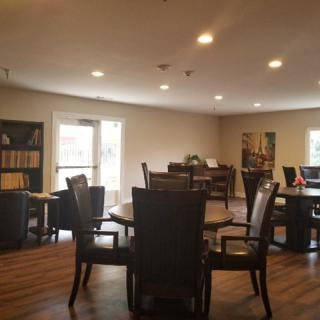
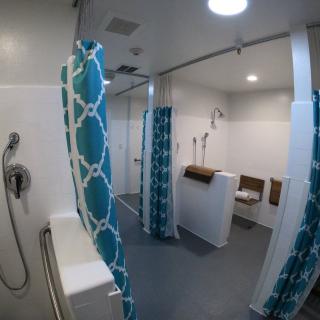
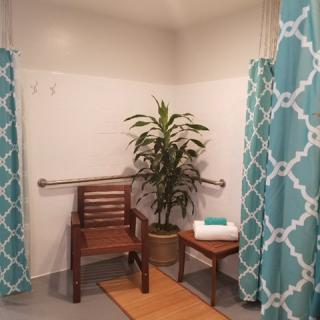
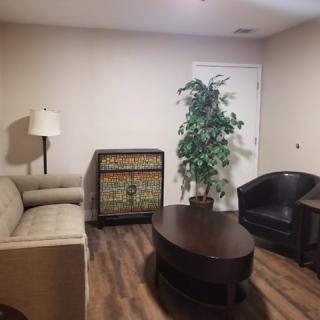
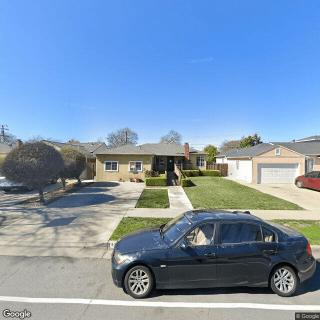
100 Bellerose, San Jose, CA 95128
For more information about senior living options: (866) 208-4318
Overall Review of Bellerose Senior Living
Pros
 The facility is clean, friendly, and provides good service.
- The staff are dedicated and caring.
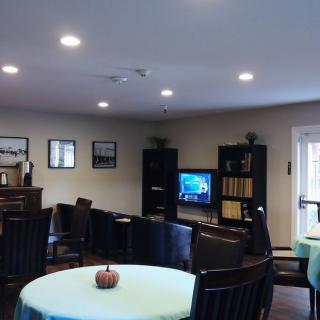
- The environment is peaceful, beautiful, and well-maintained.
- Residents participate in activities and are engaged.
- Meals are appetizing, healthy, and nutritionally balanced.
- The administration and staff welcome families with warmth and professionalism.
- The home is conveniently located, allowing easy visits from neighbors and friends.
- Families view the home as a top option due to the outstanding quality of care.
Cons
 It is morally wrong to increase costs as a client’s health declines.
- The reviewer argues that cost increases are about business and money rather than genuine compassion and care.
Review
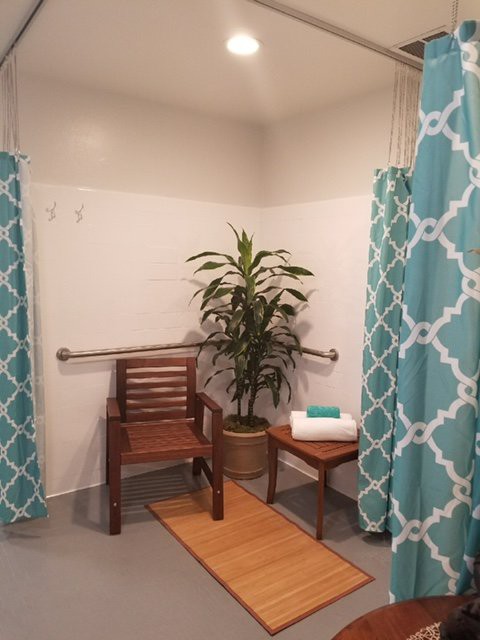
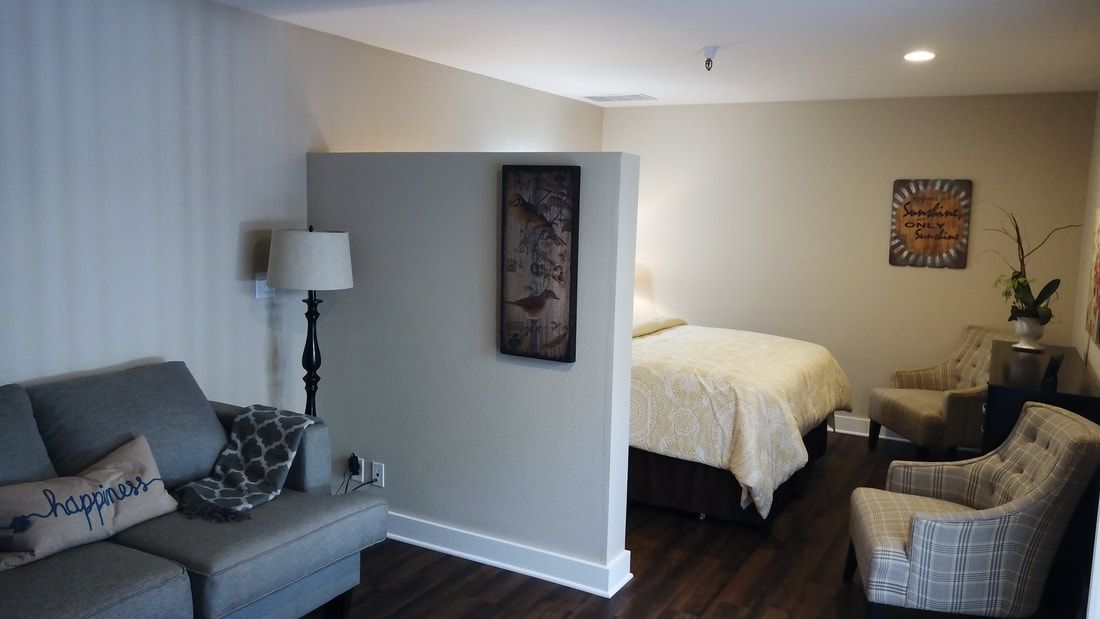
Bellerose Senior Living in San Jose is best suited for seniors who want a warm, home-like environment with attentive staff, robust social programming, and easy family access. It works well for residents who are navigating early to mid-stage memory concerns or mobility limits, where consistent routines and meaningful activities matter more than clinical intensity. The community’s emphasis on cleanliness, a peaceful atmosphere, and neighborly connection makes visits easy and frequent, which is a critical advantage for families seeking to stay closely involved in daily life. For families prioritizing a welcoming setting, visible care, and the comfort of near-home logistics, this is a strong match.
Those who may want to consider alternatives are typically driven by three factors: cost transparency, the need for advanced memory-care features, or a preference for facilities with more intensive skilled-nursing support. At least one caregiver notes discomfort with price escalations tied to a resident’s declining health, arguing that care decisions should remain compassionate rather than profit-driven. For residents requiring secured memory-care units, proven specialist programming, or continuous high-level medical oversight, it pays to compare options that explicitly emphasize memory-unit environments and higher nurse-to-resident ratios. Prospective buyers should be clear on pricing structures and long-term affordability from the outset.
The facility’s strongest advantages lie in its people and its environment. Cleanliness is consistently evident, and the staff receives high marks for friendliness, dedication, and teamwork. Families repeatedly highlight the sense that employees care deeply, interacting with residents in a respectful, personalized way that feels genuine rather than transactional. The leadership is visible and accessible, with administrators who greet visitors, share overviews, and facilitate tours, an openness that translates into trust during the transition. Meals are described as appetizing, nutritionally balanced, and accommodating of dietary restrictions, while programming works to involve residents, which helps maintain social engagement and cognitive activity.
These strengths dovetail with practical benefits that can offset the main concern about cost. The proximity to family homes makes visitation straightforward, reducing the burden on caregivers and enabling more consistent participation in daily routines and events. A peaceful, well-maintained setting paired with a harmonious team approach creates a predictable schedule and reliable communication, factors that often reduce caregiver stress and improve resident mood. When residents become more communicative and responsive after admission, as observed by visiting families, it reinforces the perception that the environment supports quality of life and ongoing engagement, which can be a meaningful counterbalance to rising costs.
However, the cost conversation deserves careful consideration. The notion that charges could rise as a resident’s health declines is a real concern for families budgeting for the long term. Prospective residents should demand a transparent, written outline of what is included in base fees, what triggers increases, and what level of care would prompt re-evaluation of costs. It’s also prudent to confirm the facility’s capacity for evolving medical needs, including the availability of on-site clinicians, nursing support, and access to partnerships with outside medical providers. In short, the decision hinges on whether the perceived value, staff excellence, daily structure, social vitality, and peace of mind, meets the financial plan over the coming years.
In the end, Bellerose Senior Living stands out for warmth, attentiveness, and a practical, resident-centered approach that tends to produce tangible daily benefits for seniors and their families. It is especially compelling for those early-stage memory challenges who prize a clean, inviting environment and active engagement, coupled with easy family involvement. The primary caveat concerns long-term cost predictability and the degree of medical intensity required as health needs evolve. For families leaning toward predictable pricing with strong personal touch, or for those who want a well-run, community-focused setting near home, this option deserves serious consideration. If, instead, the priority is advanced, highly specialized memory care with secured units and demonstrably strict cost controls, exploring alternatives tailored to long-term, high-acuity needs is advisable. Plan a tour, request a detailed pricing breakdown, and probe how care plans shift as needs change to ensure alignment with expectations and budget.
 26 resident community capacity
 Studio apartments
 Assisted Living
 Memory Care
 Activities on-site
 Beauty salon
 Cable or satellite TV
 Devotional services off-site
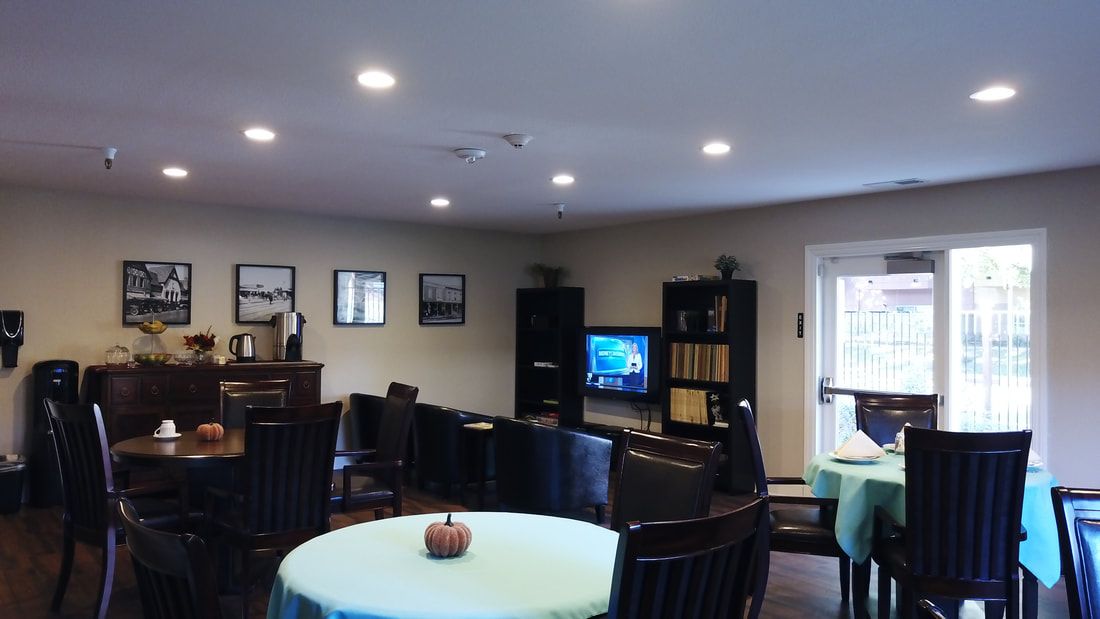
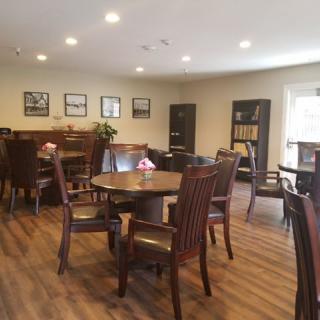
 Dining room
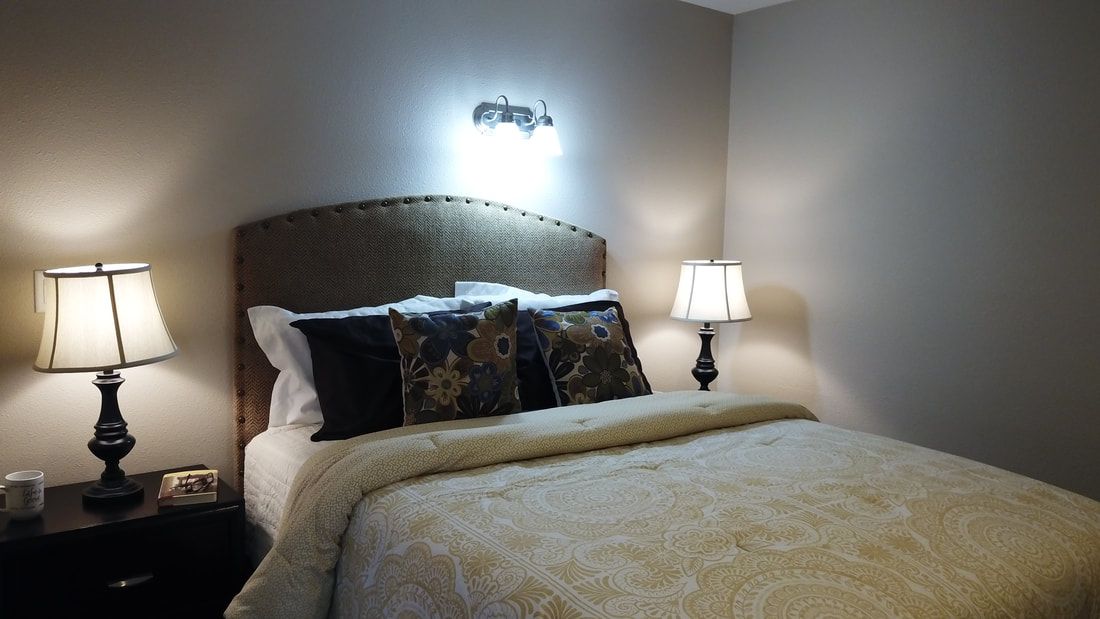
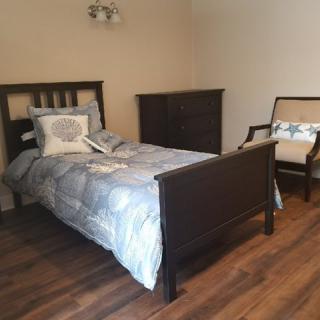
 Fully furnished
 Garden
 Housekeeping services
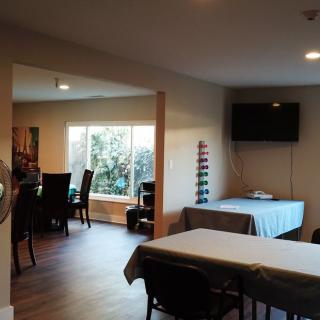
 Indoor common areas
 Kitchenette
 Move-in coordination
 Outdoor space
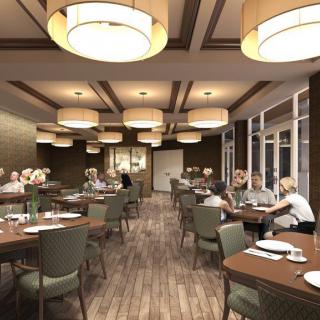
 Restaurant-style dining
 Small library
 Telephone
 Wi-Fi/high-speed internet available
 San Jose International (2 miles away)
 Transportation & parking
 24-hour call system
 Ambulatory care
 Assistance with bathing
 Assistance with dressing
 Assistance with transfers
 Diabetes diet
 Diabetic care
 Medication management
 Mental wellness program
 Special dietary restrictions
 English



 Choosing the Right Senior Care: A Detailed Exploration of Assisted Living and Nursing Homes
 Safeguarding Your Memory Through the Golden Years: Eight Ways to Preserve Cognitive Health
 Comprehensive Insights into Activities of Daily Living (ADLs) and Their Assessment