
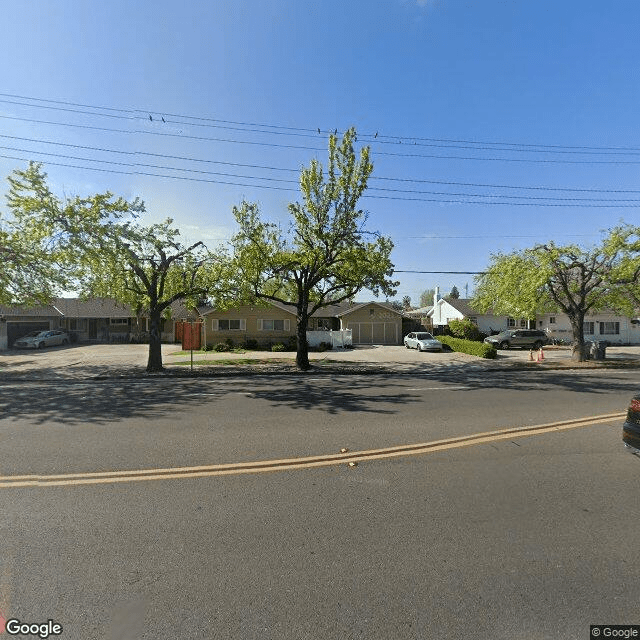
2770 Moorpark Ave, San Jose, CA 95128
To contact a resident: (408) 483-2433
For more information about senior living options: (866) 208-4318
Kimberly's Elder Kare Costs & Pricing
Kimberly's Elder Kare offers competitive pricing for its services compared to the broader market in Santa Clara County and California. For a studio room, residents at Kimberly's pay $3,500 per month, significantly lower than the county average of $5,155 and even more affordable than the state average of $4,145. This makes it an attractive option for those seeking quality care without overspending. In contrast, the private room rate at Kimberly's is set at $5,000, which is higher than both Santa Clara County's average of $4,096 and California's overall average of $3,939. This pricing strategy suggests that while Kimberly's positions itself as an affordable choice for studios, it may reflect unique offerings or amenities in its private accommodations that justify the higher cost. Overall, Kimberly's Elder Kare presents a valuable choice for families considering elder care options in the region.
| Floor plans | Kimberly's Elder Kare | Santa Clara County | California |
|---|---|---|---|
| Studio | $3,500 | $5,155 | $4,145 |
| Private | $5,000 | $4,096 | $3,939 |
Memory care communities with a similar price nearby
-
from -$341 / mo
Moldaw Family Residences a CCRC
$3,159 to $4,381 / month11.5 miles away -
About the same

Atria Willow Glen
$3,595 to $6,295 / month2.5 miles away -
from +$195 / mo
Fremont Hills
$3,695 to $4,650 / month19.0 miles away -
About the same
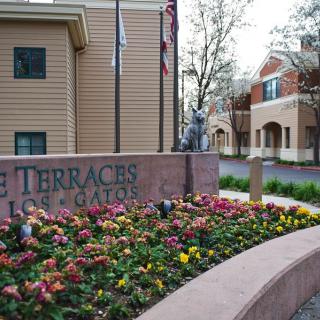
Terraces of Los Gatos
$3,578 to $5,382 / month5.7 miles away -
from +$395 / mo

Atria Sunnyvale
$3,895 to $12,195 / month5.7 miles away
Overall Review of Kimberly's Elder Kare
Pros
 The entire staff at Kimberly’s Elder Kare took great care of the resident, and she was very happy there.
- The atmosphere at Kimberly’s is warm, inclusive, and welcoming.
- The family was always welcome to visit, and every request was met with respect and a willingness to provide comfort and care.
- Annabelle kept families updated about the resident’s health and suggested quality healthcare.
- The care from day one was great for both parents, and seven years later the experience remained successful.
- The care staff are attentive, responsive, and professional; they prepare homemade meals and accommodate personal requests.
- The business side provides timely communication, consistent administration, and professional service; there is a strong sense of ownership and responsibility toward residents and families.
- The reviewer wholeheartedly recommends the facility to anyone needing elder care.
- The owner and care staff are very caring and wonderful to work with.
- The caregivers were very good to the resident with advanced dementia.
- The owners followed state regulations and policies; interactions with owners and caregivers have been professional and responsive.
- A board and care home is the way to go for a homey feel and intimate caregiving.
- The tour showed a nicely kept house, with a brand-new wheelchair-accessible bathroom, bright rooms, and friendly, caring staff.
Cons
 The owners are horrible liars and can't be trusted.
- The funds have gone missing.
- Patrick ignored an attorney's request for a fake POA to be turned over.
- Patrick refused to provide funds owed to the spouse of the decedent and conspired with a fake POA to divert funds away from the spouse.
- The reviewer believed the facility was too mental and physically handicapped for their mom.
- Patrick publicized false allegations, creating grounds for a potential defamation lawsuit.
Review
Kimberly's Elder Kare in San Jose is best suited for families seeking a small, home-like board-and-care setting where an elderly loved one can receive highly personalized attention. It excels for residents who need steady supervision and a caregiving team that knows routines, preferences, and medical cues. The community particularly suits stroke survivors and people living with dementia who respond well to a warm atmosphere, home-cooked meals, and regular family involvement. The intimate layout supports easy access to staff and clear, frequent communication, delivering tangible reassurance for families that want hands-on oversight without a distant institutional feel.
Alternatives become worth considering for loved ones who require more structured medical oversight, longer hours of skilled nursing, or a campus with broader clinical programming. The reviews include cautions about governance and questions of trust with some owners, signaling that leadership transparency matters to families. If a higher level of formal governance, corporate processes, or lower resident-to-staff ratios achieved by larger facilities is a priority, exploring other options may be prudent. Also, the reported price point and space limitations for extensive medical programming are practical constraints to weigh against budget and care goals.
On the upside, the strongest strengths are in caregiving quality and family communication. Staff are described as attentive, responsive, and professional, with a genuine willingness to accommodate personal meals and preferences. The atmosphere is consistently portrayed as warm and welcoming, and administrators like Annabelle are singled out for keeping families informed about health developments. This combination of hands-on care and transparent updates can mitigate concerns about a smaller setting, especially for families who value daily interactions, personalized attention, and a sense that the home environment enhances well-being.
Yet the main concerns in the reviews demand careful due diligence. A subset of commenters voices distrust toward the owners or questions governance practices, suggesting that leadership integrity matters when choosing a long-term care partner. There are mentions of financial or POA-related disputes, underscoring the need for clear, documented agreements and uncompromising transparency. Practically, prospective families should request detailed care plans, verify licensing and inspection histories, and speak with multiple residents or families to triangulate consistency. Tours should include candid conversations with both caregiving staff and owners to assess alignment on priorities, finances, and expectations.
From a decision standpoint, the home’s advantages clearly serve those who want intimate, hands-on care and a high degree of family engagement. The ability to tailor meals, respond quickly to requests, and sustain a warm, inclusive milieu is a meaningful offset to the trade-off of a smaller, board-and-care structure. However, the price point and governance questions are meaningful factors that cannot be ignored. If cost or leadership transparency remains a concern after visits, it makes sense to compare with other options that offer more explicit oversight or more scalable programming.
Bottom line: Kimberly's Elder Kare can be an excellent fit for families seeking a sincere, home-like care experience with dedicated staff and active family involvement, particularly for seniors needing ongoing daily support and cognitively friendly routines. It is less ideal for those who require robust clinical oversight, expansive programming, or ironclad governance assurances. The best next steps are structured tours, requests for current health updates and care plans, verification of licensing, and conversations with several residents or family members to gauge consistency. With careful due diligence, the decision can align with the loved one’s values, health needs, and financial reality, leveraging the evident warmth and commitment while guarding against governance-driven uncertainties.
 Board and Care Home
 Memory Care
 Cats allowed
 Dogs allowed
 Activities on-site
 Bath tubs
 Beautician on-site
 Devotional services on-site
 Indoor common areas
 Outdoor common areas
 Private
 Private bathrooms
 Wheelchair accessible showers
 San Jose International (3 miles away)
 Diabetic care
 Medication management
 Meals provided
 BBQs or picnics
 Birthday parties
 Forever fit
 Karaoke
 Live dance or theater performances
 Live musical performances
 Stretching classes
 Trivia games
 Wii bowling





 Are Dementia and Alzheimer's Disease Lethal? A Comprehensive Exploration
 Exploring the Power of Reminiscence Therapy for Individuals With Dementia
 An In-Depth Look at Reminiscence Therapy in Dementia Care