
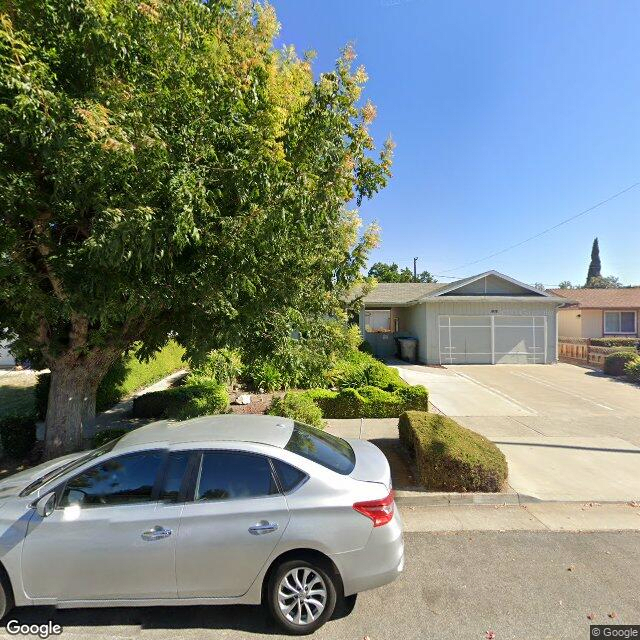
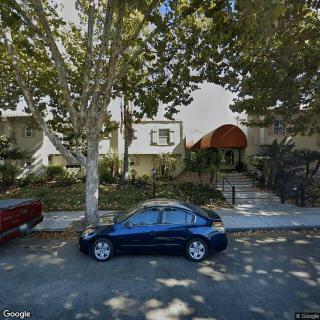
1474 Pompey Dr, San Jose, CA 95128
To contact a resident: (408) 483-2433
For more information about senior living options: (866) 208-4318
2 All About Senior Elder Care Costs & Pricing
At 2 All About Senior Elder Care, the monthly cost for a private room is set at $3,900. This pricing is notably competitive when compared to the average costs in Santa Clara County, which stands at $4,096 per month, as well as the broader state average of $3,939. By offering a lower rate than both the county and state averages, 2 All About Senior Elder Care provides an attractive option for families seeking quality elder care without compromising on financial stability. This affordability may allow families to allocate resources toward additional services or amenities that enhance their loved ones' comfort and well-being.
| Floor plans | 2 All About Senior Elder Care | Santa Clara County | California |
|---|---|---|---|
| Private | $3,900 | $4,096 | $3,939 |
Senior living communities with a similar price nearby
-
About the same
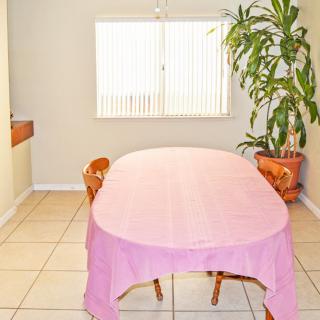
Grace Garden
$4,000 to $5,000 / month8.0 miles away -
from -$475 / mo
Caring Hands Home Health Agency, LLC
$3,425 to $5,870 / month9.8 miles away -
from -$300 / mo
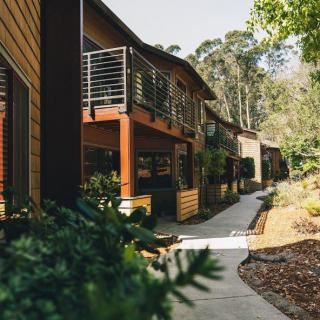
Dominican Oaks
$3,600 to $4,050 / month21.2 miles away -
from +$745 / mo

Loma Clara Senior Living
$4,645 to $6,895 / month20.8 miles away -
from -$741 / mo
Moldaw Family Residences a CCRC
$3,159 to $4,381 / month12.3 miles away
Overall Review of 2 All About Senior Elder Care
Pros
 All About Senior Care provides comfort and a sense of peace during difficult times.
- The staff and owners at All About Senior Care are amazing.
- All About Senior Care delivered the best care she had received during her 16-month battle with Alzheimer's.
- All About Senior Care provided a high quality of life in her last weeks.
- The staff-to-patient ratio is well balanced, ensuring care tailored to each individual's needs.
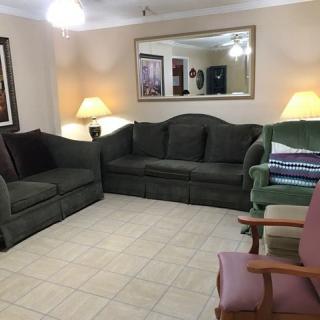
- The environment at All About Senior Care feels like a home, with evident love and compassion from the staff.
- Families would highly recommend All About Senior Care to others in need of these services.
Review
This community is best suited for families seeking a small, home-like memory care environment where compassionate, individualized attention is the primary currency. It shines for loved ones facing Alzheimer's or other forms of dementia, where stability, warmth, and a palpable sense of care outweigh a clinical, hospital-like setting. The setting appears to prioritize emotional comfort and continuous human connection, with caregivers who are attuned to the nuances of memory impairment and end-of-life moments. For families who value a non-institutional atmosphere, familiar routines, and a staff presence that feels truly caring, this is the right fit.
Those who may want to consider alternatives are families with higher needs for medical acuity, expansive activity calendars, or a large, hospital-style campus. If the care recipient requires frequent on-site specialists, intensive rehabilitative services, or a wide array of structured programs and amenities, larger communities with broader clinical resources may serve better. Similarly, if independence and extensive social programming across a broad campus are priorities, a more expansive option could be preferable. In short, this home-like environment excels on intimate care and relational warmth, but may not align with every level of medical or social programming.
The strongest pros are concrete and highly impactful. The staff-to-patient ratio is described as well balanced, enabling consistent, personalized attention that can be dialed in to each resident’s shifting needs. The caregivers’ demeanor and dedication, paired with direct involvement from the owners, create a trust-forward dynamic that translates into real peace of mind for families during undeniably stressful times. Importantly, the setting feels less like a facility and more like a residence where staff genuinely convey love and compassion, a factor that can dramatically affect quality of life for someone with memory impairment or in the final chapters of life.
Those advantages offset several natural drawbacks that accompany small, intimate campuses. The intimate setting can limit the breadth of on-site services and formal programming found at larger communities, but the close-knit staff relationships and continuity of care often compensate by delivering superior day-to-day attentiveness and quicker, more confident responses to changing conditions. In practice, the emotional and relational gains, comfort, familiarity, and a steady hand during transitions, tave the edge over potential gaps in scale or clinical depth. The positive outcome described for the resident’s last weeks, lasting quality of life and a sense of peace, illustrates how strong personal care can prevail when medical breadth is not the sole measure of value.
Still, prudent buyers should acknowledge the reality of relying on a single, highly favorable account. The data set is small, and the impression rests on one family’s experience within a short stay. That reality does not negate the strength of the care demonstrated, but it argues for corroborating visits, meeting the caregiving team, and reviewing how the home handles medical emergencies, pain management, and end-of-life planning. Prospective residents will want to confirm staffing patterns for nights and weekends, the availability of licensed nursing oversight, and how owners stay engaged with day-to-day operations. These checks will clarify whether the model truly scales to longer stays or more complex medical needs.
In practical terms, this community is a compelling match for families prioritizing a humane, low-stress transition into care for a loved one with dementia, where the emotional climate and reliable, compassionate caregiving deliver more than adequate clinical support. If that balance aligns with the resident’s needs and family expectations, the choice becomes confident. For those requiring a broader medical footprint, more expansive programming, or a larger campus atmosphere, it is wise to explore alternatives that line up more closely with those priorities. A tour, a meeting with the caregiving team, and a clear read on 24/7 nursing coverage will seal whether this option becomes the preferred path or a well-considered alternative.
 Board and Care Home
 Cats allowed
 Dogs allowed
 Private
 Private bathrooms
 San Jose International (5 miles away)
 Ambulatory care
 Diabetic care
 High acuity care
 Incontinence care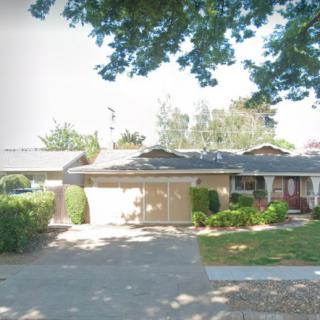

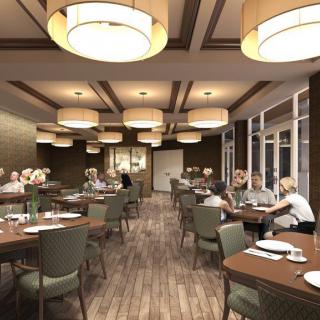
 A Detailed Examination of Nursing Home Costs Across the U.S.
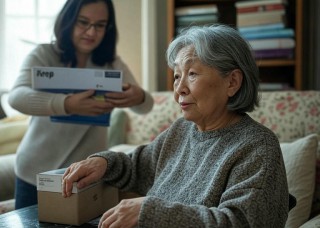 Exploring Nonmedical Home Care: Understanding Services, Costs, and Financial Approaches
 Engaging Brain Games and Innovative Apps to Keep Senior Minds Active