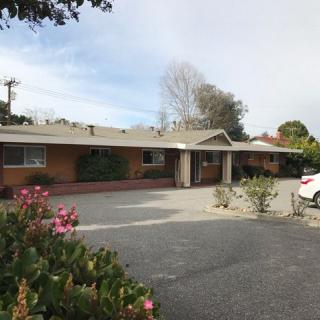
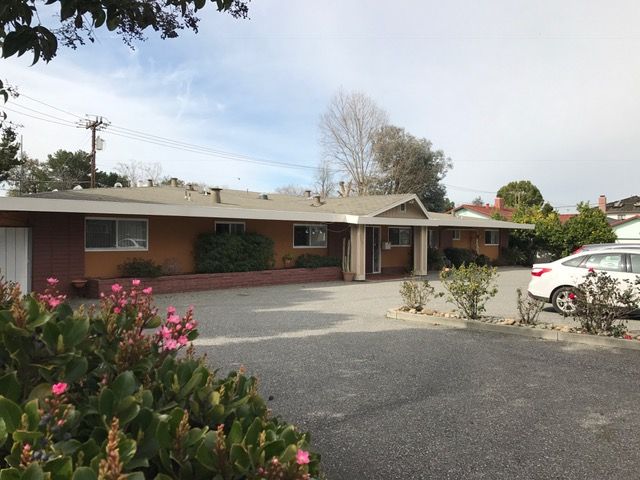
531 North Central Avenue, Campbell, CA 95008
For more information about senior living options: (866) 208-4318
Sakura Gardens Villa Costs & Pricing
Sakura Gardens Villa offers competitive pricing for its residents, particularly when considering the local context of Santa Clara County and the broader California market. For semi-private rooms, Sakura Gardens Villa charges $3,700 per month, which is notably lower than the county average of $3,943 while remaining higher than the state average of $3,333. In contrast, their studio apartments are priced at $4,500 per month; this too falls below the Santa Clara County average of $5,155 but exceeds the state average of $4,145. These pricing structures position Sakura Gardens Villa as an appealing option for those seeking quality living arrangements in a supportive community environment while balancing affordability with comprehensive care services.
| Floor plans | Sakura Gardens Villa | Santa Clara County | California |
|---|---|---|---|
| Semi-Private | $3,700 | $3,943 | $3,333 |
| Studio | $4,500 | $5,155 | $4,145 |
Overall Review of Sakura Gardens Villa
Pros
 Her room is clean.
- The staff is very kind to her.
- The staff is hard working.
- There have been no issues concerning her care.
- It is a comfort care home.
- The staff tries their best.
- The employees have given her comfortable personal care.
- There are scheduled activities in the activity room.
Cons
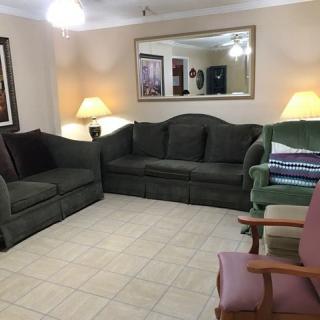
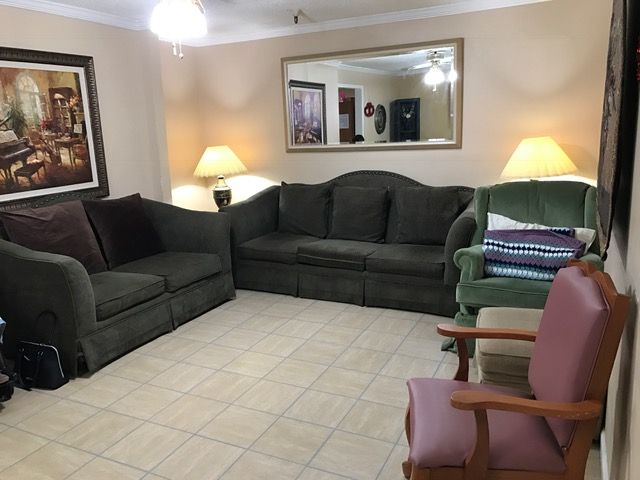
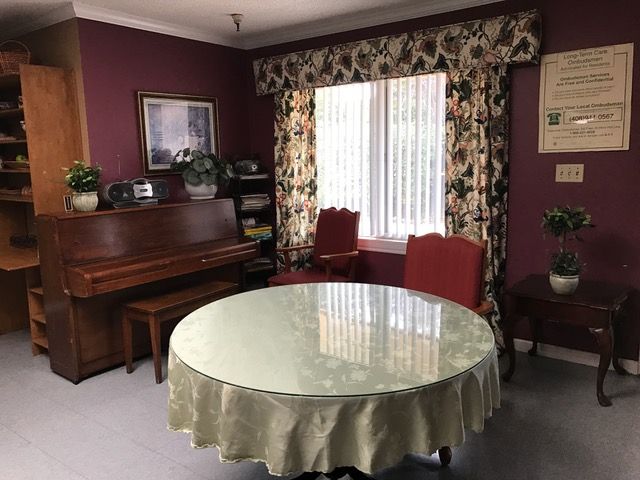
 The facility seemed clean but was overly hot.
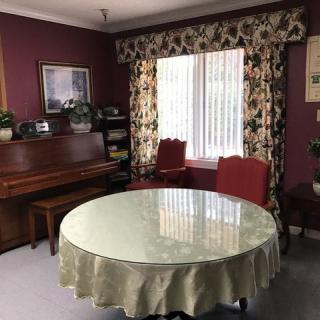
- The furniture was broken, tattered, and dirty; it was just awful.
- It is scary for people needing daily care, with the reviewer saying they would die there.
- The location is small in size, which concerns those wanting more residents.
- There are no on-site registered nurses.
Review
Sakura Gardens Villa in Campbell is best suited for families seeking a small, intimate, home-like setting for a loved one who needs daily assistance and a high degree of personal attention, particularly when the resident has dementia and the family is prepared to be closely involved in care. This is not a hospital-like campus; it is a comfort-care home that emphasizes warmth, routine, and steady caregiver contact. Residents in this environment tend to benefit from predictable daily rhythms, a calm atmosphere, and ongoing, tangible personal interaction with staff. It works best when family members can contribute to meals, visits, and supplemental care, turning care into a shared, familial endeavor.
Those weighing Sakura Gardens Villa should also consider alternatives if certain expectations matter most. If medical oversight and a robust clinical footprint are non-negotiable, this small setting may fall short. The reviews highlight a tension around nursing presence, with statements about “no RN on site” versus “RN on site at all times,” creating ambiguity for families managing complex health needs. Additionally, the compact size limits social opportunities and programming, so families prioritizing a lively activity calendar, broader peer interaction, or more expansive resources may prefer a larger community with stronger medical staffing and more structured activities.
The strongest positives here are the staff’s kindness and work ethic, plus the overall cleanliness and calm environment. Families repeatedly describe attentive, caring caregivers who handle daily tasks with a gentle touch. The ability for families to stay connected, sharing special meals, walking with loved ones, and participating in routines, provides emotional security and continuity that can be hard to replicate in bigger facilities. Safety features such as wander alarms and monitored doors add reassurance, and the presence of scheduled meals and a patio implies a basic quality of life that does not feel clinical or impersonal.
Yet the main drawbacks are real and influence the care equation. The small scale can produce a sense of confinement, fewer peers for interaction, and a thinner pool of resources to draw from for activities beyond basic care. Some reviews point to furniture that is worn or untidy and environments that feel overly warm, which erodes comfort for residents who spend much of the day inside. The medical question remains the most consequential: without consistent, on-site nursing or a clear, steady medical leadership presence, families carrying substantial health concerns may face gaps in care, even if staff are well-meaning and diligent. The gap between expectations and on-site medical reality is a recurring theme that potential residents must weigh carefully.
Despite these limitations, Sakura Gardens Villa can offset several cons when the caregiving model aligns with family capabilities and resident needs. For a dementia patient who values a familiar routine and personal attention, and for a family willing to supplement with private aides, this setting delivers meaningful reassurance that care is ongoing and individualized. The small, intimate community can translate into lower-stress days, with staff who know the resident’s preferences and history, and a home-like atmosphere that reduces the sense of institutional detachment. If finances, convenience, and the comfort of staying close to family are priorities, the pros can meaningfully outweigh the cons.
Families evaluating Sakura Gardens Villa should approach with a practical, detective-like mindset. Ask pointed questions about current staffing levels and on-site nursing availability, request specifics on resident counts and roommate configurations, and verify the latest activity calendar beyond generic statements. Seek firsthand impressions from current residents and their families about daily life, shower frequency, and how personal needs are addressed during evenings and weekends. Compare these realities with nearby facilities that offer more robust medical oversight, larger communities, and more extensive programming. When alignment exists between the facility’s strengths and the resident’s non-negotiables, personalized care, family involvement, and a calm, home-like setting, Sakura Gardens Villa becomes a defensible, workable choice within Campbell’s affordable, intimate-care landscape.
 15 resident community capacity
 Assisted Living
 Board and Care Home
 Memory Care
 Respite Care
 Activities on-site
 Beauty salon
 Cable or satellite TV
 Devotional services off-site
 Dining room
 Fully furnished
 Garden
 Housekeeping services
 Indoor common areas
 Kitchenette
 Move-in coordination
 Outdoor space
 Restaurant-style dining
 Small library
 Telephone
 Wi-Fi/high-speed internet available
 San Jose International (5 miles away)
 24-hour supervision
 Ambulatory care
 Assistance with bathing
 Assistance with dressing
 Assistance with transfers
 Diabetes diet
 Diabetic care
 Medication management
 Mental wellness program
 Special dietary restrictions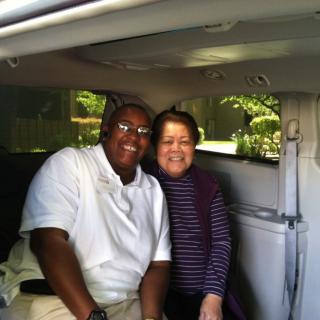

 22 Remarkable Caregiver Support Groups Available Online and In-Person
 Understanding Medicaid Coverage for Assisted Living: A Comprehensive Guide
 How and When Medicaid May Cover Assisted Living Costs