
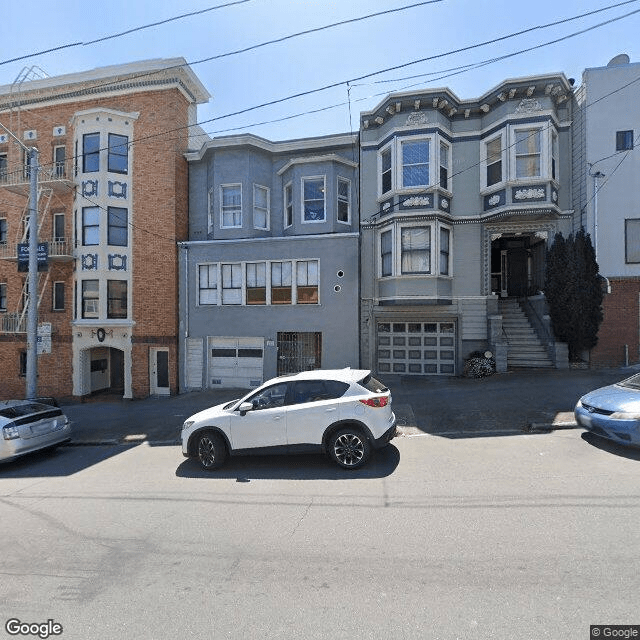
263 Parnassus Ave, San Francisco, CA 94117
To contact a resident: (415) 752-8652
For more information about senior living options: (866) 208-4318
Stella's Care Home Costs & Pricing
Stella's Care Home offers competitive pricing compared to the broader market in San Francisco County and across California. For a semi-private room, residents are charged $2,500 per month, significantly lower than the county average of $3,979 and well below the state average of $3,333. In terms of private accommodations, Stella's also stands out with a monthly fee of $3,200, which is more affordable than the county's rate of $3,591 and slightly less than California's overall average of $3,939. This positioning demonstrates Stella's commitment to providing quality care while ensuring that financial considerations remain manageable for families seeking supportive living options.
| Floor plans | Stella's Care Home | San Francisco County | California |
|---|---|---|---|
| Semi-Private | $2,500 | $3,979 | $3,333 |
| Private | $3,200 | $3,591 | $3,939 |
Senior living communities with a similar price nearby
-
from +$200 / mo

Home Instead Senior Care
$2,700 to $3,400 / month22.3 miles away -
About the same
Ava Bella Care Home
$2,500 to $3,000 / month24.4 miles away -
About the same

San Carlos Elms
$2,500 to $5,880 / month20.8 miles away -
About the same
Rose Arbor Senior Care
$2,500 to $4,620 / month15.1 miles away -
from -$200 / mo
Jla Healthcare Services
$2,300 to $3,200 / month13.5 miles away
Overall Review of Stella's Care Home
Pros
 A variety of activities are available.
- More functional residents can attend church services unescorted, but with clear plans and contacts.
Cons
 There is little assistance with transportation, limited to doctor visits.
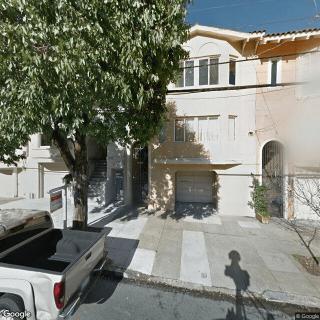
- Parnassus House has serious stairs.
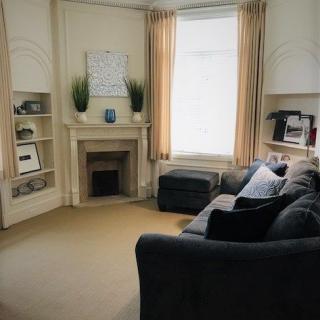
- Richmond House has two levels separated by stairs.
- Residents can attend church services unescorted, implying limited supervision.
Review
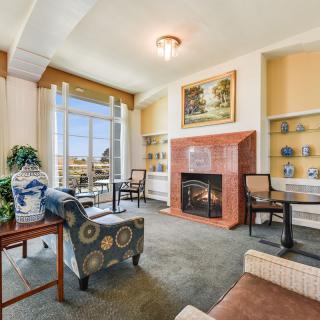
Stella’s Care Home in San Francisco is best suited for relatively independent seniors who prize a robust activity calendar and can live with limited transportation support. The community appears to work well for residents who can participate in church services and group events without constant supervision, provided clear plans and contacts are in place for any needs. The two-house arrangement (Parnassus and Richmond) centers on stairs, so success hinges on mobility or a willing willingness from family to manage accessibility arrangements. For families seeking a small, engaging environment rather than a high-demand care setting, Stella’s offers social continuity and routine more than medical intensity.
Those who should consider alternatives fall into the category of frail seniors or individuals requiring daily, hands-on assistance and reliable door-to-door transportation. The layout exacerbates mobility challenges, with Parnassus featuring serious stairs and Richmond comprising two levels separated by stairs. If mobility issues, cognitive concerns, or the need for frequent transport to appointments and errands exist, Stella’s is likely to yield frustration or safety concerns. Prospective residents with limited support from family may find the logistics untenable, making other communities with single-level floor plans and stronger transportation programs more sensible.
On the positive side, the facility offers a variety of activities that can keep a resident engaged and socially connected. For more functional individuals, there is unescorted access to church services and other programs, as long as there are clear plans and contact points in place. This structure supports independence and personal agency, reducing the need for constant staff oversight. The emphasis on social programming and routine matters for families who want their loved ones to remain active and culturally connected, rather than merely accommodated, is a meaningful strength when the resident can navigate the environment.
Nevertheless, the principal drawbacks are substantial enough to undermine the upside for many seniors. Transportation support is described as limited to doctor visits, with little assistance for errands or non-medical travel. The stairs-and-two-levels design creates genuine safety risks and complicates emergencies, particularly for residents who lose balance or require mobility aids. The overall impression reflected in the rating, 2.3 from three reviews, including a pointed negative remark, signals persistent concerns about safety, staffing, and the overall quality of care. These factors are not trivial; they directly influence daily peace of mind for families.
In practice, pros and cons do not balance neatly here. The activity program and autonomy for independent-minded residents provide real value, but the lack of robust transportation and a challenging physical layout tilt the balance toward risk for a substantial segment of seniors. For those who can coordinate external transport, tolerate occasional scheduling gaps, and handle stairs without trepidation, Stella’s can be workable and even fulfilling. For frailer residents, or families needing dependable mobility support and a single-level living environment, the drawbacks overwhelm the benefits and point toward alternatives.
For families considering Stella’s, a disciplined verification process is essential. Insist on a floor-level option or reliable elevator access, and verify staffing levels, response times, and on-site supervision, especially during vulnerable hours. Request a guided tour that includes current residents with mobility needs similar to the loved one, and probe the safety features, fall-prevention measures, and contingency plans for power outages or emergencies. Compare with other communities that emphasize single-level living, consistent transportation, and higher staff-to-resident ratios. Align the choice with the senior’s care needs, activity preferences, and risk tolerance, recognizing Stella’s is not a universal solution but a fit for a narrow cohort supported by strong family logistics and a tolerance for stairs-centered living.
 Board and Care Home
 Cats allowed
 Activities off-site
 Devotional services off-site
 Indoor common areas
 Outdoor common areas
 Private
 Respite or short term stays offered
 Wheelchair accessible showers
 San Francisco International (11 miles away)
 Diabetic care
 High acuity care
 Meals provided
 Christian services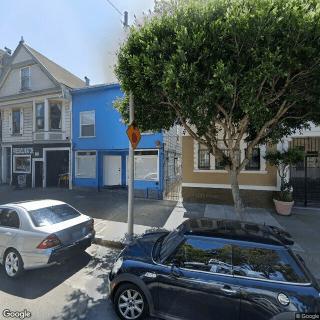


 Engaging Brain Games and Innovative Apps to Keep Senior Minds Active
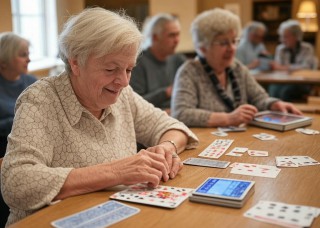 Effective Strategies for Keeping Seniors' Minds Active: A Deep Dive into Brain Games and Apps
 In-Depth Look at the VA Aid and Attendance Program