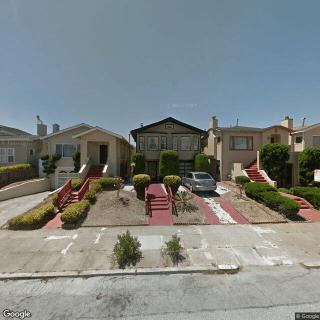
Marian's Care Home I in San Francisco, CA

Information last verified:

1450 - 24Th Avenue, San Francisco, CA 94122

For more information about senior living options: (844) 490-3973

5 from 2 reviews

Overall Review of Marian's Care Home I

Pros

  • pro Raymond and his team consistently provide genuine warmth, kindness, experience, and love to every resident.
  • pro The care is loving, personal, and attentive, with a clean environment and medications carefully administered.
  • pro Meals are shared and sociable, and families are always welcome.
  • pro The reviewer would move their mother into this home without hesitation and would recommend it to others.
  • pro Marian Gardens has become a place of comfort and peace for residents and families alike.
  • pro The care home earns praise from senior care professionals and has changed many lives for the better.

Cons

  • pro Moving someone into residential care is not without sadness for the family, who wish things had been different for their loved one.

Review

Marian's Care Home I in San Francisco is best suited for families seeking a small, home-like setting where care feels deeply personal and staff know residents well. The operating core is Raymond and a nurse-backed team who deliver warm, attentive daily care in a clean, orderly environment. Meals are shared and sociable, and families are consistently welcome, creating a sense of belonging rather than separation. This community shines for seniors who value warmth, steadiness, and a quiet, dignified rhythm to each day, made possible by a tightly knit staff that treats residents like family.

Those who may want to consider alternatives are families confronting higher medical needs or seeking more formalized memory-care programming within a larger campus. The intimate model, excellent as it is for daily assistance and companionship, may not offer the breadth of on-site clinical resources, specialized therapies, or diverse activity programming typical of bigger facilities. For loved ones requiring extensive 24/7 nursing coverage, rapid access to rehabilitation services, or a dedicated memory-care unit with structured dementia programming, exploring other communities could prevent future gaps in care.

The strongest positives are clear and impactful. The care team’s genuine warmth, kindness, and years of hands-on experience translate into a resident experience that feels safe and cherished. Medication management is described as meticulous, reducing worry for families about adherence and safety. Cleanliness is consistently noted, which supports a healthier living environment, and the sociable meals contribute to ongoing social connection, a critical lever for well-being in residential settings. Most compellingly, the openness to family involvement ensures that care plans, routines, and milestones remain collaborative, reducing the isolation that can come with moving a loved one into care.

It is reasonable to view the tight, intimate setting as offsetting some potential limitations with its strengths. The small scale naturally means fewer on-site amenities and less formal programming than larger communities, and it may place a greater emphasis on the family’s role in oversight and ongoing communication. Yet the documented warmth and individualized attention soften these trade-offs: residents are tended to with continuity, staff energy is directed at meaningful daily interactions, and families receive reassurance through direct access and visible investment from caregivers.

Practical decision steps help translate these impressions into a confident choice. Prospective families should schedule time to meet Raymond and the care team, observe daily routines, and discuss how memory challenges are addressed day-to-day. Clarify the exact level of medical oversight available on site, the process for medication administration, and how emergent needs are managed after hours. Confirm the environment in which a loved one thrives, whether they respond best to quiet companionship, structured memory-care activities, or spontaneous social engagement, and ensure the care plan aligns with those preferences. Finally, weigh the value of a homey, family-forward atmosphere against the desire for larger community programs and more formal clinical resources.

In the end, Marian's Care Home I offers a compelling, serenely respectful option for seniors who prize intimate, affectionate care, practical medical stewardship, and ongoing family participation. It stands out as a trusted choice for families seeking warmth, dignity, and a resident-centered approach that treats daily living as the priority. The recommendation is strongest for those with mild to moderate care needs who will benefit from a devoted, low-variance routine and the reassuring presence of a caregiver-led team. For families facing higher acuity, vast therapy requirements, or formal memory-care programming, it warrants comparing with larger facilities that can guarantee greater clinical breadth and structured dementia care.

Features

Housing

  • 6 resident community capacity 6 resident community capacity

Types of Care

  • Assisted Living Assisted LivingAssisted living facilities provide crucial support and care for seniors who may need help with daily tasks such as medication management, bathing, and meal preparation. These communities offer a safe and comfortable environment where seniors can maintain their independence while receiving the assistance they need to thrive in their golden years.
  • Board and Care Home Board and Care HomeBoard and care homes provide a smaller, more intimate setting for seniors who require assistance with daily tasks but do not need the level of care offered by a nursing home. They offer personalized care, meals, and social activities in a homelike environment, ensuring that seniors receive individualized attention and support in their golden years.

Amenities

  • Cable or satellite TV Cable or satellite TVCable or satellite TV is important for seniors because it provides entertainment, news, and companionship, helping to combat loneliness and boredom. It also offers a wide range of programming options tailored to different interests and preferences.
  • Dining room Dining roomDining rooms are important for seniors as they provide a space for socialization, connection, and nutritious meals. They offer opportunities for residents to bond over shared meals, foster a sense of community, and promote healthy eating habits. Dining rooms also ensure that seniors have access to well-balanced meals tailored to their dietary needs and preferences.
  • Fully furnished Fully furnishedFully furnished senior living communities are important for seniors because they provide convenience, comfort, and a hassle-free moving experience. Seniors can easily settle into their new living space without the stress of having to buy and move furniture. This allows them to focus on enjoying their new home and community.
  • Garden GardenGardens are important for seniors as they provide a peaceful and therapeutic environment for relaxation, physical activity, and socialization. Being in nature has been shown to reduce stress, improve mood, and promote overall well-being. Gardens also offer opportunities for seniors to engage in gardening activities, which can improve mobility, flexibility, and cognitive function. Additionally, gardens create a sense of community and connection with others who share a passion for plants and outdoor spaces.
  • Housekeeping services Housekeeping servicesHousekeeping services are important for seniors because they help maintain a clean and safe living environment, promote independence, and reduce the risk of accidents or illnesses. Additionally, having assistance with household chores can alleviate physical strain and allow seniors to focus on other aspects of their well-being.
  • Move-in coordination Move-in coordinationMove-in coordination is important for seniors because it helps ease the transition into their new living environment. It ensures that all logistics, such as packing, organizing movers, and setting up utilities are taken care of, allowing seniors to focus on settling in and adjusting to their new home. Having a smooth move-in process can alleviate stress and anxiety, making the transition smoother and more enjoyable for seniors.
  • Outdoor space Outdoor spaceOutdoor spaces are important for seniors as they provide opportunities for physical activity, social interaction, exposure to natural light and fresh air, and a sense of connection to nature. Having access to outdoor spaces can improve overall well-being and quality of life for older adults living in senior communities.
  • Telephone TelephoneTelephones are important for seniors as they provide a lifeline for communication with loved ones, emergency services, and healthcare providers. They offer a sense of security and independence, enabling seniors to stay connected and access assistance when needed.
  • Wi-Fi/high-speed internet available Wi-Fi/high-speed internet availableWi-Fi/high-speed internet is important for seniors to stay connected with loved ones, access online resources, and participate in virtual activities to combat feelings of loneliness and isolation. It also allows them to easily manage healthcare needs, access entertainment, and engage in lifelong learning opportunities.

Transportation

  • San Francisco International (11 miles away) San Francisco International (11 miles away)
  • Metropolitan Oakland International (15 miles away) Metropolitan Oakland International (15 miles away)

Care Services

  • 24-hour supervision 24-hour supervision24-hour supervision is important for seniors to ensure their safety, well-being, and access to immediate assistance in case of emergencies or health issues. This constant support provides peace of mind for both seniors and their loved ones, allowing them to age in place with dignity and security.
  • Activities of daily living assistance Activities of daily living assistanceActivities of daily living assistance are important for seniors because they provide essential support with tasks such as eating, bathing, dressing, and mobility. This assistance helps seniors maintain their independence, dignity, and overall quality of life as they age.
  • Assistance with bathing Assistance with bathingAssistance with bathing is crucial for seniors as it helps maintain personal hygiene, prevents infections, and ensures their overall well-being and comfort. It also provides a sense of dignity and independence for seniors who may struggle with this task on their own.
  • Assistance with dressing Assistance with dressingAssistance with dressing is important for seniors because it helps maintain their independence, promotes personal hygiene, prevents accidents and injuries, and improves overall quality of life. This service ensures that seniors can continue to dress comfortably and confidently, despite any physical limitations they may have.
  • Assistance with transfers Assistance with transfersAssistance with transfers is crucial for seniors as it helps prevent falls and injuries, maintains their independence, and ensures they can safely navigate their living environment. It also provides peace of mind for both seniors and their loved ones.
  • Coordination with health care providers Coordination with health care providersCoordination with health care providers is crucial for seniors to ensure proper medical care, medication management, and overall well-being. This collaboration helps prevent overlapping treatments, track progress more effectively, and provide comprehensive support tailored to individual needs.
  • Diabetes diet Diabetes dietA diabetes diet is crucial for seniors as it helps manage blood sugar levels, reduce risks of complications, and improve overall health and well-being. By following a balanced and nutritious diet tailored to their specific needs, seniors can better control their diabetes and enhance their quality of life.
  • Meal preparation and service Meal preparation and serviceMeal preparation and service are crucial for seniors as they may have limited mobility or energy to cook nutritious meals. Having access to healthy and convenient food options can ensure they are getting the proper nutrition needed to maintain their overall health and well-being.
  • Medication management Medication managementMedication management is crucial for seniors to ensure they are taking the right medications at the correct dosages and times. This helps prevent adverse drug interactions, reduces the risk of medication errors, and promotes overall health and well-being. Proactive management also allows for adjustments as needed based on changing health conditions or new prescriptions.
  • Special dietary restrictions Special dietary restrictionsSpecial dietary restrictions are important for seniors because age-related changes in metabolism and health conditions can make it difficult for their bodies to process certain foods. By following a diet tailored to their specific needs, seniors can maintain their overall health and well-being, manage chronic conditions, and reduce the risk of complications such as malnutrition or food interactions with medications.
  • Transportation arrangement (medical) Transportation arrangement (medical)Transportation arrangements for medical purposes are essential for seniors as they may have difficulty driving themselves to appointments or accessing public transportation. Having reliable and safe transportation options ensures that seniors can receive timely medical care and maintain their health and well-being.
  • Transportation to doctors appointments Transportation to doctors appointmentsTransportation to doctors' appointments is crucial for seniors as it ensures they have access to necessary medical care and support for their health needs. Without reliable transportation, seniors may struggle to attend important appointments, leading to potential delays in treatment and health complications. Providing transportation services helps seniors maintain their overall well-being and quality of life.

Dining

  • Diabetes diet Diabetes dietA diabetes diet is crucial for seniors as it helps manage blood sugar levels, reduce risks of complications, and improve overall health and well-being. By following a balanced and nutritious diet tailored to their specific needs, seniors can better control their diabetes and enhance their quality of life.
  • Special dietary restrictions Special dietary restrictionsSpecial dietary restrictions are important for seniors because age-related changes in metabolism and health conditions can make it difficult for their bodies to process certain foods. By following a diet tailored to their specific needs, seniors can maintain their overall health and well-being, manage chronic conditions, and reduce the risk of complications such as malnutrition or food interactions with medications.

Activities

  • Community-sponsored activities Community-sponsored activitiesCommunity-sponsored activities are important for seniors as they provide opportunities for social interaction, mental stimulation, and physical activity. These activities can help improve overall well-being, combat loneliness and isolation, and promote a sense of belonging and purpose among older adults.
  • Scheduled daily activities Scheduled daily activitiesScheduled daily activities are important for seniors because they provide structure, socialization, mental stimulation, and physical activity. Engaging in regular activities can improve overall well-being and quality of life for seniors living in a community setting.

Description

Marian's Care Home I is a warm and inviting board and care home located in the heart of San Francisco, CA. This community is dedicated to providing personalized support for residents, ensuring they enjoy a comfortable and fulfilling lifestyle. With a focus on assistance with activities of daily living, Marian's Care Home I offers services such as help with bathing, dressing, transfers, medication management, and coordination with healthcare providers.

The home features a variety of amenities designed to enhance the quality of life for residents. Residents can enjoy meals in a charming dining room and benefit from fully furnished living spaces that promote comfort and homeliness. The beautifully landscaped garden provides a serene outdoor space for relaxation or socialization with peers. Housekeeping services are included, offering residents added convenience without the stress of chores.

Marian’s Care Home I also prioritizes health and wellness by accommodating special dietary restrictions and providing meal preparation tailored to individual needs, including diabetes-friendly options. Transportation arrangements for medical appointments further ensure that residents can easily access healthcare services when needed.

In addition to essential care services, Marian’s Care Home I enriches the lives of its residents through scheduled daily activities that foster engagement and social interaction within the community.

With an abundance of nearby amenities, such as cafes, parks, restaurants, pharmacies, theaters, hospitals, and places of worship, residents can enjoy easy access to various recreational options and essential services. With transportation links close at hand, exploring San Francisco becomes an effortless endeavor.

Overall, Marian's Care Home I stands out as a compassionate community where seniors receive tailored assistance while being encouraged to maintain their independence in a supportive environment filled with warmth and camaraderie.

Nearby Places of Interest

Pharmacies

  • Walgreens (0.4 miles)
  • Walgreens (1.2 miles)
  • Walgreens (1.6 miles)
  • Walgreens (1.6 miles)
  • Walgreens (1.7 miles)
  • Walgreens (1.8 miles)
  • CVS Pharmacy (1.9 miles)

Parks

  • Hellman Hollow (0.6 miles)
  • Lindley Meadow (0.9 miles)
  • Golden Gate Park Dog Run 2 (1.2 miles)
  • Stern Grove Dog Park (1.8 miles)
  • Mountain Lake Park (1.9 miles)
  • Fort Funston (2 miles)
  • Lands End Lookout (2.1 miles)

Cafes

  • Stow Lake Boathouse (0.7 miles)
  • Andytown Coffee Roasters (1.1 miles)
  • Breadbelly (1.6 miles)
  • Neighbor's Corner (2.4 miles)
  • Sightglass Coffee (2.6 miles)
  • The Mill (2.7 miles)
  • Le Marais Bakery (2.8 miles)

Restaurants

  • Hook Fish Co (1.4 miles)
  • Dragon Beaux (1.4 miles)
  • Beach Chalet Brewery and Restaurant (1.7 miles)
  • Twin Peaks (2 miles)
  • Arsicault Bakery (2 miles)
  • McDonald's (2.4 miles)
  • Hi Tops (2.8 miles)

Hospitals

  • Laguna Honda Hospital & Rehabilitation Center (1.6 miles)
  • San Francisco VA Medical Center (2 miles)

Transportation

  • West Portal MUNI Metro Station (1.6 miles)

Theaters

  • Regal Stonestown Galleria Screenx, 4Dx, & RPX (2.2 miles)
  • Alamo Square (2.9 miles)
  • AMC Kabuki 8 (3.2 miles)
  • Alamo Drafthouse New Mission (3.5 miles)

Physicians

  • Noe Valley Pediatrics (3.2 miles)
  • One Medical (3.4 miles)

Places of Worship

  • Church of the Epiphany (4.1 miles)

Frequently Asked Questions

Where is Marian's Care Home I?

Nearby Communities

  • Marian's Care Home

    Marian's Care Home

    San Francisco, CA

    5 from 1 review
    $3,500 / month

    pro Affordable private room with comprehensive care and on-site activities.

  • Sunset Gardens

    Sunset Gardens

    San Francisco, CA

    4.5 from 4 reviews
    $2,600 to $2,800 / month

    pro Beautiful grounds, ocean-view private units, and attentive staff.

  • Palarca Rest Home

    Palarca Rest Home

    San Francisco, CA

    4 from 2 reviews
     

    pro Homelike board-and-care with 24-hour supervision, diabetes-friendly meals, fully furnished rooms, and convenient amenities in San Francisco.

  • The Ivy at Golden Gate

    The Ivy at Golden Gate

    San Francisco, CA

    4.3 from 78 reviews
    $6,995 to $12,495 / month

    pro Caring, friendly staff in a bright, active community.

  • Gonzales Care Home

    Gonzales Care Home

    San Francisco, CA

     
    $2,800 to $3,000 / month

    pro Competitive pricing for semi-private ($2,800) and private ($3,000) rooms with specialized incontinence and high-acuity care.

  • Golden Sunset Care Home

    Golden Sunset Care Home

    San Francisco, CA

    3.3 from 4 reviews
    $3,000 to $4,000 / month

    pro Warm, compassionate staff in a clean, home-like setting.

  • Lawton Skilled Nursing & Rehabilitation Center

    Lawton Skilled Nursing & Rehabilitation Center

    San Francisco, CA

    4.5 from 52 reviews
     

    pro Private rooms with restaurant-style dining and wellness programs.

  • Arden Wood

    Arden Wood

    San Francisco, CA

    4.4 from 12 reviews
    $5,300 / month

    pro Integrated care options (Independent Living and Memory Care) with medication management and devotional services.

  • Providence Place

    Providence Place

    San Francisco, CA

    4.4 from 46 reviews
    $7,600 to $15,200 / month

    pro Attentive staff with personalized care, excellent meals, and a warm, homelike atmosphere with engaging activities.

Related Resources

  • assisted living waiver programA Detailed Exploration of Assisted Living Medicaid Waivers Across the United States

    Medicaid waivers for assisted living services provide vital support for seniors and individuals with disabilities in need of long-term care, with varying state-specific eligibility criteria and benefits. These waivers cover personal care and case management but often do not fully cover room and board, leading to waiting lists for many applicants.

  • assisted living for disabled adultsComprehensive Residential Support and Assisted Living Solutions for Individuals with Disabilities

    The article examines the complexities of assisted living for individuals with disabilities, emphasizing the need for tailored care solutions that enhance quality of life and social inclusion, while addressing financial challenges and advocating for community integration. It discusses various housing options, the importance of financial assistance through public benefits, and highlights trends towards integrated and technology-driven solutions in disability-focused housing.

  • assisted living for disabled adultsComprehensive Supportive Living Arrangements for Adults with Disabilities

    Assisted living for adults with disabilities has transformed to provide personalized care and support services aimed at improving residents' quality of life while balancing independence and assistance. However, low-income individuals often face challenges in affording these services, requiring navigation of various financial resources and advocacy for better policies and solutions.