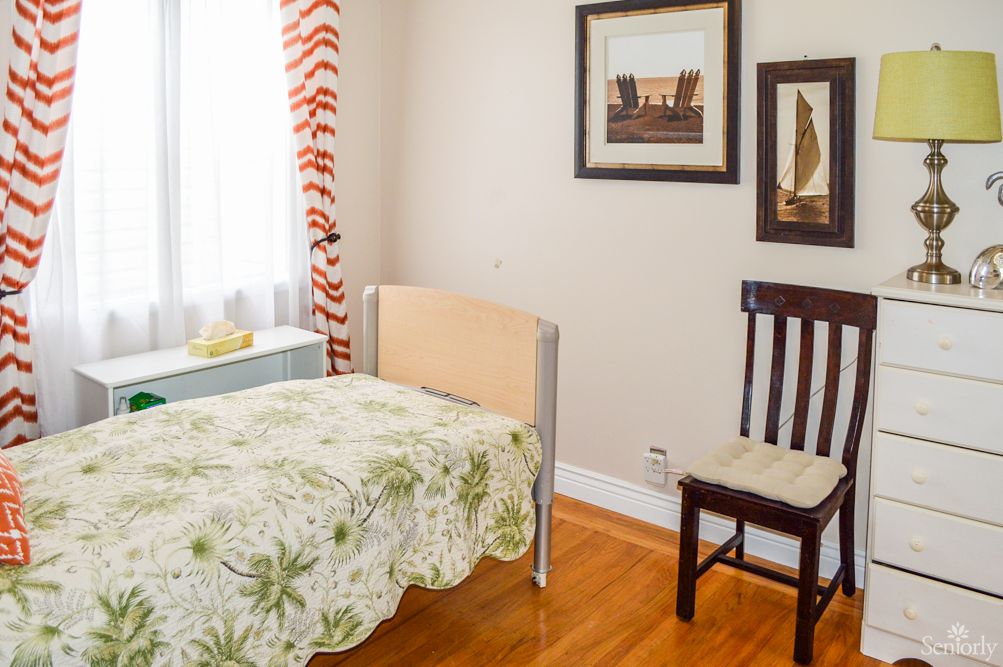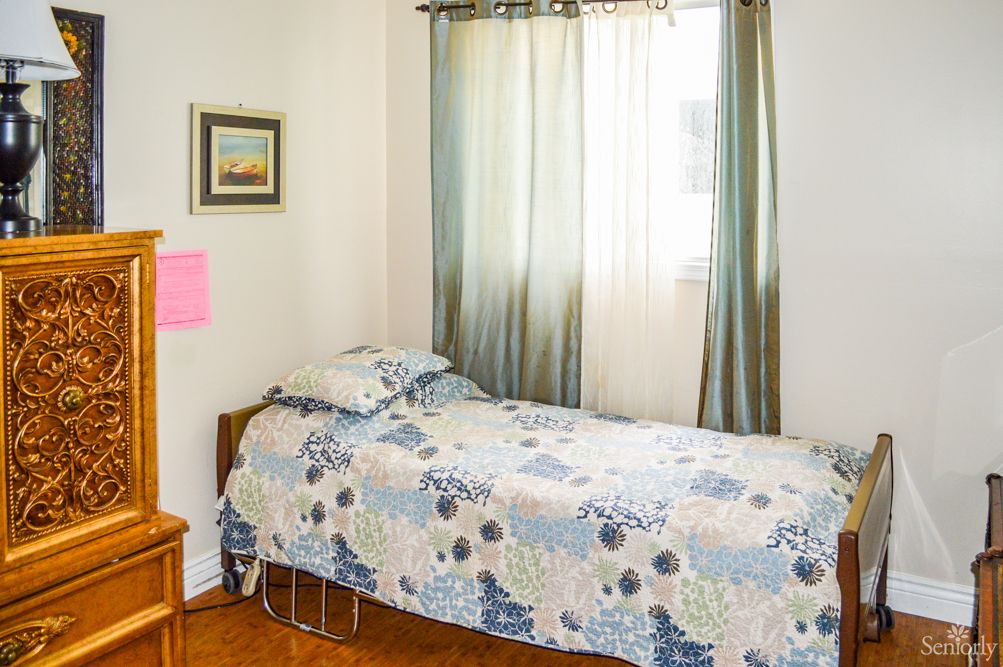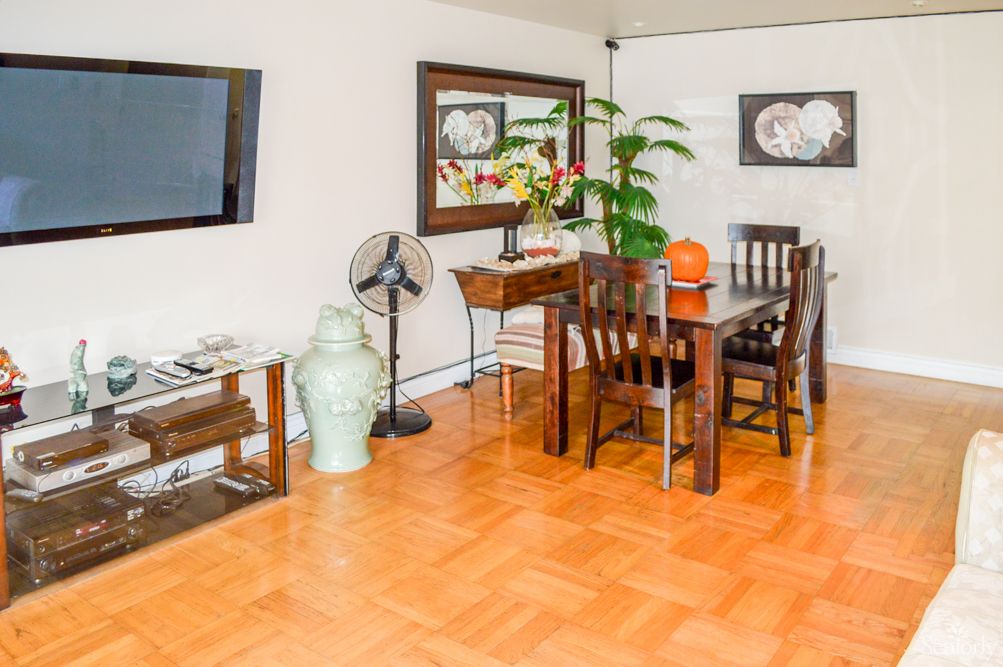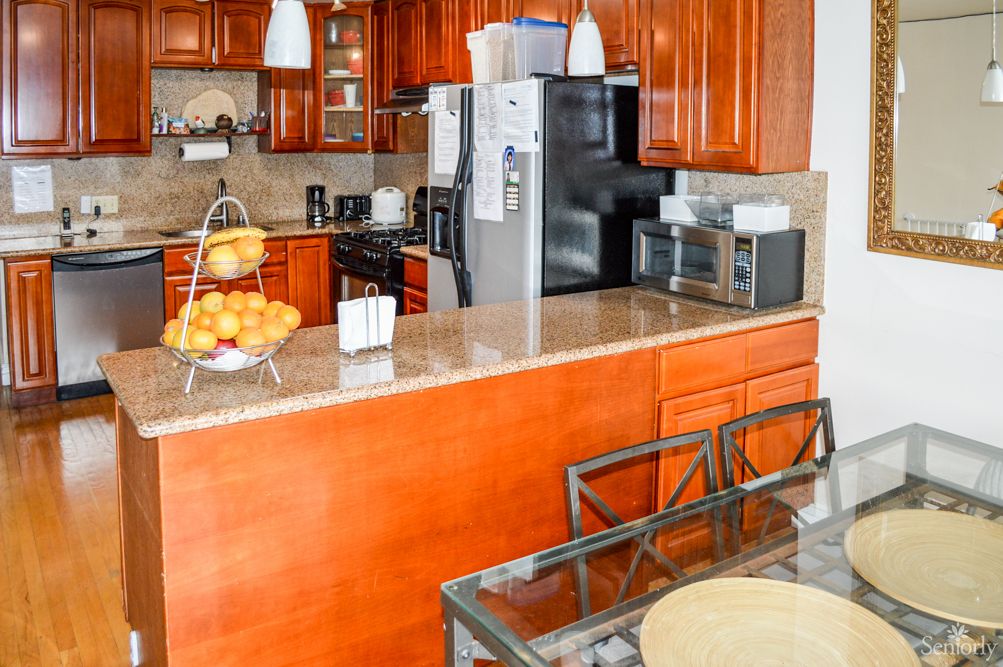


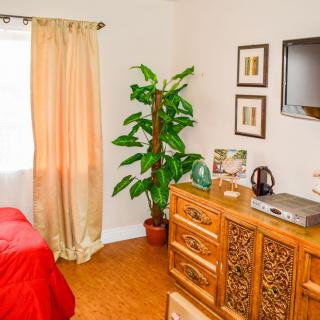
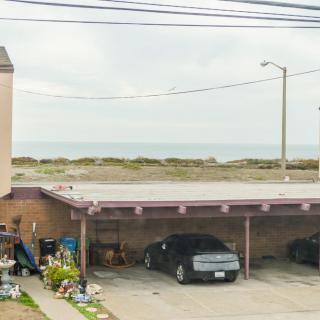
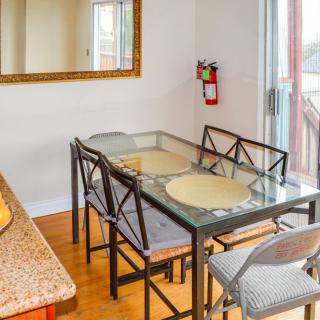
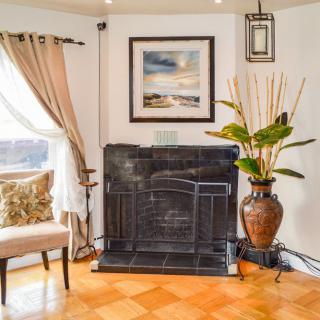


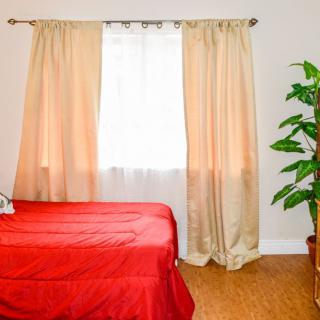
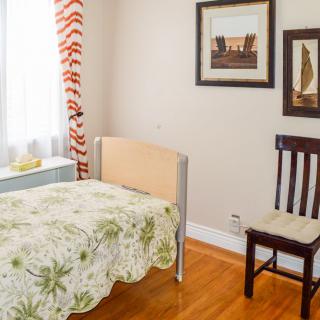
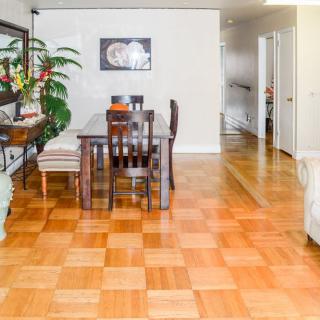

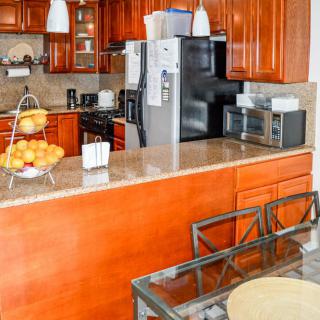



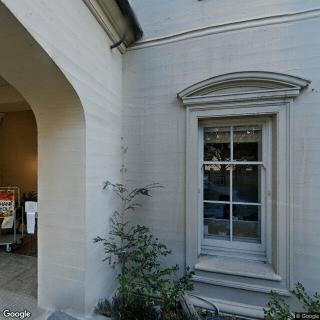
2242 48th Avenue, San Francisco, CA 94116
For more information about senior living options: (866) 208-4318
Overall Review of Farol's Manor 2
Pros
 They deliver meals for seniors.
- They are providing a great service to the residents.
Cons
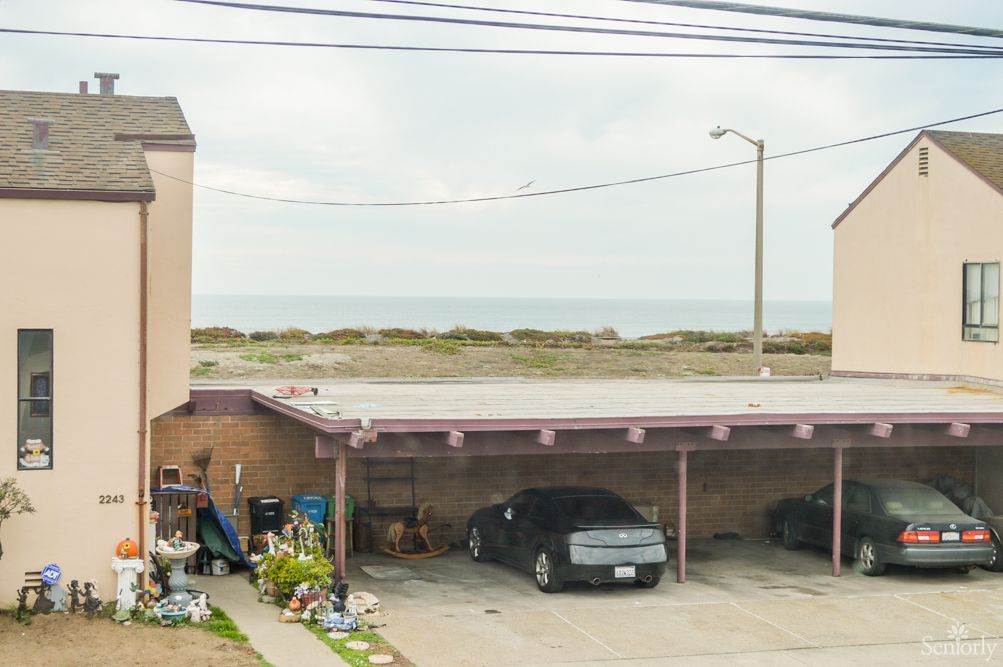
 The air-headed manager threatens to tow cars from a public parking spot.
- Placing a cone in front of a parking meter is treated as if it makes the space private, which feels petty and deceptive.
- The staff are rude and refuse restroom access to customers, making seniors feel unwelcome.
- The service is described as a shame given the supposed helpful goal.
- Communism will always be a failure.
Review
Farol's Manor 2 is best suited for families facing limited housing options who can tolerate a difficult administrative environment and minimal resident-facing customer service, yet still need basic support like meals being delivered to the building. The strongest signal to guide a decision is that the community currently draws negative attention for how visitors and service partners are treated, which makes it essential for families to weigh whether the inconvenience and tension are temporary issues or symptoms of a broader culture. The fact that meal delivery is arranged indicates there is some external support structure in place, but that alone does not compensate for daily interactions that feel punitive or unwelcoming. In short, this community serves a very narrow niche where price or availability outruns the experience of staff and management.
Those who should consider alternatives are families who insist on respectful, professional engagement from every level of staff, clear boundaries around visitor access, and a caregiving atmosphere that prioritizes resident dignity over control. If a family values open communication, predictable policies, and a friendly, collaborative environment, Farol's Manor 2 is unlikely to meet those expectations. Prospective residents who anticipate regular family involvement, straightforward errands, and a partnership-style approach to care will likely encounter friction here. The current tone reflected in the reviews suggests that even routine interactions with administrators and outside providers can be uncomfortable, which is a red flag for long-term satisfaction and safety.
The most tangible positive element evident in the limited service description is the presence of meal delivery to residents. This indicates some functional support exists beyond rooming and basic supervision, which can be meaningful for daily life when other supports are limited. However, this apparent operational capability does not meaningfully counterbalance the principal drawbacks voiced by critics: a management style described as overbearing and unpredictable, and an atmosphere in which interactions with staff and even essential services are perceived as hostile or demeaning. In practical terms, relying on a single or sporadic amenity cannot restore confidence in everyday care, safety, or resident well-being when the overarching culture undermines trust.
The core cons, an aggressive, gatekeeping approach to parking, a manager who appears to police visitors with blunt, punitive tactics, and staff behavior described as rude or dismissive, are not minor irritants. They shape every visit, every drop-off, and every potential caregiver interaction. When front-desk and care-adjacent staff convey hostility or treat outsiders as nuisances, the resident experience quickly deteriorates from peace of mind to daily stress. The negative patterns noted in the reviews raise serious questions about resident autonomy, visitor privacy, and the willingness of leadership to address concerns seriously. Prospective families should not overlook these signals, since ongoing friction can erode routine safety, care coordination, and family engagement.
Families evaluating alternatives should demand a transparent tour that includes conversations with current residents and independent staff, not just administration. Look for a community with clear, posted visitation policies, easily navigable parking arrangements without punitive enforcement, and staff who demonstrate courtesy, patience, and consistency in their interactions. It is essential to verify licensing history, complaint records, and staff turnover trends, because high turnover or unresolved complaints often foreshadow deeper cultural issues. A compassionate, resident-centered environment hinges on leadership that models respect, sets firm boundaries against mistreatment of visitors, and collaborates with outside service providers rather than policing their every move.
Ultimately, a careful decision hinges on whether the family can tolerate a fragile atmosphere that compromises daily comfort and dignity. If the answer is no, it is prudent to redirect attention to communities that show robust resident advocacy, proactive problem-solving, and a culture of hospitality that welcomes, rather than confronts, families and partners. For those who must proceed with Farol's Manor 2, approach with a clear plan: document interactions, request written policies, insist on professional boundaries with parking, and insist on timely responses to concerns. The bottom line is practical and firm: place only if the overall environment aligns with essential standards of respect, reliability, and open communication; otherwise, continue the search until a setting with genuine resident-first leadership emerges.
 6 resident community capacity
 Assisted Living
 Board and Care Home
 Respite Care
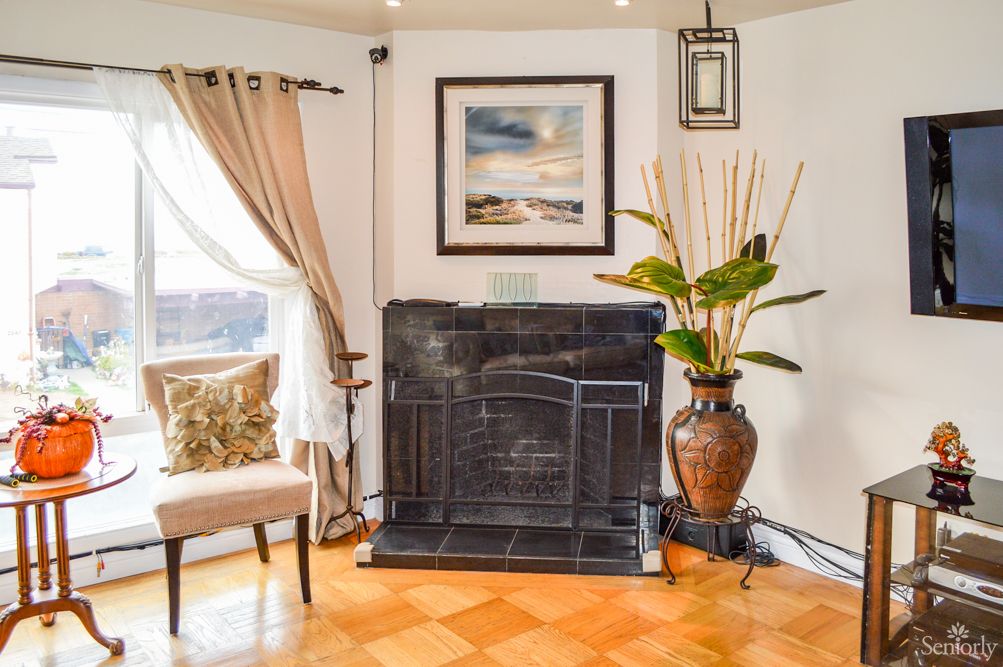
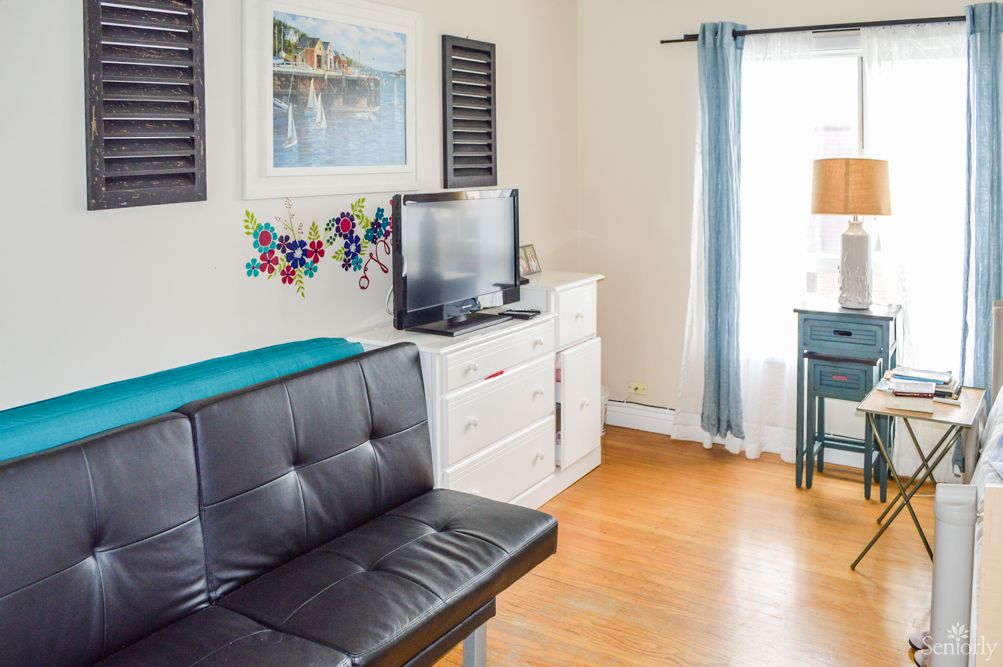
 Cable or satellite TV
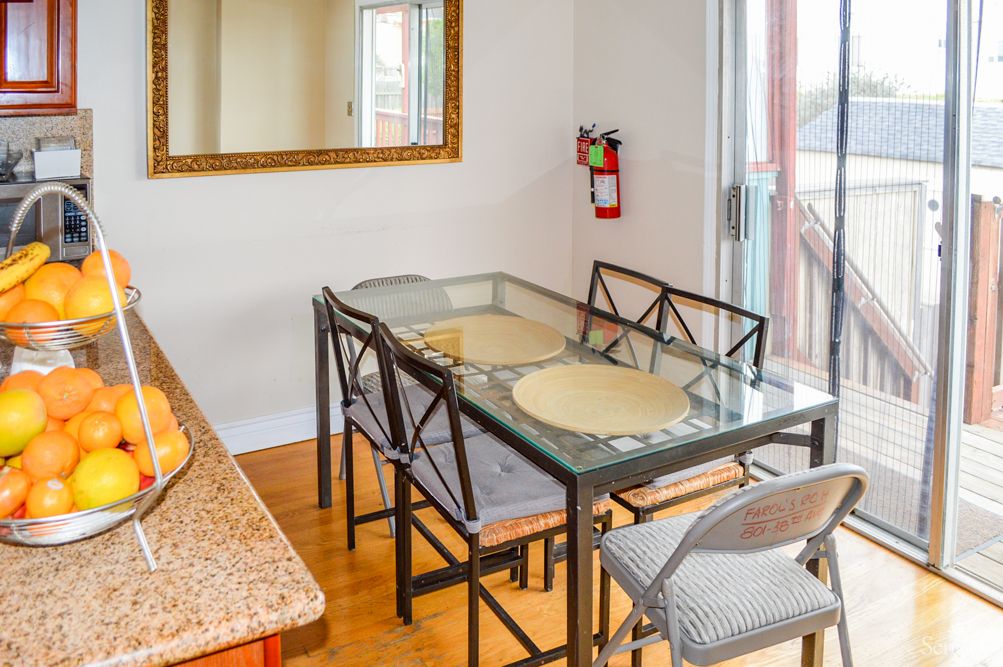
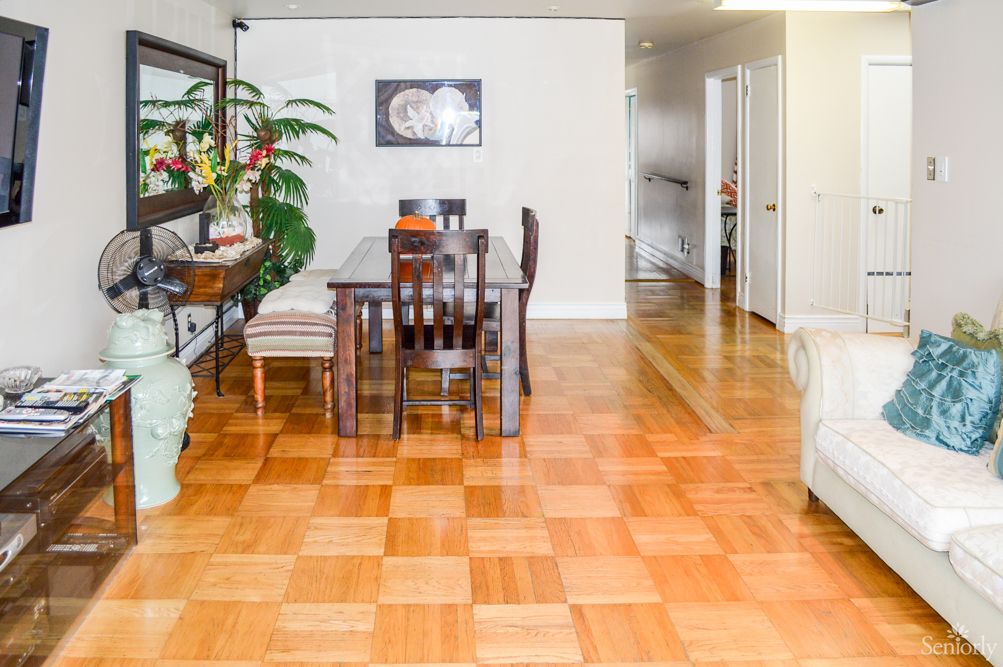
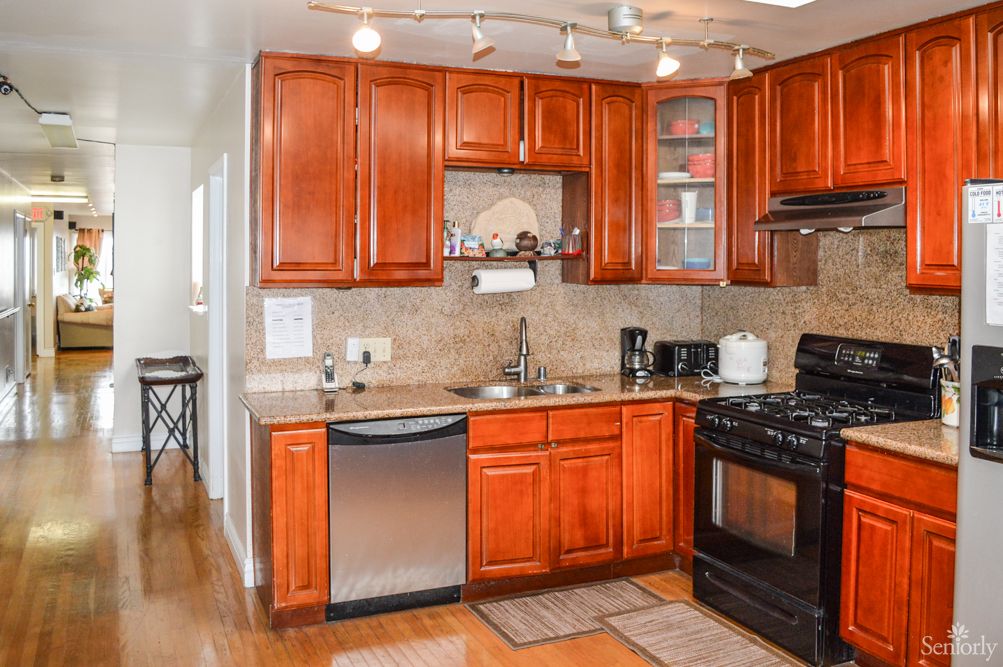
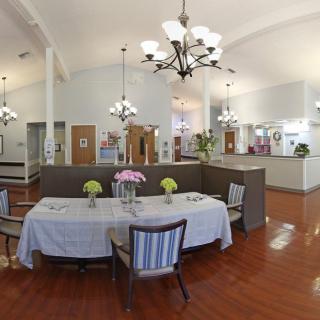
 Dining room
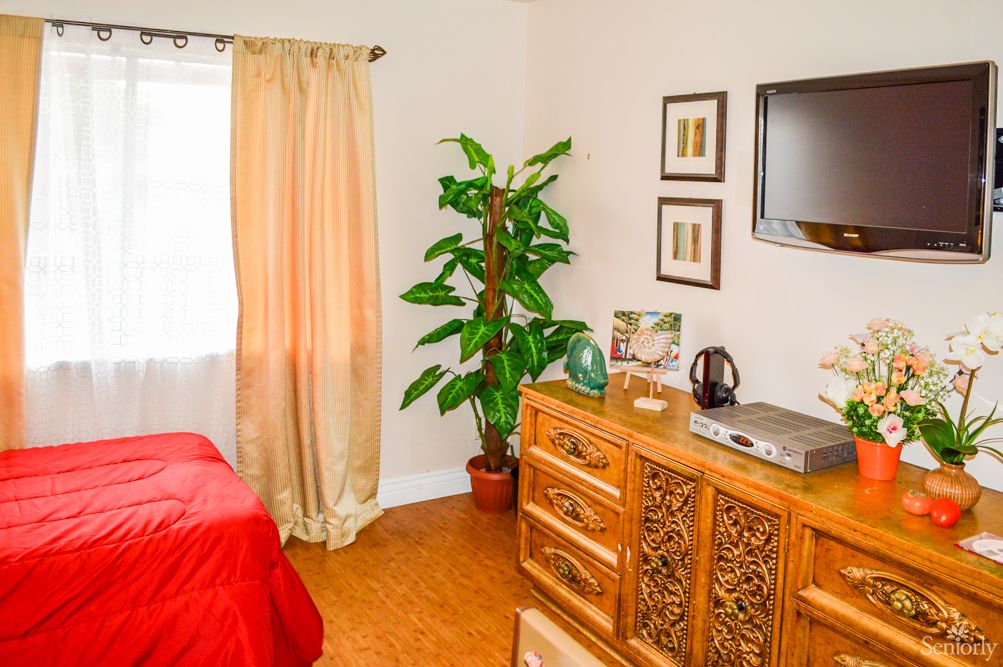
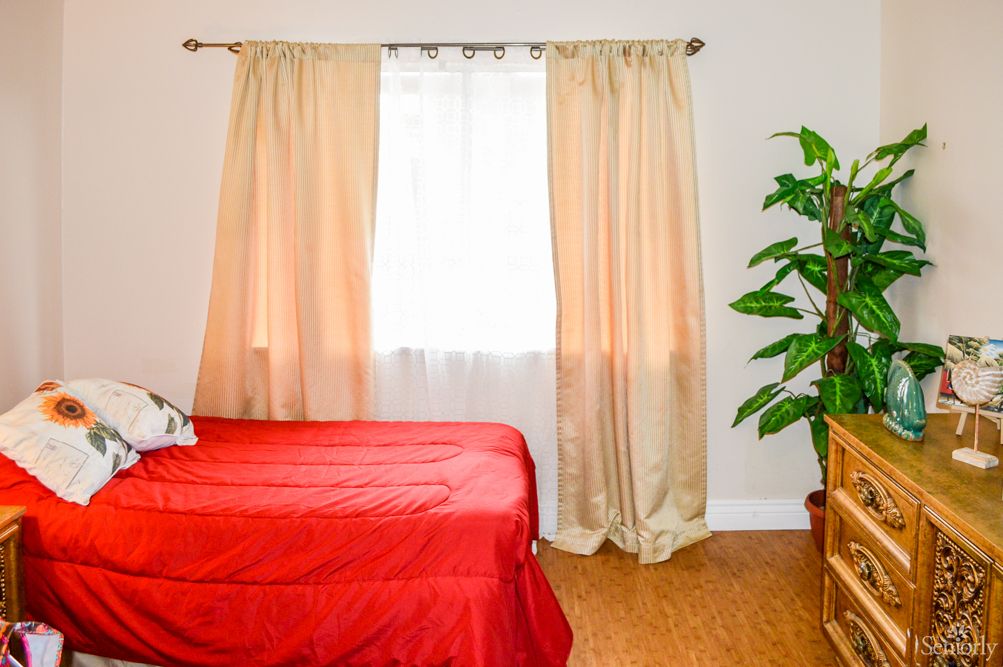
 Fully furnished
 Garden
 Housekeeping services
 Move-in coordination
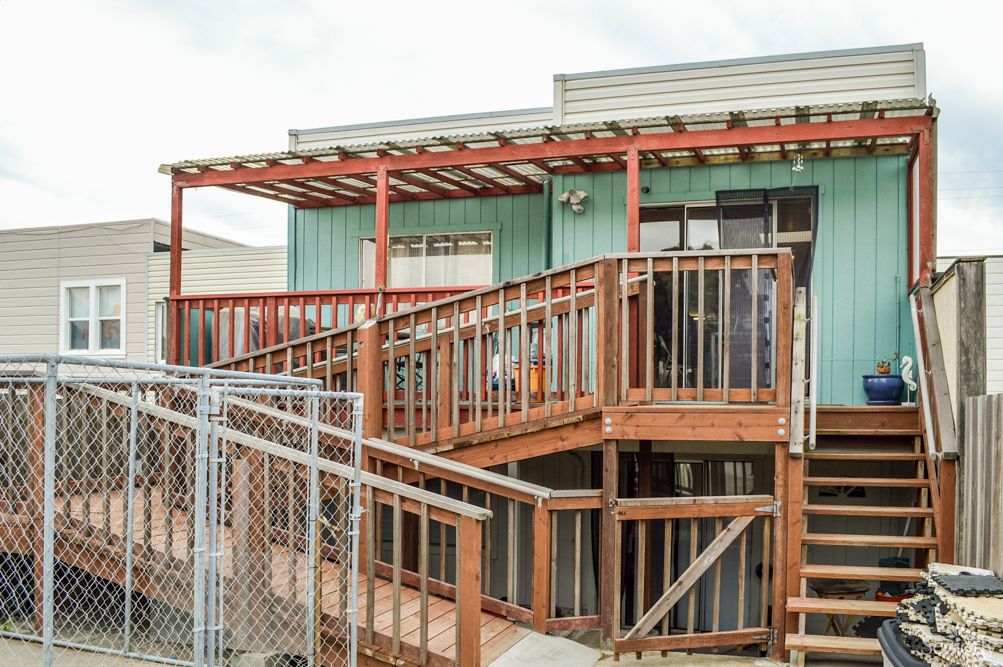
 Outdoor space
 Small library
 Telephone
 San Francisco International (11 miles away)
 24-hour supervision
 Activities of daily living assistance
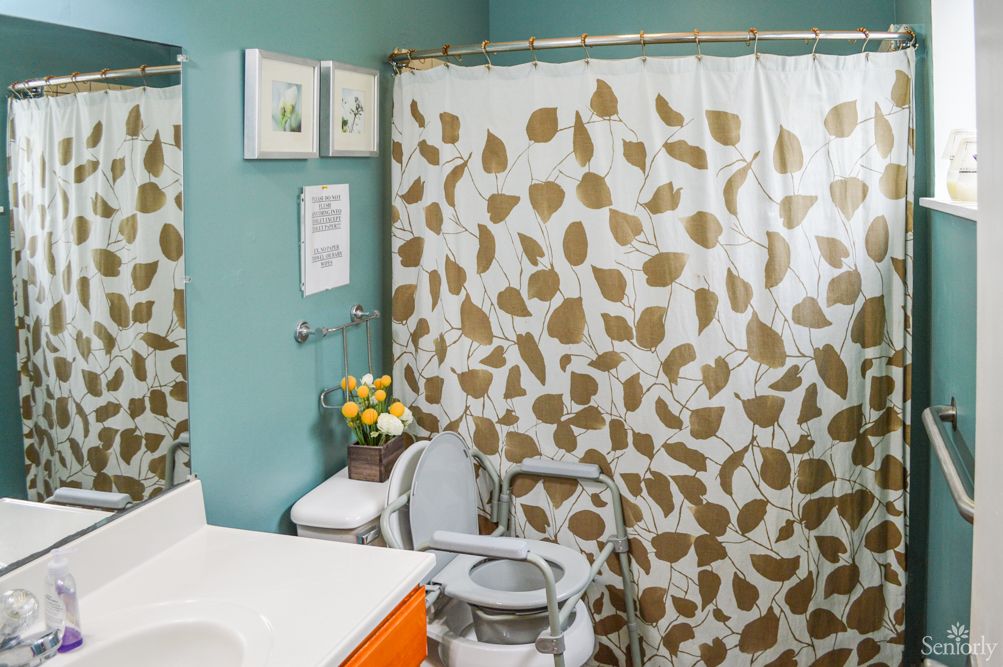
 Assistance with bathing
 Assistance with dressing
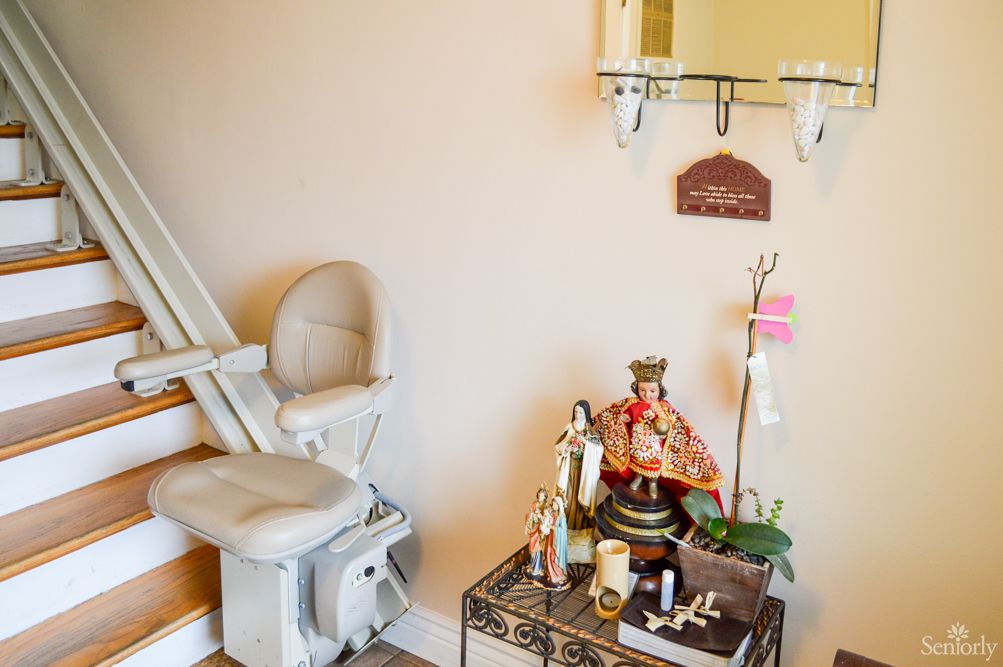
 Assistance with transfers
 Diabetes diet
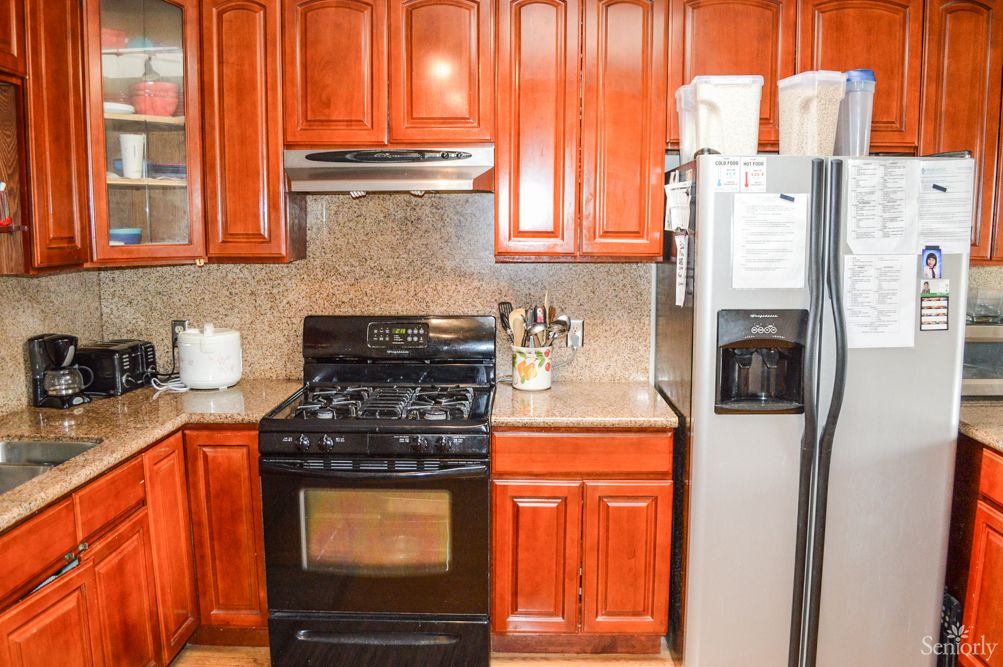
 Meal preparation and service
 Medication management
 Special dietary restrictions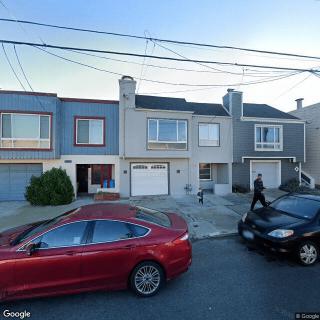



 Exploring the Path to Senior Living: A Comprehensive Look at Independent Living and Assisted Living
 Is Assisted Living Deductible on Your Taxes? Understanding the Complexities of Assisted Living Expenses and Deductions
 Assisted Living Support for Veterans: A Complete and Detailed Overview