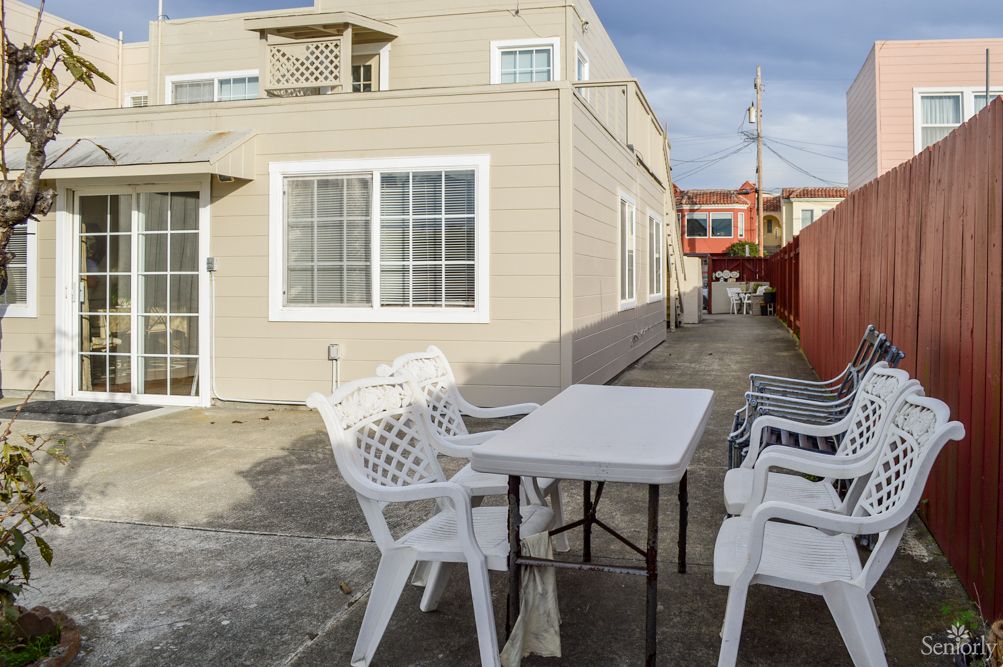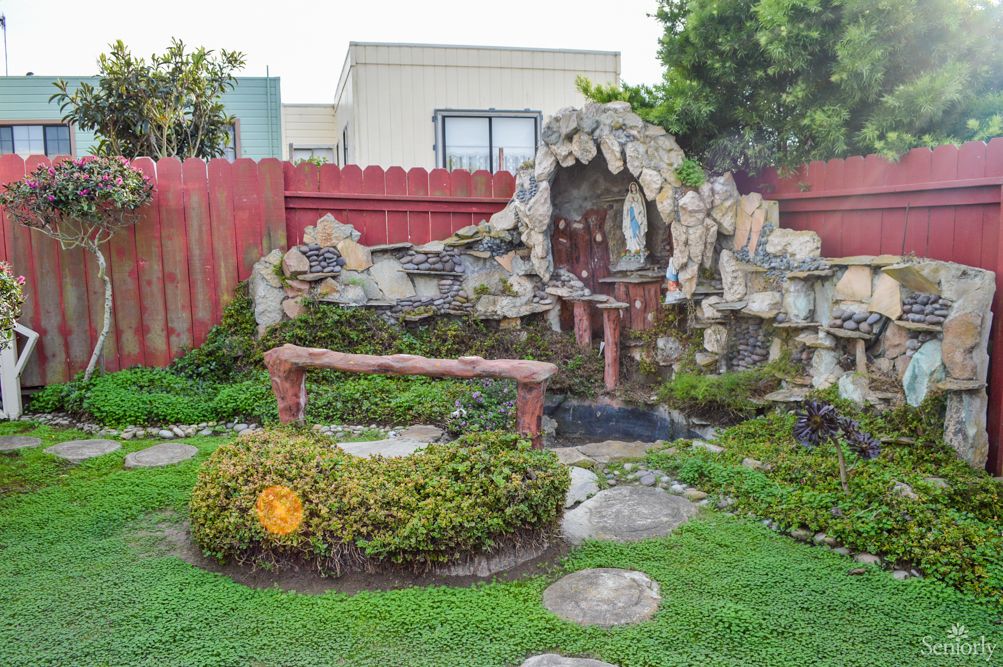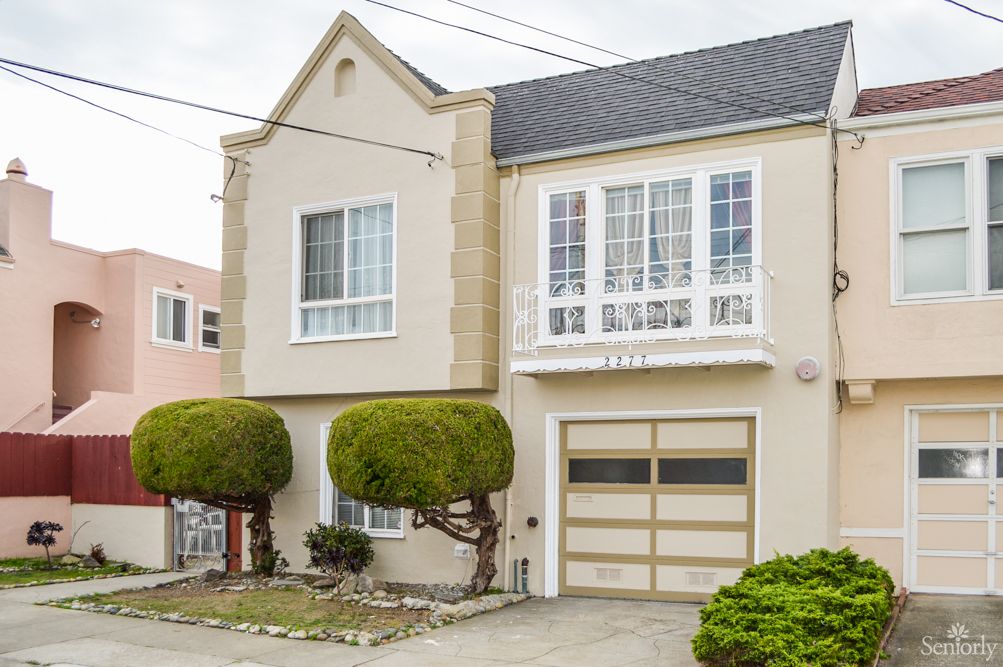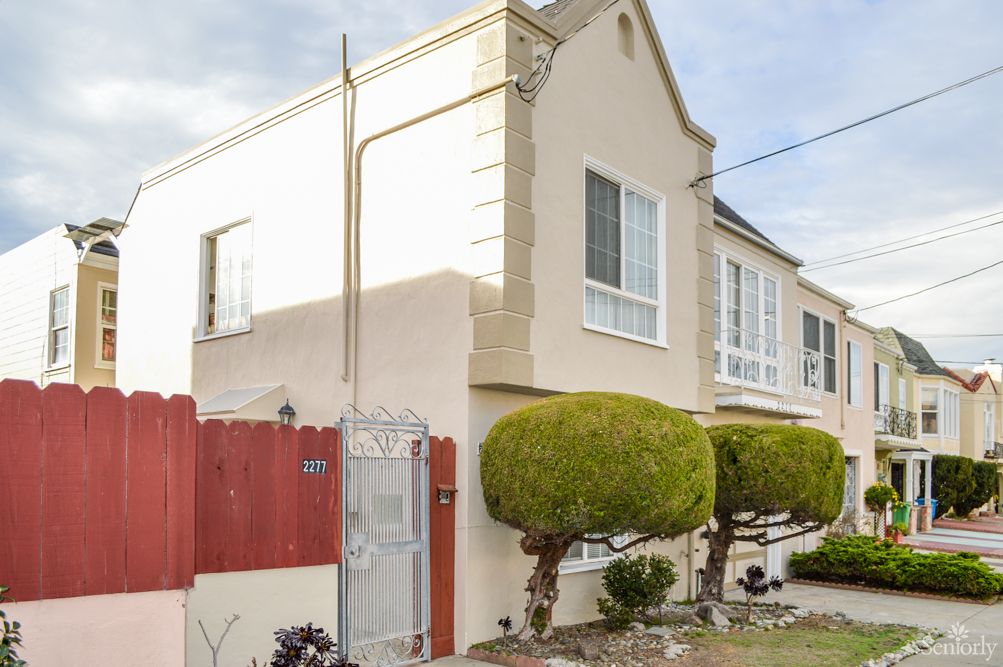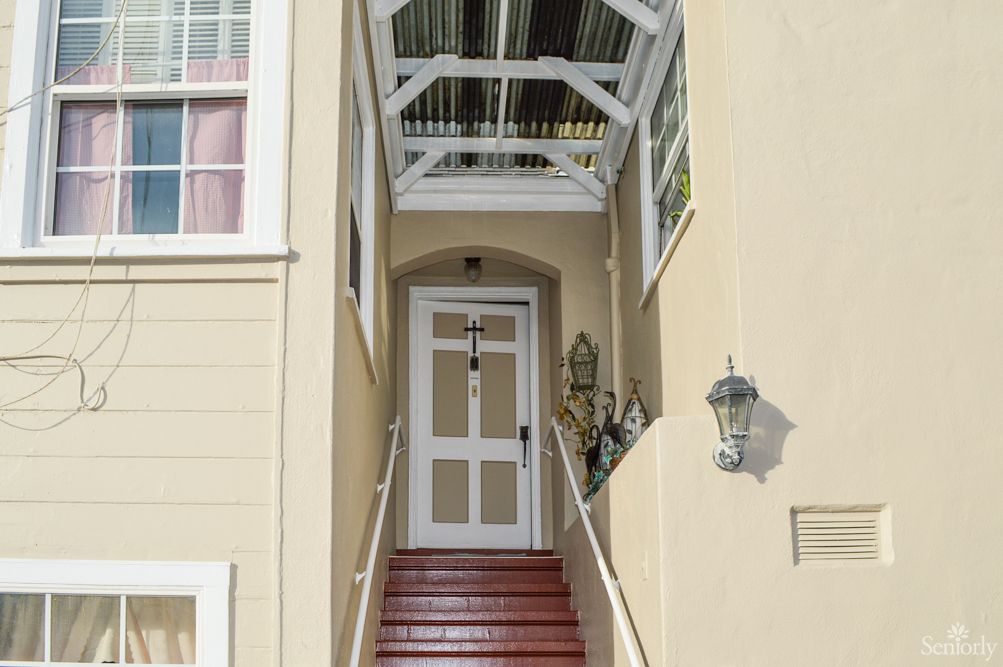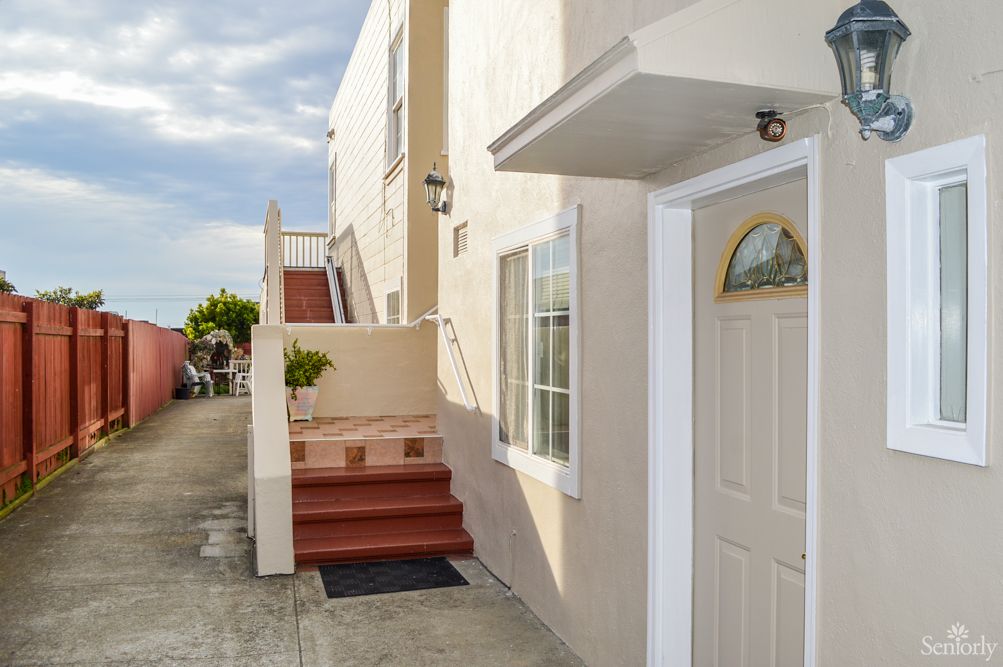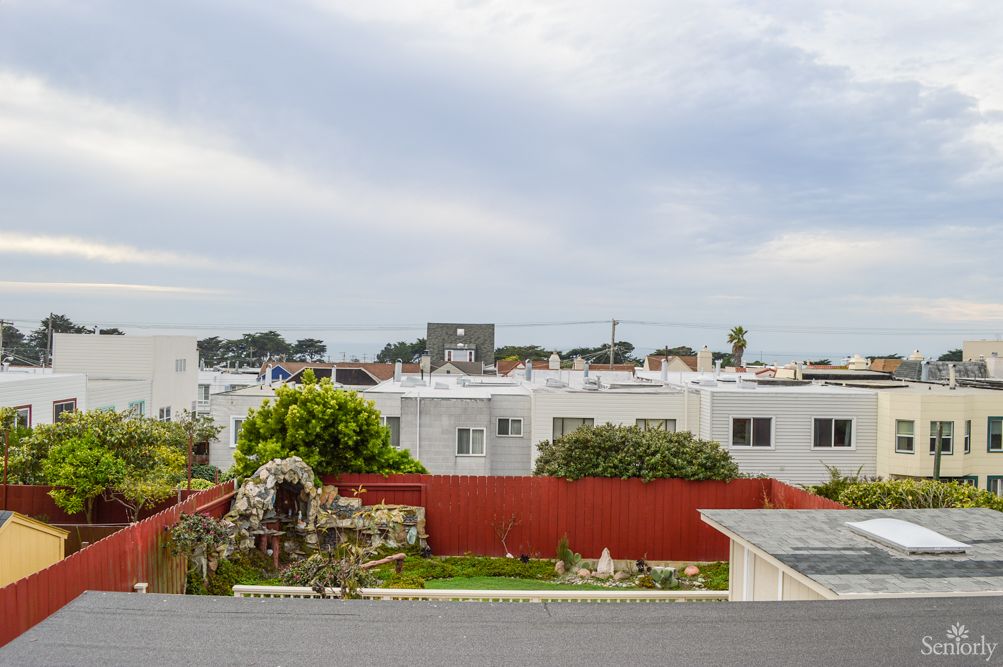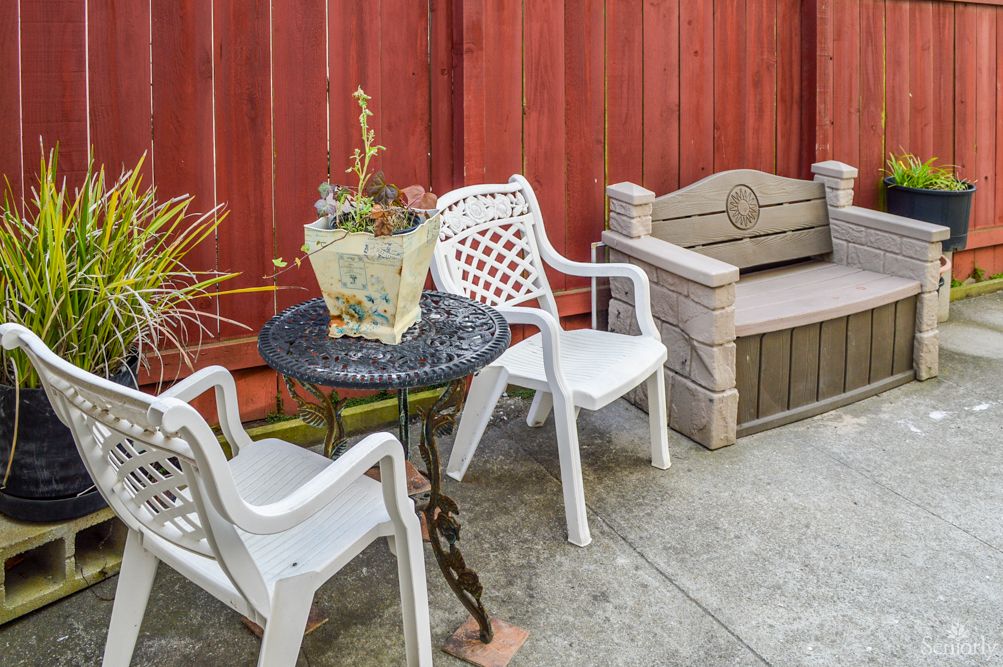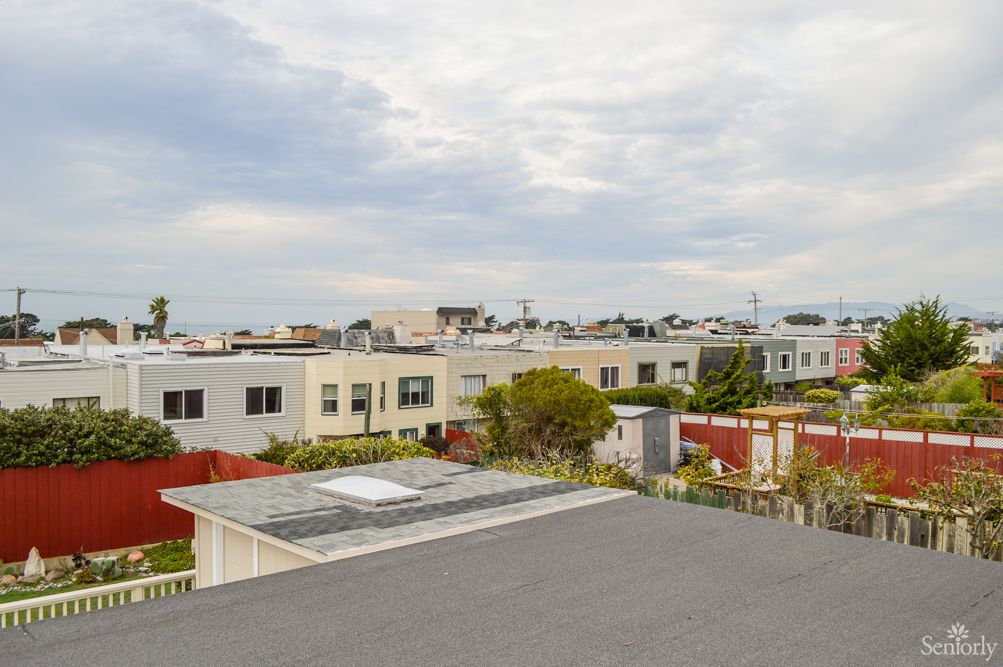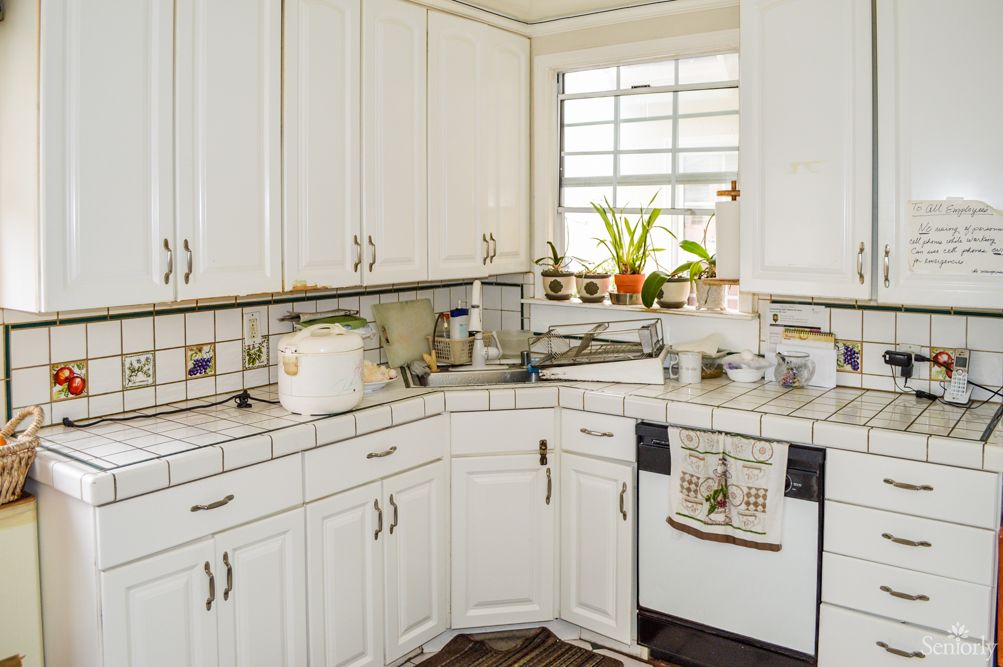
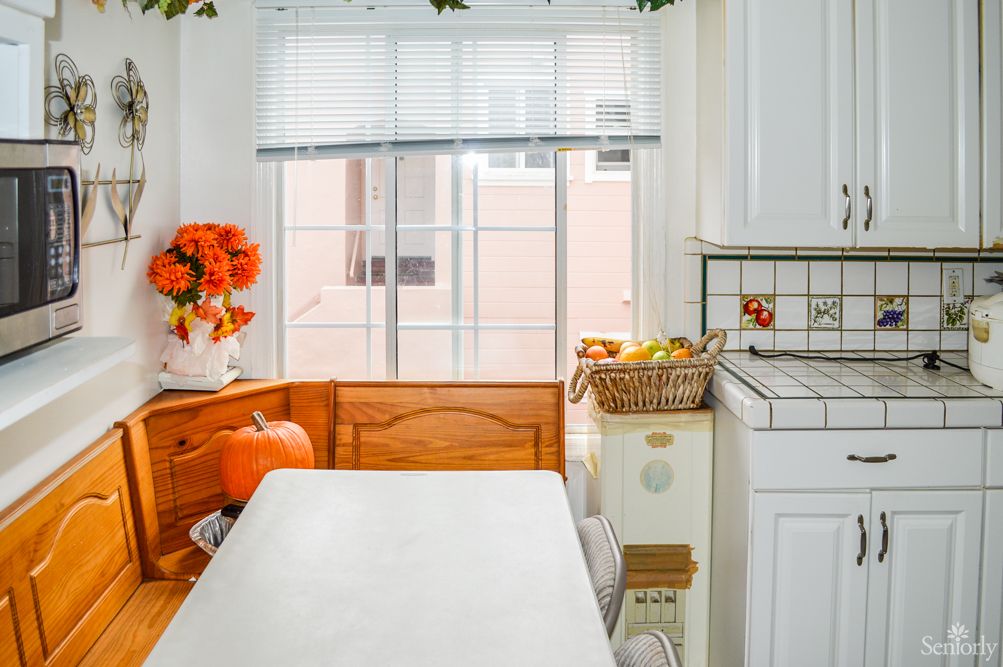

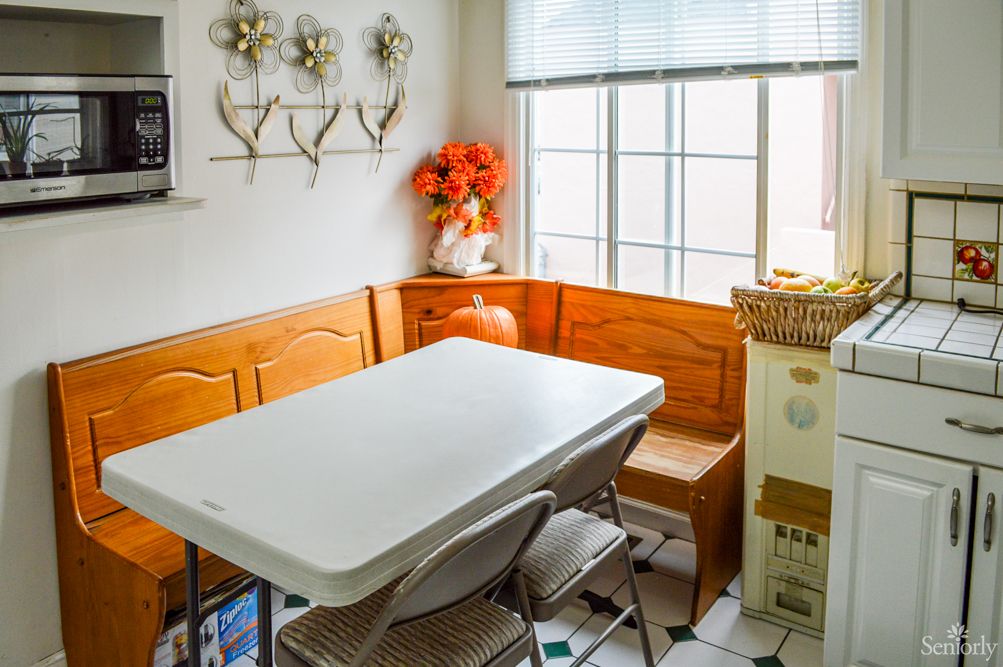
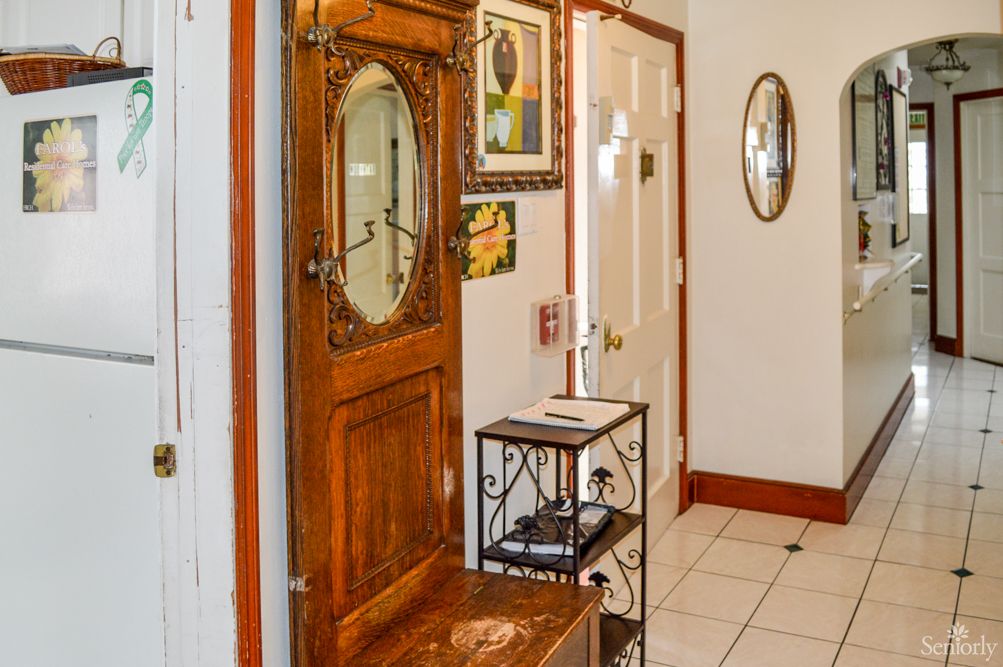
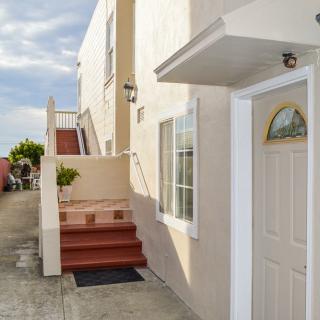




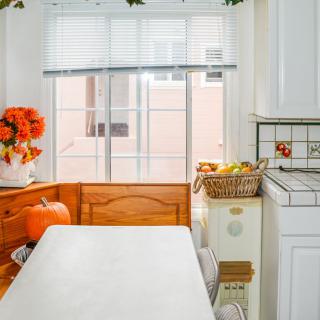
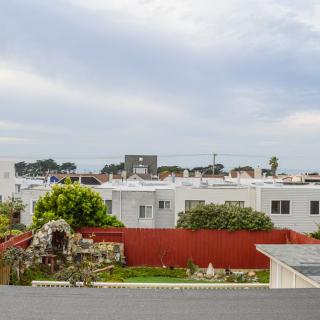

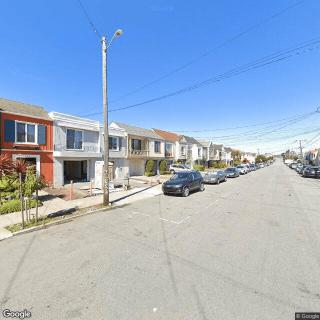
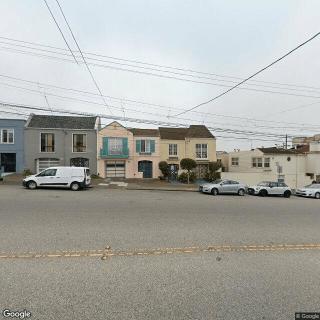
2277 33rd Avenue, San Francisco, CA 94116
For more information about senior living options: (866) 208-4318
Quality Care Homes 3 Costs & Pricing
At Quality Care Homes 3, the monthly rates for room types reflect a competitive positioning within San Francisco County and the broader California market. The semi-private rooms are priced at $3,800, aligning closely with the county's average of $3,979 while remaining significantly above the state average of $3,333. For private rooms, Quality Care Homes 3 charges $4,000, which is higher than both the county's rate of $3,591 and the state average of $3,939. This pricing strategy indicates a focus on offering quality amenities and services that justify the premium costs compared to nearby alternatives. Overall, while their prices may be on the higher side relative to some options in California, they present an appealing choice for individuals seeking quality care in a desirable location.
| Floor plans | Quality Care Homes 3 | San Francisco County | California |
|---|---|---|---|
| Semi-Private | $3,800 | $3,979 | $3,333 |
| Private | $4,000 | $3,591 | $3,939 |
Assisted Living communities with a similar price nearby
-
from -$605 / mo
Harbor Bay Assisted Living
$3,195 to $5,000 / month13.1 miles away -
from +$200 / mo
Golden Age Of Channing Way
$4,000 to $5,000 / month13.3 miles away -
from -$300 / mo
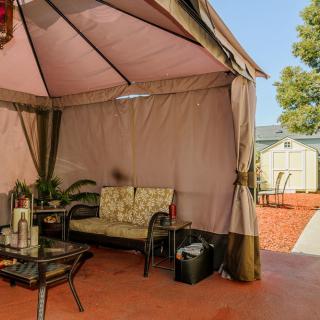
Blossom Garden Senior Home
$3,500 to $4,800 / month21.8 miles away -
from -$300 / mo
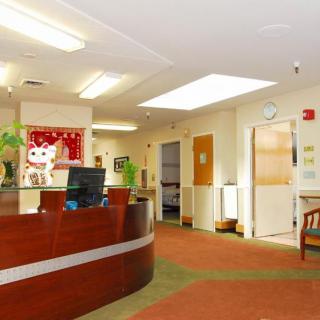
East Bay Assisted Living
$3,500 to $5,000 / month14.5 miles away -
from +$700 / mo
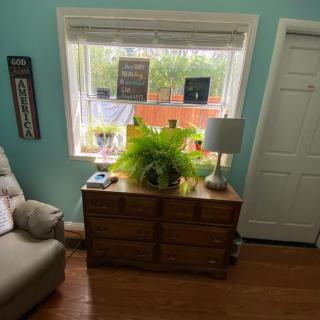
Lafayette Gardens
$4,500 to $5,000 / month22.8 miles away
Overall Review of Quality Care Homes 3
Pros
 The staff provided excellent care for the loved one.
- The reviewers were very pleased with the care received.
- The facility was nice and very clean.
- The staff were caring and professional.
Review
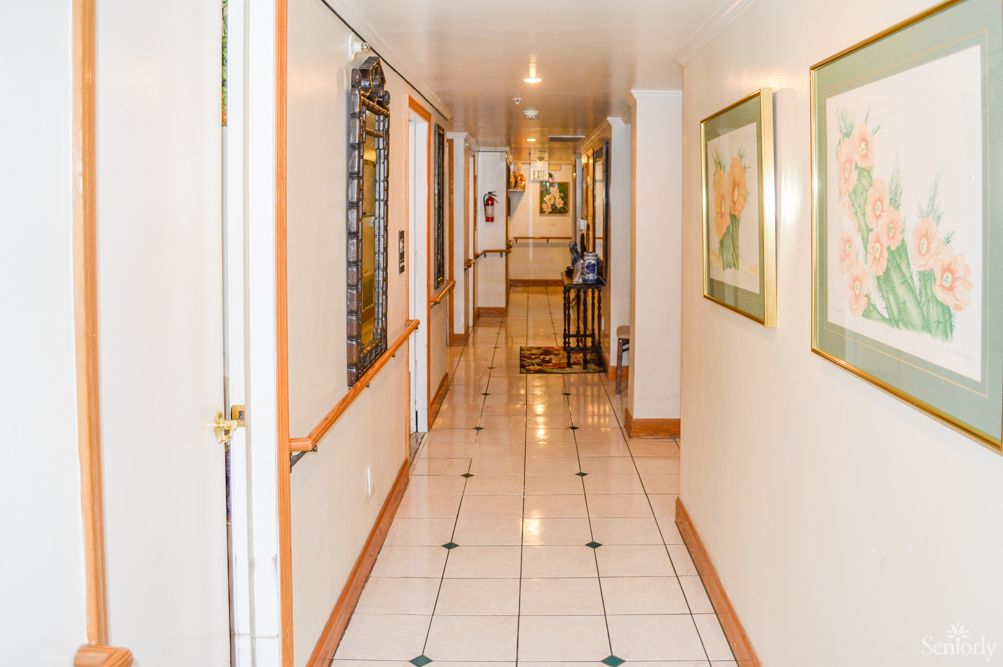
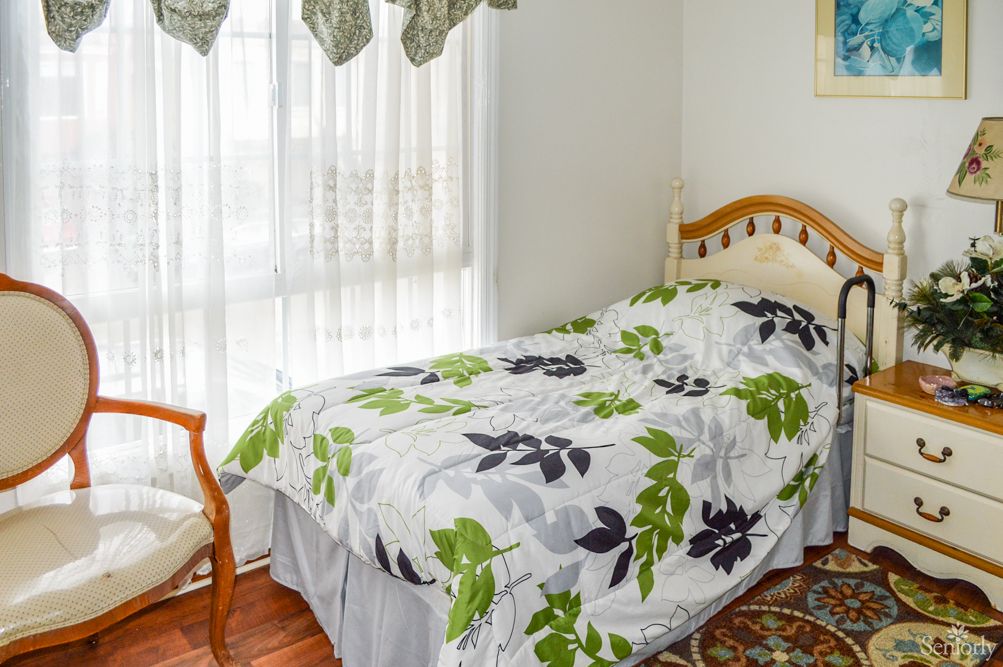
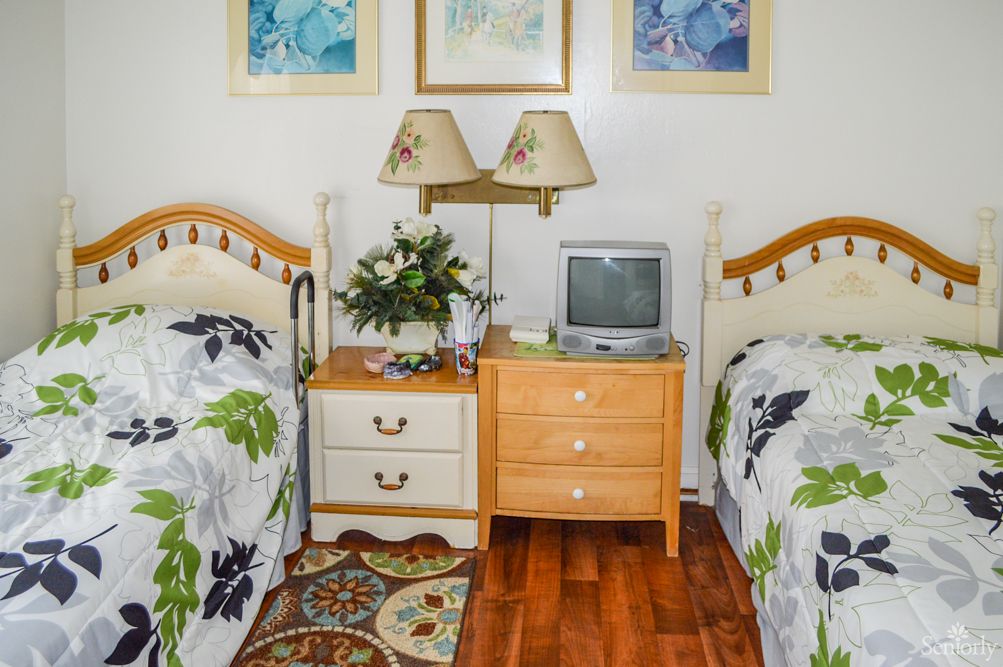
Quality Care Homes 3 in San Francisco is best suited for families seeking a clean, orderly, and low-fruss environment where a loved one can receive dependable daily care during a brief to moderate stay. The two reviews consistently emphasize a facility that looks nice, is kept very clean, and is staffed by individuals described as caring and professional. For families navigating post-acute recovery, transitional care after a hospital discharge, or a short interim arrangement while arranging longer-term housing, this community offers a straightforward, reassuring option that prioritizes basic comfort and reliable support over expansive programming.
Explicitly, those who may want to consider alternatives include families with long-term or highly specialized care needs. If memory care, intensive medical supervision, complex wound management, or robust social and cognitive engagement programs are non-negotiable, larger campuses or facilities with dedicated dementia care wings and 24/7 medical oversight could be more appropriate. Also, families that require extensive therapy services, transport coordination, or highly varied meal and activity options may find competing communities that offer broader service matrices a better fit for sustained residency.
The key positives, cleanliness, and staff who are described as caring and professional, offset, to a practical degree, the absence of a longer track record within these two reviews. A pristine, orderly environment lowers daily stress and supports safety, while attentive, respectful staff can deliver consistent routines, timely responses, and peace of mind during a limited stay. Yet the brief duration of the experiences means there is no demonstrated evidence of how the team handles chronic conditions, medication management over time, or the predictability of care during a longer, more demanding phase of aging.
What emerges from the current feedback is a believable sense of reliability in the near term. In a market like San Francisco, where options vary widely, Quality Care Homes 3 presents a focused, calm setting that minimizes noise and distraction while upholding hygiene and courtesy. Prospective residents should, however, push for deeper information about daily programming, dining quality, transportation options, and how family communication is managed on an ongoing basis, especially if a longer stay becomes necessary.
For decision-makers, the verdict hinges on the length and depth of care required. If the priority is a reassuring, low-friction environment for a temporary period, backed by clean surroundings and competent staff, the place is a sensible, practical choice. If the loved one will require extended supervision, ongoing rehabilitation therapies, or dementia-focused care, it is prudent to assemble a short list of alternatives and compare specifics side by side. The critical step is confirming that the facility can sustain consistent care over time and has a clear pathway for discharge or transition when needs evolve.
Actionable steps should guide the next move: schedule an in-person tour and observe how staff interact with residents; inquire about nurse-to-patient ratios, shift coverage, and how care plans are created and updated; request a sample menu and an activity calendar to gauge daily life beyond cuidados and safety checks; ask for current family references and details about emergency handling and transfer processes. With these checks, Quality Care Homes 3 can prove to be a solid, dependable option for families prioritizing cleanliness, a respectful staff, and a calm environment during a short-term stay, while keeping alternatives in view for longer or more specialized care trajectories.
 12 resident community capacity
 Assisted Living
 Board and Care Home
 Respite Care
 Cable or satellite TV
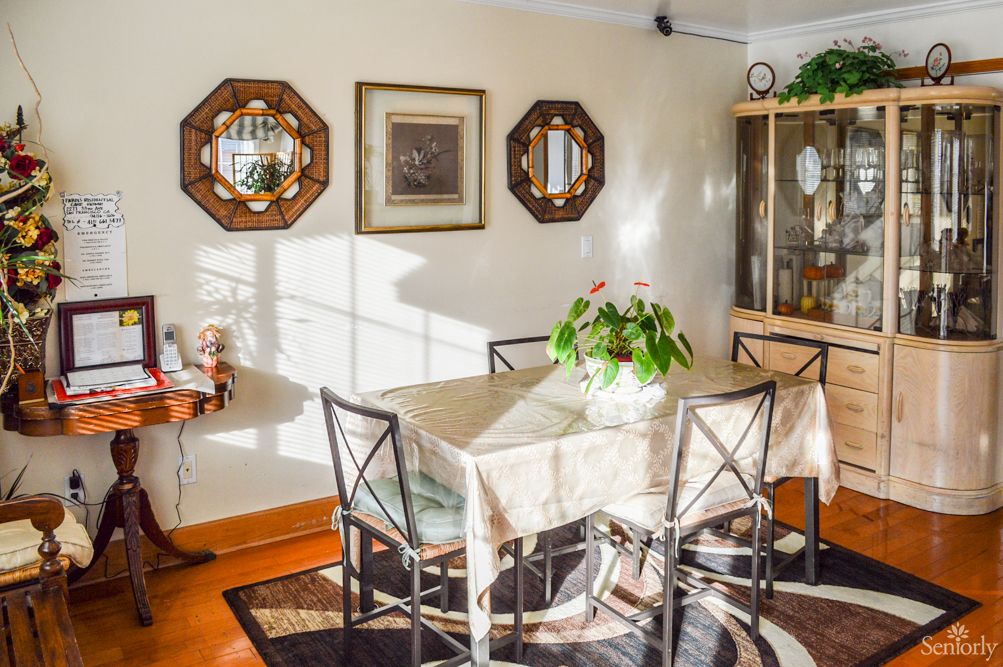
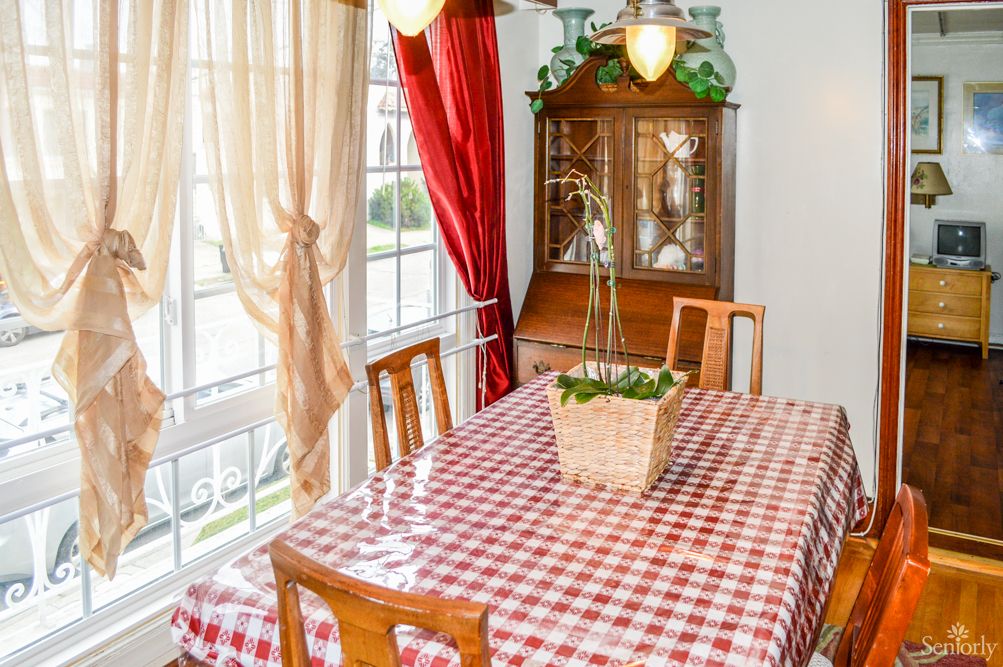
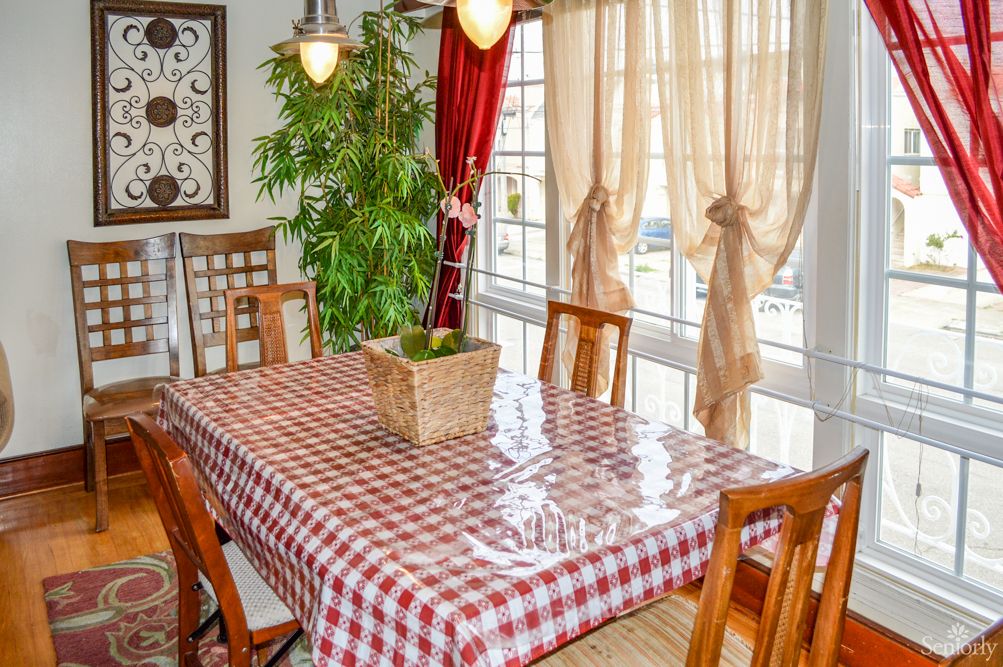
 Dining room
 Fully furnished
 Garden
 Housekeeping services
 Move-in coordination
 Outdoor space
 Private
 Small library
 Telephone
 San Francisco International (11 miles away)
 24-hour supervision
 Activities of daily living assistance
 Assistance with bathing
 Assistance with dressing
 Assistance with transfers
 Diabetes diet
 Diabetic care
 Meal preparation and service
 Medication management
 Special dietary restrictions

 Understanding the True Cost of Assisted Living in 2025: A Comprehensive Guide
 Understanding Medicaid Coverage for Assisted Living: A Comprehensive Guide
 How and When Medicaid May Cover Assisted Living Costs