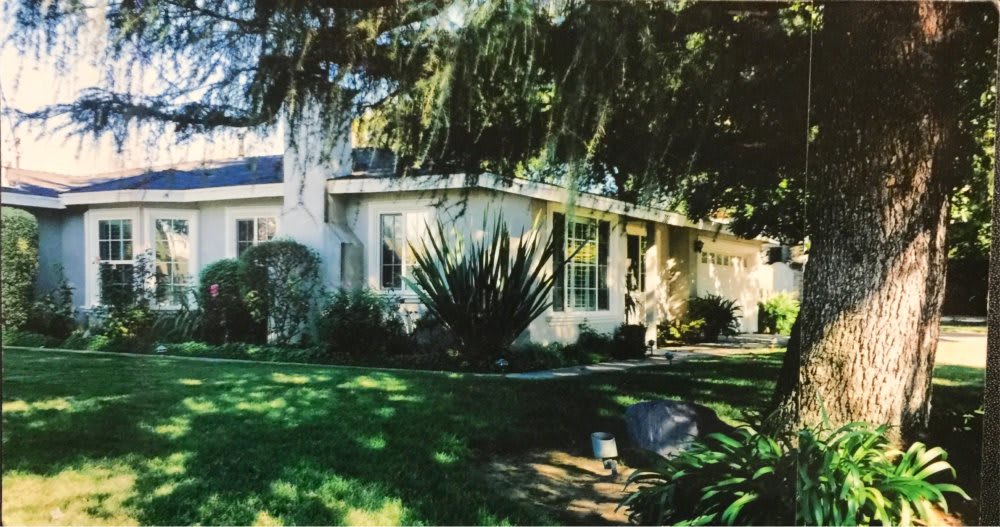
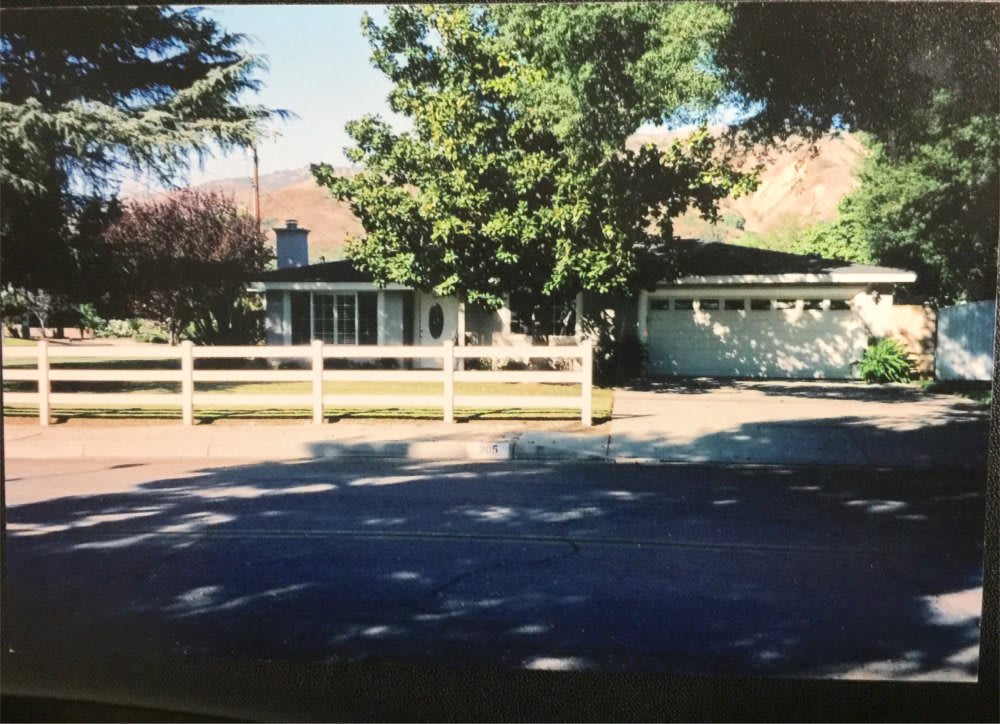
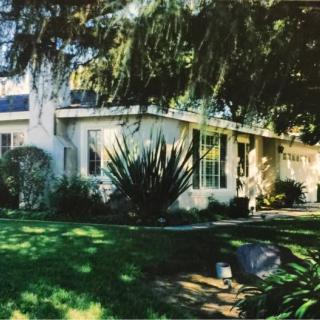
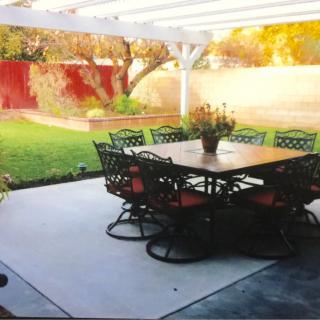
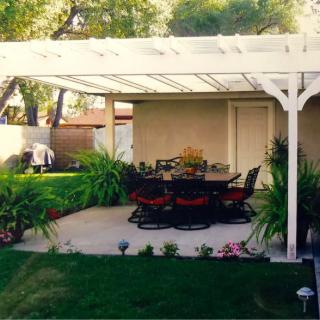
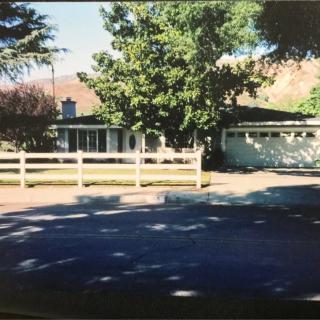
305 East Baseline Road, San Dimas, CA 91773
For more information about senior living options: (866) 208-4318
Chloie's Cottage II Costs & Pricing
Chloie's Cottage II offers a unique pricing structure that reflects its premium services and accommodations compared to average costs in Los Angeles County and throughout California. For semi-private rooms, Chloie's Cottage II charges $5,000 per month, which is significantly higher than the Los Angeles County average of $3,349 and the state average of $3,333. The rates for private rooms are also on the higher side at $6,000, compared to $4,197 in Los Angeles County and $3,939 statewide. This suggests that Chloie's Cottage II positions itself as a high-end option within the assisted living market, likely providing enhanced amenities and personalized care that justify its elevated price point.
| Floor plans | Chloie's Cottage II | Los Angeles County | California |
|---|---|---|---|
| Semi-Private | $5,000 | $3,349 | $3,333 |
| Private | $6,000 | $4,197 | $3,939 |
Assisted Living communities with a similar price nearby
-
from -$500 / mo
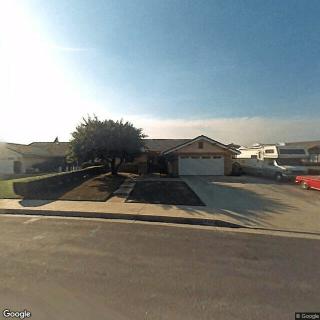
Heritage Senior Home Care
$4,500 to $4,800 / month0.9 miles away -
from -$500 / mo
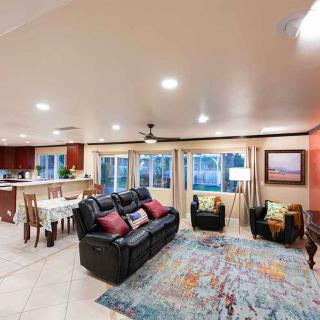
Casa Bella
$4,500 / month19.8 miles away -
from +$700 / mo
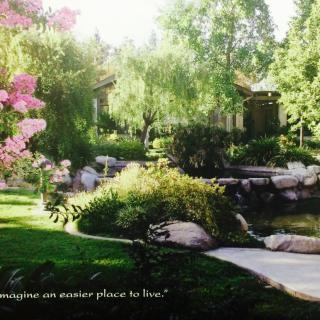
Mt. San Antonio Gardens
$5,700 to $8,550 / month4.3 miles away -
from -$500 / mo
Magnolia Court
$4,500 to $5,500 / month15.9 miles away -
from -$500 / mo
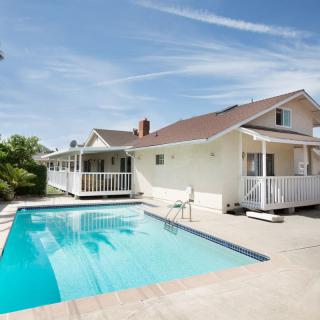
Blessings Senior Care
$4,500 to $5,500 / month23.2 miles away
Overall Review of Chloie's Cottage II
Pros
 The staff are very friendly, patient, and kind.
- They have a lift to transfer clients from bed to chair.
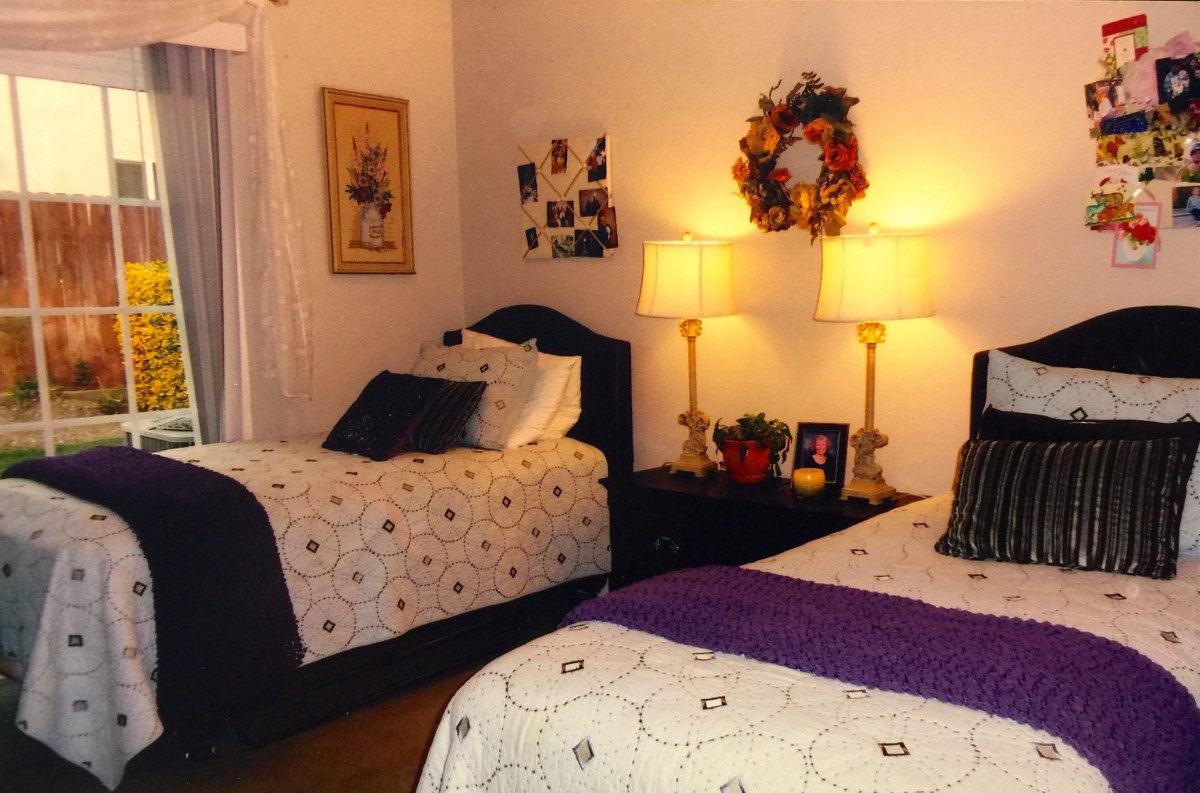
- The extra touches make it nice and comfortable.
- The meals look and smell incredible.
- Jewelry making was introduced and residents love it.
- They help residents settle in and keep families updated on their well-being.
- The owner, Linda, is described as great.
Cons
 Activities are few.
- The meals could be better; they are not cooked meals and rely on processed options.
- They wished there were more activities available.
Review
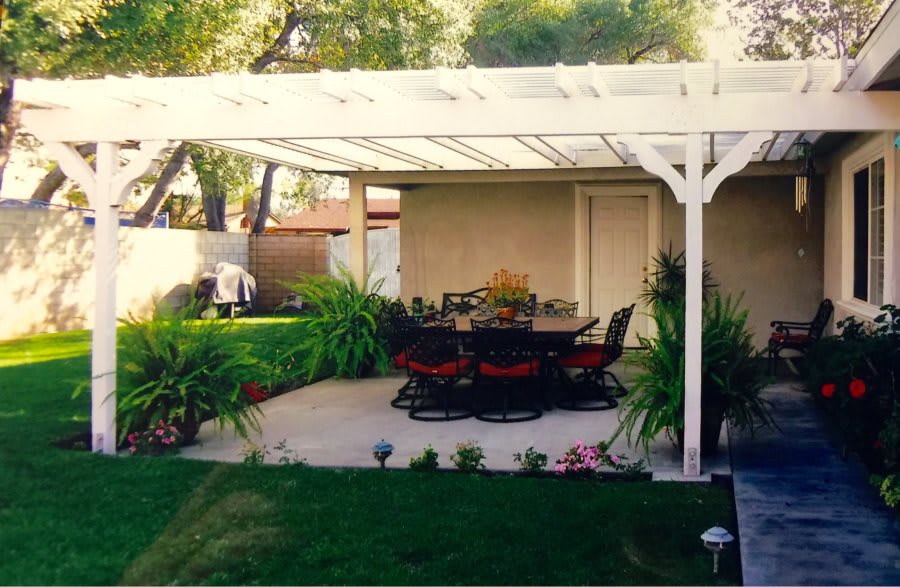
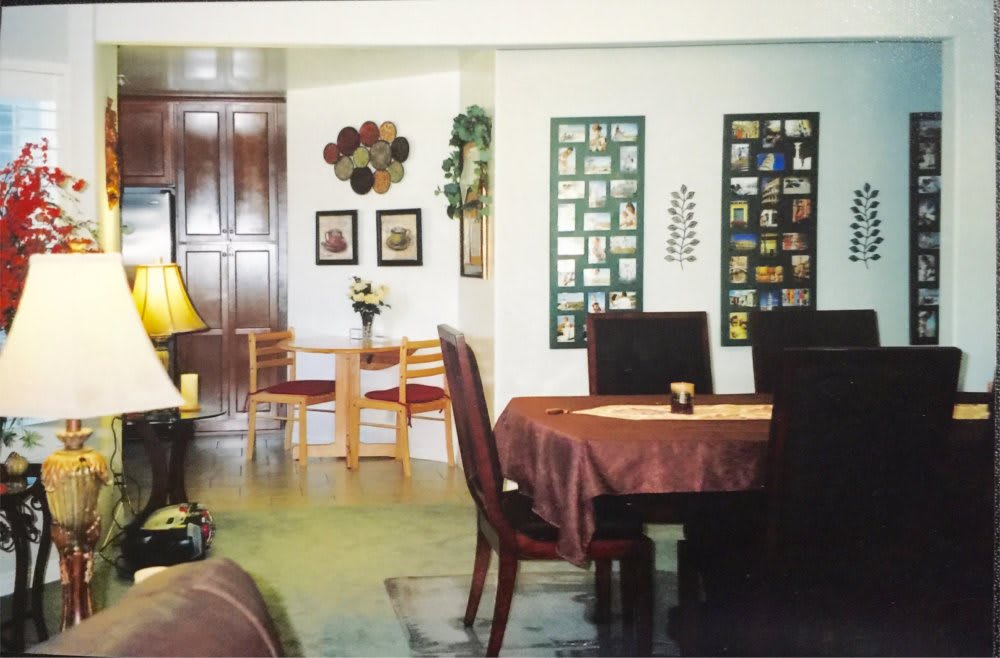
Chloie's Cottage II in San Dimas is best suited for seniors who want a small, home-like setting where staff know residents by name, respond quickly to gentle assistance needs, and where a hands-on owner is personally involved. It is a good fit for someone who requires occasional help with transfers, reminders, and daily routines but does not need continuous skilled nursing or a full slate of daily programming. The presence of a bed-to-chair transfer lift is a practical safety feature that reduces strain for both resident and caregivers, signaling a environment built around mobility limitations without sacrificing warmth. The overall atmosphere, clean, orderly, and infused with patient, kind caregiving, offers peace of mind for families navigating dementia care and transitions.
Families should note, however, that this community is less ideal for residents demanding intensive medical oversight or a richly scheduled activity calendar. The meals, while visually appealing and aroma-rich, may not satisfy those who insist on meals cooked from scratch rather than processed fare. Activities started modestly and expanded in response to family feedback, but the program remains lighter than in larger, more activity-focused facilities. For families prioritizing robust programming, frequent social engagement, or nutrition prepared with high culinary standards, alternatives should be considered to avoid any sense of unmet need.
On the upside, the staff consistently demonstrates friendliness, patience, and genuine kindness, which matters deeply in dementia care. The team’s approach helps residents feel safe and valued, reinforcing a sense of steadiness in a setting that can otherwise be unsettling. The owner, Linda, stands out as a dependable, involved leader who keeps families informed and reassured. Cleanliness and tidy surroundings reinforce daily comfort and safety, while practical touches, like the transfer lift, translate into real, everyday benefits. The personalized attention, from routine updates to responsive problem-solving, creates trust that families rely on when balancing care with daily life.
The main drawbacks cluster around activity variety and meal quality. The initial lack of engaging, structured activities can leave residents with limited stimulation, though the program has shown growth after direct requests for more programming. Meal criticisms center on the absence of from-scratch cooking, which some residents and families weigh heavily when evaluating overall nutrition and taste. This means the community may be perfectly adequate for those who place a premium on staff engagement and safety, but less compelling for those who want a bustling activity calendar and chef-prepared meals as a non-negotiable standard.
Yet these pros offset the cons in meaningful, practical ways. Warm, patient staff reduce anxiety for both resident and family, while the owner’s leadership provides a reliable, accountable point of contact. Regular, transparent updates help families stay connected without demanding constant in-person check-ins, a comfort during transitions. Staff responsiveness to requests, such as introducing jewelry-making, demonstrates a willingness to tailor activities to resident interests, turning a potential shortcoming into a genuine perk. The clean environment and safety features, including the lift, contribute to ongoing well-being and confidence in the care plan, smoothing the journey for families.
Overall, Chloie's Cottage II earns a solid endorsement for families seeking a modest, nurturing, home-like option where hands-on leadership and staff warmth carry the day. It delivers dependable support for residents who need light to moderate assistance and dementia-focused caregiving, with personal touches that make daily life feel more comfortable and individualized. For anyone weighing options, this community should be cross-checked against facilities offering deeper programming, more varied meals, and higher levels of medical oversight. Visit with clear criteria in mind: observe staff interactions, speak with the owner about care philosophy, sample a meal, and review activity options over several days to judge fit. The facility holds a 4.3 rating from three reviews, signaling a practical value that aligns with families prioritizing intimate, attentive caregiving over scale and culinary variety.
 6 resident community capacity
 Assisted Living
 Board and Care Home
 Cable or satellite TV
 Dining room
 Fully furnished
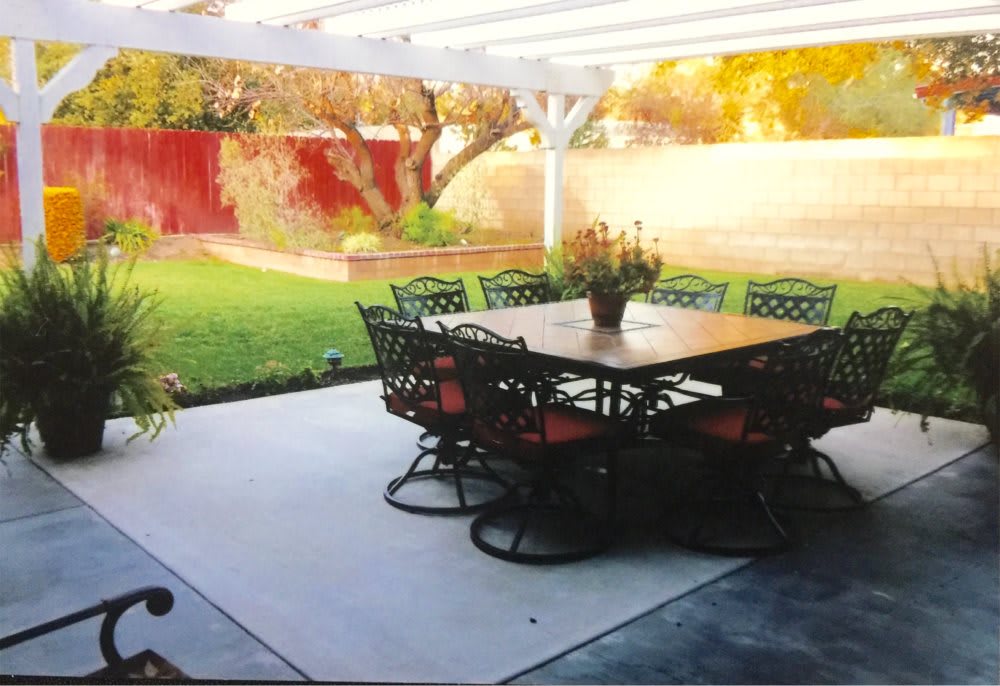
 Garden
 Housekeeping services
 Move-in coordination
 Outdoor space
 Private
 Telephone
 Wi-Fi/high-speed internet available
 Ontario International (12 miles away)
 24-hour supervision
 Activities of daily living assistance
 Ambulatory care
 Assistance with bathing
 Assistance with dressing
 Assistance with transfers
 Diabetes diet
 Meal preparation and service
 Medication management
 Special dietary restrictions
 Transportation arrangement (medical)
 Transportation to doctors appointments



 Senior Transition Services: Understanding Their Role, Cost, and Importance
 Exploring the Path to Senior Living: A Comprehensive Look at Independent Living and Assisted Living
 Is Assisted Living Deductible on Your Taxes? Understanding the Complexities of Assisted Living Expenses and Deductions