
1341 Sierra View Drive, Glendora, CA 91740
For more information about senior living options: (866) 208-4318
Overall Review of A Rainbow Of Care
Pros
 The home health aide's care was truly exceptional.
- The aide was kind, attentive, and patient from the very beginning.
- She ensured the patient felt comfortable, safe, and supported while encouraging independence.
- Her professionalism was matched by genuine warmth and compassion.
- She was thoughtful, anticipating the patient’s needs, offering a steady hand, and helping her participate in family activities.
- The aide treated the aunt with dignity and respect, giving the family peace of mind.
- A Rainbow of Care Home Health Services is highly recommended for reliable, compassionate in-home care.
- The staff provided loving, consistent support during hospice and were always available when needed.
- The staff advocate for the elderly, which is refreshing.
- Rainbow of Care surpassed expectations in caring for a friend with Alzheimer’s, enabling him to stay at home longer; Regina Carter and her team were amazing to work with.
Cons
 Some companies/people take advantage of the elderly.
Review
A Rainbow of Care Home Health Services is best suited for families seeking highly compassionate, hands-on in-home support that lets a loved one stay at home despite mobility challenges, early memory concerns, or during hospice transitions. The service excels when a caregiver team can be relied upon to provide steady assistance with walking, safety concentration, and daily activities, while preserving independence and dignity. This provider shines for those who value warmth, professionalism, and a steady, comforting presence that can accompany family life rather than relocate to a facility. In short, it is a strong fit where home remains the central setting and trusted, proactive care is the priority.
Those who may want to consider alternatives include families needing round-the-clock nursing supervision or a structured residential environment with extensive social programming. For residents requiring constant, facility-based oversight or highly coordinated 24/7 care, a traditional assisted living or memory-care community may better align with expectations. Geography and scheduling realities can also drive the search toward other options if coverage needs exceed what in-home services can reliably provide or if a more predictable daily routine outside the home is paramount.
The strongest positives center on the caregiver relationship: genuinely warm, patient, and professional aides who anticipate needs, support walking with a steady hand, and promote participation in family life. This combination translates into practical gains, greater confidence in mobility, a safer daily routine, and ongoing participation in shared activities, without relinquishing independence. The service operates with a clear commitment to dignity and respect, and families repeatedly cite reliable availability and a reassuring presence during transitions such as hospice or hospital stays. Those gains are not cosmetic; they translate into real peace of mind for both recipients and their families.
Yet the in-home model carries inherent trade-offs that demand candid consideration. While the aides are exemplary, the arrangement can hinge on caregiver continuity and scheduling availability, which may influence consistency over time. For some households, 24/7 supervision or a fixed, venue-based social calendar is harder to achieve than in a dedicated living environment. Money and logistics can also become factors, especially when higher hours or multiple aides are needed. The offset comes from the relationship-driven care, the advocacy for the elderly, and the ability to stay in a familiar home setting, elements that reduce anxiety and delay transitions to more restrictive arrangements.
From a practical decision-making standpoint, clear questions should guide the engagement: What geographic areas are covered, and what are the exact hours of service? How is care coordinated with physicians, hospice teams, and therapists, and who is responsible for case oversight? What is the process for staffing continuity when a primary aide is unavailable, and how are emergencies handled after-hours? Are there specialized protocols for memory care or mobility impairment, and what training do caregivers receive in those areas? Getting precise answers to these questions helps ensure the care plan remains aligned with the recipient’s goals and safety.
The bottom line is decisive: for families prioritizing compassionate, capable in-home care that preserves independence, A Rainbow of Care stands out as a thoughtful, trustworthy choice. It offers a proven track record of warmth, advocacy, and dependable service that makes staying at home feasible and emotionally sustainable. If the aim is to avoid or delay relocation to an assisted living setting while maintaining high-quality daily support, this provider delivers with remarkable clarity. When the need calls for a more supervised, community-based environment or for 24/7 professional nursing, alternatives deserve consideration, but the strengths here often make the difference between a difficult transition and a dignified, enduring home life.
 6 resident community capacity
 Assisted Living
 Board and Care Home
 Cable or satellite TV
 Dining room
 Fully furnished
 Garden
 Housekeeping services
 Move-in coordination
 Outdoor space
 Telephone
 Wi-Fi/high-speed internet available
 Ontario International (13 miles away)
 24-hour supervision
 Activities of daily living assistance
 Assistance with bathing
 Assistance with dressing
 Assistance with transfers
 Diabetes diet
 Meal preparation and service
 Medication management
 Special dietary restrictions
 Transportation arrangement (medical)
 Transportation to doctors appointments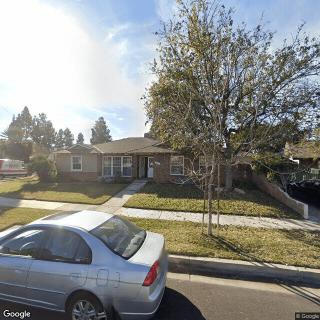








 Understanding the Distinctions: Assisted Living and Memory Care Explained
 Guiding Elderly Parents Who Refuse Assisted Living: 6 Practical Steps
 Your Comprehensive Guide to Luxury Assisted Living: Elevated Facilities, Amenities, and Costs