
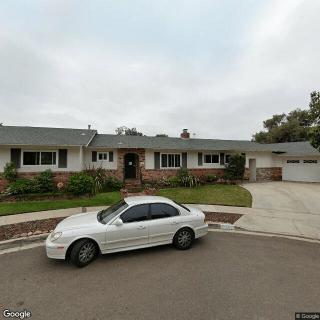
4626 Twain Avenue, San Diego, CA 92120
For more information about senior living options: (866) 208-4318
Overall Review of Twain Residential Care
Pros
 It is a great place to live.
- The staff is very professional and treats residents like family.
- The food is cooked fresh and tastes great.
- It is a safe place for a family member or a resident, and one won't be disappointed.
Review
Twain Residential Care in San Diego is best suited for seniors who prize a warm, family-like environment, paired with professional, attentive staff and meals prepared fresh on site. The community clearly centers on a culture of taking care of residents as if they were family, which translates into dependable daily support and a reassuring sense of safety. For seniors who want steady routines, personal connection, and a feeling of belonging, Twain offers a compelling, low-stress atmosphere that makes the transition into assisted living feel natural rather than transactional.
Those who should consider alternatives are clear: anyone needing high-level medical supervision, intensive memory-care support, or a campus with a broad, varied activity calendar and abundant amenities. If a resident requires round-the-clock nursing oversight, highly specialized dementia care, or extensive on-site programming and social opportunities, larger or more specialized facilities may better meet those needs. Budget-conscious families or those seeking broader transportation options or more independence-enhancing features may also want to explore other options before deciding.
The standout pros, the professional staff, the sense of being treated like family, and the fresh, tasty meals, combine to offset common drawbacks associated with smaller residential-care settings. A staff that presents itself as genuinely caring tends to yield quicker responses to needs, stronger daily monitoring, and more personalized attention. The family-like treatment reduces isolation and anxiety for both residents and their families, creating a trusted, low-conflict caregiving dynamic. Freshly cooked meals contribute not only to enjoyment but also to nutrition and appetite, which are crucial in maintaining health and mood. Taken together, these strengths help neutralize potential concerns about limited programming or a smaller-scale operation.
However, the absence of explicit cons in the available feedback does not erase typical realities of residential care. Potential gaps to probe include the size of the activity calendar, transportation options for appointments or outings, and the level of medical integration within the building. For families weighing Twain against other options, these are the areas where differences in service models often matter most. In practice, smaller settings excel at warmth and attentiveness but can lag behind larger communities in breadth of activities or complexity of medical services. A candid comparison will reveal whether the trade-offs align with the resident’s social preferences and health needs.
To gauge fit, focus on practical assurances during a visit: confirm staff-to-resident ratios across shifts, understand who administers medications and how often med reviews occur, and ask about the care-planning process and how changes are communicated to family members. Inquire about meal planning and dietary accommodations, and observe the dining environment for how well residents socialize during meals. Clarify what is included in the monthly rate versus add-ons, and discuss emergency procedures, on-call nursing coverage, and access to outside healthcare providers when needed. These details will illuminate whether the presumed warmth and safety translate into reliable, day-to-day reliability for the intended resident.
In the end, Twain Residential Care stands out for families who value a homey, respectful setting where staff are consistently professional and meals are genuinely enjoyable. It represents a strong choice for those seeking a safe, emotionally supportive home with close-knit supervision and a personal touch that feels like family care. For residents requiring extensive medical supervision, dementia-focused programming, or a larger, more activity-rich environment, alternatives should be explored to ensure alignment with medical needs and lifestyle preferences. The decisive factor will be how well daily routines, social engagement, and medical support converge with the resident’s personality, independence level, and health trajectory.
 12 resident community capacity
 Assisted Living
 Board and Care Home
 Cable or satellite TV
 Dining room
 Fully furnished
 Garden
 Housekeeping services
 Move-in coordination
 Outdoor space
 Telephone
 Wi-Fi/high-speed internet available
 San Diego International-Lindbergh (7 miles away)
 24-hour supervision
 Activities of daily living assistance
 Assistance with bathing
 Assistance with dressing
 Assistance with transfers
 Diabetes diet
 Meal preparation and service
 Medication management
 Special dietary restrictions
 Transportation arrangement (medical)
 Transportation to doctors appointments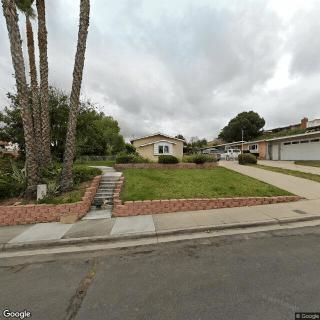





 Medicare Coverage for Assisted Living: An In-Depth Exploration
 Choosing the Right Senior Care: A Detailed Exploration of Assisted Living and Nursing Homes
 Understanding the True Cost of Assisted Living in 2025: A Comprehensive Guide