Torrey Pines Senior Living offers a range of accommodations with pricing that reflects the high-quality services and amenities provided. For instance, the monthly cost for a studio is $4,995, which is notably higher than both the San Diego County average of $4,217 and the California state average of $4,145. Similarly, one-bedroom units at Torrey Pines are priced at $6,395, surpassing county and state averages of $4,315 and $4,340 respectively. The semi-private rooms also align with this trend, costing $6,395 compared to significantly lower local averages of $3,518 in San Diego County and $3,333 statewide. Lastly, two-bedroom accommodations are priced at $7,995 - a premium relative to the county's average of $5,219 and California's average of $5,270. These figures indicate that while Torrey Pines Senior Living may come at a higher price point than nearby alternatives, residents benefit from enhanced living conditions tailored for comfort and support.
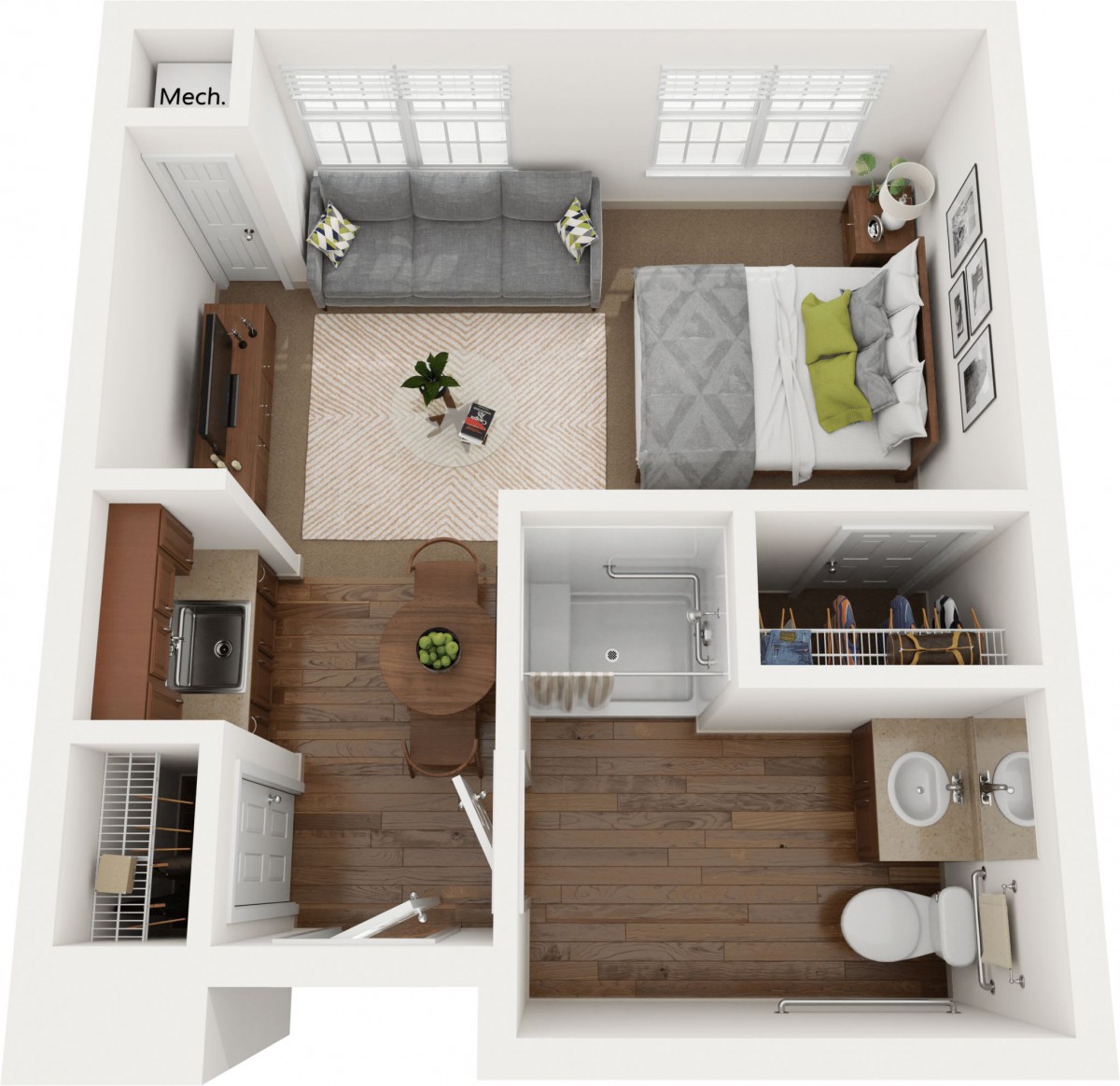
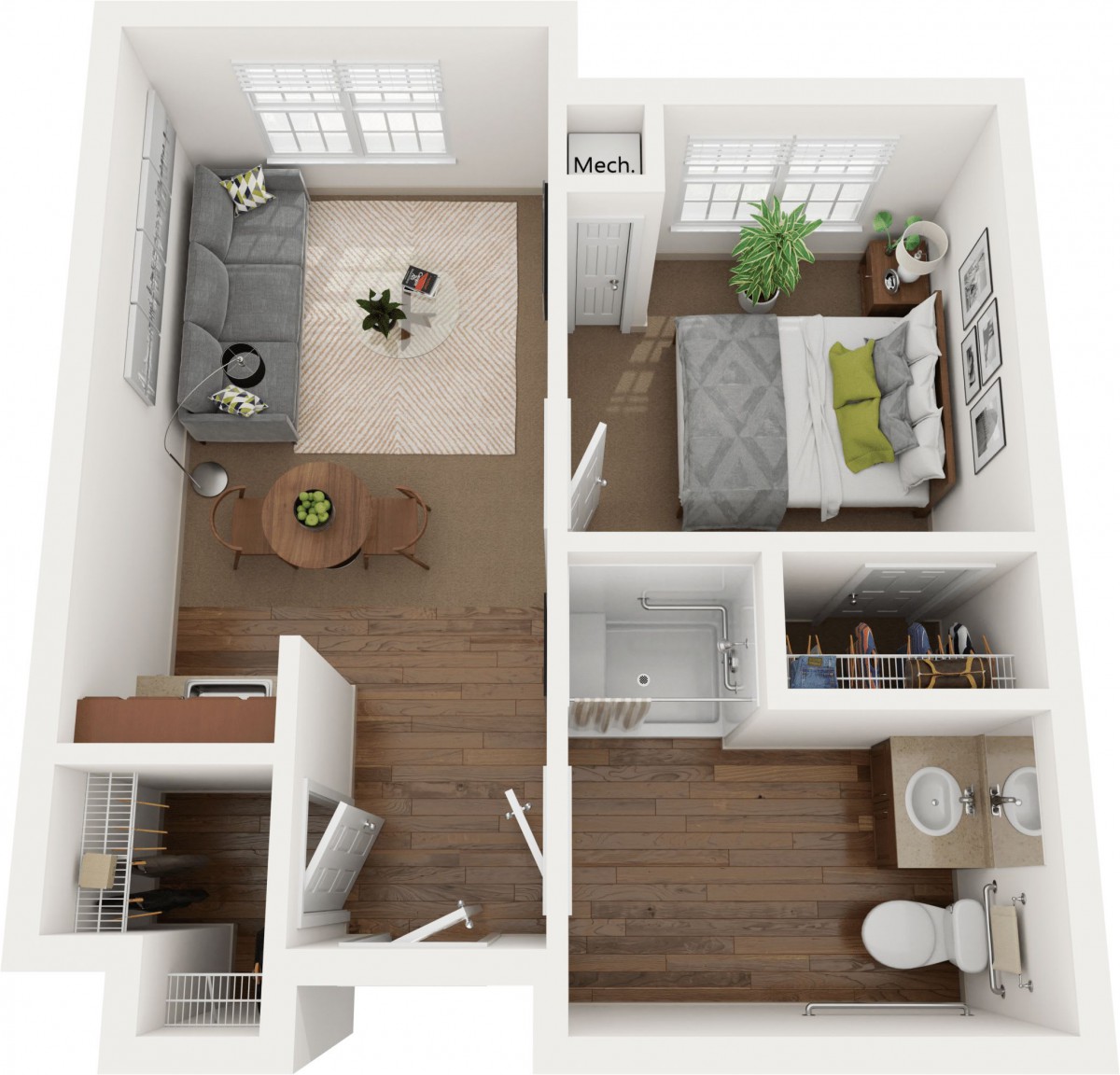
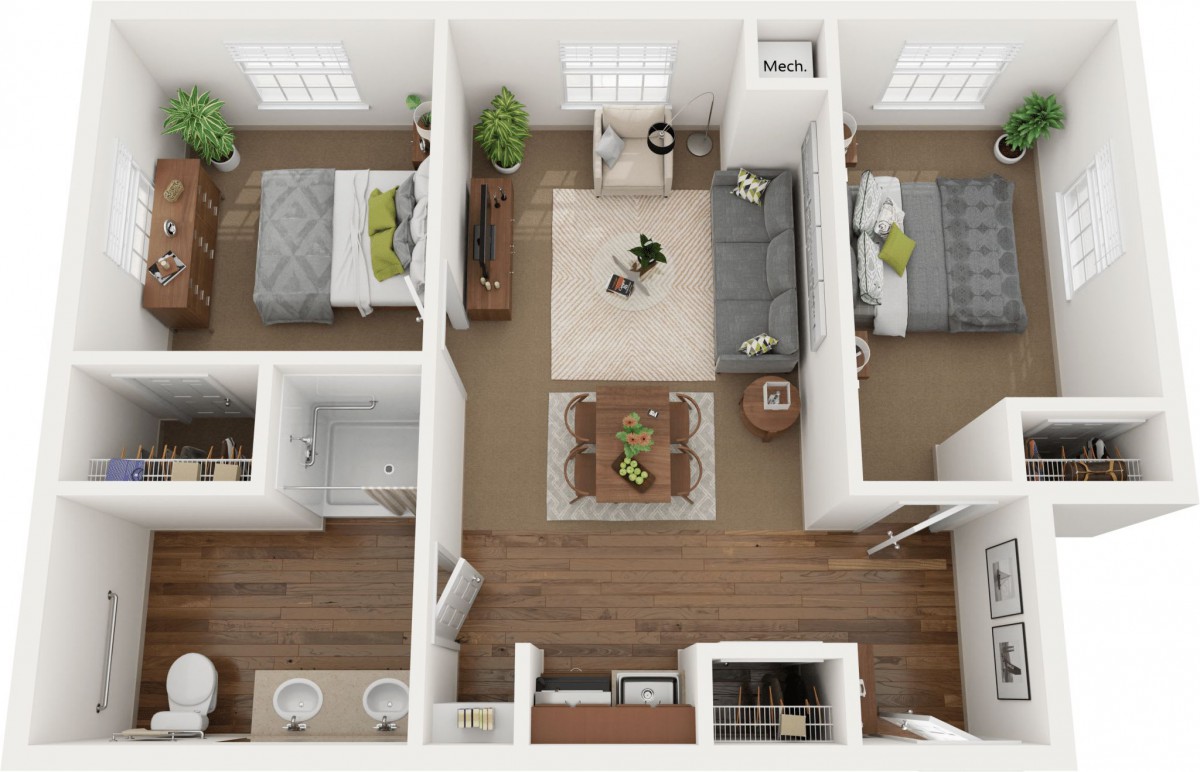
Floor plans
Torrey Pines Senior Living
San Diego County
California
Studio
$4,995
$4,217
$4,145
1 Bedroom
$6,395
$4,315
$4,340
Semi-Private
$6,395
$3,518
$3,333
2 Bedrooms
$7,995
$5,219
$5,270
Memory care communities with a similar price nearby
Residents and families consistently describe staff as caring, responsive, and helpful.
A large share of reviewers say the staff is warm, friendly, and attentive in day-to-day moments, from the front desk to nursing and therapy. Multiple reviews describe caregivers going out of their way to help residents feel comfortable and supported, including during rehab and recovery. Several also mention frequent communication and the sense that staff took their concerns seriously. The overall pattern is that families feel their loved ones are treated with respect and that help is available when it’s needed.
common36 reviews mention this
Clean, well kept environment
Many reviews emphasize a clean, maintained facility.
Residents and visitors repeatedly comment that the building feels clean, organized, and well maintained. Reviews describe it as welcoming and bright, with housekeeping teams keeping spaces in good shape. A few reviews raise cleanliness problems, including reports about dirty items and dirty carpets, which stands out against the broader tone. Overall, cleanliness is a frequent part of why reviewers feel comfortable visiting or staying.
differentiator28 reviews mention this
Therapy and skilled care stand out
Skilled nursing and therapy support is a frequent reason families recommend the community.
Many reviewers connect their positive experience to rehabilitation therapy, describing physical and occupational therapists as patient, knowledgeable, and effective. Several mention wound care and hands-on nursing support during longer stays, including time-focused attention to medical needs. The community also offers care services tied to ongoing health management such as medication management and incontinence and diabetic care, which aligns with the kinds of support reviewers describe during recovery. Where reviews are negative, the concerns also tend to center on care response and day-to-day nursing follow-through rather than the facility itself.
caveat5 reviews mention this
Memory care staffing concerns
Some memory care reviewers say staffing is not enough for comfort and well-being.
A recurring concern in a smaller number of reviews is that the memory care unit does not have enough staff to meet residents’ comfort and well-being. One reviewer specifically calls out the caregiver-to-resident ratio and asks for more staffing. Other memory-care related feedback is more positive about residents being engaged and cared for, but the staffing limitation is still mentioned as a clear gap. If memory care is a priority, it’s worth asking how the community plans staffing coverage during busy times.
caveat9 reviews mention this
Meals earn mixed feedback
Dining feedback ranges from enjoyable meals to complaints about taste and service.
Some reviewers praise food quality and special meals, including holiday or luncheon experiences. Others report more negative dining experiences, such as tasteless or poorly presented meals and hygiene issues noticed during mealtime. A separate concern mentions dining room noise during meals, linked to kitchen activity near the dining area. While dietary options are part of the community’s dining offering, the reviews show that day-to-day consistency can vary.
caveat3 reviews mention this
Pricing feels high to some
Some reviewers feel pricing does not match the room or value.
A few reviews express frustration with cost, including comments about charging too much for the size of a room. Another reviewer says the community was more expensive than other places they looked at. The pricing position shown for unit types indicates rates that run above or near the county and state comparisons, which helps explain why price/value concerns come up in reviews. Even with strong care feedback overall, cost is still a theme for some families.
common4 reviews mention this
Nearby medical and daily errands
Family members have nearby options for healthcare and everyday stops.
Reviewers mention the convenience of getting to medical appointments, and the area includes close-by healthcare options. The nearby list includes a local physician office and hospital sites within roughly a few miles, along with pharmacies and casual dining. This can make it easier for families to handle errands and visits without traveling far. Still, a couple of reviews also mention practical issues like parking or items being misplaced, which are worth considering during a visit.
How we summarize
Counts show how many written reviews mention each theme; a review can touch several themes, and only frequently mentioned themes are displayed.
Features
Types of Care
Assisted Living
Independent Living
Memory Care
Amenities
Activities off-site
Activities on-site
Air-conditioning
Bath tubs
Beautician on-site
Cable or satellite TV
Devotional services off-site
Devotional services on-site
Ground floor units
Handicap accessible
Indoor common areas
Kitchenette
Outdoor common areas
Respite or short term stays offered
Wheelchair accessible showers
Wi-Fi/high-speed internet available
Transportation
MC Clellan-Palomar Airport (12 miles away)
San Diego International-Lindbergh (16 miles away)
Care Services
Diabetic care
High acuity care
Incontinence care
Medication management
Dining
Gluten-free
Guest meals
International cuisine
Kosher
Low / no sodium
Meals provided
No Sugar
Professional chef
Restaurant style dining
Room service
Special dining programs
Vegan
Vegetarian
Activities
Art classes
Catholic services
Cooking classes
Devotional activities offsite
Devotional activities on-site
Educational speakers / life long learning
Jewish services
Live well programs
Other religious services
Visiting Rabbi
Visiting chaplain or priest
Nearby Places of Interest
Located in the vibrant city of San Diego, this area offers a variety of amenities and services suitable for seniors looking to transition into senior living. With several reputable physicians, pharmacies, and hospitals nearby, residents can easily access quality healthcare services. For those who enjoy outdoor activities, there are multiple parks within a few miles where they can take leisurely walks or enjoy nature. Additionally, there are numerous cafes and restaurants in the vicinity where seniors can socialize with friends or enjoy a meal out. The convenient transportation options make it easy to explore other parts of the city, while the nearby theater provides entertainment options for those who appreciate cultural outings. Overall, this part of San Diego offers a well-rounded and accessible living environment for seniors.
Physicians
Jennifer Barkley, MD - Sharp Rees-Stealy Carmel Valley (0.3 miles)
Pearl Mini IVF (4.3 miles)
Stahl Richard Dr Scripps Cardiovascular Thoracic Surgery Group La Jolla (5 miles)
Sulpizio Cardiovascular Center at UC San Diego Health (5.4 miles)
UC San Diego Health - La Jolla 8910 Villa La Jolla Drive (6 miles)
Carmel Mountain Vision Care (6 miles)
NVISION Eye Centers (6.1 miles)
Pharmacies
Rite Aid (0.3 miles)
CVS Pharmacy (1.1 miles)
CVS Pharmacy (3.1 miles)
CVS Pharmacy (3.3 miles)
Rite Aid (5.6 miles)
CVS Pharmacy (5.7 miles)
Walgreens (5.8 miles)
Cafes
Sidecar Doughnuts & Coffee (0.3 miles)
Blue Bottle Coffee (0.5 miles)
Bird Rock Coffee Roasters (2.2 miles)
Barefoot Coffee Roasters (3.1 miles)
Claire's on Cedros (3.6 miles)
Blue Bottle Coffee (6 miles)
Goodonya (6.7 miles)
Hospitals
Scripps Clinic (1.4 miles)
Scripps Clinic Torrey Pines (4.1 miles)
Scripps Green Hospital (4.2 miles)
Scripps La Jolla Emergency Room And Trauma Center (4.9 miles)
Scripps Memorial Hospital La Jolla (5 miles)
UC San Diego Jacobs Medical Center (5.5 miles)
Scripps Memorial Hospital Encinitas (6.4 miles)
Parks
Solana Ranch Park (2.2 miles)
Torrey Pines State Natural Reserve (2.9 miles)
Fletcher Cove Park (3.5 miles)
San Elijo Lagoon Nature Center (4.7 miles)
Camino Ruiz Community Park (5.2 miles)
Mira Mesa Community Park (6 miles)
Los Peñasquitos Canyon Preserve (6.1 miles)
Restaurants
Jake's (2.3 miles)
The Fish Market Del Mar (2.3 miles)
Brigantine (2.8 miles)
Gravity Heights S (4.5 miles)
Chart House (4.8 miles)
Pacific Coast Grill (4.9 miles)
Raising Cane's Chicken Fingers (5.7 miles)
Places of Worship
Good Shepherd Catholic Church (5.9 miles)
Our Lady of Mount Carmel Church (7.4 miles)
Transportation
UTC Trolley Station (6.1 miles)
Sabre Springs Parkway Transit Center (8 miles)
Theaters
Regal Edwards Mira Mesa 4DX, IMAX & RPX (7.1 miles)
Torrey Pines Senior Living offers a range of accommodations with pricing that reflects the high-quality services and amenities provided. For instance, the monthly cost for a studio is $4,995, which is notably higher than both the San Diego County average of $4,217 and the California state average of $4,145. Similarly, one-bedroom units at Torrey Pines are priced at $6,395, surpassing county and state averages of $4,315 and $4,340 respectively. The semi-private rooms also align with this trend, costing $6,395 compared to significantly lower local averages of $3,518 in San Diego County and $3,333 statewide. Lastly, two-bedroom accommodations are priced at $7,995 - a premium relative to the county's average of $5,219 and California's average of $5,270. These figures indicate that while Torrey Pines Senior Living may come at a higher price point than nearby alternatives, residents benefit from enhanced living conditions tailored for comfort and support.
Medication management at Torrey Pines Senior Living is crucial for residents with dementia or Alzheimer's disease, as it ensures that individuals receive their prescribed medications on time and in the correct dosages, which is vital for maintaining cognitive function and overall health. This structured approach minimizes the risk of medication errors, which can exacerbate existing health issues or lead to confusion. Similarly, incontinence care is essential in providing dignity and comfort to residents experiencing this common challenge associated with dementia. By offering compassionate support and specialized services tailored to individual needs, staff can help mitigate discomfort and anxiety related to incontinence, thereby creating a more secure environment that fosters emotional well-being and enhances quality of life. Together, these features contribute significantly to a holistic approach that addresses both the medical and personal aspects of memory care.
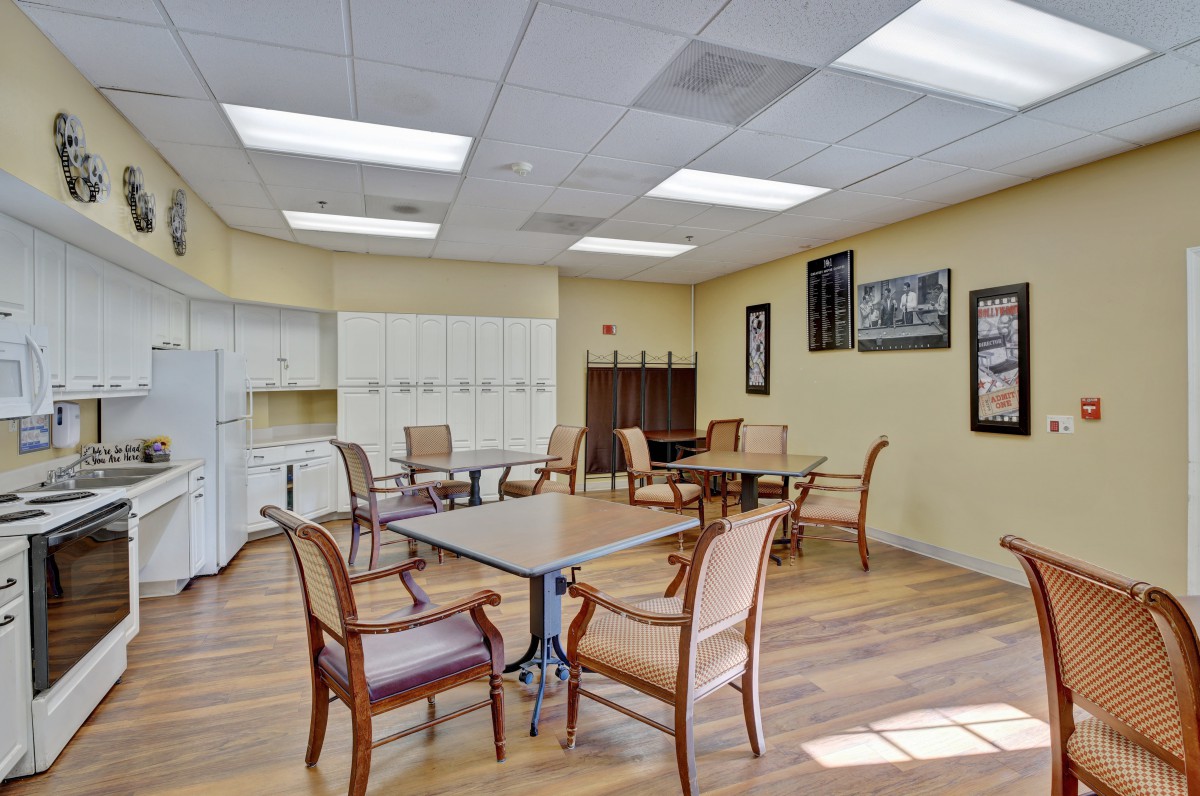
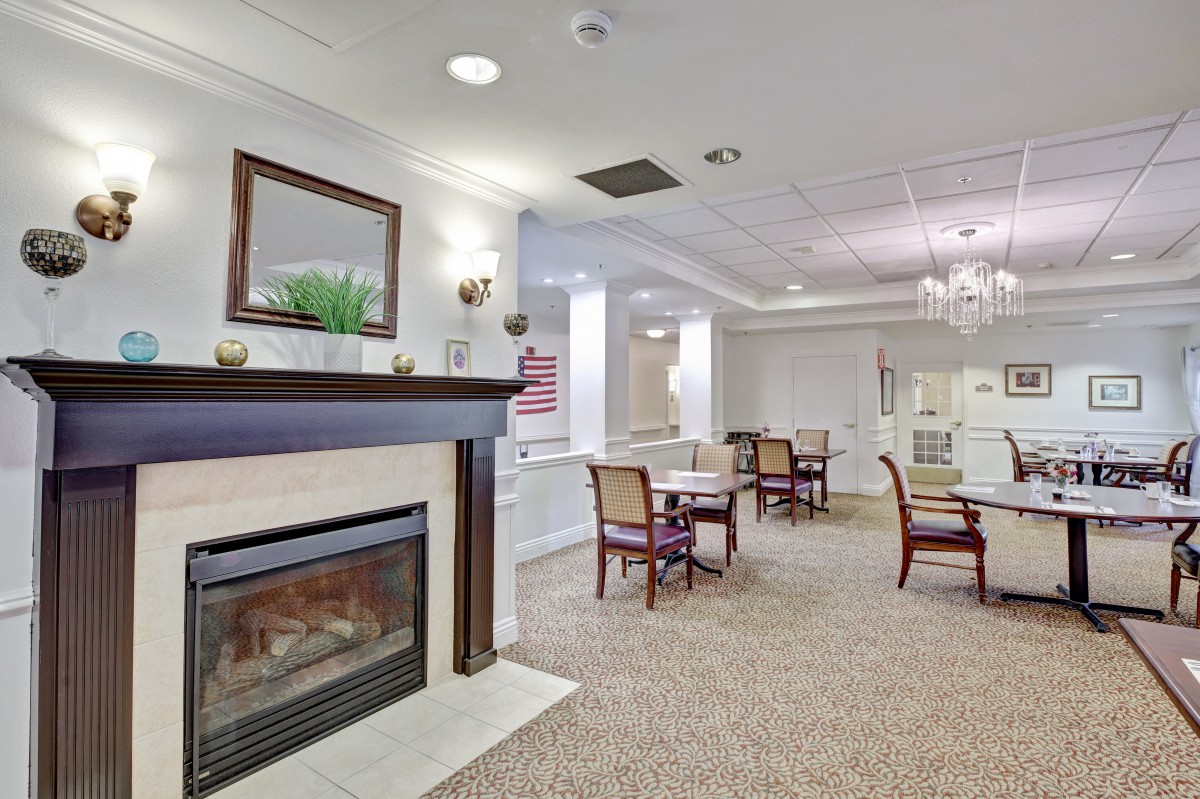
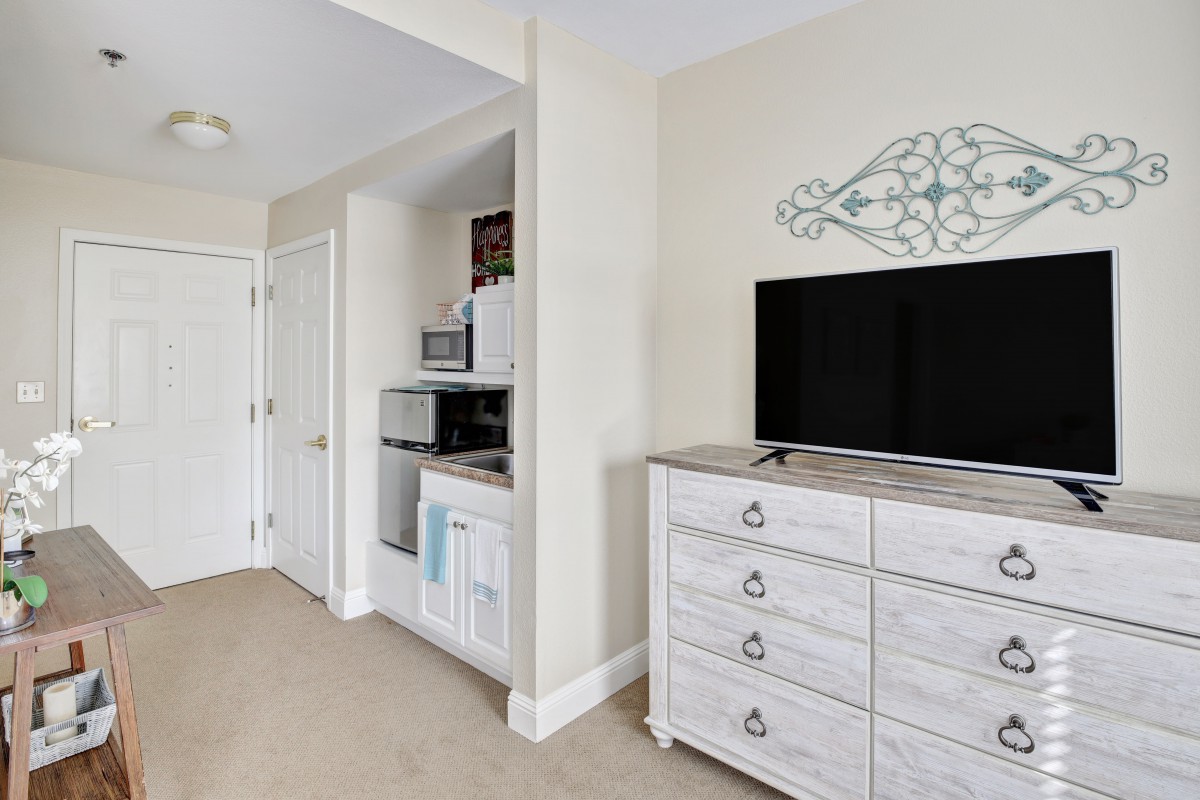
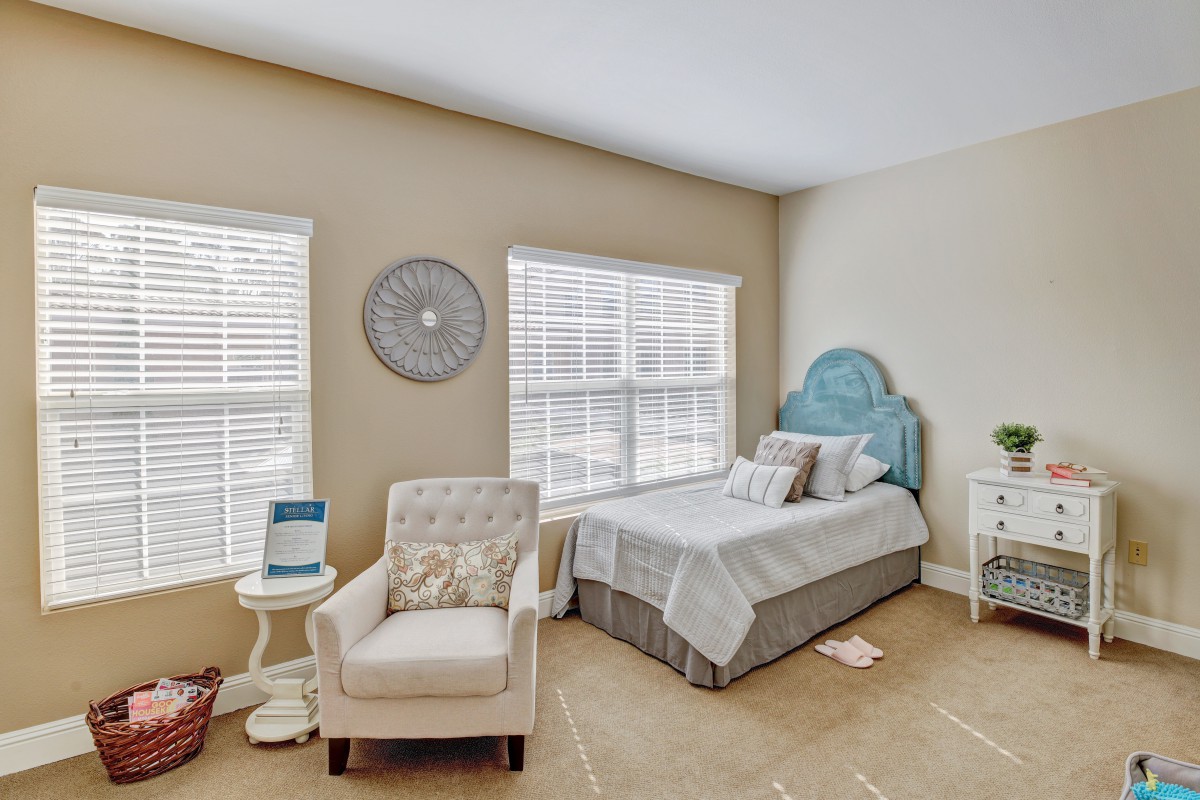
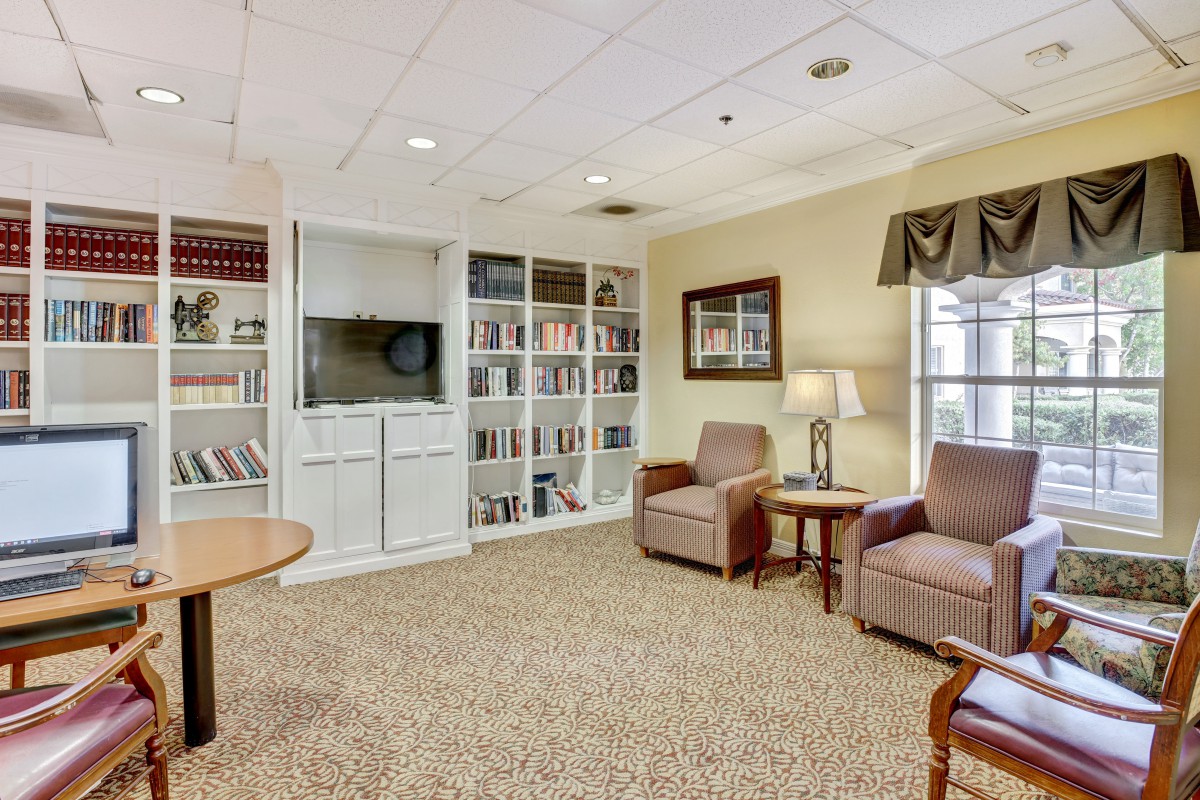
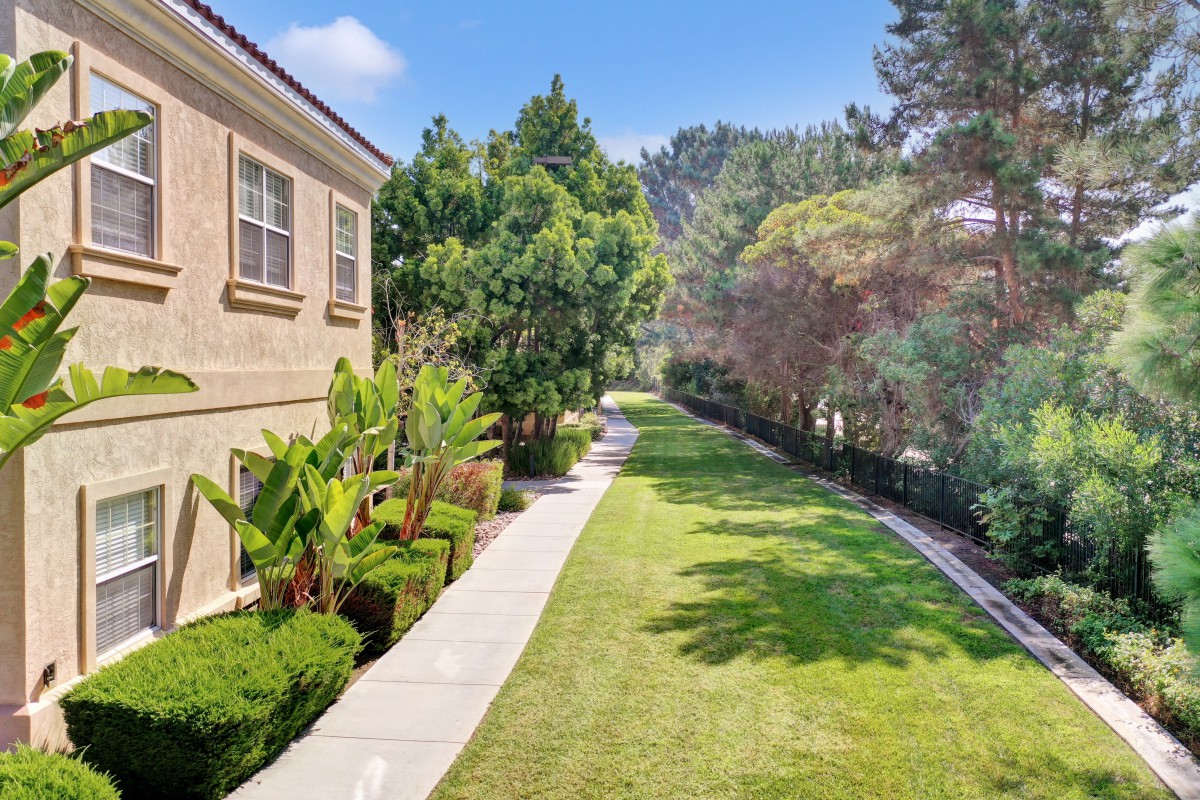
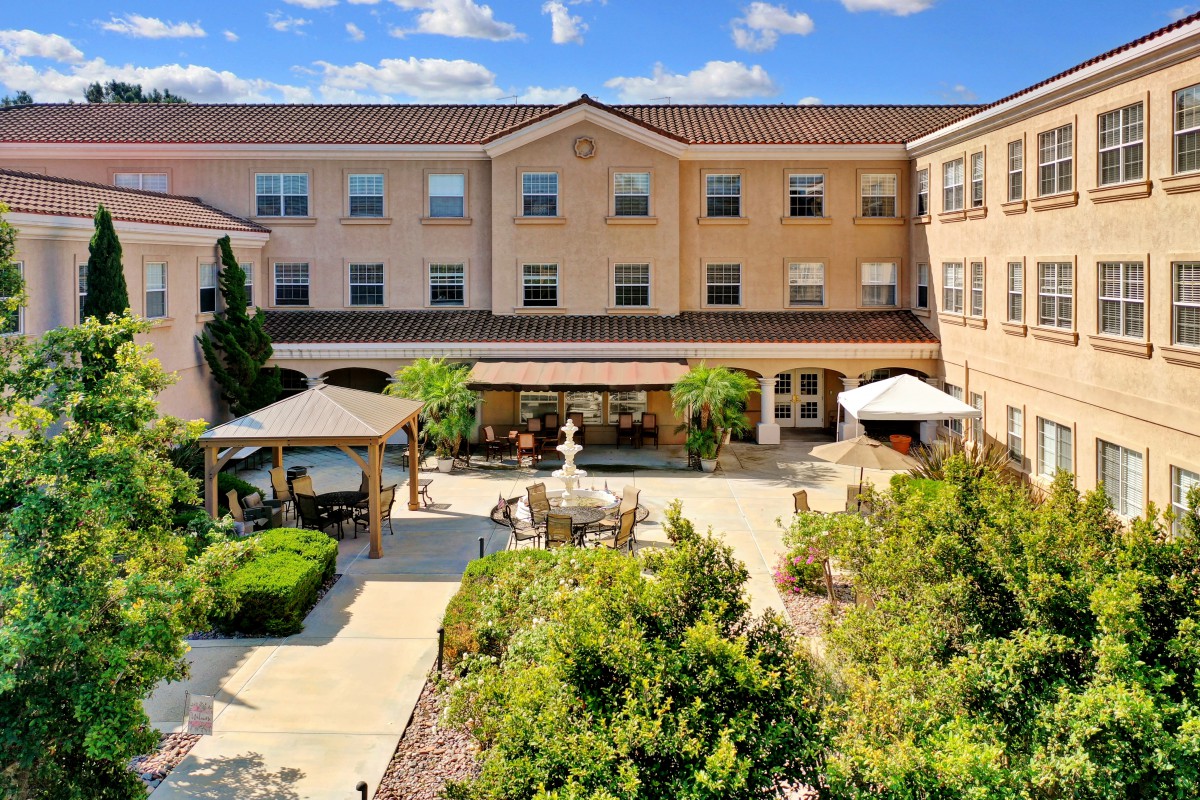
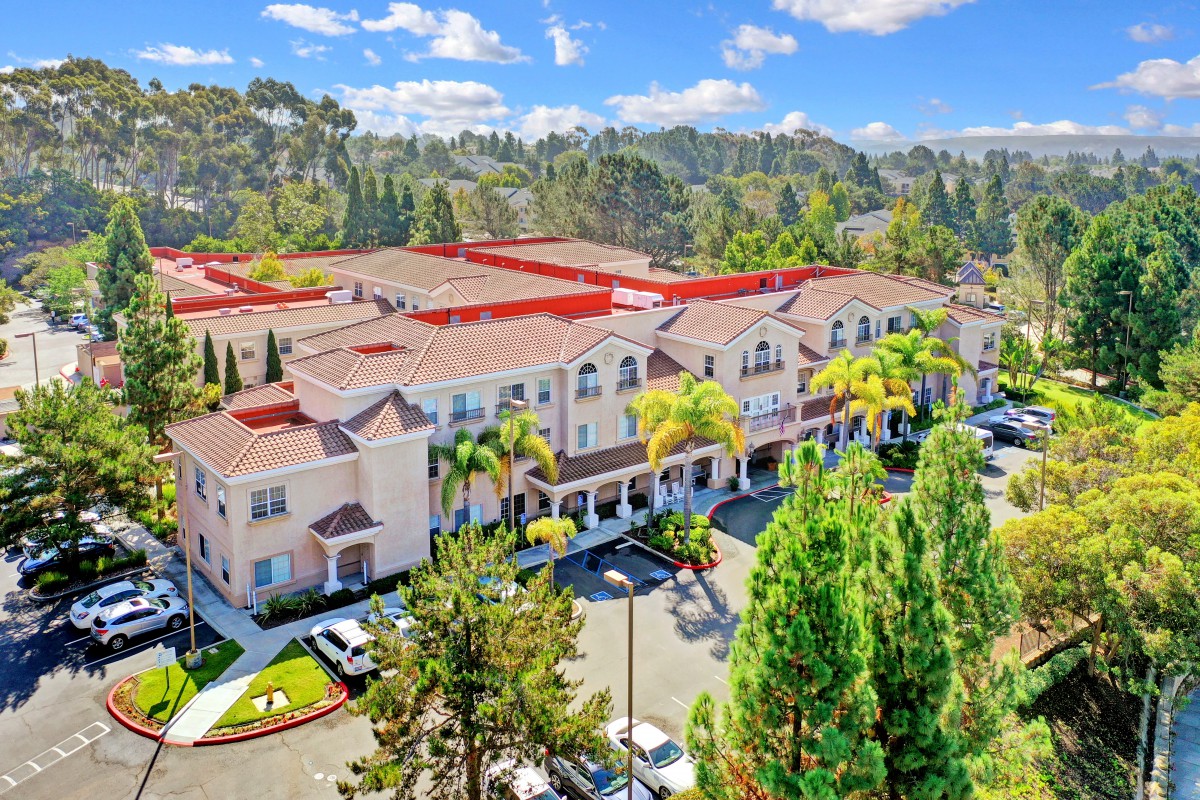
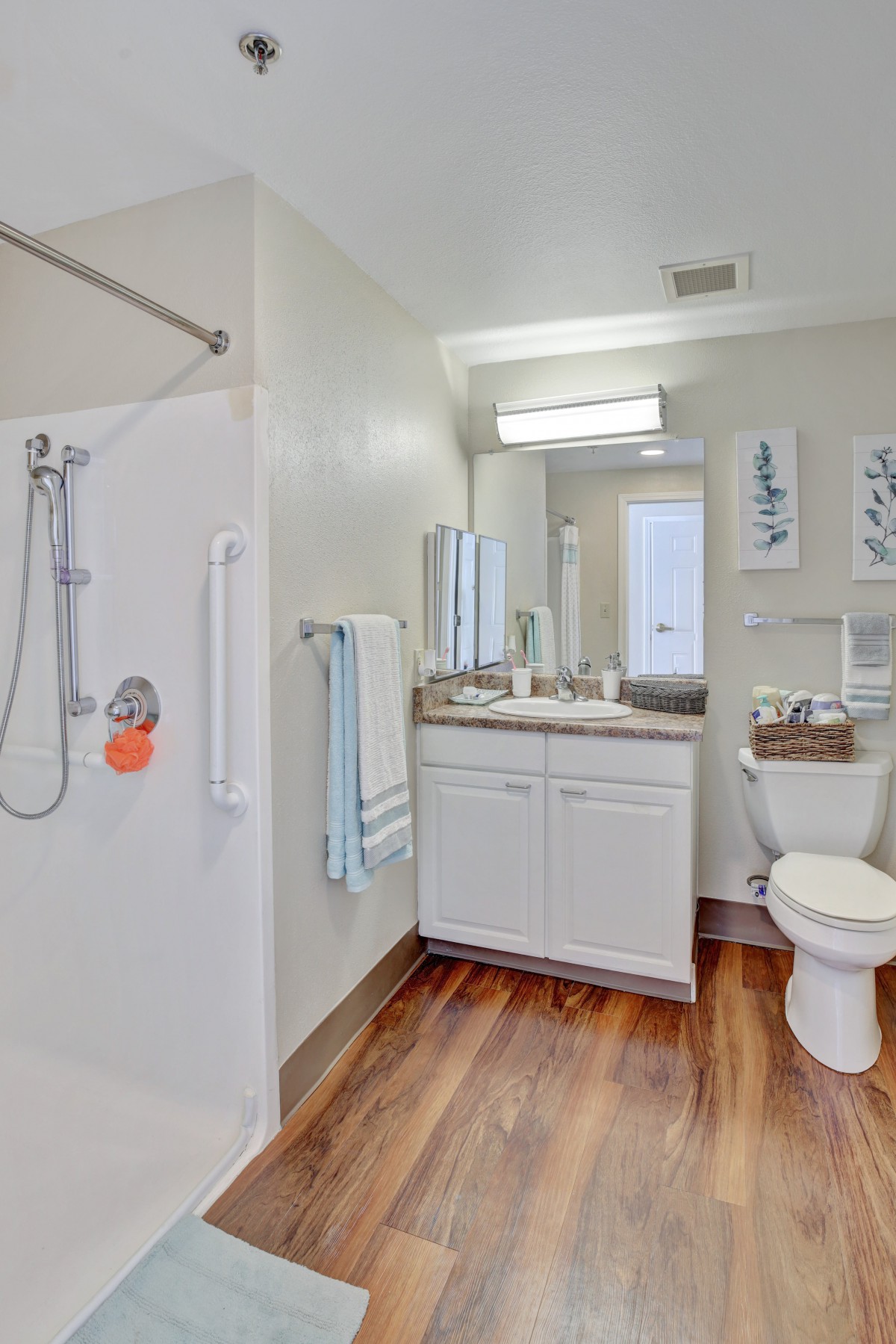
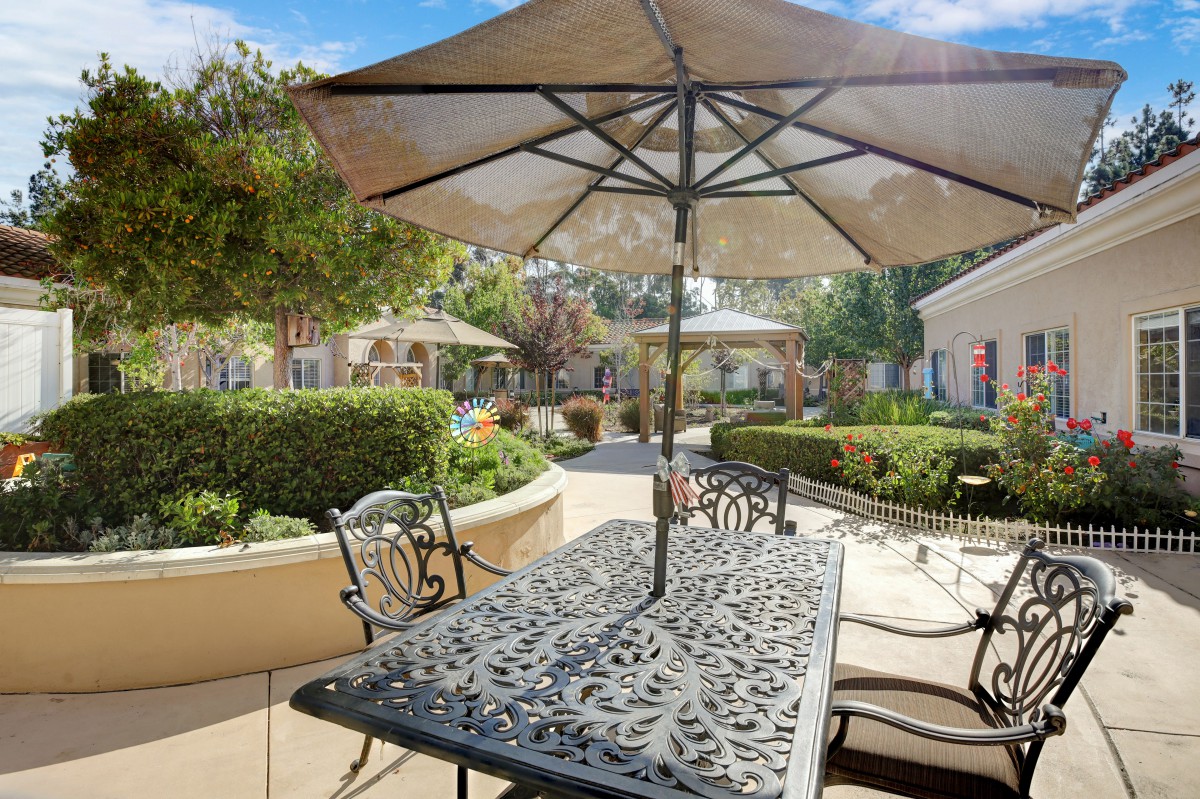
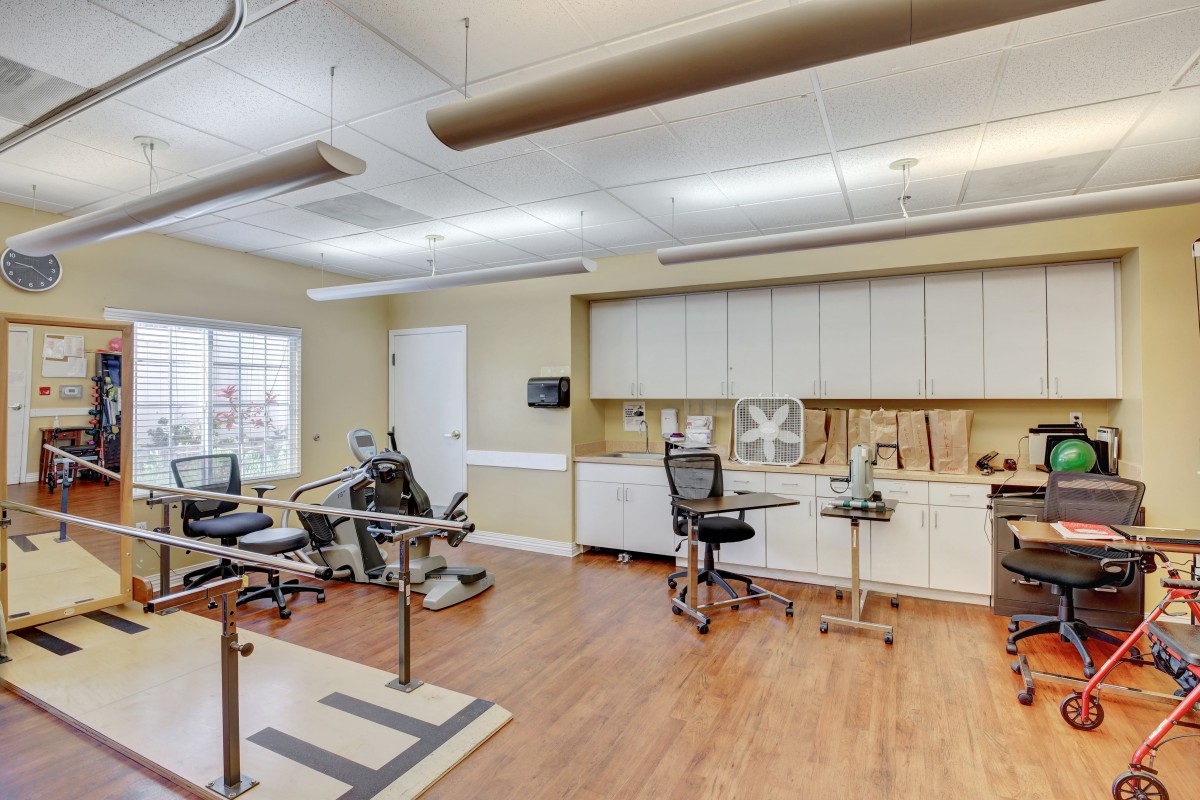
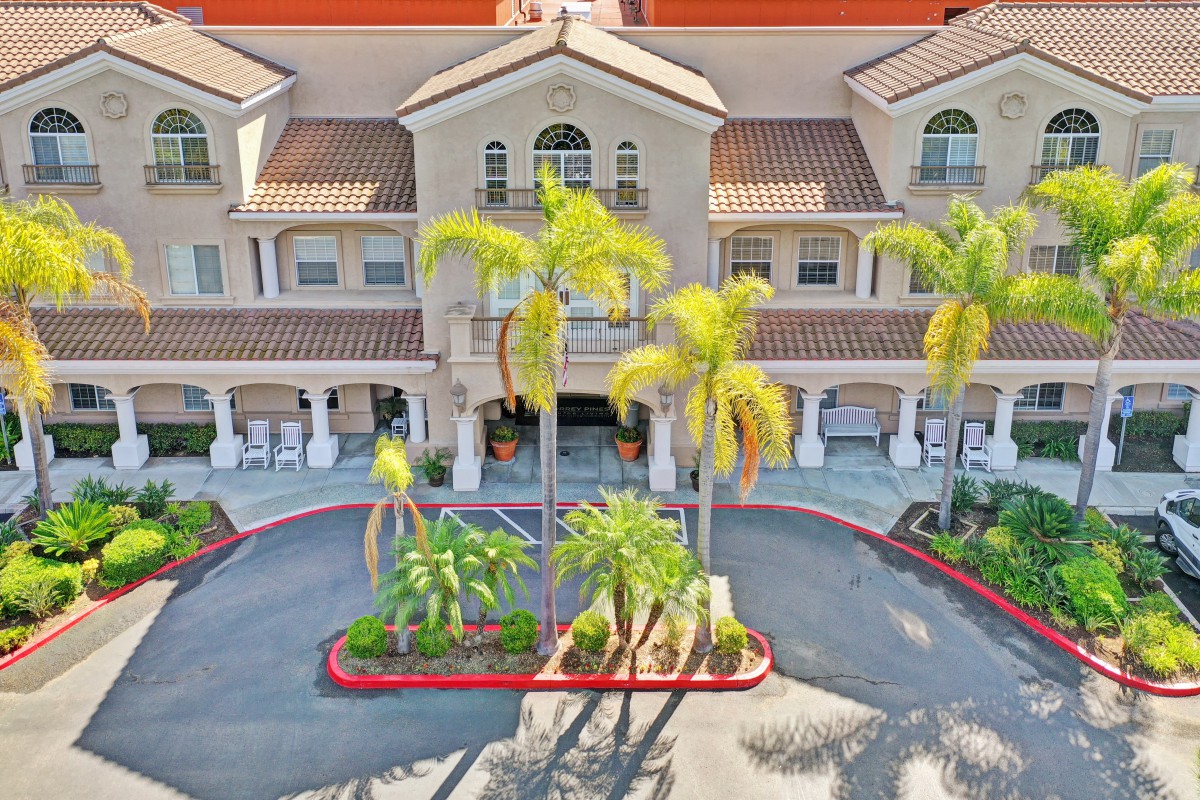
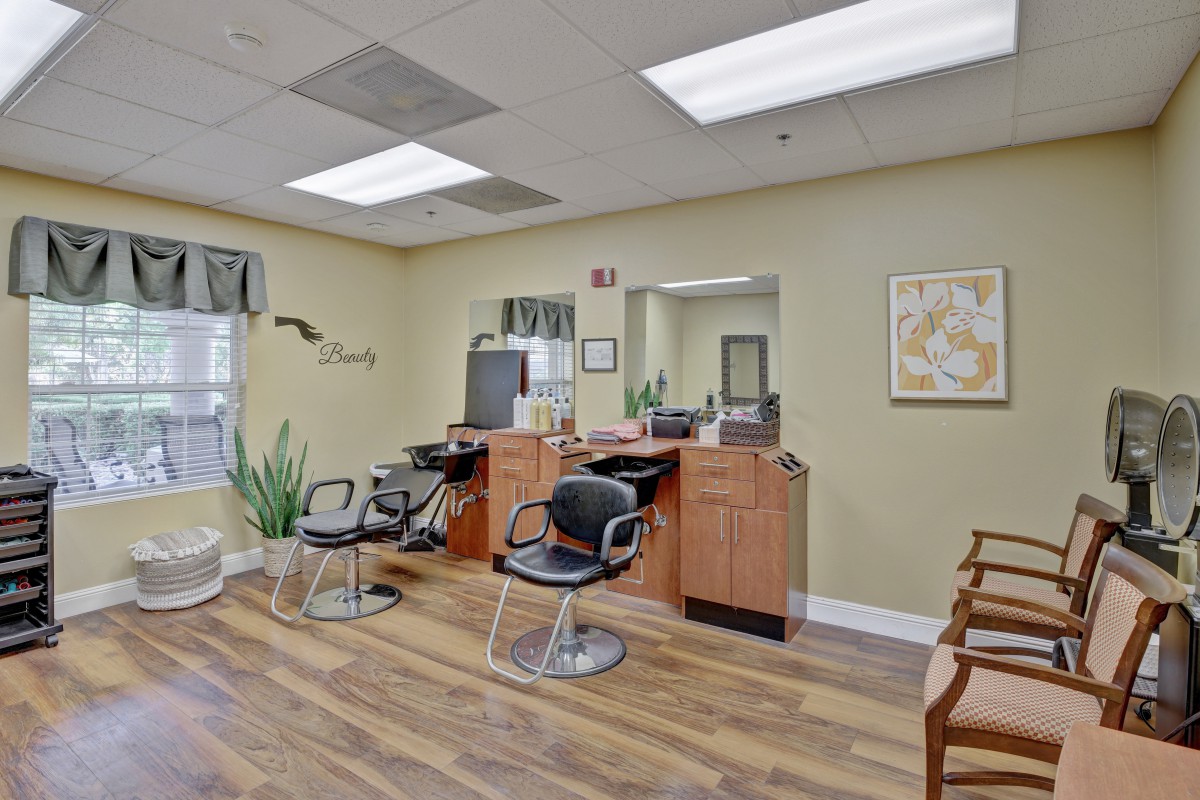
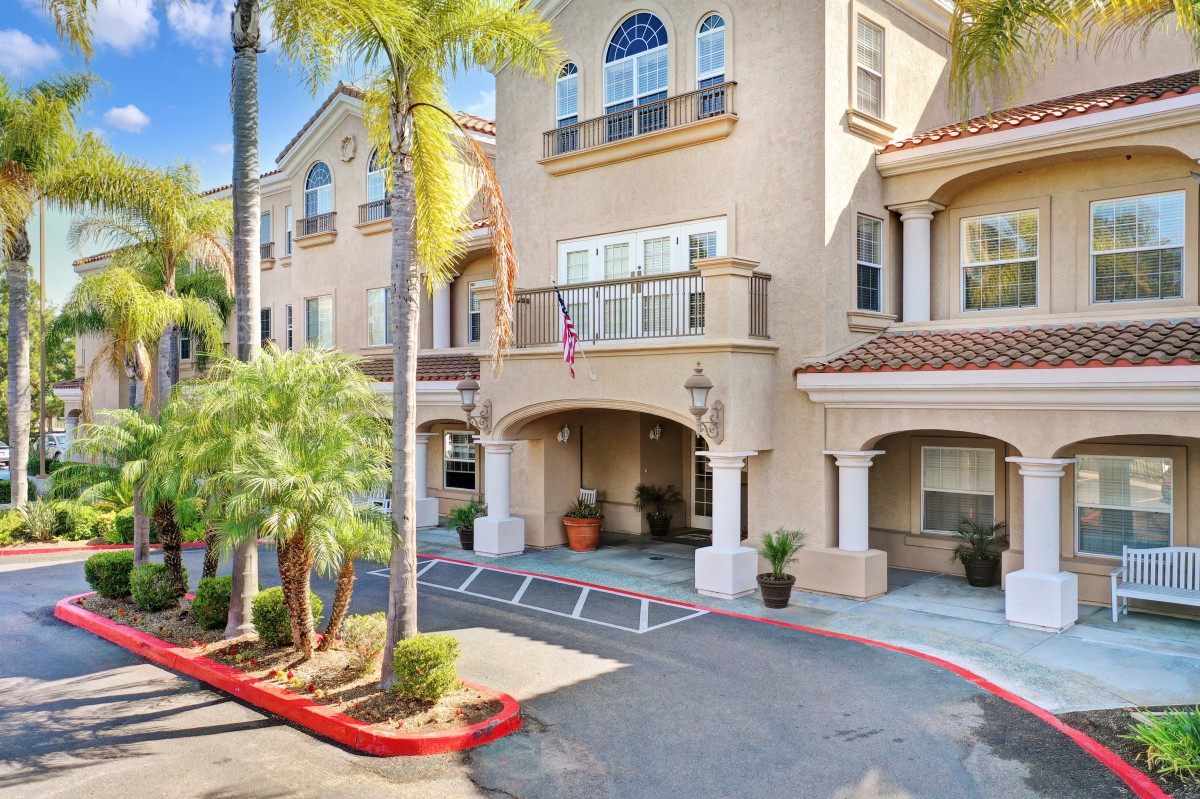
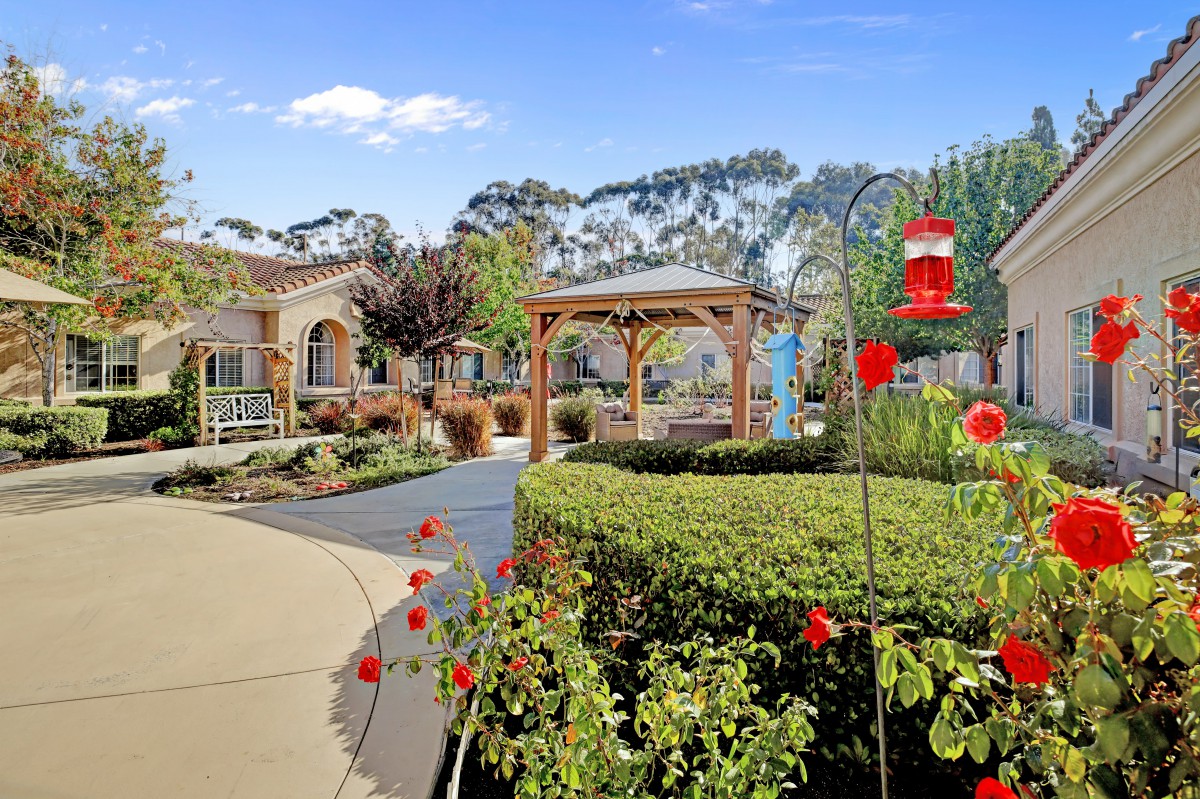
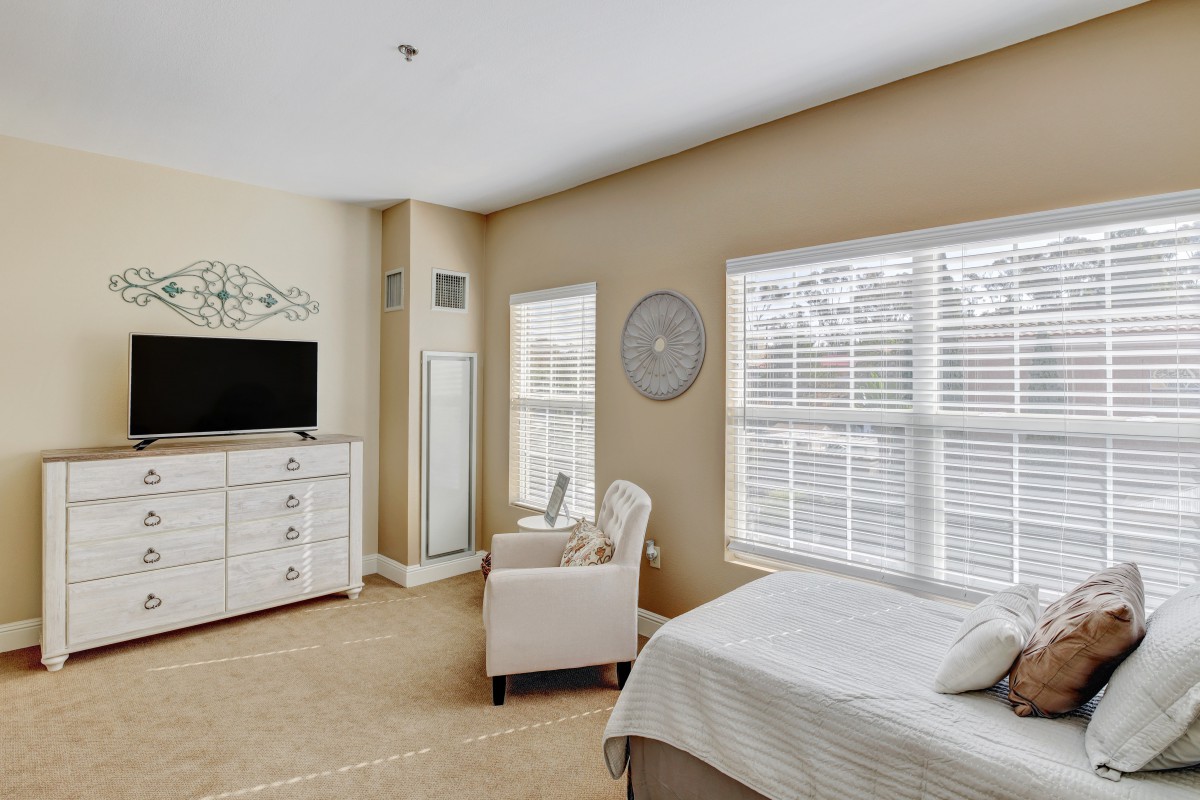
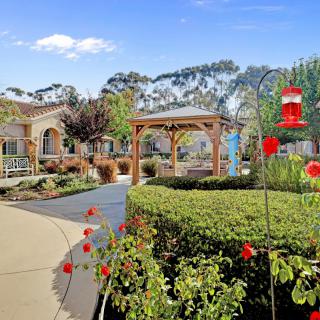
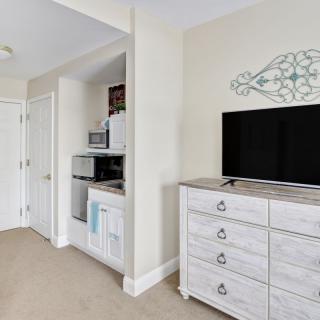
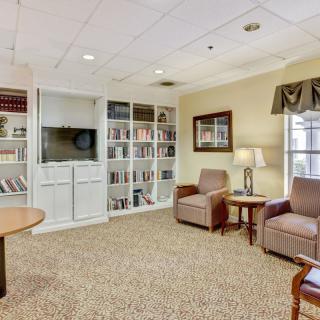
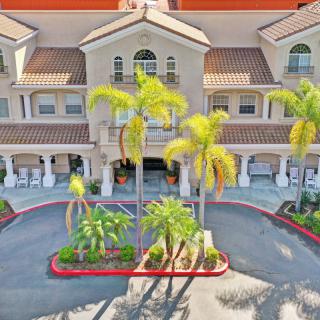
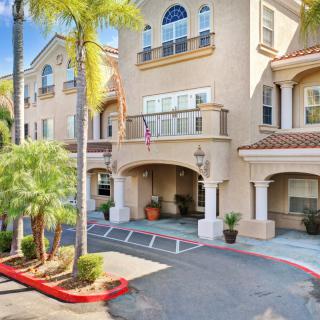
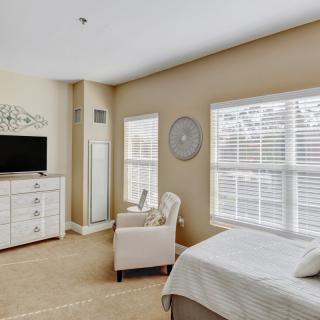
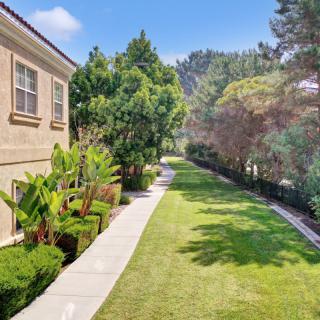
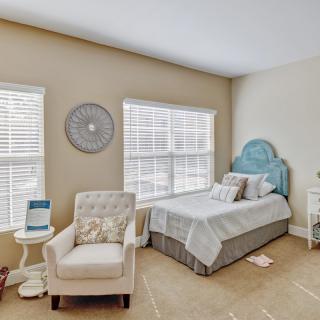
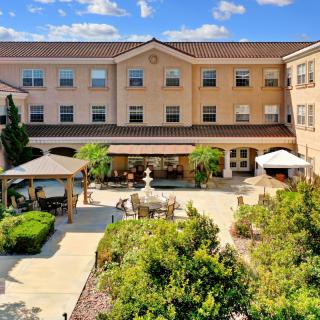
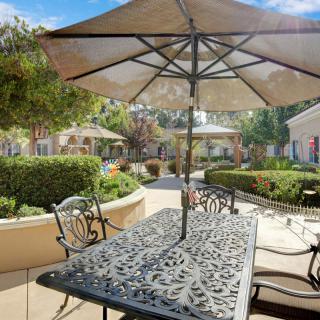
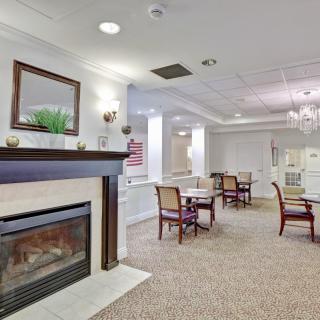
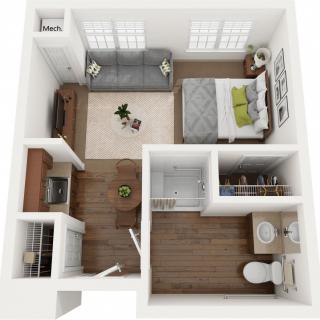
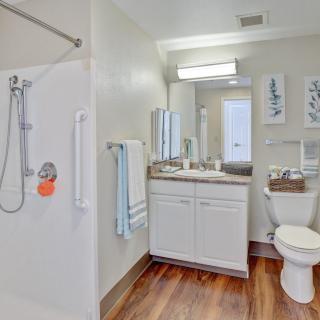
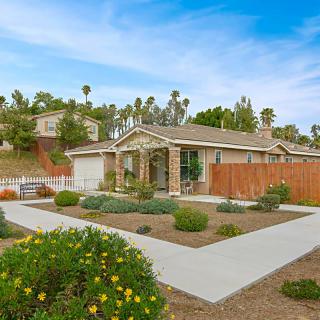
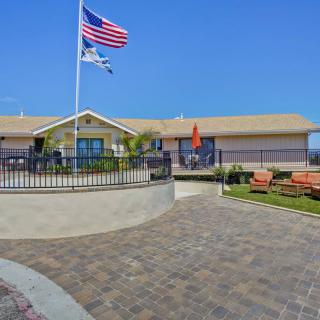
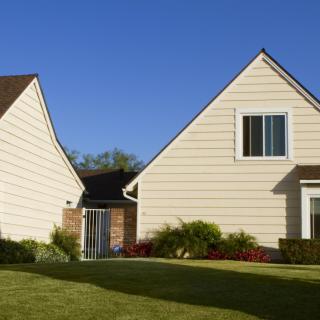
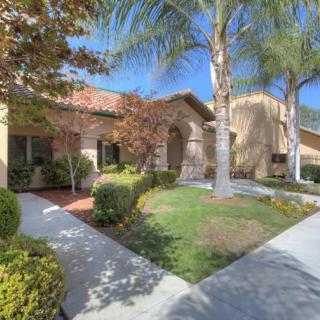
Torrey Pines Senior Living on seniors.fyi includes 21 photos including images showing landscaping, interior, floor plan, bedroom, building, living room, architecture, palm trees, and more.
Nearby Communities
Torrey Pines Assisted & Senior Living
San Diego, CA
4.7 from 132 reviews
$4,050 / month
Friendly staff, home-like atmosphere, and engaging activities/dining.
Aadvanced Nursing and Home Health Services Inc
San Diego, CA
5 from 6 reviews
Convenient location with easy access to cafes, parks, pharmacies, doctors, restaurants, and hospitals.
Aspire Home Healthcare
San Diego, CA
2.9 from 17 reviews
Convenient location with nearby amenities and healthcare access.
Cerna Homecare of San Diego, CA
San Diego, CA
4.8 from 17 reviews
Caring, professional caregivers with reliable organization and responsive support.
Canaan Home Care - San Diego County
Solana Beach, CA
5 from 9 reviews
Reliable, compassionate care with responsive staff.
Casa Del Mar
Del Mar, CA
$3,500 to $5,000 / month
High-acuity care with attentive staff and convenient access to nearby amenities and healthcare.
Villa Lorena
San Diego, CA
4.8 from 37 reviews
$4,470 to $9,880 / month
Caring staff in a warm, upscale setting with engaging activities and quality dining.
Summerfield of Encinitas Memory Care
Encinitas, CA
4.8 from 128 reviews
$4,295 to $4,895 / month
Compassionate staff, clean, homelike environment with engaging activities and good dining.
Belmont Village Senior Living La Jolla
San Diego, CA
4.1 from 34 reviews
Comprehensive care options with restaurant-style dining, active programming, and transportation.
Assisted living provides moderate support for seniors seeking independence, while memory care offers specialized support for individuals with dementia or cognitive impairments through structured routines and trained staff. Key differences include care approaches, environment security measures, staff training levels, activity types, and cost considerations.
Choosing between assisted living and nursing homes involves evaluating emotional and financial factors, with assisted living offering independence and support for daily activities at a lower cost, while nursing homes provide intensive medical care for individuals with significant health needs. The decision is influenced by personal preferences, health status, cognitive function, and varying Medicaid coverage across states.
The article presents eight strategies for preserving cognitive health and memory in older adults, emphasizing a nutrient-rich diet, regular exercise, intellectually stimulating activities, adequate sleep, social connections, stress management techniques, limiting harmful substances, and regular medical checkups to mitigate age-related memory decline.
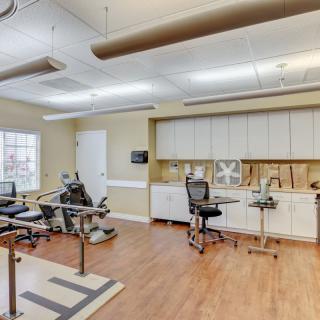
Exercise Equipment, Healthcare, Rehabilitation, Physical Therapy, and Therapy Room
Pathway and Gazebo
Exterior and Palm Trees
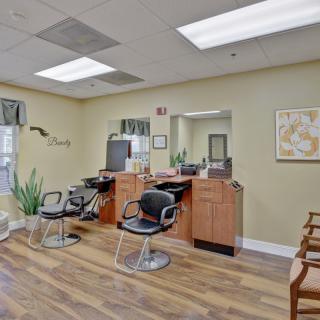
Salon, Waiting Area, Mirrors, and Lights
Natural Light
Wall Art
Parking
Shower
Courtyard and Fountain
Minimalist
Open Space
Meeting Room and Office Space
Sidewalk
Get PricingAsk A QuestionSchedule A TourContact Senior Advisor
By clicking submit, you agree to our Partner's Terms of Use. You
also consent to receive calls and texts, which may be autodialed, from our Partner. Your consent is not a condition to
using our Partner's service. Please visit our Partner's Privacy Policy for information about their privacy practices.

 Assisted Living
 Independent Living
 Memory Care
 Activities off-site
 Air-conditioning
 Bath tubs
 Beautician on-site
 Cable or satellite TV
 Devotional services off-site
 Ground floor units
 Handicap accessible
 Indoor common areas
 Kitchenette
 Outdoor common areas
 Respite or short term stays offered
 Wheelchair accessible showers
 Wi-Fi/high-speed internet available
 MC Clellan-Palomar Airport (12 miles away)
 Diabetic care
 High acuity care
 Incontinence care
 Medication management
 Gluten-free
 Art classes
 Catholic services
 Cooking classes
 Educational speakers / life long learning
 Jewish services
 Live well programs
 Friendly staff, home-like atmosphere, and engaging activities/dining.

 Assisted Living and Memory Care: Understanding Their Core Differences
 Choosing the Right Senior Care: A Detailed Exploration of Assisted Living and Nursing Homes
 Safeguarding Your Memory Through the Golden Years: Eight Ways to Preserve Cognitive Health