Torrey Pines Assisted & Senior Living in San Diego, CA

Save

  • Interior

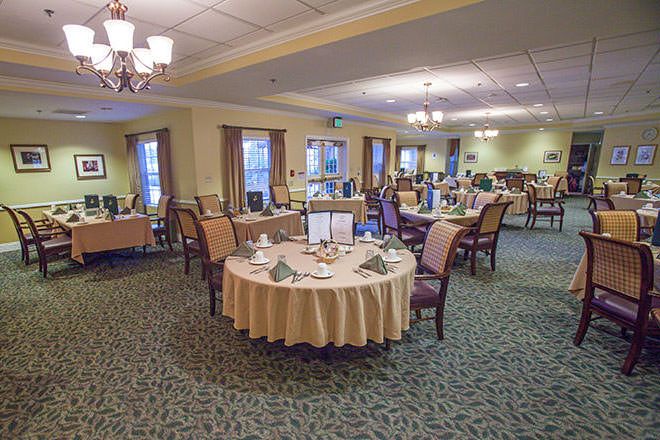
    An elegantly set dining room with round tables and comfortable chairs, featuring warm lighting and a cozy atmosphere.
  • Decor

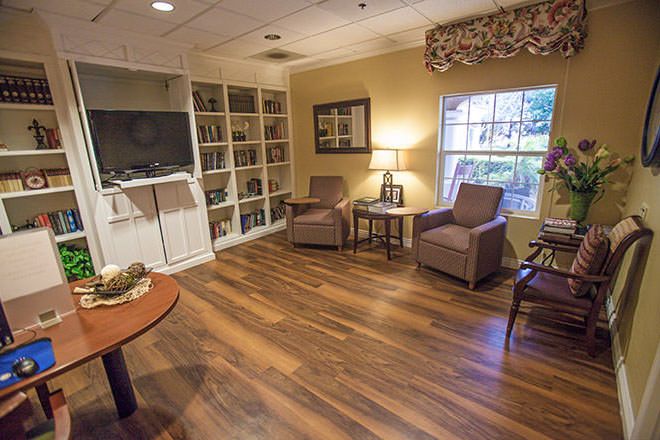
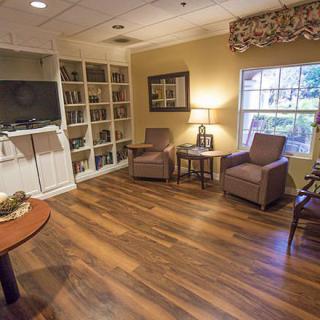
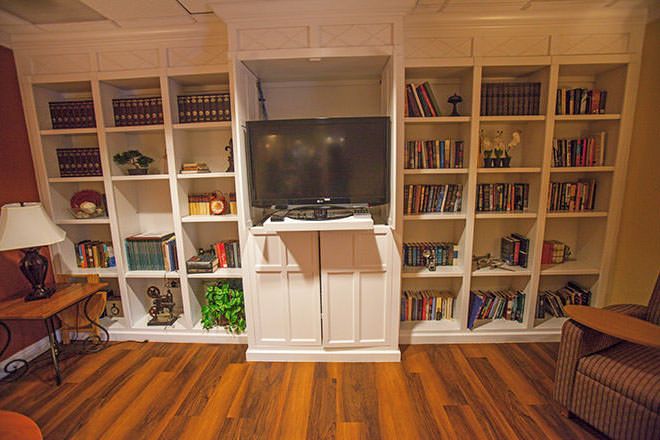
    A cozy living room with built-in bookshelves surrounding a TV, set against a wooden floor.
  • Living Room

    A cozy living room with comfortable seating and a bookshelf, featuring wooden floors and soft lighting.
  • Building

    A three-story building with a central fountain and plants at the entrance.
  • Windows

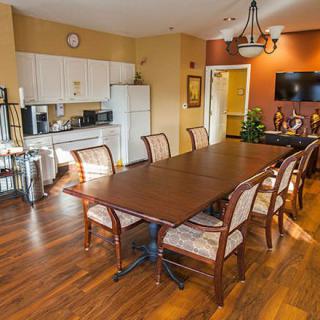
    A well-decorated dining room with a large wooden table surrounded by chairs.
  • Dining

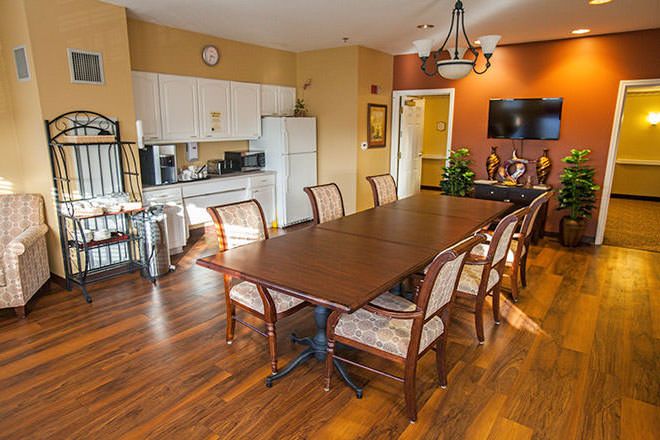
    A well-furnished dining area with a large table, kitchenette, and a television.
  • Exercise Equipment

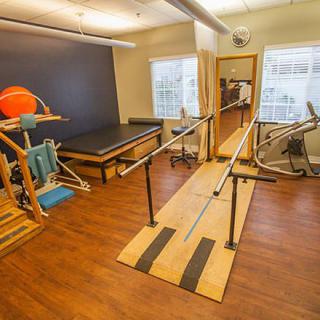
    A rehabilitation room equipped with parallel bars and exercise equipment for physical therapy.

Torrey Pines Assisted & Senior Living in San Diego, CA

Information last verified:

13101 Hartfield Avenue, San Diego, CA 92130

For more information about senior living options: (844) 490-3973

4.6 from 127 reviews
5 stars
104
4 stars
13
3 stars
4
2 stars
0
1 stars
6

Seniors.FYI Elite Community Awards

Top 5% Senior Living Community in 2016Top 5% Senior Living Community in 2024Top 5% Senior Living Community in 2025Top 5% Senior Living Community in 2026

Add this award to your website

Torrey Pines Assisted & Senior Living Costs & Pricing

Torrey Pines Assisted & Senior Living offers private rooms at a monthly cost of $4,050, which is slightly above the average for San Diego County and the state of California, both priced at $3,939. While this rate positions Torrey Pines higher than the regional and state averages, it reflects not only the premium services and amenities provided but also the commitment to delivering a high standard of care in a desirable location. Residents can expect a supportive environment tailored to their needs, justifying the additional investment for those seeking an enriching and comfortable lifestyle in their later years.

Floor plansTorrey Pines Assisted & Senior LivingSan Diego CountyCalifornia
Private$4,050$3,939$3,939

Overall Review of Torrey Pines Assisted & Senior Living

Pros

  • pro Bayshire Torrey Pines is an amazing place to get better, with an amazing staff.
  • pro Isaac, the activity director, is recognized for outstanding work and respectful, joyful activities for residents.
  • pro Cloti Simtelo, the activities director, provides music therapy and a cheerful, accommodating presence.
  • pro The nursing staff deliver outstanding daily care with compassion and timeliness.
  • pro The meals are excellent and nutritious, with clean, inviting dining areas.
  • pro The facility is clean, well maintained, and welcoming, with friendly, professional staff.
  • pro The PT/OT teams are patient, encouraging, and highly skilled.
  • pro Families would highly recommend Bayshire Torrey Pines to others seeking skilled nursing or rehab care.

Cons

  • pro One reviewer described Bayshire Torrey Pines' skilled nursing facility as appalling, citing neglect such as residents left in feces with unanswered call lights.
  • pro A reviewer claimed a CNA screamed at a visiting family member and described the place as horrible, advising others not to bring loved ones there.
  • pro Another reviewer stated that if they could give zero stars, they would, labeling the facility the worst care facility ever.
  • pro The memory care unit was criticized for not having enough staff to attend to residents' comfort and well-being, indicating a poor caregiver-to-resident ratio.
  • pro The kitchen was described as unreliable with uncreative menus, mediocre food, and small portions, resulting in significant weight loss.
  • pro A reviewer noted the dining hall was very noisy due to kitchen activity, detracting from the dining experience.
  • pro A reviewer claimed Torrey Pines is not a rehab center for short-term recovery and that the rehab experience was unacceptable.
  • pro The memory care unit was criticized for long call-light response times, suggesting under-staffing and safety concerns.

Review

Torrey Pines Bayshire is best suited for families navigating post-acute recovery and for couples who want to stay on the same campus as care needs evolve. The community excels when a loved one requires skilled nursing and intensive therapy, with a calming, home-like atmosphere that supports rehabilitation and safe transition back to daily life. It also serves well as a multi-level campus: memory care and assisted living sit alongside a robust skilled-nursing unit, enabling seamless progression between levels of care without uprooting residents. The strongest argument for this campus is the caliber of clinical staff and therapy teams, paired with a resident-focused culture that emphasizes dignity, activity, and steady progress. Location in San Diego’s North County adds the practical benefit of access to a broad social scene and nearby amenities, which families repeatedly note as a stabilizing advantage during recovery.

That said, several families should consider alternatives under certain circumstances. If budget constraints are a primary concern, the on-campus care can be costly, and room sizes can feel tight versus expectations for long-term housing. If independence and larger, quieter private spaces are non-negotiable, the smaller rooms and some dining-room noise may erode satisfaction. Memory-care staffing ratios occasionally surface as a concern in reviews, suggesting that families who prioritize constant, ultra-quiet one-on-one oversight may want to verify current staffing levels before choosing. Finally, while the campus generally earns high marks for warmth and responsiveness, a few reviews highlight interpersonal or administrative frictions, reinforcing the need for a thorough tour and clear cost expectations before committing.

The core strengths, outstanding nursing and rehabilitation, compassionate care, and a highly engaged activity program, more than offset a number of the campus’s drawbacks. The skilled nursing unit regularly earns praise for attentive clinicians, devoted CNAs, and therapists who partner with families to set and reach realistic goals. The admissions and case-management teams are repeatedly described as capable and reassuring, smoothing transitions from hospital to rehab and from rehab into assisted living or memory care. The therapy department’s practical approach, targeted exercises, functional progression, and meaningful activities like live performances and individualized routines, produces tangible gains that families frequently report as life-changing. Cleanliness, safety, and a welcoming environment further reinforce the sense that this is a place where recovery can take root.

The campus’ multi-level design is particularly advantageous for recovery timelines and family planning. The skilled-nursing facility is often the strongest draw, delivering high-quality medical and rehabilitative care that many families feel is superior to other local rehab options. For couples who want to stay connected, the ability to move between assisted living and skilled nursing without dissolving the shared residential context is a rare and valuable feature. Memory care, while well-regarded for its warmth and daily programming, does carry some caveats around staff-to-resident ratios and the consistency of day-to-day attention. Still, the one-floor memory-care layout and integrated activity calendar help maintain dignity and engagement, which matters greatly when cognitive needs evolve. Overall, the campus presents a coherent, capable continuum of care that many families find hard to beat in North County.

Practical due-diligence steps sharpen the value proposition. Prospective residents should verify current staff-to-resident ratios by unit, and request a candid explanation of how call lights and response times are managed in memory care versus other wings. Ask for a sample weekly activity calendar and a tour of therapy facilities to observe how sessions are structured and how progress is tracked. Inquire about room options, including square footage, in-room phones, and opportunities for personalization, since some reviews point to smaller rooms and limited private communication tools. Transportation services, dining options, and the on-site medical team’s availability are practical positives to confirm, as they frequently tilt the balance in favor of staying on campus through recovery or into longer-term care.

In sum, Torrey Pines Bayshire stands out as a pragmatic, experience-tested choice for families prioritizing rehabilitation outcomes, compassionate caregiving, and a coherent continuum of care that can adapt as needs shift. It is particularly compelling for short-term or longer-term rehab where genuine progress, daily activity, and family involvement drive the decision. Alternatives become attractive when cost, room size, or the desire for a completely quiet, low-interruption environment outweigh the campus’s demonstrated strengths. For families prepared to tour with a critical eye, to discuss realistic pricing, and to engage with admissions about what a typical week looks like across units, Bayshire Torrey Pines offers a compelling, capable option that frequently delivers measurable peace of mind, and measurable improvement, for both residents and their loved ones.

Features

Housing

  • 116 resident community capacity 116 resident community capacity
  • 1-bedroom apartments 1-bedroom apartments1-bedroom apartments are important for seniors because they provide a sense of independence, privacy, and autonomy while still offering the necessary space for comfortable living. These apartments allow seniors to maintain their own personal space and lifestyle preferences in a supportive community setting.
  • 2-bedroom apartments 2-bedroom apartments2-bedroom apartments are important for seniors because they provide extra space for guests, hobbies, and caregivers, as well as potential for additional income through roommates or rental.
  • Studio apartments Studio apartmentsStudio apartments are important for seniors because they offer a smaller, more manageable living space that is easier to navigate and maintain as physical abilities decline. Additionally, studio apartments provide seniors with independence and privacy while still being part of a community that offers support and social opportunities.

Types of Care

  • Assisted Living Assisted LivingAssisted living facilities provide crucial support and care for seniors who may need help with daily tasks such as medication management, bathing, and meal preparation. These communities offer a safe and comfortable environment where seniors can maintain their independence while receiving the assistance they need to thrive in their golden years.
  • Independent Living Independent LivingIndependent living communities are important for seniors because they offer a safe and supportive environment where older adults can live independently while still having access to amenities and services that enhance their quality of life. These communities provide social opportunities, recreational activities, and assistance with daily tasks, promoting overall well-being and allowing seniors to maintain their independence for as long as possible.
  • Memory Care Memory CareMemory care is crucial for seniors as it provides specialized support and services for individuals with dementia or Alzheimer's disease. These programs offer a safe and secure environment where residents receive personalized care, cognitive stimulation, and help with daily activities. Memory care helps seniors maintain their independence, quality of life, and dignity while also providing peace of mind for their families.
  • Skilled Nursing Facility Skilled Nursing FacilitySkilled Nursing Facilities are crucial for seniors as they provide round-the-clock medical care, rehabilitation services, and assistance with daily activities. These facilities ensure that seniors receive the specialized care they need to maintain their health and well-being as they age.

Amenities

  • Air-conditioning Air-conditioningAir conditioning is important for seniors as they are more vulnerable to heat-related illnesses and may have underlying health conditions that make it difficult for them to regulate their body temperature. It helps to keep them comfortable, safe, and healthy in hot weather.
  • Beauty salon Beauty salonBeauty salons are important for seniors because they provide a space for them to feel pampered, socialize, and maintain their personal grooming and hygiene. Regular visits to a beauty salon can help boost seniors' self-esteem and overall well-being.
  • Cable or satellite TV Cable or satellite TVCable or satellite TV is important for seniors because it provides entertainment, news, and companionship, helping to combat loneliness and boredom. It also offers a wide range of programming options tailored to different interests and preferences.
  • Cafe CafeCafes are important for seniors because they provide a social setting where they can connect with others, enjoy a meal or beverage, and engage in activities that promote mental stimulation and overall well-being. Additionally, cafes offer a convenient and accessible option for seniors to dine out without the hassle of preparing meals at home.
  • Computer center Computer centerA computer center is essential for seniors as it provides access to technology, communication tools, and resources that can enhance their daily lives. It allows them to stay connected with loved ones, engage in online activities, and learn new skills, ultimately promoting socialization and mental stimulation.
  • Continuing learning programs Continuing learning programsContinuing learning programs are important for seniors to keep their minds active, maintain cognitive function, and prevent mental decline. These programs also provide social interaction, a sense of purpose, and opportunities for personal growth and fulfillment in their later years.
  • Dining room Dining roomDining rooms are important for seniors as they provide a space for socialization, connection, and nutritious meals. They offer opportunities for residents to bond over shared meals, foster a sense of community, and promote healthy eating habits. Dining rooms also ensure that seniors have access to well-balanced meals tailored to their dietary needs and preferences.
  • Family education and support services Family education and support servicesFamily education and support services are crucial for seniors as they provide resources, guidance, and assistance to both the elderly individuals and their families. These services help in navigating the challenges of aging, improving communication among family members, enhancing quality of life, and ensuring that seniors receive the care and support they need to live independently and comfortably.
  • Family overnight stay rooms Family overnight stay roomsFamily overnight stay rooms are important for seniors because they provide a welcoming and comfortable space for their loved ones to spend quality time with them, support their emotional well-being, and strengthen family bonds. This accommodation option ensures that seniors can maintain connections with their families and receive the social interaction and support they need for overall health and happiness.
  • Family private dining rooms Family private dining roomsFamily private dining rooms are important for seniors as they provide a space for quality time with loved ones, encourage social interaction, and allow for a sense of normalcy and comfort in their living environment. This can greatly improve their overall well-being and quality of life.
  • Fitness room Fitness roomHaving a fitness room in a senior living community is essential for seniors to stay active, maintain their physical health, and improve their overall well-being. Regular exercise can help prevent falls, reduce the risk of chronic diseases, and promote mental sharpness. It also provides social opportunities for residents to connect with others and enjoy a sense of community.
  • Fully furnished Fully furnishedFully furnished senior living communities are important for seniors because they provide convenience, comfort, and a hassle-free moving experience. Seniors can easily settle into their new living space without the stress of having to buy and move furniture. This allows them to focus on enjoying their new home and community.
  • Gaming room Gaming roomGaming rooms are important for seniors as they provide a fun and engaging environment for socializing, cognitive stimulation, and physical activity. Games can improve memory, problem-solving skills, and overall mental well-being while fostering friendships and reducing feelings of isolation.
  • Garden GardenGardens are important for seniors as they provide a peaceful and therapeutic environment for relaxation, physical activity, and socialization. Being in nature has been shown to reduce stress, improve mood, and promote overall well-being. Gardens also offer opportunities for seniors to engage in gardening activities, which can improve mobility, flexibility, and cognitive function. Additionally, gardens create a sense of community and connection with others who share a passion for plants and outdoor spaces.
  • Housekeeping services Housekeeping servicesHousekeeping services are important for seniors because they help maintain a clean and safe living environment, promote independence, and reduce the risk of accidents or illnesses. Additionally, having assistance with household chores can alleviate physical strain and allow seniors to focus on other aspects of their well-being.
  • Kitchenette KitchenetteKitchenettes are important for seniors living in senior living communities because they provide the convenience and independence of being able to prepare simple meals and snacks in the comfort of their own living space. This can help promote a sense of autonomy and well-being for seniors, allowing them to maintain some level of control over their dietary choices and daily routines.
  • Located close to restaurants Located close to restaurantsBeing located close to restaurants is important for seniors because it offers convenience, social opportunities, and the ability to maintain a healthy and varied diet. Easy access to dining options allows seniors to enjoy meals with friends or family, try new cuisines, and support their overall well-being.
  • Located close to shopping centers Located close to shopping centersBeing located close to shopping centers is important for seniors because it provides easy access to daily necessities, social interaction, and recreational activities. This convenience can enhance their quality of life and independence, making it a desirable feature for senior living communities.
  • Move-in coordination Move-in coordinationMove-in coordination is important for seniors because it helps ease the transition into their new living environment. It ensures that all logistics, such as packing, organizing movers, and setting up utilities are taken care of, allowing seniors to focus on settling in and adjusting to their new home. Having a smooth move-in process can alleviate stress and anxiety, making the transition smoother and more enjoyable for seniors.
  • Outdoor patio Outdoor patioOutdoor patios are essential for seniors as they provide a safe and peaceful space for them to enjoy the outdoors, socialize with friends and family, engage in physical activity, and soak up natural sunlight which promotes overall well-being and mental health.
  • Outdoor space Outdoor spaceOutdoor spaces are important for seniors as they provide opportunities for physical activity, social interaction, exposure to natural light and fresh air, and a sense of connection to nature. Having access to outdoor spaces can improve overall well-being and quality of life for older adults living in senior communities.
  • Pet friendly Pet friendly"Pet friendly" senior living communities are important for seniors because pets provide companionship, reduce feelings of loneliness and depression, promote physical activity and mental stimulation, and offer a sense of purpose and responsibility. Pets can improve overall well-being and quality of life for seniors in many ways.
  • Private bathrooms Private bathroomsPrivate bathrooms are important for seniors in senior living communities because they provide independence, dignity, and comfort. Having a private bathroom allows seniors to maintain their personal hygiene routines without the need for assistance, promoting a sense of autonomy and privacy. Additionally, private bathrooms help prevent the spread of infections and provide a safe and clean environment for seniors to navigate safely.
  • Respite or short term stays offered Respite or short term stays offeredRespite or short term stays provide seniors with a temporary solution when their regular caregiver is unavailable, offering them the opportunity to receive additional care and support during times of need, while also giving caregivers a chance to rest and recharge.
  • Restaurant-style dining Restaurant-style diningRestaurant-style dining is important for seniors because it allows them to enjoy delicious, nutritious meals in a social and upscale setting. This enhances their dining experience, promotes healthy eating habits, and fosters socialization with fellow residents, ultimately contributing to their overall well-being and quality of life.
  • Small library Small librarySmall libraries are important for seniors as they provide access to a variety of reading materials, including books, newspapers, and magazines. This can help stimulate their minds, keep them engaged, and provide a sense of community through book clubs and other social activities. Additionally, reading has been shown to improve cognitive function and overall mental well-being in older adults.
  • Telephone TelephoneTelephones are important for seniors as they provide a lifeline for communication with loved ones, emergency services, and healthcare providers. They offer a sense of security and independence, enabling seniors to stay connected and access assistance when needed.
  • Wellness center Wellness centerWellness centers are important for seniors because they offer a variety of programs and services that promote physical, mental, and emotional well-being. These centers provide opportunities for exercise, socialization, education, and relaxation, helping seniors maintain their overall health and quality of life.
  • Wi-Fi/high-speed internet available Wi-Fi/high-speed internet availableWi-Fi/high-speed internet is important for seniors to stay connected with loved ones, access online resources, and participate in virtual activities to combat feelings of loneliness and isolation. It also allows them to easily manage healthcare needs, access entertainment, and engage in lifelong learning opportunities.

Transportation

  • MC Clellan-Palomar Airport (12 miles away) MC Clellan-Palomar Airport (12 miles away)
  • San Diego International-Lindbergh (16 miles away) San Diego International-Lindbergh (16 miles away)
  • Community operated transportation Community operated transportationCommunity operated transportation is crucial for seniors as it provides them with the means to access essential services, social activities, and medical appointments. It allows seniors to maintain their independence and quality of life by ensuring they can participate in activities outside of their homes. Additionally, community-operated transportation services offer a safe and reliable way for seniors to travel without having to rely on family or friends for assistance.
  • Transportation arrangement Transportation arrangementTransportation arrangements are crucial for seniors as they may face challenges with driving, mobility, or access to public transportation. Having reliable transportation services ensures that seniors can easily attend appointments, social activities, and maintain their independence and quality of life.
  • Transportation arrangement (non-medical) Transportation arrangement (non-medical)Transportation arrangements are essential for seniors as they provide access to essential services, activities, and social interactions outside the home. This service helps maintain independence, mobility, and overall well-being for seniors who may have limited transportation options.

Care Services

  • 12-16 hour nursing 12-16 hour nursing12-16 hour nursing care is crucial for seniors in order to ensure around-the-clock monitoring, timely medication administration, and prompt response to any health concerns or emergencies. This level of care helps to promote the overall well-being and safety of seniors living in senior living communities.
  • 24-hour call system 24-hour call system24-hour call systems are important for seniors because they provide peace of mind and immediate assistance in case of emergencies. This technology ensures that help is always available, promoting safety and security for elderly individuals living alone or in assisted living facilities.
  • 24-hour nursing 24-hour nursing24-hour nursing is important for seniors because it provides round-the-clock medical care and support, ensuring their health and safety are consistently monitored and attended to. This level of care can help prevent emergencies, manage chronic conditions, and provide peace of mind for both seniors and their families.
  • 24-hour supervision 24-hour supervision24-hour supervision is important for seniors to ensure their safety, well-being, and access to immediate assistance in case of emergencies or health issues. This constant support provides peace of mind for both seniors and their loved ones, allowing them to age in place with dignity and security.
  • Accept incoming residents on hospice Accept incoming residents on hospiceAccepting incoming residents on hospice is important for seniors because it allows them to receive specialized end-of-life care in a comfortable and supportive environment. This ensures that they can maintain their dignity and quality of life during their final days, surrounded by compassionate staff who are trained to provide the necessary medical and emotional support.
  • Activities of daily living assistance Activities of daily living assistanceActivities of daily living assistance are important for seniors because they provide essential support with tasks such as eating, bathing, dressing, and mobility. This assistance helps seniors maintain their independence, dignity, and overall quality of life as they age.
  • Administer insulin injections Administer insulin injectionsAdministering insulin injections is important for seniors with diabetes to help regulate their blood sugar levels and prevent complications such as heart disease, nerve damage, and blindness. Proper insulin management can also improve overall health and quality of life for older adults.
  • Assistance with bathing Assistance with bathingAssistance with bathing is crucial for seniors as it helps maintain personal hygiene, prevents infections, and ensures their overall well-being and comfort. It also provides a sense of dignity and independence for seniors who may struggle with this task on their own.
  • Assistance with dressing Assistance with dressingAssistance with dressing is important for seniors because it helps maintain their independence, promotes personal hygiene, prevents accidents and injuries, and improves overall quality of life. This service ensures that seniors can continue to dress comfortably and confidently, despite any physical limitations they may have.
  • Assistance with transfers Assistance with transfersAssistance with transfers is crucial for seniors as it helps prevent falls and injuries, maintains their independence, and ensures they can safely navigate their living environment. It also provides peace of mind for both seniors and their loved ones.
  • Coordination with health care providers Coordination with health care providersCoordination with health care providers is crucial for seniors to ensure proper medical care, medication management, and overall well-being. This collaboration helps prevent overlapping treatments, track progress more effectively, and provide comprehensive support tailored to individual needs.
  • Dementia waiver Dementia waiverDementia waivers are essential for seniors as they provide critical protections and accommodations for those experiencing cognitive decline. These waivers ensure individuals with dementia receive appropriate care, support, and resources to maintain their quality of life and dignity as they navigate the challenges of this progressive condition.
  • Diabetes diet Diabetes dietA diabetes diet is crucial for seniors as it helps manage blood sugar levels, reduce risks of complications, and improve overall health and well-being. By following a balanced and nutritious diet tailored to their specific needs, seniors can better control their diabetes and enhance their quality of life.
  • Diabetic care Diabetic careDiabetic care is crucial for seniors as they are more susceptible to developing diabetes due to aging and other health conditions. Proper management of diabetes can help prevent complications such as heart disease, vision loss, and nerve damage, improving the overall quality of life for seniors in senior living communities.
  • Hospice waiver Hospice waiverHospice waivers are important for seniors because they allow individuals to receive specialized end-of-life care and support at home or in a hospice facility. This waiver ensures that seniors can access the necessary resources and services to maintain comfort and dignity during their final days.
  • Meal preparation and service Meal preparation and serviceMeal preparation and service are crucial for seniors as they may have limited mobility or energy to cook nutritious meals. Having access to healthy and convenient food options can ensure they are getting the proper nutrition needed to maintain their overall health and well-being.
  • Medication management Medication managementMedication management is crucial for seniors to ensure they are taking the right medications at the correct dosages and times. This helps prevent adverse drug interactions, reduces the risk of medication errors, and promotes overall health and well-being. Proactive management also allows for adjustments as needed based on changing health conditions or new prescriptions.
  • Mental wellness program Mental wellness programMental wellness programs are essential for seniors as they promote cognitive stimulation, emotional support, and social engagement. These programs help prevent isolation, depression, and cognitive decline, ultimately enhancing the overall quality of life for older adults.
  • Mild cognitive impairment Mild cognitive impairment"Mild cognitive impairment" is important for seniors because it is an early stage of cognitive decline that can potentially progress to more severe conditions such as dementia. Recognizing and addressing mild cognitive impairment can help seniors receive appropriate care and support to maintain their quality of life and independence for as long as possible.
  • Physical therapy Physical therapyPhysical therapy is essential for seniors to maintain and improve their mobility, strength, and overall quality of life. It helps reduce pain, prevent falls, and enhance independence in daily activities. By promoting movement and function, physical therapy can help seniors stay active, healthy, and engaged in their communities.
  • Preventative health screenings Preventative health screeningsPreventative health screenings are crucial for seniors as they can help identify potential health issues early on, allowing for prompt treatment and prevention of more serious conditions. Regular screenings can help maintain overall health and quality of life in older adults.
  • Rehabilitation program Rehabilitation programRehabilitation programs are vital for seniors as they provide specialized care and therapies to help them regain independence, mobility, and overall quality of life after an injury or illness. These programs offer individualized support and services to promote recovery and prevent further decline in physical and mental health.
  • Respite program Respite programRespite programs provide short-term relief for family caregivers and allow seniors to receive temporary care in a safe and supportive environment. These programs help prevent burnout among caregivers, promote socialization for seniors, and offer a break from the challenges of daily caregiving responsibilities.
  • Same day assessments Same day assessmentsSame day assessments are crucial for seniors because they provide immediate insight into their needs and abilities, allowing for more timely and effective care planning. This can help address any urgent concerns or issues that may arise, ensuring seniors receive the appropriate support as quickly as possible.
  • Special dietary restrictions Special dietary restrictionsSpecial dietary restrictions are important for seniors because age-related changes in metabolism and health conditions can make it difficult for their bodies to process certain foods. By following a diet tailored to their specific needs, seniors can maintain their overall health and well-being, manage chronic conditions, and reduce the risk of complications such as malnutrition or food interactions with medications.
  • Specialized memory care programming Specialized memory care programmingSpecialized memory care programming is crucial for seniors with cognitive impairments such as dementia or Alzheimer's disease. These programs provide a safe and supportive environment tailored to the unique needs of individuals with memory loss, helping them maintain their independence, dignity, and quality of life.
  • Transportation arrangement (medical) Transportation arrangement (medical)Transportation arrangements for medical purposes are essential for seniors as they may have difficulty driving themselves to appointments or accessing public transportation. Having reliable and safe transportation options ensures that seniors can receive timely medical care and maintain their health and well-being.
  • Transportation to doctors appointments Transportation to doctors appointmentsTransportation to doctors' appointments is crucial for seniors as it ensures they have access to necessary medical care and support for their health needs. Without reliable transportation, seniors may struggle to attend important appointments, leading to potential delays in treatment and health complications. Providing transportation services helps seniors maintain their overall well-being and quality of life.

Dining

  • Diabetes diet Diabetes dietA diabetes diet is crucial for seniors as it helps manage blood sugar levels, reduce risks of complications, and improve overall health and well-being. By following a balanced and nutritious diet tailored to their specific needs, seniors can better control their diabetes and enhance their quality of life.
  • Special dietary restrictions Special dietary restrictionsSpecial dietary restrictions are important for seniors because age-related changes in metabolism and health conditions can make it difficult for their bodies to process certain foods. By following a diet tailored to their specific needs, seniors can maintain their overall health and well-being, manage chronic conditions, and reduce the risk of complications such as malnutrition or food interactions with medications.

Activities

  • Community-sponsored activities Community-sponsored activitiesCommunity-sponsored activities are important for seniors as they provide opportunities for social interaction, mental stimulation, and physical activity. These activities can help improve overall well-being, combat loneliness and isolation, and promote a sense of belonging and purpose among older adults.
  • Concierge services Concierge servicesConcierge services are essential for seniors as they provide assistance with daily tasks and errands, enhance their quality of life by offering convenience and personalized care, and promote a sense of safety and security.
  • Fitness programs Fitness programsFitness programs are crucial for seniors as they help improve strength, flexibility, balance, and overall well-being. Staying active can reduce the risk of chronic diseases, improve mental health, and enhance quality of life in older adults.
  • Planned day trips Planned day tripsPlanned day trips are important for seniors because they offer opportunities for socialization, mental stimulation, and physical activity. They provide a change of scenery and help seniors stay engaged and connected to their community, promoting overall well-being and quality of life.
  • Resident-run activities Resident-run activitiesResident-run activities are important for seniors as they encourage social interaction, creativity, and a sense of autonomy. These activities empower seniors to stay engaged and active in their community while fostering meaningful connections with their peers.
  • Scheduled daily activities Scheduled daily activitiesScheduled daily activities are important for seniors because they provide structure, socialization, mental stimulation, and physical activity. Engaging in regular activities can improve overall well-being and quality of life for seniors living in a community setting.

Description

Torrey Pines Assisted & Senior Living in San Diego, CA is a vibrant and inclusive community that offers various housing options including 2-bedroom apartments and studio apartments. With a wide range of care services available, residents can choose from independent living, memory care, or skilled nursing facility options to meet their unique needs.

The community is proud to offer an array of amenities designed to enhance the lives of its residents. From a beauty salon for pampering sessions to a fully furnished gaming room for entertainment, there is something for everyone. The dining experience at Torrey Pines Assisted & Senior Living is restaurant-style, with special dietary restrictions accommodated.

Residents can take advantage of the many activities available to them, including fitness programs and planned day trips. For those looking to stay active intellectually, continuing learning programs are offered. Concierge services are also provided to ensure that all the needs and desires of each resident are met.

With the convenience of cafes, parks, pharmacies, physicians, restaurants, and hospitals nearby, residents have easy access to necessary services and activities outside the community. Transportation arrangements (both medical and non-medical) are available for residents who need assistance getting around.

Care services at Torrey Pines Assisted & Senior Living include 24-hour nursing and supervision, assistance with daily living activities such as bathing and dressing, medication management, physical therapy, rehabilitation programs, and specialized memory care programming. In addition to these services, mental wellness programs and preventative health screenings are offered for overall well-being.

Overall, Torrey Pines Assisted & Senior Living provides a comprehensive senior living experience with comfortable accommodations and personalized care services. Residents can enjoy an active lifestyle while receiving the support they need in a welcoming environment.

Nearby Places of Interest

Physicians

  • Jennifer Barkley, MD - Sharp Rees-Stealy Carmel Valley (0.3 miles)
  • Pearl Mini IVF (4.3 miles)
  • Stahl Richard Dr Scripps Cardiovascular Thoracic Surgery Group La Jolla (5 miles)
  • Sulpizio Cardiovascular Center at UC San Diego Health (5.4 miles)
  • Carmel Mountain Vision Care (6 miles)
  • UC San Diego Health - La Jolla 8910 Villa La Jolla Drive (6 miles)
  • NVISION Eye Centers (6.1 miles)

Pharmacies

  • Rite Aid (0.3 miles)
  • CVS Pharmacy (1.1 miles)
  • CVS Pharmacy (3.1 miles)
  • CVS Pharmacy (3.3 miles)
  • Rite Aid (5.6 miles)
  • CVS Pharmacy (5.7 miles)
  • Walgreens (5.7 miles)

Cafes

  • Sidecar Doughnuts & Coffee (0.3 miles)
  • Blue Bottle Coffee (0.5 miles)
  • Bird Rock Coffee Roasters (2.2 miles)
  • Barefoot Coffee Roasters (3.1 miles)
  • Claire's on Cedros (3.6 miles)
  • Blue Bottle Coffee (6 miles)
  • Goodonya (6.7 miles)

Hospitals

  • Scripps Clinic (1.4 miles)
  • Scripps Clinic Torrey Pines (4.1 miles)
  • Scripps Green Hospital (4.2 miles)
  • Scripps La Jolla Emergency Room And Trauma Center (4.9 miles)
  • Scripps Memorial Hospital La Jolla (5 miles)
  • UC San Diego Jacobs Medical Center (5.5 miles)
  • Scripps Memorial Hospital Encinitas (6.4 miles)

Parks

  • Solana Ranch Park (2.2 miles)
  • Torrey Pines State Natural Reserve (2.9 miles)
  • Fletcher Cove Park (3.5 miles)
  • San Elijo Lagoon Nature Center (4.7 miles)
  • Camino Ruiz Community Park (5.2 miles)
  • Mira Mesa Community Park (6 miles)
  • Los Peñasquitos Canyon Preserve (6.1 miles)

Restaurants

  • Jake's (2.3 miles)
  • The Fish Market Del Mar (2.3 miles)
  • Brigantine (2.8 miles)
  • Gravity Heights S (4.5 miles)
  • Chart House (4.8 miles)
  • Pacific Coast Grill (4.9 miles)
  • Raising Cane's Chicken Fingers (5.7 miles)

Places of Worship

  • Good Shepherd Catholic Church (5.9 miles)
  • Our Lady of Mount Carmel Church (7.3 miles)

Transportation

  • UTC Trolley Station (6.1 miles)
  • Sabre Springs Parkway Transit Center (8 miles)

Theaters

  • Regal Edwards Mira Mesa 4DX, IMAX & RPX (7.1 miles)

Frequently Asked Questions

How much does it cost to live at Torrey Pines Assisted & Senior Living in San Diego, CA?
What floor plans and room types does Torrey Pines Assisted & Senior Living offer?
Where is Torrey Pines Assisted & Senior Living?
Does Torrey Pines Assisted & Senior Living provide care for residents with dementia or Alzheimer's disease?
What photos are available for Torrey Pines Assisted & Senior Living in San Diego, California?

Nearby Communities

  • Torrey Pines Senior Living

    Torrey Pines Senior Living

    San Diego, CA

    4.6 from 141 reviews
    $4,995 to $7,995 / month

    pro Caring staff delivering attentive, clean, and engaging care.


  • Aadvanced Nursing and Home Health Services Inc

    Aadvanced Nursing and Home Health Services Inc

    San Diego, CA

    5 from 6 reviews
     

    pro Convenient location with easy access to cafes, parks, pharmacies, doctors, restaurants, and hospitals.

  • Aspire Home Healthcare

    Aspire Home Healthcare

    San Diego, CA

    2.9 from 17 reviews
     

    pro Convenient location with nearby amenities and healthcare access.

  • Cerna Homecare of San Diego,  CA

    Cerna Homecare of San Diego, CA

    San Diego, CA

    4.8 from 17 reviews
     

    pro Caring, professional caregivers with reliable organization and responsive support.

  • Canaan Home Care - San Diego County

    Canaan Home Care - San Diego County

    Solana Beach, CA

    5 from 9 reviews
     

    pro Reliable, compassionate care with responsive staff.

  • Casa Del Mar

    Casa Del Mar

    Del Mar, CA

     
    $3,500 to $5,000 / month

    pro High-acuity care with attentive staff and convenient access to nearby amenities and healthcare.

  • Villa Lorena

    Villa Lorena

    San Diego, CA

    4.8 from 36 reviews
    $4,470 to $9,880 / month

    pro Caring staff in a warm, upscale setting with engaging activities and quality dining.

  • Summerfield of Encinitas Memory Care

    Summerfield of Encinitas Memory Care

    Encinitas, CA

    4.8 from 128 reviews
    $4,295 to $4,895 / month

    pro Compassionate staff, clean, homelike environment with engaging activities and good dining.

  • Belmont Village Senior Living La Jolla

    Belmont Village Senior Living La Jolla

    San Diego, CA

    4.1 from 34 reviews
     

    pro Comprehensive care options with restaurant-style dining, active programming, and transportation.

Related Resources

  • power of attorney for elderly parentGuiding Your Journey: Understanding Power of Attorney for Elderly Parents

    The article emphasizes the significance of establishing a power of attorney for elderly parents to enable an agent to make decisions on their behalf regarding health and finances, especially during cognitive or physical decline. It outlines various types of power of attorney, the importance of consulting legal professionals, and the responsibilities and challenges faced by agents, while also discussing alternatives and common misconceptions.

  • caregiver support group22 Remarkable Caregiver Support Groups Available Online and In-Person

    Caregiver support groups are crucial for providing emotional and practical assistance to those caring for loved ones, offering resources, coping strategies, and a sense of community through various organizations and platforms. These groups help alleviate isolation and burnout while addressing the unique challenges faced by caregivers of individuals with specific conditions.

  • does medicaid pay for assisted livingUnderstanding Medicaid Coverage for Assisted Living: A Comprehensive Guide

    The guide outlines the complexities of Medicaid coverage for assisted living, highlighting significant state-to-state variations, limited coverage often restricted to personal care services, and the existence of specialized waivers for certain needs like memory care. It advises families to consult local Medicaid offices for options while emphasizing the importance of understanding state-specific regulations and facility policies.