

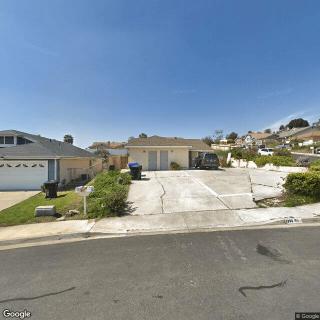
566 Parkwood Drive, San Diego, CA 92139
For more information about senior living options: (866) 208-4318
Serra Mesa Guests Home II Costs & Pricing
Serra Mesa Guests Home II offers competitive pricing for its residents, particularly in comparison to both San Diego County and the broader California market. With monthly costs set at $3,500 for a semi-private room and $4,000 for a private room, Serra Mesa provides an attractive option that is slightly below the county average of $3,518 for semi-private accommodations. The pricing aligns with the statewide average of $3,939 for private rooms, suggesting that guests can enjoy quality care in a welcoming environment without straining their budgets excessively. Overall, Serra Mesa Guests Home II stands out as a cost-effective choice within its region while maintaining a commitment to resident comfort and care.
| Floor plans | Serra Mesa Guests Home II | San Diego County | California |
|---|---|---|---|
| Semi-Private | $3,500 | $3,518 | $3,333 |
| Private | $4,000 | $3,939 | $3,939 |
Assisted Living communities with a similar price nearby
-
from -$650 / mo
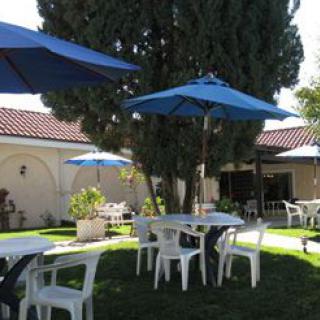
Alpine View Lodge
$2,850 to $3,550 / month17.0 miles away -
from -$300 / mo

Wellspring Assisted Living
$3,200 to $4,000 / month7.0 miles away -
About the same

Ramona Senior Lodge Assisted Living
$3,500 to $5,500 / month22.6 miles away -
from +$300 / mo
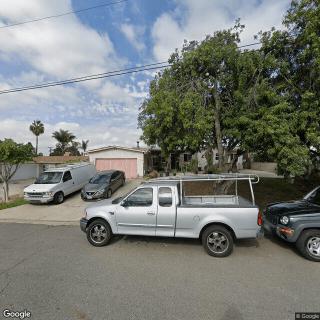
Casa Primavera
$3,800 to $4,800 / month2.3 miles away -
from +$200 / mo
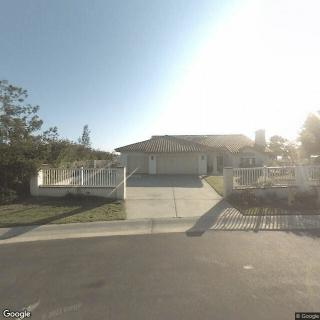
Mount Helix Manor Elder Care
$3,700 to $4,000 / month6.6 miles away
Overall Review of Serra Mesa Guests Home II
Pros
 There are no complaints and everything is going as expected.
- It is another fine residential community that is clean and friendly.
- Evelyn is very nice and the home is clean.
- Her mom is happy there.
- Her mom has made friends, and the staff are friendly and welcoming.
- The staff seem genuine in their greetings and intentions.
- It is a clean place with a nice, peaceful atmosphere.
- The staff are very responsive and address information in detail.
Cons
 The reviewer felt that all the other residents were men and that their mom would not be comfortable in that situation.
- They did not like the idea of a small home.
Review
Serra Mesa Guests Home II in San Diego is best suited for seniors who want a compact, home-like setting where attentive staff deliver steady, personalized care and a quiet, clean environment supports everyday life. This community works best for residents who thrive on routine, modest social interaction, and a low-key pace rather than the bustle of a larger campus. It is a solid fit for families prioritizing reliability, transparent communication, and a safe, homelike atmosphere. Those who value privacy and a straightforward, intimate footprint will find the arrangement appealing, provided the resident is comfortable with a smaller community dynamic.
This setting may not be the right match for everyone. Families with a strong preference for gender diversity or a more mixed-age, mixed-gender social scene should consider alternatives, as the resident population can skew male. The reviews flag that dynamic as a potential mismatch for a resident who would feel more comfortable in a co-ed environment or one with a broader mix of peers. Additionally, the small-house model is a factor for households weighing space, privacy, and the breadth of social or recreational programming; some may worry a compact home limits options compared with larger facilities.
On the plus side, the pros are consistently clear and tangible. The home reads as clean and orderly, and staff are described as friendly and welcoming, with a genuine approach to greetings and ongoing communication. The caregivers come across as responsive and willing to address questions in detail, which translates into a sense of security for families. The atmosphere is noted as peaceful and quiet, a contrast to noisier campuses, which can be a decisive benefit for residents who value serenity and predictable routines. In multiple accounts, residents, including the reviewer’s mom, have formed friendships and report happiness, underscoring the practical payoff of a small, intimate community where staff attention can be more easily focused.
Those strengths offset the main drawbacks in concrete, decision-relevant ways. A clean, well-kept home with a calm environment reduces stress for both resident and family, while staff responsiveness helps avert small issues from becoming big concerns. The intimate setting often means quicker access to assistance, more meaningful daily interactions, and stronger relationships with caregivers, factors that compensate for a narrower social circle or fewer on-site activities than larger facilities offer. When a resident adapts to the small-home rhythm, the living experience can feel highly personal, with staff who are perceived as genuinely invested in well-being and daily satisfaction.
Prospective families should use a visit to gauge how the communal dynamics align with the resident’s preferences. Key questions to guide a tour include: What is the current resident mix, and how does it feel in practice? How predictable are daily schedules, meals, and activities, and what opportunities exist for new social connections? How does the staff handle flexible routines when a resident’s needs change? What is the plan for privacy and personal space within a small home? The consistency of cleanliness, the tone of staff interactions, and the responsiveness noted in reviews should translate into concrete impressions during an in-person or virtual tour.
Bottom line: Serra Mesa Guests Home II serves best those who prize a clean, quiet, home-like setting with a warm, personable staff and a straightforward care approach. Families seeking a larger community with extensive programming, a broader range of social opportunities, or a mixed-gender environment may want to explore alternatives. The reviews converge on a practical verdict: when the resident fits the intimate, low-key model and values dependable care and easy access to caregivers, this community delivers. For others, especially those prioritizing broader social dynamics or a different house-scale experience, it’s sensible to widen the search and compare several options before deciding.
 6 resident community capacity
 Assisted Living
 Board and Care Home
 Cable or satellite TV
 Dining room
 Fully furnished
 Garden
 Housekeeping services
 Move-in coordination
 Outdoor space
 Private
 Telephone
 Wi-Fi/high-speed internet available
 San Diego International-Lindbergh (10 miles away)
 24-hour supervision
 Activities of daily living assistance
 Assistance with bathing
 Assistance with dressing
 Assistance with transfers
 Diabetes diet
 Meal preparation and service
 Medication management
 Special dietary restrictions
 Transportation arrangement (medical)
 Transportation to doctors appointments



 Understanding Medicaid Coverage for Assisted Living: A Comprehensive Guide
 How and When Medicaid May Cover Assisted Living Costs
 A Detailed Exploration of Assisted Living Medicaid Waivers Across the United States