

727 E St, San Diego, CA 92101
To contact a resident: (619) 699-7272
For more information about senior living options: (866) 208-4318
Overall Review of San Diego Silvercrest
Pros
 The reviewer described it as very good.
- The reviewer gave a thumbs up and said, “God Bless America.”
Cons
 Cockroaches were all over the bathroom.
- There was no running water at the sink.
- A rat was seen near his belongings.
- The nurse cried for every resident she saw there.
- Their license should be revoked.
- The phone number was wrong.
Review
San Diego Silvercrest is best suited for seniors who want an affordable, socially active living option in San Diego and for families that value proximity and a straightforward care footprint without demanding high-touch medical oversight. The community appears to attract residents who can participate in planned activities and manage some day-to-day independence. It is not a fit for those who need constant, high-level medical monitoring, immaculate sanitation, or unwavering reliability in core services like water and pest control.
Those who should seriously consider alternatives include families prioritizing pristine cleanliness, rigorous safety standards, and transparent, consistently reliable operations. If cognitive or physical needs require immediate, around-the-clock professional care, this community raises legitimate concerns about whether staffing levels and response systems can meet those demands. Prospective residents who insist on verified licensing credibility and clear corrective-action histories will want to compare this property against communities with documented track records in safety, maintenance, and resident protection.
On the upside, several positive voices point to a livable social environment and cost-conscious options that can support independent living with light assistance. The favorable reviews imply a welcoming atmosphere, opportunities for social engagement, and a sense of community that can enhance quality of life for residents who do not require intensive supervision. However, these advantages cannot erase the more troubling signals present in the record, including a stark first-hand account of severe cleanliness failures and unsafe conditions.
The most consequential drawbacks center on sanitation and safety. A visitor’s report describing cockroaches in the bathroom, no running water at the sink, and a rat near a resident’s belongings signals systemic maintenance and hygiene problems that put residents at real health risk. Coupled with concerns about licensure and the implication of oversight gaps, these issues disproportionately affect vulnerable seniors and undermine trust in daily operations. In short, the negatives here are not minor inconveniences but core risks that can erode safety, dignity, and long-term well-being.
To separate feasibility from risk, families should insist on a rigorous due-diligence process before any commitment. Demand current state and local inspection reports, pest-control logs, and maintenance-response timelines. Conduct unannounced tours to observe daily routines, cleanliness, and staff interactions in different shifts. Speak directly with front-line caregivers about how emergencies are handled, and verify the current license status and any corrective actions taken. Compare these findings against nearby communities with stronger safety reputations to determine whether the price delta justifies the potential downsides.
In the final calculation, the red flags around sanitation and safety cannot be dismissed. If risk tolerance is low and the priority is reliable cleanliness, predictable utilities, and robust care oversight, this community should not be the first choice. For families willing to invest time and scrutiny to audit operations and who can tolerate ongoing monitoring, the option remains on the table, but only with a concrete plan to address the documented deficiencies. The prudent move is to pursue alternatives that demonstrate a proven commitment to resident safety, consistent maintenance, and transparent, responsive management.
 Active Adult Communities (55+)
 San Diego International-Lindbergh (2 miles away)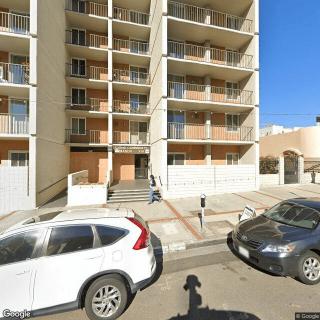



 Comprehensive Guide to Blood Pressure Charts for Older Adults: Understanding Normal and High Readings by Age
 Financing Long-Term Nursing Home Care Through Social Security: A Thorough Exploration
 Essential Knowledge on Pneumonia in Older Adults