
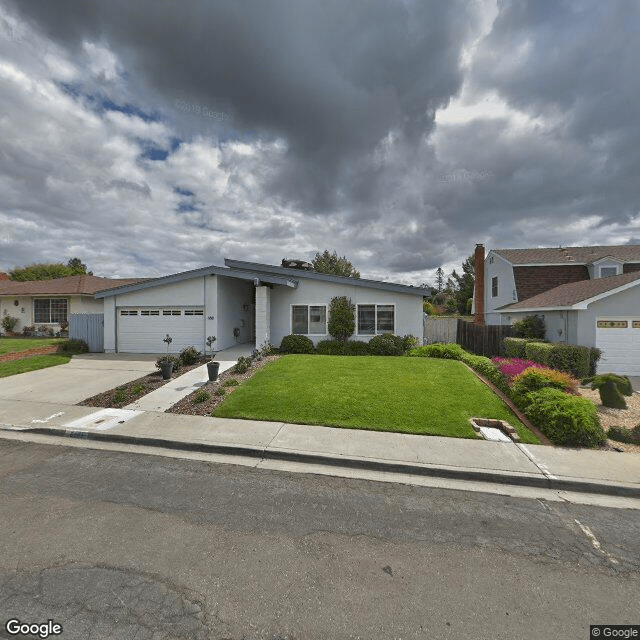
6881 Mewall Drive, San Diego, CA 92119
For more information about senior living options: (866) 208-4318
Rose Garden Guest Home Costs & Pricing
Rose Garden Guest Home offers competitive pricing for its residential accommodations, with monthly costs that reflect the quality of care and comfortable living environment provided. For a semi-private room, residents can expect a fee of $3,500, which is slightly lower than the average cost in San Diego County at $3,518 and notably above the state average of $3,333. In contrast, the private room rate at Rose Garden is set at $4,000, aligning perfectly with San Diego County's average but higher than the statewide benchmark of $3,939. Overall, Rose Garden Guest Home presents an appealing option for families seeking personalized care solutions while remaining mindful of budget considerations in both local and state contexts.
| Floor plans | Rose Garden Guest Home | San Diego County | California |
|---|---|---|---|
| Semi-Private | $3,500 | $3,518 | $3,333 |
| Private | $4,000 | $3,939 | $3,939 |
Memory care communities with a similar price nearby
-
from -$650 / mo
Alpine View Lodge
$2,850 to $3,550 / month12.4 miles away -
from -$300 / mo

Wellspring Assisted Living
$3,200 to $4,000 / month1.2 miles away -
About the same

Ramona Senior Lodge Assisted Living
$3,500 to $5,500 / month14.5 miles away -
from -$300 / mo
Baron's Residential Care Inc. - Lodi Gardens
$3,200 to $4,000 / month11.5 miles away -
from -$500 / mo
Lilac Chateau I
$3,000 to $4,500 / month3.9 miles away
Overall Review of Rose Garden Guest Home
Pros
 The nursing home is very good.
- The employees are very friendly.
- It is also good for the elderly.
- The living facilities are perfect.
Review
Rose Garden Guest Home in San Diego is best suited for seniors who want a warm, manageable home-like setting where daily assistance comes from a friendly, attentive staff and where living spaces are clean, comfortable, and well maintained. The strongest signal from the available feedback is that residents are treated with kindness and respect, and that the environment supports a calm, dignified daily routine. For families prioritizing a non-institutional feel within a skilled nursing or assisted-living framework, this community offers a reassuring blend of approachable care and comfortable quarters.
However, those evaluating options should consider residents with more demanding medical needs. The review does not spell out on-site medical staffing levels, 24/7 nursing presence, or access to comprehensive rehabilitation services, which are critical for higher-acuity situations. Families seeking a broad array of specialized programs, such as memory care, rehab after surgery, or intensive clinical oversight, may want to compare with other communities that publicly document these capabilities. Budget clarity and transparent admissions terms should also be part of the comparison, given the limited detail available in the current picture.
The strongest positives, the friendliness of staff and the impression of excellent living facilities, directly support daily comfort, emotional security, and dignity. When caregivers are responsive and personable, routines feel smoother for residents and less stressful for families, and a well-kept environment reinforces a sense of normalcy and respect. These advantages can offset the lack of explicit information about medical oversight for residents whose needs are largely routine assistance and supervision. Yet for anyone with significant clinical requirements, the absence of concrete data on nursing coverage, therapy options, and emergency response capability introduces real risk and necessitates careful verification.
That said, the practical value of a warm staff and clean, well-appointed spaces is not to be underestimated. A dependable, person-centered approach tends to reduce anxiety during transitions, supports consistent daily rhythms, and fosters a sense of belonging. The caveat remains that care complexity can outpace what is publicly known about the facility. The decision rests on matching current needs with the facility’s demonstrated strengths, primarily daily living support and staff cordiality, while remaining vigilant about any potential escalation in medical or therapeutic requirements.
Before deciding, families should pursue targeted, concrete information: the exact licensure and scope of on-site medical personnel; nurse call responsiveness and staffing ratios by shift; availability of on-site RNs or LPNs around the clock; access to rehabilitative services such as physical and occupational therapy; clarity on meals, dietary accommodations, and dining experiences; a transparent calendar of activities and opportunities for family involvement; safety features, fall prevention measures, and emergency procedures; and a straightforward, comprehensive pricing structure with no hidden fees. A direct visit, open conversations with current residents and their families, and a thorough review of contract terms will reveal whether the warmth described translates into reliable, long-term care.
In sum, Rose Garden Guest Home represents a solid choice for seniors who place a premium on a friendly, attentive staff and comfortable, well-maintained living spaces, with the expectation that daily care can be managed within standard assistance needs. For residents requiring extensive medical supervision, dementia-focused programming, or broader social and therapeutic offerings, alternatives should be explored with careful scrutiny of staffing levels, care capabilities, and cost clarity. The prudent path combines a guided tour with pointed questions about who is available when, what services are included, and how the care plan evolves as needs change. When alignment is confirmed, this San Diego community can provide a reassuring, dependable home base for aging with dignity and support.
 5 resident community capacity
 Assisted Living
 Board and Care Home
 Memory Care
 Cats allowed
 Dogs allowed
 Activities off-site
 Bath tubs
 Cable or satellite TV
 Dining room
 Fully furnished
 Garden
 Housekeeping services
 Indoor common areas
 Move-in coordination
 Outdoor common areas
 Private
 Respite or short term stays offered
 Telephone
 Wheelchair accessible showers
 Wi-Fi/high-speed internet available
 San Diego International-Lindbergh (12 miles away)
 24-hour supervision
 Ambulatory care
 Assistance with bathing
 Assistance with dressing
 Assistance with transfers
 Diabetes diet
 Diabetic care
 Incontinence care
 Meal preparation and service
 Medication management
 Special dietary restrictions
 Transportation arrangement (medical)
 Transportation to doctors appointments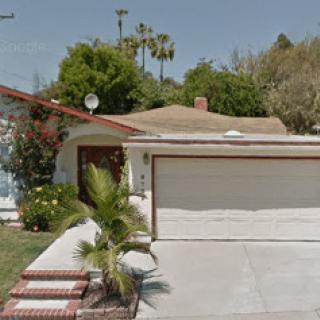




 Assisted Living and Memory Care: Understanding Their Core Differences
 Choosing the Right Senior Care: A Detailed Exploration of Assisted Living and Nursing Homes
 Safeguarding Your Memory Through the Golden Years: Eight Ways to Preserve Cognitive Health