
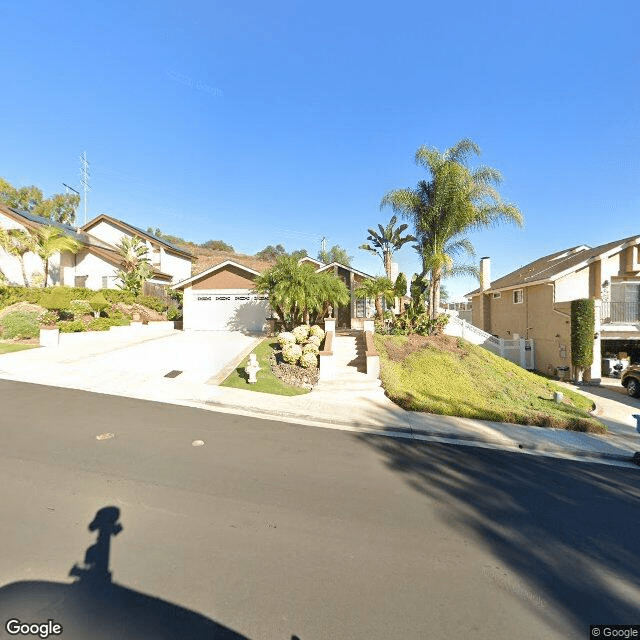
13597 Paseo Cardiel, San Diego, CA 92129
For more information about senior living options: (866) 208-4318
Paseo Guest Home Costs & Pricing
Paseo Guest Home offers competitive pricing for its services compared to the wider market in San Diego County and across California. For a semi-private room, residents can expect to pay $2,000 per month, which is significantly lower than the county average of $3,518 and the state average of $3,333. Similarly, for private room accommodations, Paseo Guest Home charges $2,500 - this is notably less than both the San Diego County and statewide rates of $3,939. Overall, Paseo Guest Home presents an attractive option for those seeking quality care at a more affordable price point in comparison to other facilities.
| Floor plans | Paseo Guest Home | San Diego County | California |
|---|---|---|---|
| Semi-Private | $2,000 | $3,518 | $3,333 |
| Private | $2,500 | $3,939 | $3,939 |
Assisted Living communities with a similar price nearby
-
from -$150 / mo
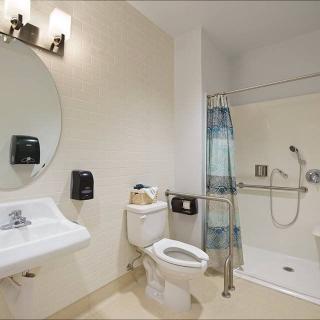
Paradise Valley Manor
$1,850 to $2,800 / month19.3 miles away -
About the same
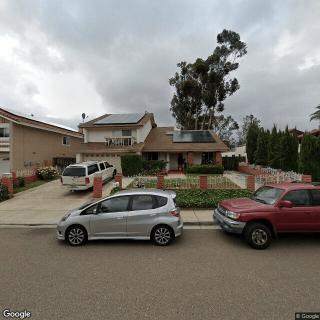
Tierrasanta Vernanel Care Home
$2,000 to $2,500 / month9.8 miles away -
About the same
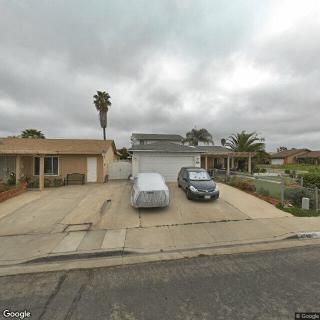
Emmaus Care II
$2,000 to $2,500 / month4.2 miles away -
from +$180 / mo

Monte Vista Village
$2,180 to $3,530 / month16.6 miles away -
from +$310 / mo
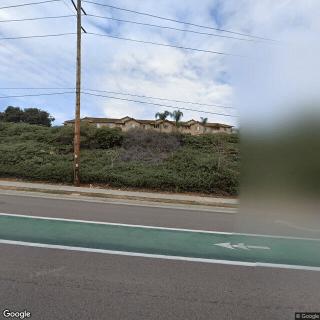
Canyon Villas
$2,310 to $3,880 / month11.4 miles away
Overall Review of Paseo Guest Home
Pros
 They were gracious, compassionate, loving, and caring, providing the most peaceful caregiving imaginable.
- Marylou and her team cared for the mom as if she were their own and loved her to the very end.
- They would recommend Canyon Guest Home, calling it the best home they have found.
Cons
 They describe the visit as just OK.
- They feel the experience was merely acceptable.
Review
Paseo Guest Home is best for families seeking a warm, intimate, home-like environment for seniors who primarily need companionship and daily assistance without the bustle of a large facility. The strongest appeal lies in a caregiving team that treats residents as family, patient, present, and respectful, delivering peaceful days and dignified endings when needed. For residents who are mostly mobile, value private rooms, and prefer predictable routines over institutional formality, Paseo-like homes offer a practical, low-stress setting that supports autonomy within a tight-knit community.
Those who may want alternatives include individuals requiring around-the-clock nursing supervision, complex medical management, or specialized memory care. If the plan calls for hospital-level oversight or highly structured, program-driven activities, a larger campus with dedicated physicians and therapy teams will likely be a better fit. Families seeking aggressive daily care coordination and transparent, consistent updates across every shift may also prefer facilities with formal care coordinators and memory-care wings.
From the strongest pros, the overwhelming benefit is the genuine, benevolent care that staff provide. Caregivers who know names, preferences, and histories deliver a daily sense of safety and comfort that is hard to match in bigger places. The private room and single-floor layout reduce stairs-related risks and preserve privacy, while encouraging easy visits and gentle supervision. These advantages help offset leaner medical resources by ensuring that the resident’s emotional and social needs are met with steadiness and warmth.
However, the main cons are real and should be weighed carefully. A smaller operation typically means fewer on-site nurses and less formal programming, which can limit rapid medical escalation and structured activities. If someone requires regular therapy, frequent medication reviews, or robust dementia programming, the setting may feel insufficient over time. The best-fit candidate is someone who thrives on a calm, intimate rhythm and can rely on external providers for advanced medical needs when necessary.
The reviews also hint at variability, polished moments of connection alongside more modest impressions, emphasizing that staffing consistency and communication quality can influence the overall experience. Prospective residents should probe how care plans are updated, how after-hours concerns are handled, and how family members stay informed during transitions or changes in condition. The ideal scenario here combines heartfelt care with clear expectations and proactive collaboration with families and outside clinicians.
Practical steps to decide include asking about staff-to-resident ratios, typical daily schedules, and who conducts routine medical checks. Clarify how private-pay arrangements work, what is included in the rate, and how long-term bed holds or trial stays are structured. Request to observe a meal, a care routine, and a routine visit to gauge responsiveness and comfort. If the priority is a serene, family-like atmosphere and personal attention that honors resident dignity, Paseo stands out as a strong option; if higher-level medical management or dementia-specific programming is essential, alternatives with more resources should be pursued.
 6 resident community capacity
 Assisted Living
 Board and Care Home
 Cable or satellite TV
 Dining room
 Fully furnished
 Garden
 Housekeeping services
 Move-in coordination
 Outdoor space
 Private
 Telephone
 Wi-Fi/high-speed internet available
 MC Clellan-Palomar Airport (15 miles away)
 24-hour supervision
 Activities of daily living assistance
 Ambulatory care
 Assistance with bathing
 Assistance with dressing
 Assistance with transfers
 Diabetes diet
 Meal preparation and service
 Medication management
 Special dietary restrictions
 Transportation arrangement (medical)
 Transportation to doctors appointments





 Understanding the True Cost of Assisted Living in 2025: A Comprehensive Guide
 Understanding Medicaid Coverage for Assisted Living: A Comprehensive Guide
 How and When Medicaid May Cover Assisted Living Costs