Long-term care insurance support is a standout part of the service residents describe.
Several reviewers specifically mention help with long-term care insurance approvals and benefits, including getting questions answered during the process. Others say the team reviews policies in depth for free and handles billing directly instead of asking families to pay upfront and seek reimbursement. Reviewers also describe the staff as knowledgeable and proactive when coordinating these next steps.
common31 reviews mention this
Caregivers are consistently described well
Residents describe caregivers who are attentive, dependable, and professional.
Across the reviews, families repeatedly describe caregivers as compassionate, respectful, and dependable. Many note quick responses from the office and communication that helps during stressful transitions, including changes in schedules or coverage needs. A few reviewers also share examples of caregivers noticing when something is wrong and reacting promptly to get help.
common19 reviews mention this
Daily support is hands-on
In-home help is described as practical, hands-on support for everyday routines.
Reviewers describe getting day-to-day assistance such as personal care, support with recovery after surgery, and help with household tasks. Several also mention transportation support for doctors and errands, plus meal preparation. Others describe being kept safe at home while recovering or needing extra supervision, with staff coordinating around the person’s needs.
common7 reviews mention this
Hospital and health coordination
Coordination around health events shows up in multiple reviews.
Some reviewers describe the team stepping in quickly after hospital discharge and helping the person transition home safely. Others mention close coordination with hospice or health providers, including timely communication and support that helps comfort and safety. A few stories also reference urgent action during health scares, where the caregiver responds and then keeps the family informed.
How we summarize
Counts show how many written reviews mention each theme; a review can touch several themes, and only frequently mentioned themes are displayed.
Activities of Daily Living (ADLs) are fundamental tasks vital for an individual's independence, particularly in older adults over 85, and include functions like bathing and dressing; assessing ADLs alongside Instrumental Activities of Daily Living (IADLs) helps determine the level of required assistance due to age-related health challenges. Tailored support plans, involving family and community resources, are essential for maintaining dignity and autonomy in assisted living environments.
Medicare does not cover assisted living costs, as it focuses on acute medical needs and short-term care, with exceptions for certain medically necessary services like physical therapy. Individuals must explore other options such as Medicaid, veterans' benefits, or long-term care insurance to manage these expenses effectively.
Choosing between assisted living and nursing homes involves evaluating emotional and financial factors, with assisted living offering independence and support for daily activities at a lower cost, while nursing homes provide intensive medical care for individuals with significant health needs. The decision is influenced by personal preferences, health status, cognitive function, and varying Medicaid coverage across states.
Get PricingAsk A QuestionSchedule A TourContact Senior Advisor
By clicking submit, you agree to our Partner's Terms of Use. You
also consent to receive calls and texts, which may be autodialed, from our Partner. Your consent is not a condition to
using our Partner's service. Please visit our Partner's Privacy Policy for information about their privacy practices.

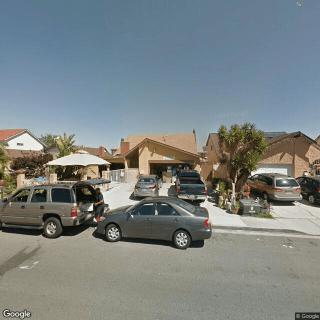
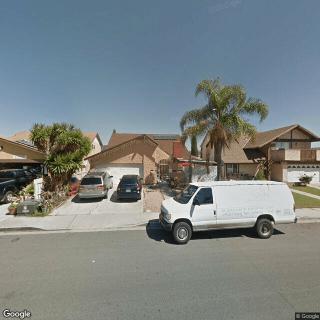
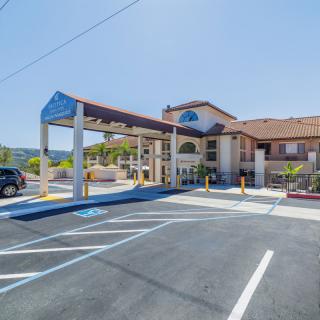
 6 resident community capacity
 Assisted Living
 Board and Care Home
 Respite Care
 Cable or satellite TV
 Dining room
 Fully furnished
 Garden
 Housekeeping services
 Move-in coordination
 Outdoor space
 Telephone
 Wi-Fi/high-speed internet available
 MC Clellan-Palomar Airport (15 miles away)
 24-hour supervision
 Activities of daily living assistance
 Assistance with bathing
 Assistance with dressing
 Assistance with transfers
 Diabetes diet
 Meal preparation and service
 Medication management
 Special dietary restrictions
 Transportation arrangement (medical)
 Transportation to doctors appointments
 Competitive pricing below county/state averages with an intimate, personalized care setting.




 Comprehensive Insights into Activities of Daily Living (ADLs) and Their Assessment
 Medicare Coverage for Assisted Living: An In-Depth Exploration
 Choosing the Right Senior Care: A Detailed Exploration of Assisted Living and Nursing Homes