
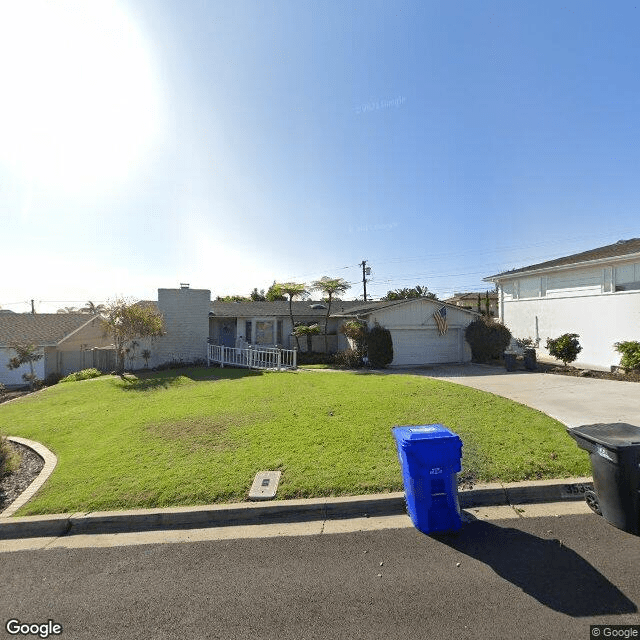
3535 Fenelon Street, San Diego, CA 92106
For more information about senior living options: (866) 208-4318
Mylda Senior Care Facility Costs & Pricing
Mylda Senior Care Facility offers competitive pricing for its services, especially when compared to the broader market in San Diego County and across California. For a semi-private room, residents pay $3,500 per month, which is slightly lower than the county average of $3,518 and aligns closely with the state average of $3,333. In contrast, the facility's private room rate of $4,500 stands out against both local and state averages of $3,939, reflecting an investment in enhanced privacy and personalized care. Overall, Mylda provides a balanced option for seniors seeking quality care within a reasonable price range amid fluctuating costs in the region.
| Floor plans | Mylda Senior Care Facility | San Diego County | California |
|---|---|---|---|
| Semi-Private | $3,500 | $3,518 | $3,333 |
| Private | $4,500 | $3,939 | $3,939 |
Memory care communities with a similar price nearby
-
from -$300 / mo
Wellspring Assisted Living
$3,200 to $4,000 / month13.4 miles away -
from -$300 / mo
Baron's Residential Care Inc. - Lodi Gardens
$3,200 to $4,000 / month8.1 miles away -
from -$500 / mo
Lilac Chateau I
$3,000 to $4,500 / month17.8 miles away -
from +$300 / mo
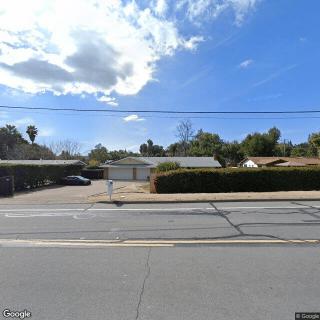
The Rose of Poway
$3,800 to $4,200 / month21.5 miles away -
from -$565 / mo
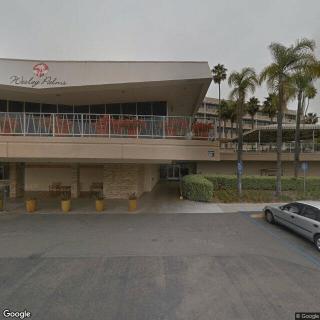
Wesley Palms
$2,935 to $6,320 / month5.9 miles away
Overall Review of Mylda Senior Care Facility
Pros
 The facility is close to the reviewer’s home.
- The surrounding neighborhood is described as very nice.
- The facility is cleaner and more organized than the other place.
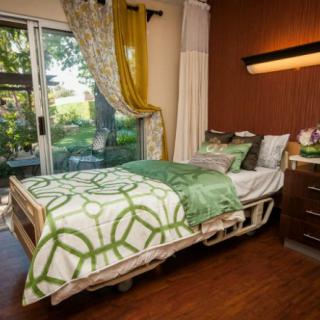
- The facility has a big-screen TV and roomy rooms, with options for shared or private baths.
- The facility has a nice kitchen.
- The facility maintains a calendar of activities.
Cons
 The reviewer describes the woman running the facility as very low functioning.
- The two seniors there were not able to do anything for themselves.
- The woman was feeding, showering, and dressing the residents, implying dependency and limited resident autonomy.
- The residents’ level of consciousness would not be conducive to participating in activities.
Review
This community is best suited for seniors who require ongoing help with activities of daily living, feeding, bathing, dressing, and basic mobility, while not needing hospital-level medical oversight. For families, the location in a San Diego neighborhood offers practical proximity for frequent visits and easy coordination with caregivers. The environment aims for a home-like feel, featuring roomy options for privacy or shared living, a functional kitchen, and a layout that supports straightforward daily routines. In short, this facility fits households seeking a tidy, predictable place where daily care tasks can be managed without the complexity of a highly medicalized setting.
Alternatives should be on the radar for those whose priorities extend beyond basic care. If cognitive stimulation, robust social programming, and highly engaged daily activities are non-negotiables, other communities may deliver more meaningful engagement. Likewise, families addressing complex medical needs or requiring intensive nursing supervision might find rooms here insufficient. This is a prudent option to consider for simpler care needs and strong proximity benefits, but not the best match for residents whose daily life hinges on advanced clinical support or highly dynamic programming.
On the positive side, proximity and a clean, organized environment stand out as meaningful foundations. Being near family homes translates into easier visits, more predictable routines, and less logistical stress. The facility’s cleanliness and orderly setup contribute to a sense of safety and reliability, which matters when relying on staff for essential tasks. Room flexibility, whether a resident shares a bath or has private facilities, supplements comfort and privacy, while a well-appointed kitchen invites shared meals and casual socialization. A big-screen television and the overall communal ambience add familiar, home-like touches that can ease transitions into assisted living.
The primary drawback centers on the level of resident engagement relative to programming. The available activities calendar signals an intention to organize structured days, but the observed reality suggests residents’ cognitive or functional states may limit participation. In practice, that can translate into underutilized programming and a sense that the community’s day-to-day life revolves more around care routines than stimulating, resident-driven activity. For families seeking a robustly active atmosphere or programs tailored to cognitive wellness, this mismatch is a meaningful constraint. The result is a care setting that works well for basic support but offers less promise for meaningful daytime engagement.
A practical decision framework emerges from weighing these factors. If the priority is a convenient, clean, relatively straightforward place where staff can reliably assist with meals and personal care, and proximity to home is a decisive advantage, Mylda Senior Care Facility delivers solid value. The amenity mix, shared or private baths, a functional kitchen, and an organized environment, supports everyday living without flashy frills, which can be exactly what some families want. However, if the goal is a high-energy activity calendar, strong cognitive stimulation, or clinics-level medical oversight, this community may fall short. Families should pursue direct tours, ask about current resident functioning levels, and verify how daily programming is actually executed to confirm alignment with expectations.
In the end, the choice comes down to care needs versus engagement expectations. Mylda Senior Care Facility is a sensible pick for households seeking dependable day-to-day support in a comfortable, well-kept setting near home. It is less suitable for residents who require intensive clinical nursing, highly active programming, or ambitious social calendars. Pros offset some cons where proximity, cleanliness, and practical accommodations matter most; cons become decisive if meaningful daily engagement and higher-acuity care are non-negotiables. A candid visitation and targeted questions will reveal whether this community truly fits the family’s profile or if another option better matches the desired balance of care, comfort, and activity.
 6 resident community capacity
 Studio apartments
 Assisted Living
 Board and Care Home
 Memory Care
 Respite Care
 Cats allowed
 Dogs allowed
 Activities off-site
 Cable or satellite TV
 Dining room
 Fully furnished
 Garden
 Housekeeping services
 Indoor common areas
 Laundry
 Move-in coordination
 Outdoor common areas
 Private
 Telephone
 Wheelchair accessible showers
 Wi-Fi/high-speed internet available
 San Diego International-Lindbergh (3 miles away)
 24-hour supervision
 Ambulatory care
 Assistance with bathing
 Assistance with dressing
 Assistance with transfers
 Diabetes diet
 Diabetic care
 Incontinence care
 Meal preparation and service
 Medication management
 Special dietary restrictions
 Transportation arrangement (medical)
 Transportation to doctors appointments
 Walking wheelchair assistance
 English


 Understanding Dementia Through Its Seven Stages: A Comprehensive Look at Progression and Expectations
 A Holistic Dementia Care Guide: Effective Strategies for Memory Support
 Memory Care Pathways: A Holistic Guide to Dementia Support