Harbor View Senior Assisted Living Costs & Pricing
Harbor View Senior Assisted Living offers a range of accommodations with pricing that reflects the quality and services provided within its community. For a semi-private room, residents can expect to pay $3,800 per month, which is slightly higher than the San Diego County average of $3,518 and significantly above the state average of $3,333. The pricing for a one-bedroom unit stands at $5,000, again surpassing both the county average of $4,315 and California's overall average of $4,340. For those seeking more private space in a studio, Harbor View's cost is set at $5,500 - considerably higher than the county's average of $4,217 and the state's figure of $4,145. These rates suggest that while Harbor View may be priced above local and state averages, it potentially offers enhanced amenities and personalized care that contribute to its premium positioning in the market.
Floor plans
Harbor View Senior Assisted Living
San Diego County
California
Semi-Private
$3,800
$3,518
$3,333
1 Bedroom
$5,000
$4,315
$4,340
Studio
$5,500
$4,217
$4,145
Memory care communities with a similar price nearby
Overall Review of Harbor View Senior Assisted Living
common31 reviews mention this
Caregivers feel truly attentive
Residents and families consistently describe staff as attentive and caring.
Across the reviews, families repeatedly say caregivers pay close attention to individual needs and treat residents with warmth. Several mentions highlight that communication stays steady with families and that help is responsive when something changes. In memory care reviews, people describe trusting the team for day-to-day safety and support, including for residents with higher care needs.
common5 reviews mention this
Cleanliness stands out
Cleanliness is a noticeable theme in both positive and negative reviews.
Multiple residents and visitors mention the facility looks well kept, including rooms and common areas staying clean. One review also specifically describes cleaning after meals. A separate negative review complains about an ongoing smell, which is the main cleanliness concern that comes up.
differentiator7 reviews mention this
Dining is consistently praised
Meals are a frequent bright spot, with food described as good and supportive of needs.
Reviews frequently mention liking the food quality and say meals are prepared to resident preferences or needs. Several residents and families describe the dining room setup and attention to day-to-day dining, including daily upkeep. The community also offers restaurant-style dining and meal support for special diets, matching how residents talk about food and dietary needs.
common6 reviews mention this
Activities and music keep residents engaged
Families describe lively daily programming, including music and group activities.
Many reviews mention structured daily activities such as music, exercise, and arts and crafts for residents who are able to participate. Several also describe live performances or musical events that residents can enjoy. While one review feels socialization is too structured, the overall thread is that there is regular engagement rather than long stretches without things to do.
caveat5 reviews mention this
Price feels fair, but can be high
Pricing comes up as a tradeoff, with some saying it’s expensive but also others calling it fair value.
A few families say the pricing is more than fair or that the overall package price worked well for them. Others describe it as more expensive—one review explicitly ties that higher cost to not selecting the community, and another notes an inclusive cost when comparing options. Alongside that, reviews also mention that pricing doesn’t change monthly in the way some alternatives do.
How we summarize
Counts show how many written reviews mention each theme; a review can touch several themes, and only frequently mentioned themes are displayed.
Features
Housing
30 resident community capacity
Studio apartments
Types of Care
Assisted Living
Memory Care
Respite Care
Amenities
Activities on-site
Beautician on-site
Beauty salon
Cable or satellite TV
Dining room
Financing advice
Fully furnished
Garden
Guasts at mealtime
Housekeeping services
Indoor common areas
Kitchenette
Laundry
Move-in coordination
Outdoor common areas
Outdoor space
Party space
Restaurant-style dining
Security gate
Small library
Telephone
VA Benefits Consultation
Wheelchair accessible showers
Wi-Fi/high-speed internet available
Transportation
San Diego International-Lindbergh (1 miles away)
Care Services
24-hour call system
24-hour supervision
Activities of daily living assistance
Ambulatory care
Assistance with bathing
Assistance with dressing
Assistance with transfers
Diabetes diet
Diabetic care
Incontinence care
Meal preparation and service
Medication management
Mental wellness program
Mild cognitive impairment
Physical therapy
Psychiatric care
Special dietary restrictions
Specialized memory care programming
Dining
Diabetes diet
Meals provided
Special dietary restrictions
Vegetarian
Activities
Activities off-site
Activities on-site
Arts and crafts
Book club
Community-sponsored activities
Educational speakers / life long learning
Fitness programs
Games
Live musical performances
Religious services
Resident-run activities
Scheduled daily activities
Stories
Nearby Places of Interest
This part of San Diego, California, offers a variety of amenities and services that cater to a senior's needs and interests. With numerous restaurants, cafes, and pharmacies within close proximity, residents can easily access dining options and medical supplies. The area also features several parks for outdoor recreation and relaxation, as well as convenient transportation options such as trolley stations and car rentals for easy travel around the city. In terms of healthcare, there are reputable hospitals and physicians nearby for any medical needs. Additionally, entertainment options like theaters are available for leisure activities. Overall, this part of San Diego provides a well-rounded living environment for seniors looking for convenience, accessibility, and quality amenities.
Restaurants
Ballast Point Tasting Room And Kitchen (0.3 miles)
Barbusa (0.4 miles)
Pure Project - Ba (0.5 miles)
Miguel’s Cocina (0.9 miles)
McDonald's (1.1 miles)
Kansas City Barbeque (1.3 miles)
Urban Mos Bar & Grill (1.3 miles)
Pharmacies
CVS Pharmacy (0.5 miles)
Rite Aid (0.7 miles)
CVS Pharmacy (1 miles)
CVS Pharmacy (1 miles)
Rite Aid (1.2 miles)
Walgreens (1.3 miles)
CVS Pharmacy (1.4 miles)
Parks
Balboa Park South Loop (0.6 miles)
Waterfront Park (0.7 miles)
Balboa Park (0.9 miles)
Pantoja Park (1.1 miles)
Quartyard Dog Park (1.4 miles)
Embarcadero Marina Park South (1.8 miles)
Centennial Park (2.1 miles)
Physicians
Internal Medicine Associates (0.7 miles)
San Diego Mental Health Services (3.5 miles)
Sharp Rees-Stealy San Diego Radiology (4.7 miles)
Transportation
San Diego Santa Fe Depot (0.9 miles)
Firefly Car Rental (1 miles)
Gaslamp Quarter Trolley Station (1.6 miles)
San Diego International Airport (SAN) (1.8 miles)
Terminal 2 (2.2 miles)
TSA Pre-Check (2.2 miles)
Fashion Valley Trolley Station and Transit Center (2.5 miles)
Hospitals
Naval Medical Center San Diego (1.2 miles)
UC San Diego Medical Center (1.7 miles)
Rady Children's Hospital (4.8 miles)
Kearny Mesa Convalescent and Nursing Home (4.8 miles)
Sharp Memorial Hospital (4.9 miles)
Rady's Children's Hospital San Diego Large Waiting Room, Frost Street, Entrance 8 (4.9 miles)
Cafes
Ghirardelli Ice Cream And Chocolate Shop (1.3 miles)
Harbor View Senior Assisted Living offers a range of accommodations with pricing that reflects the quality and services provided within its community. For a semi-private room, residents can expect to pay $3,800 per month, which is slightly higher than the San Diego County average of $3,518 and significantly above the state average of $3,333. The pricing for a one-bedroom unit stands at $5,000, again surpassing both the county average of $4,315 and California's overall average of $4,340. For those seeking more private space in a studio, Harbor View's cost is set at $5,500 - considerably higher than the county's average of $4,217 and the state's figure of $4,145. These rates suggest that while Harbor View may be priced above local and state averages, it potentially offers enhanced amenities and personalized care that contribute to its premium positioning in the market.
The features offered by Harbor View Senior Assisted Living are designed to create a supportive and nurturing environment for residents with dementia or Alzheimer's disease. With 24-hour supervision, residents receive constant monitoring, ensuring their safety and providing immediate assistance when needed. Activities of daily living assistance, including help with bathing, dressing, and transfers, promotes dignity while accommodating individual needs. Incontinence care is also essential for maintaining comfort and hygiene. Meal preparation and service cater to nutritional requirements while encouraging social interaction during mealtimes. Medication management ensures that residents adhere to prescribed regimens, minimizing health risks associated with cognitive impairments. The mental wellness program and specialized memory care programming engage residents in meaningful activities tailored to their cognitive abilities, fostering cognitive function and emotional well-being. Moreover, physical therapy supports mobility and physical health, which is crucial for overall quality of life as they navigate various stages of their condition. Collectively, these services offer a holistic approach to memory care that respects each resident's unique journey while enhancing their daily living experiences.
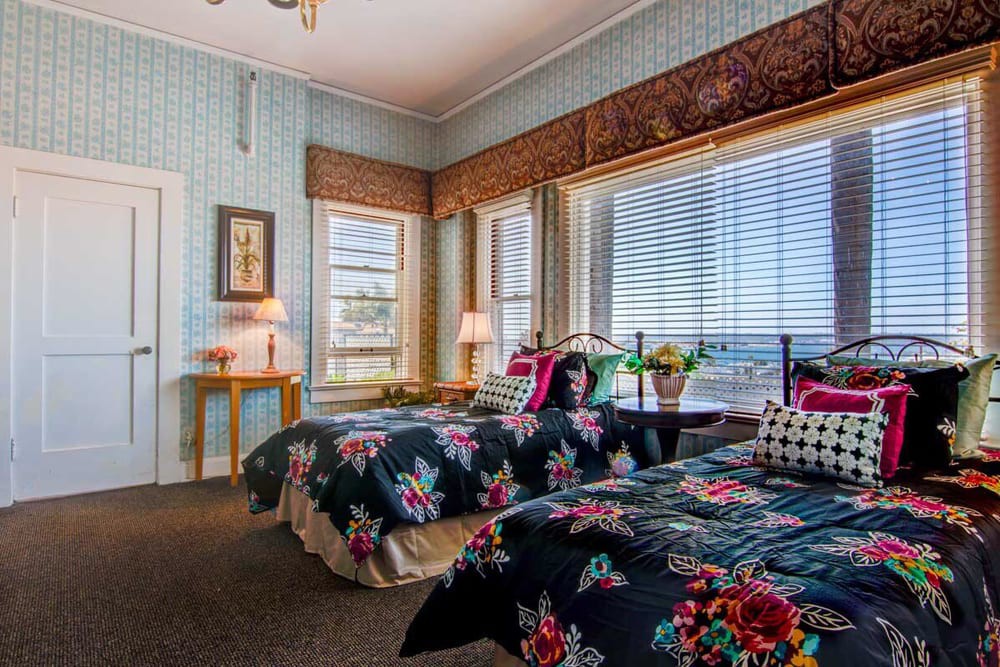
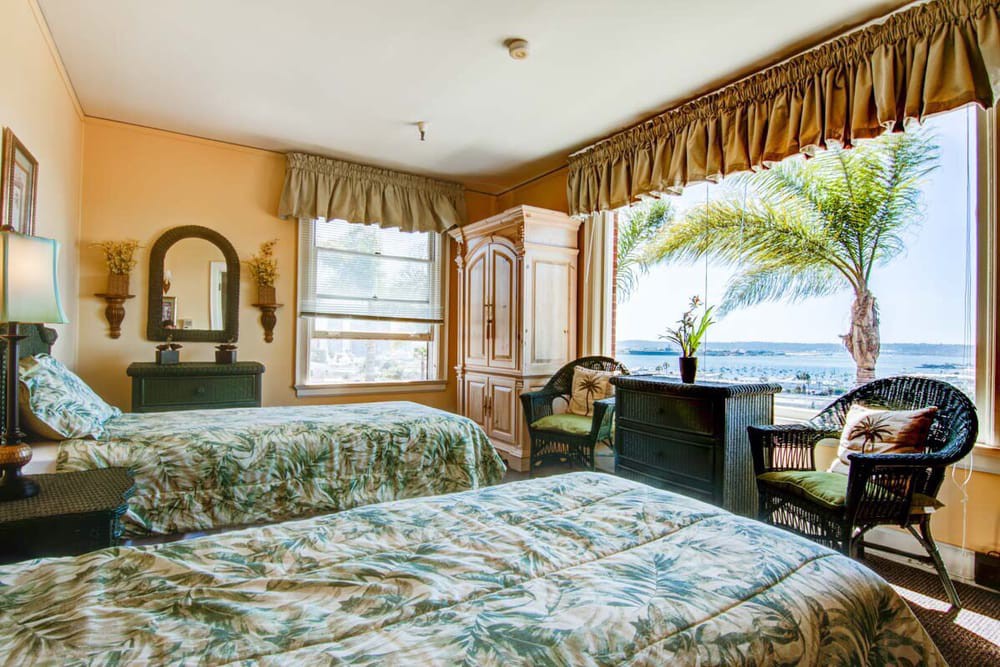
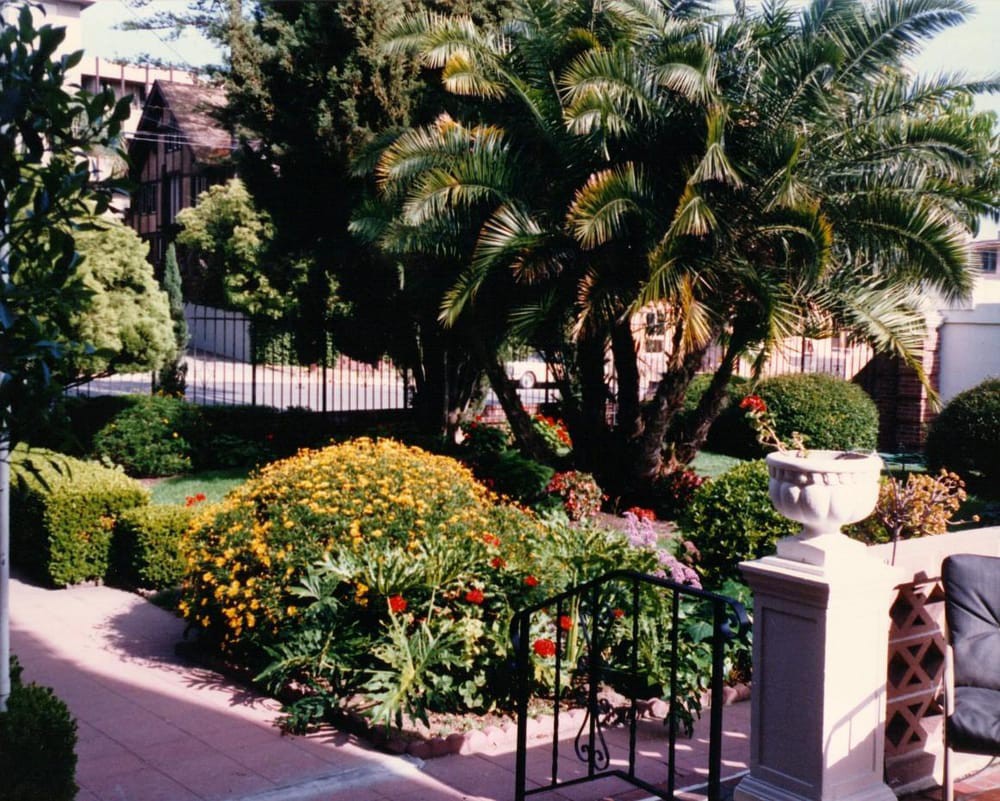
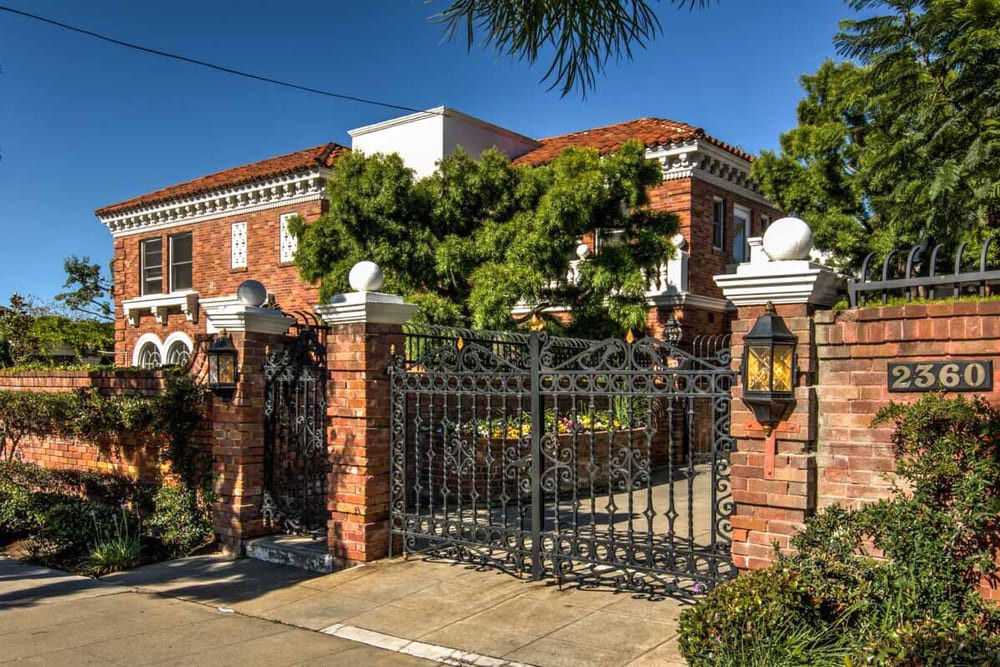
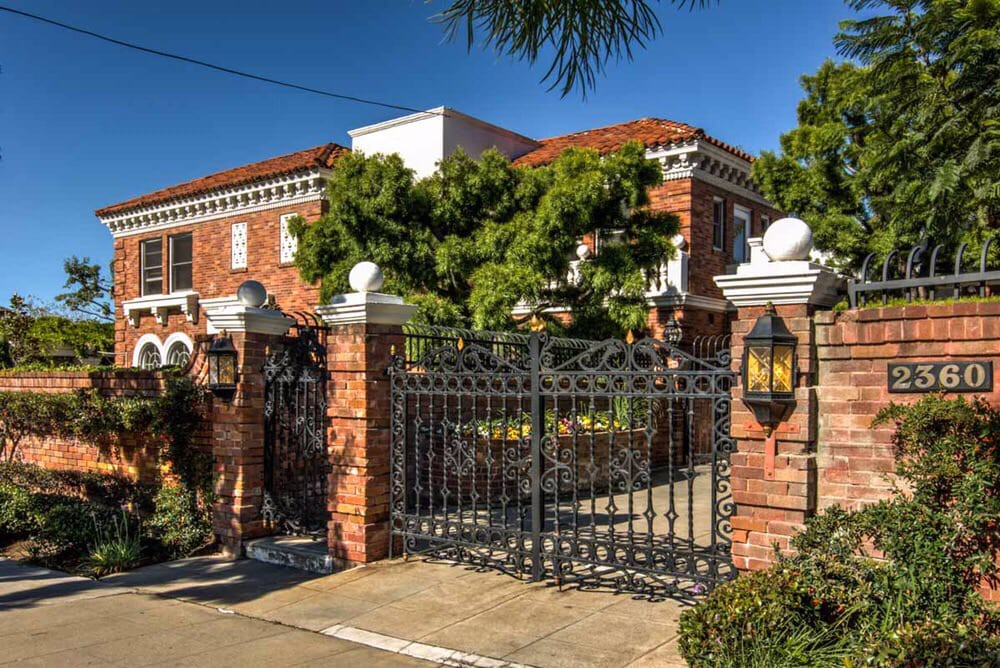
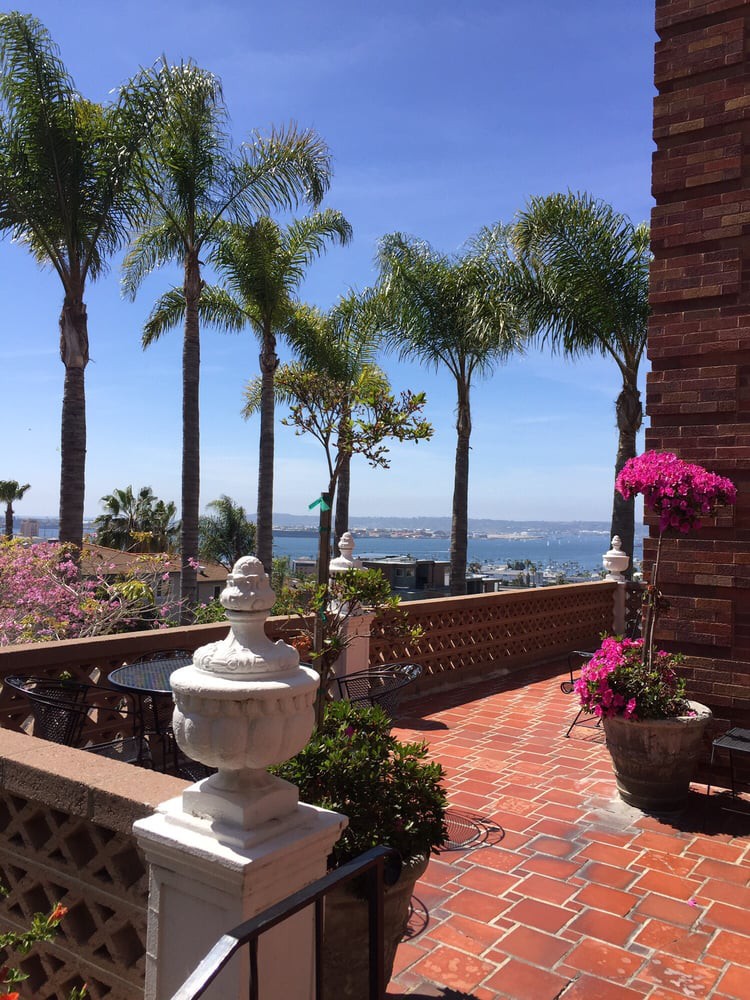
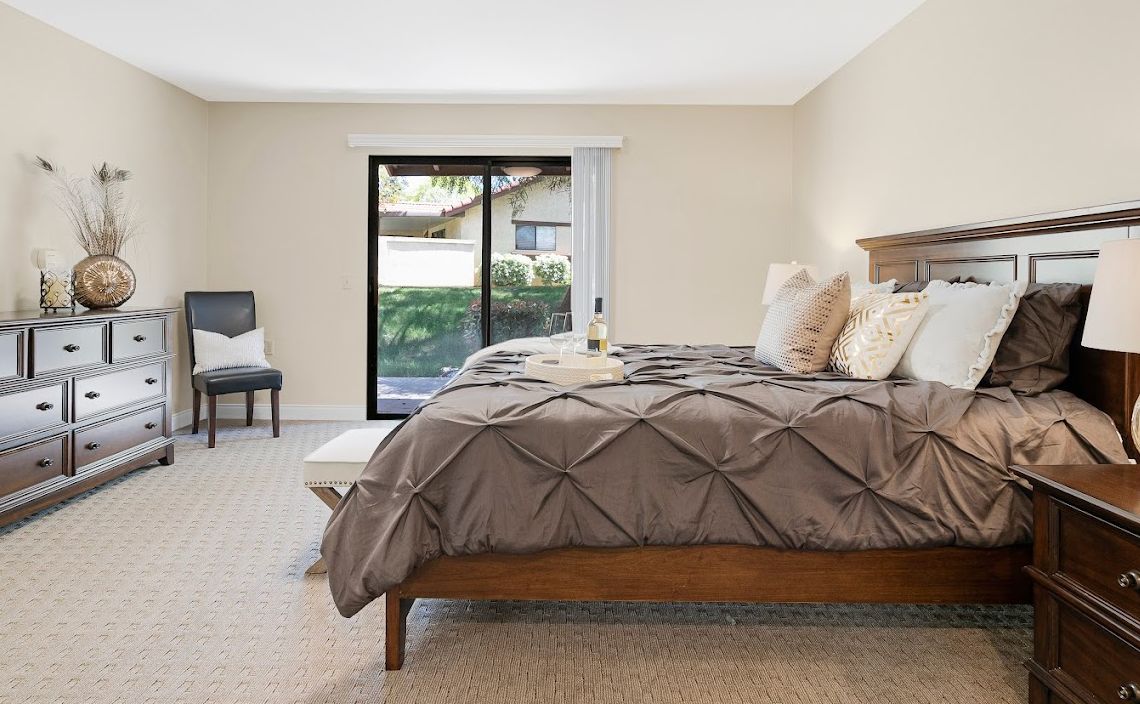
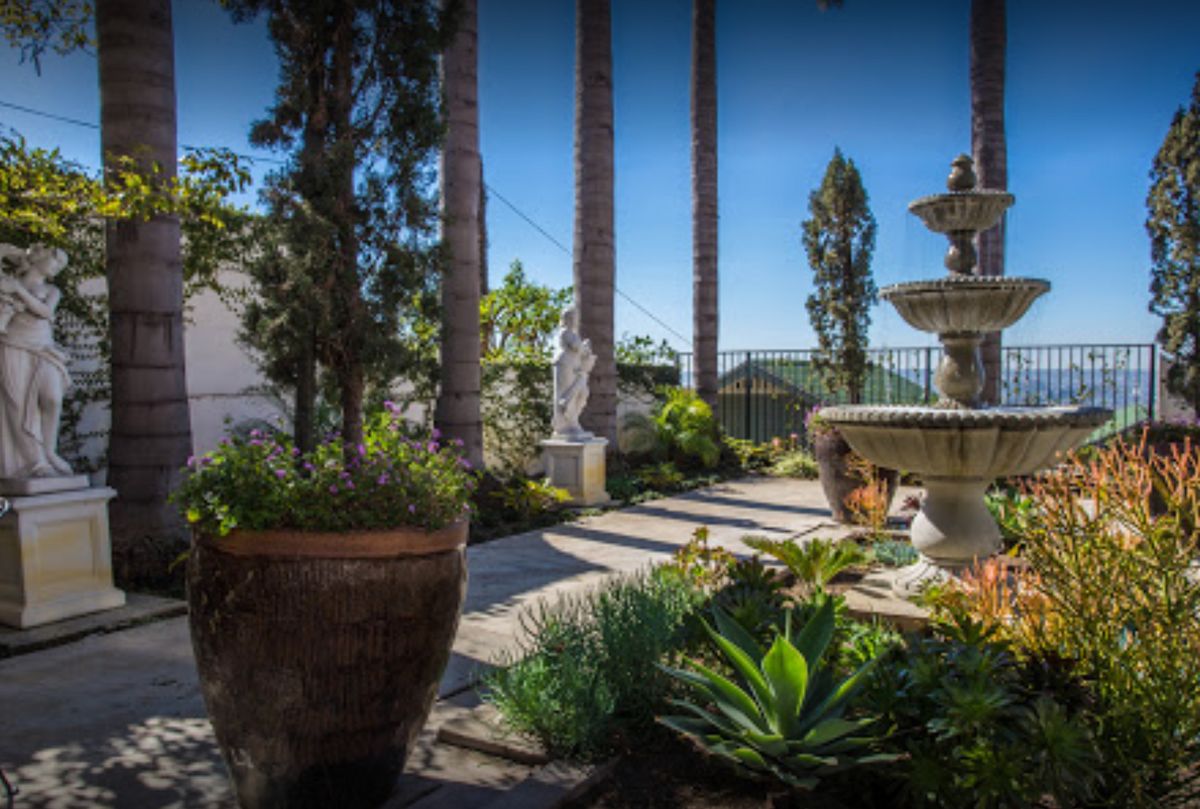
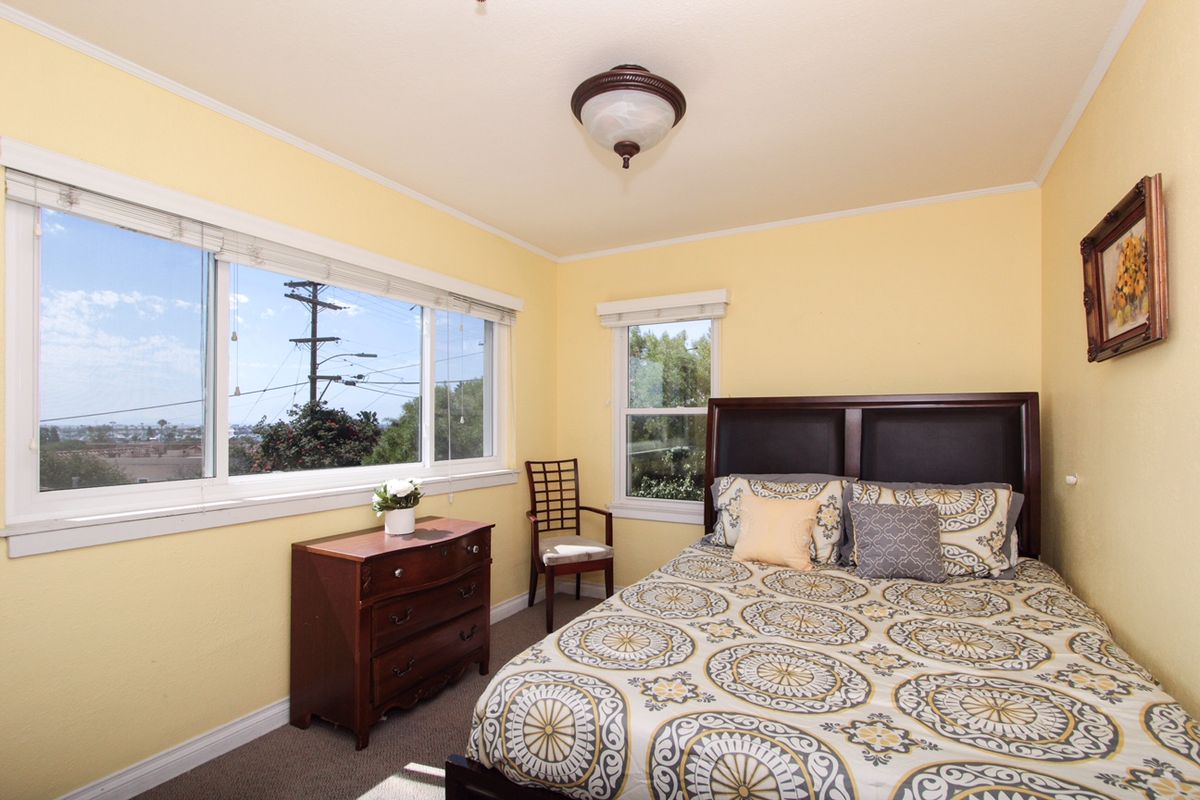
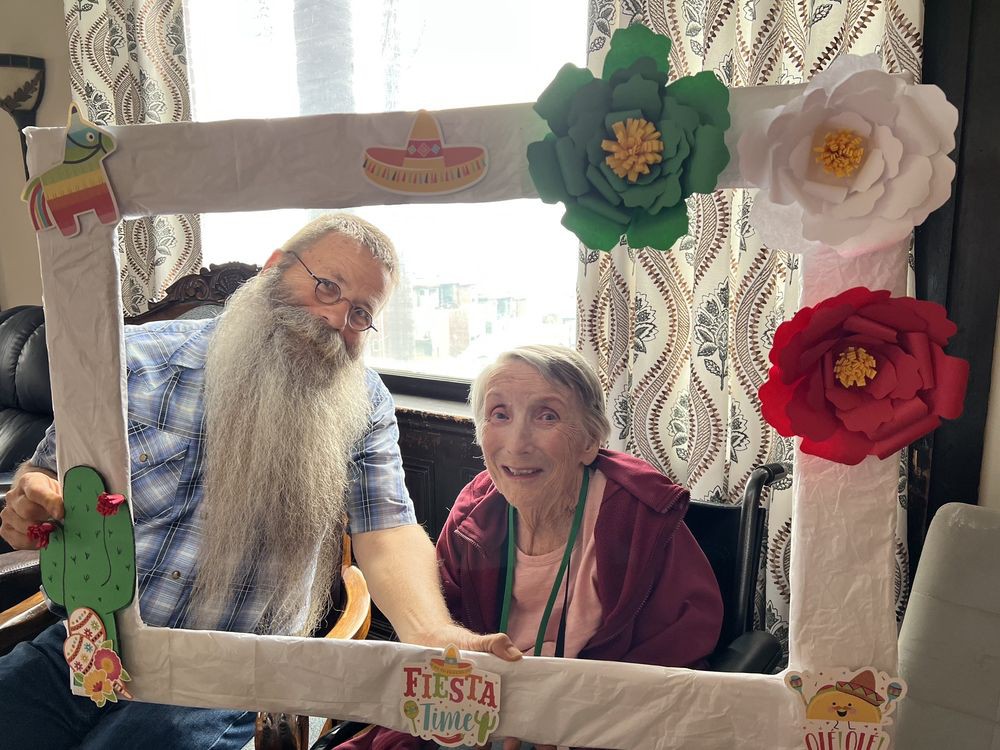
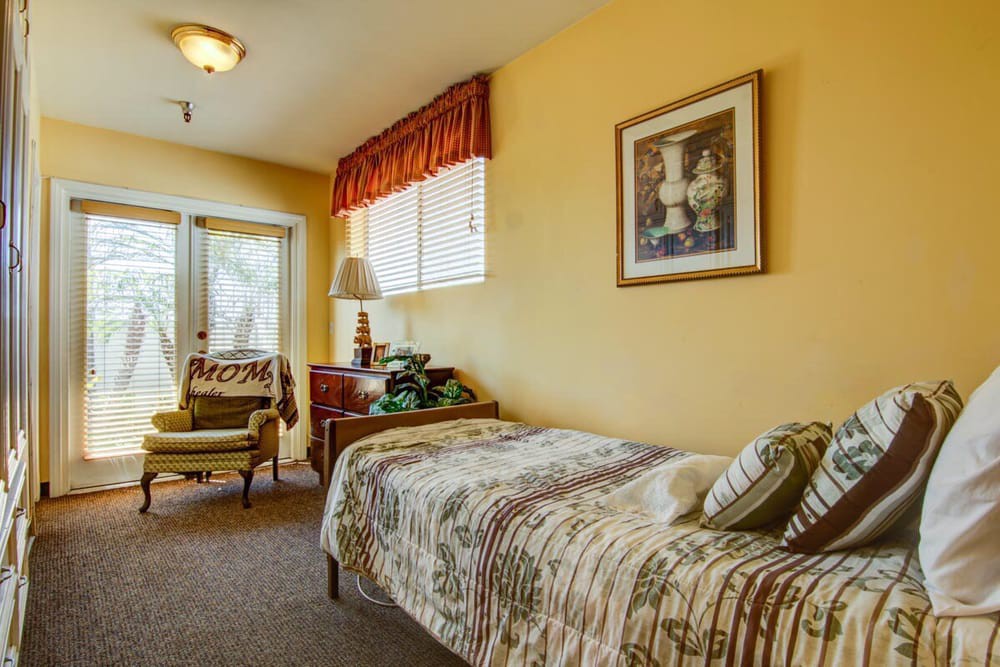
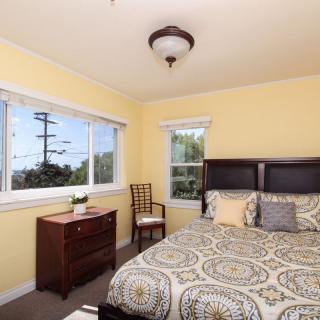
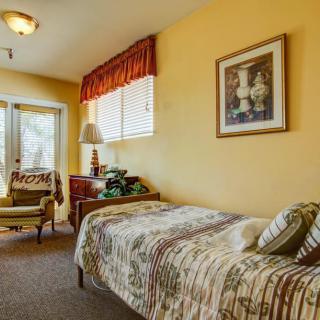
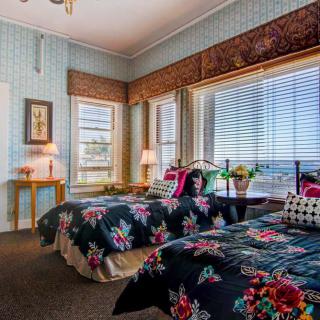
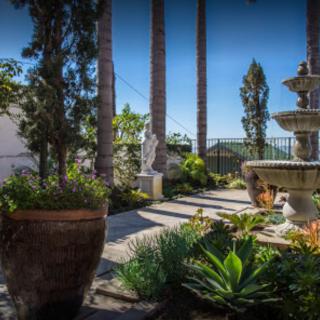
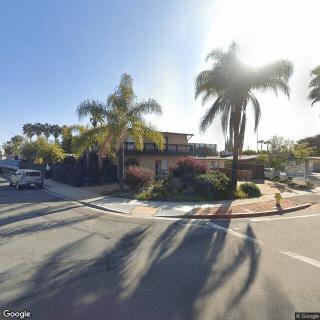
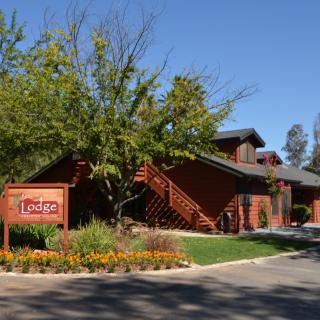
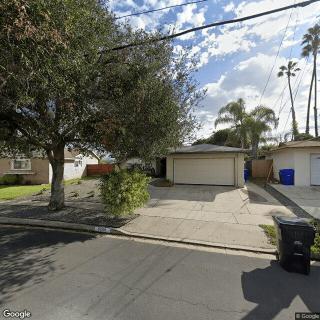
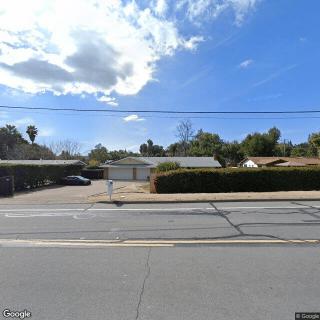
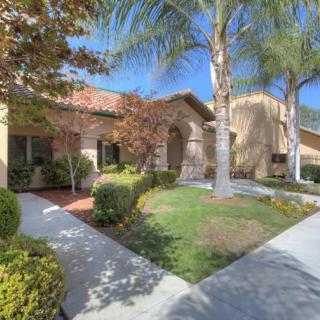
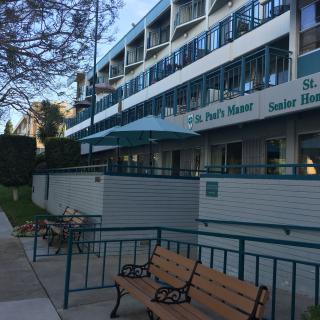
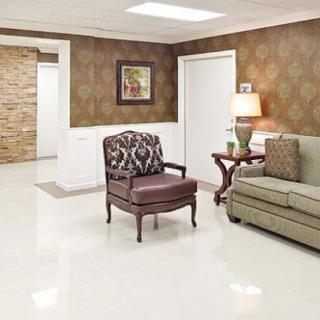
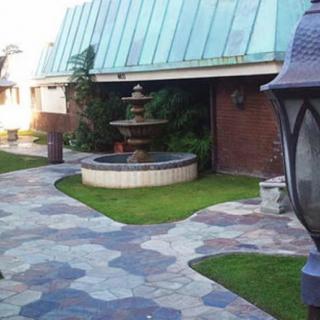
Harbor View Senior Assisted Living on seniors.fyi includes 20 photos including images showing bedroom, landscaping, palm trees, architecture, interior, garden, outdoor, brick building, and more.
Nearby Communities
Merrill Gardens at Bankers Hill
San Diego, CA
4.6 from 103 reviews
$4,200 to $6,150 / month
Caring staff with strong leadership and high-quality dining in a warm, neighborly community with great views.
St. Paul's Villa
San Diego, CA
3.6 from 42 reviews
$2,719 to $4,691 / month
Empathetic, friendly staff with engaging activities and clean rooms.
St. Paul's Villa
San Diego, CA
5 from 10 reviews
Comprehensive on-site amenities and personalized care in a supportive environment.
Age Concerns Inc
San Diego, CA
Vibrant lifestyle with convenient access to nearby cafes, parks, healthcare, restaurants, transportation, and theaters.
St. Paul's Manor
San Diego, CA
4.6 from 15 reviews
$1,554 to $2,174 / month
Long-tenured staff, great location, and relatively affordable pricing.
St. Pauls Health Care Center
San Diego, CA
3.8 from 18 reviews
Caring staff and a variety of engaging activities that support well-being.
Visiting Angels
San Diego, CA
4.9 from 92 reviews
Professional, prompt caregiver placement with flexible scheduling and trusted care.
Balboa Nursing & Rehabilitation Center
San Diego, CA
4.4 from 125 reviews
Caring staff in a clean facility with good meals and activities.
Dementia, influenced by aging and certain medications, may be exacerbated by drug classes such as anticholinergics, benzodiazepines, and antipsychotics, which are associated with cognitive impairment. Regular medication reviews by healthcare professionals are crucial for older adults to manage risks and optimize cognitive health.
Dementia often results in disrupted sleep patterns, leading to excessive daytime sleeping due to factors like brain damage affecting circadian rhythms, medication side effects, and lack of structure in daily activities. Caregivers must monitor these changes closely, as oversleeping can increase risks such as malnutrition or dehydration, and provide necessary support and routines to enhance patient engagement and well-being.
The transition from assisted living to skilled nursing care is often prompted by complex medical needs that assisted living cannot meet, with key indicators including frequent health declines, increased falls, severe memory issues, and caregiver burnout. Families should recognize these signs early to discuss options with healthcare providers and prepare for the emotional and logistical aspects of moving to a facility that offers comprehensive medical support.
Get PricingAsk A QuestionSchedule A TourContact Senior Advisor
By clicking submit, you agree to our Partner's Terms of Use. You
also consent to receive calls and texts, which may be autodialed, from our Partner. Your consent is not a condition to
using our Partner's service. Please visit our Partner's Privacy Policy for information about their privacy practices.











 30 resident community capacity
 Studio apartments
 Assisted Living
 Memory Care
 Respite Care
 Activities on-site
 Beautician on-site
 Cable or satellite TV
 Dining room
 Financing advice
 Fully furnished
 Garden
 Housekeeping services
 Indoor common areas
 Kitchenette
 Laundry
 Move-in coordination
 Outdoor common areas
 Party space
 Restaurant-style dining
 Security gate
 Small library
 Telephone
 Wheelchair accessible showers
 Wi-Fi/high-speed internet available
 San Diego International-Lindbergh (1 miles away)
 24-hour call system
 Ambulatory care
 Assistance with bathing
 Assistance with dressing
 Assistance with transfers
 Diabetes diet
 Diabetic care
 Incontinence care
 Medication management
 Mental wellness program
 Physical therapy
 Psychiatric care
 Special dietary restrictions
 Arts and crafts
 Book club
 Educational speakers / life long learning
 Fitness programs
 Games
Games Live musical performances
 Religious services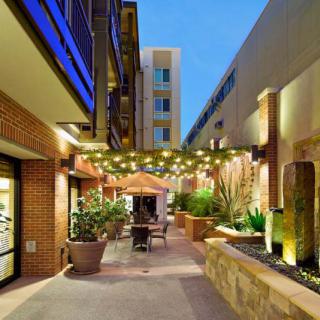
 Caring staff with strong leadership and high-quality dining in a warm, neighborly community with great views.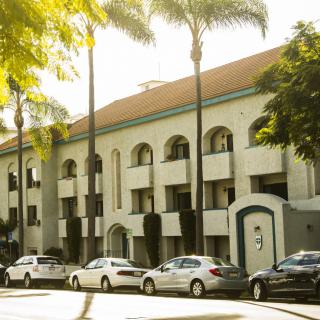



 A Thorough Discussion of Medications Potentially Linked to Dementia Risk
 Why Do Dementia Patients Sleep So Much? Understanding Oversleeping, Stages, and Care Approaches
 8 Key Indicators That Suggest It May Be Time to Transition from Assisted Living to Skilled Nursing Care