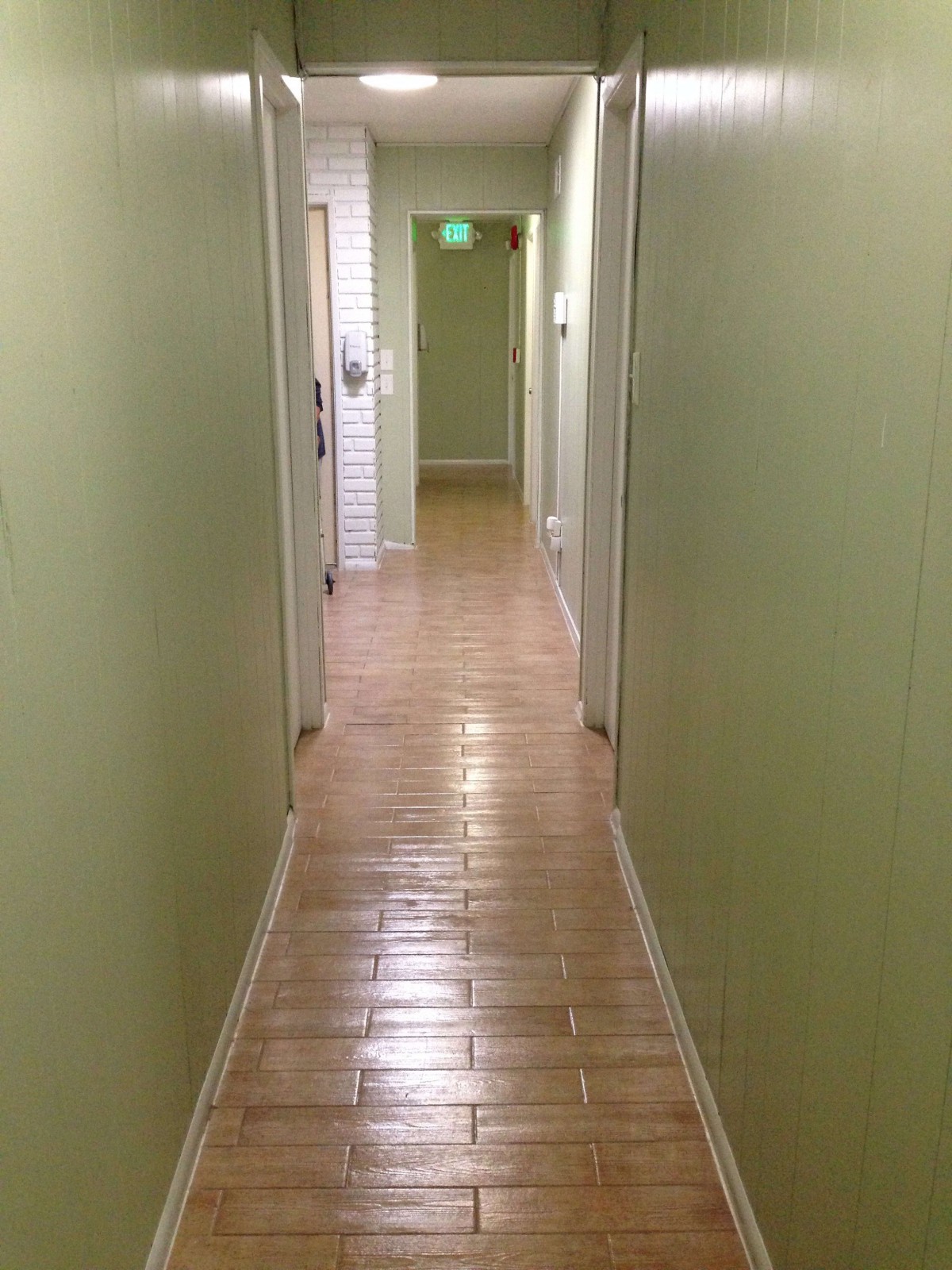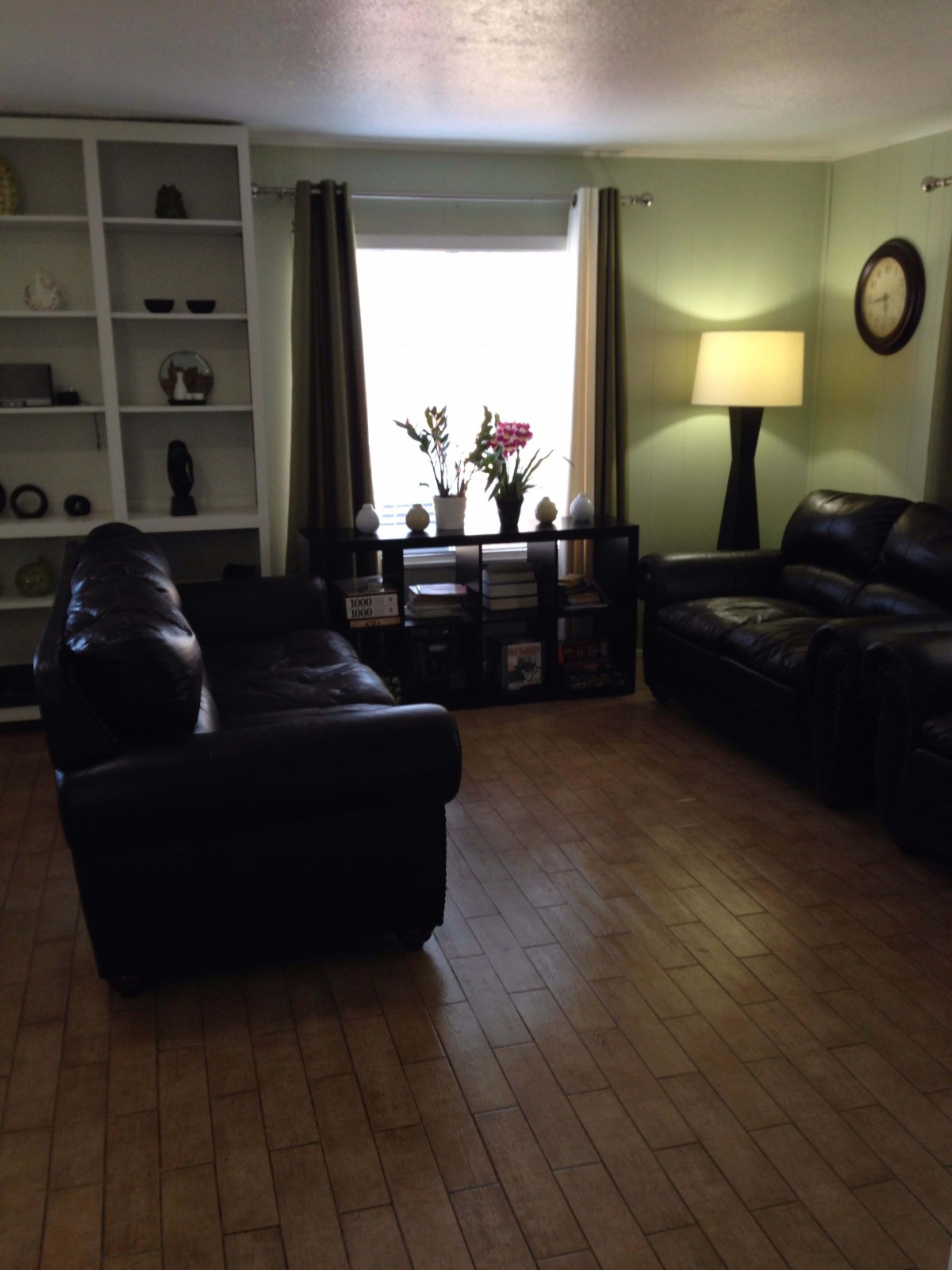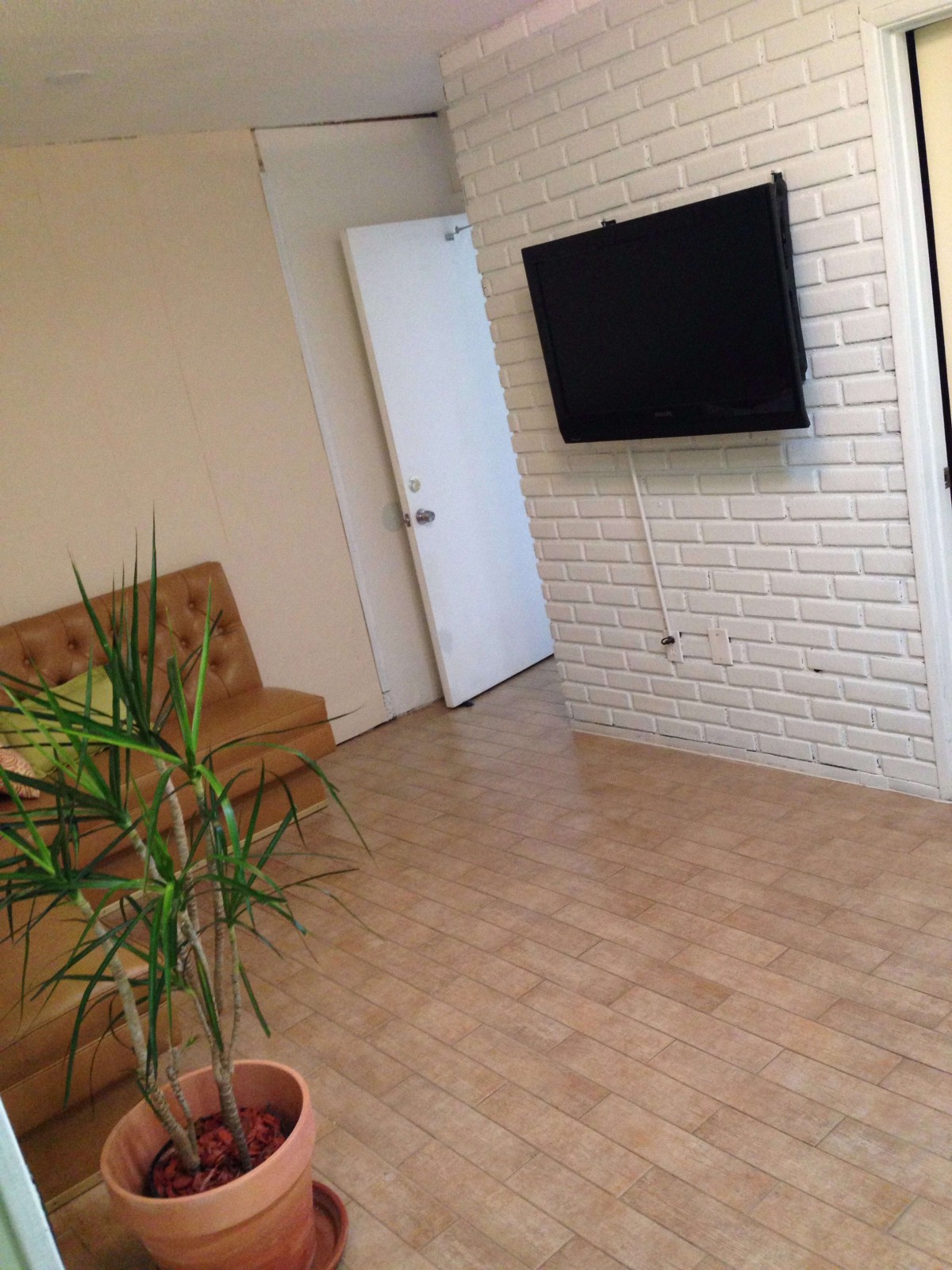
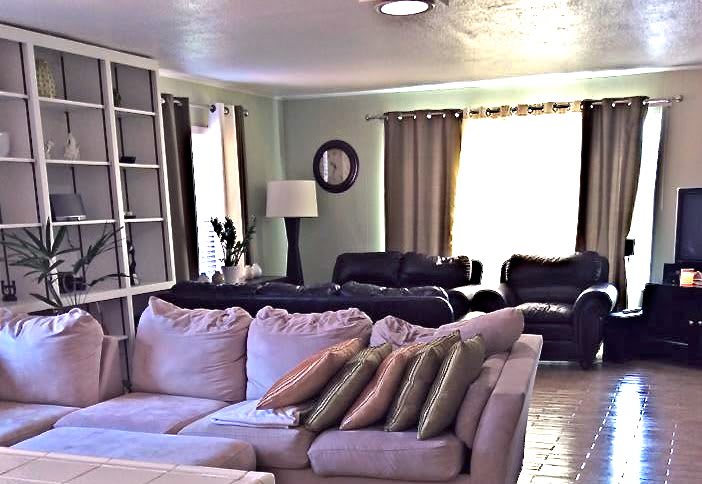
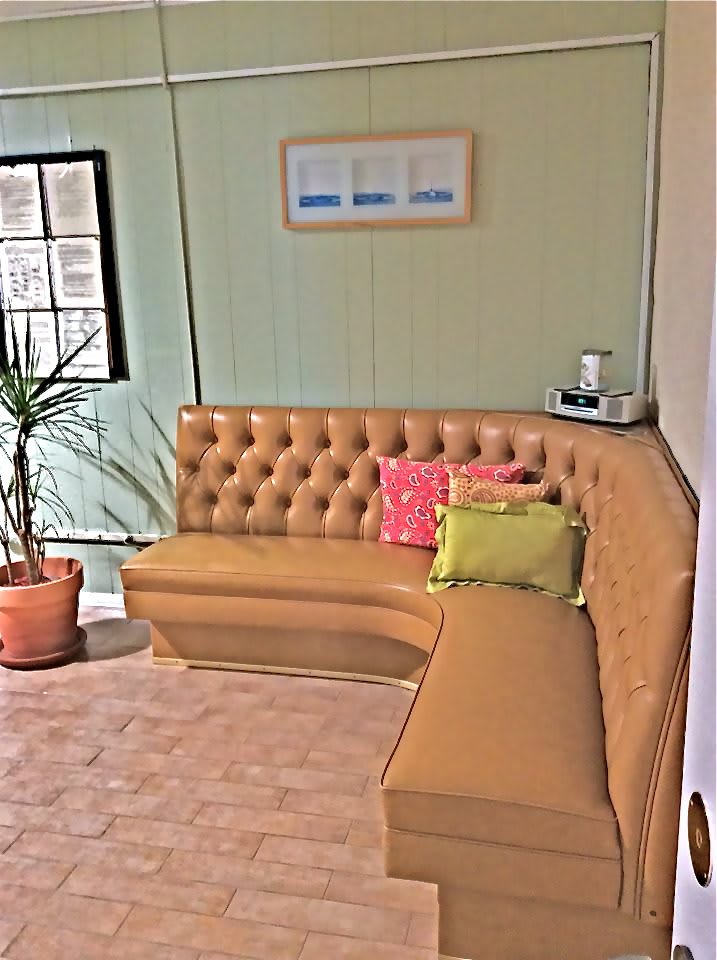
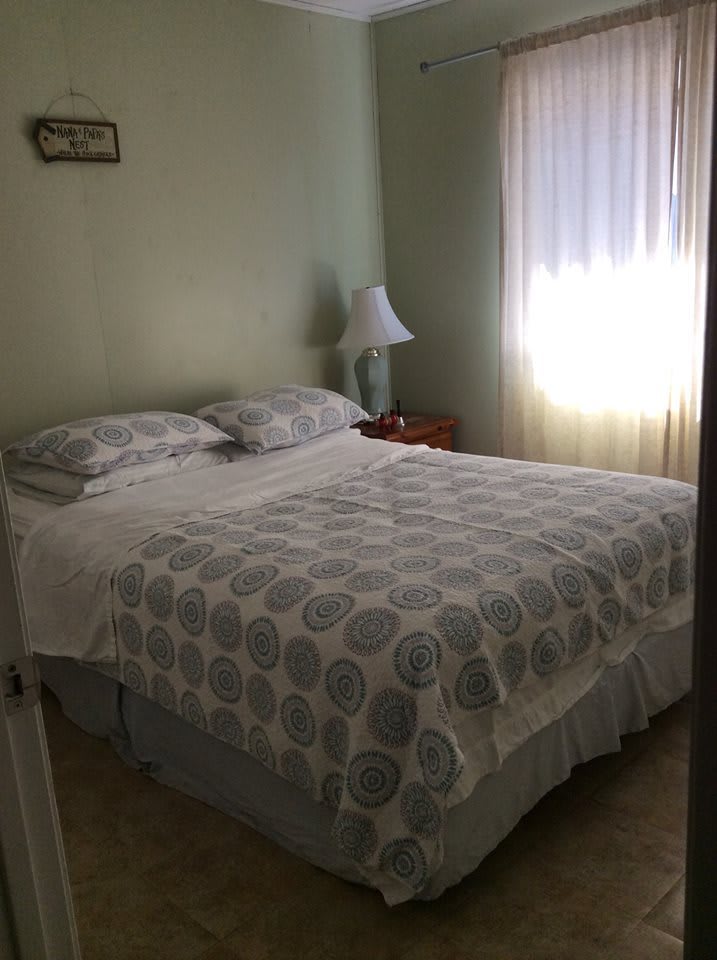
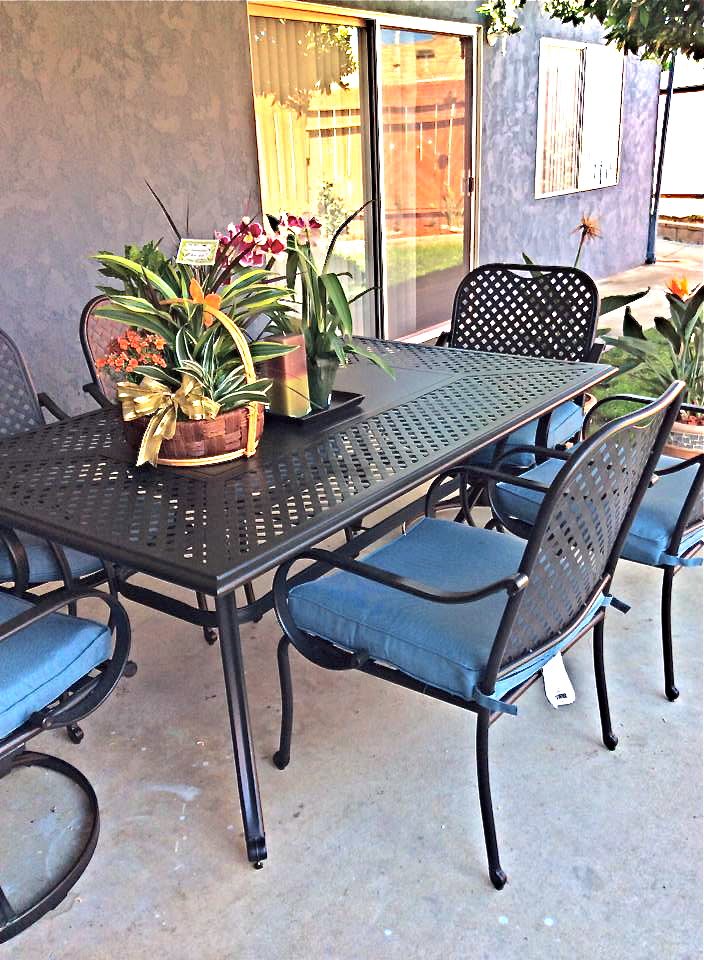


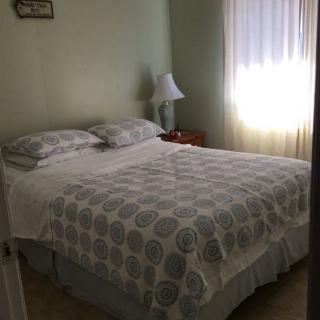

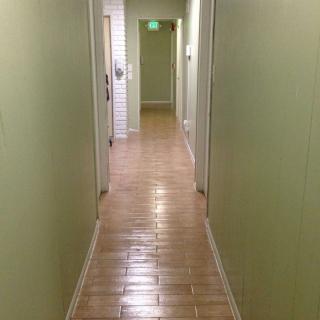

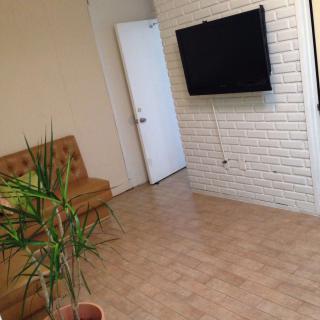
9431 Reagan Road, San Diego, CA 92126
For more information about senior living options: (866) 208-4318
Cozy Cove - A Home For The Elderly Costs & Pricing
Cozy Cove - A Home For The Elderly offers competitive pricing for its services compared to both San Diego County and the broader California market. The cost for a private room at Cozy Cove is $3,000 per month, significantly lower than the county and state averages of $3,939. For those considering semi-private accommodations, Cozy Cove's rate of $4,000 is slightly above San Diego County's average of $3,518 but remains below the state average of $3,333. Additionally, their one-bedroom option is priced at $5,000 per month, which is higher than both regional figures in San Diego County ($4,315) and state-wide ($4,340). Overall, Cozy Cove positions itself as an attractive option for elderly care by offering affordable private room rates while still remaining competitive in other categories.
| Floor plans | Cozy Cove - A Home For The Elderly | San Diego County | California |
|---|---|---|---|
| Private | $3,000 | $3,939 | $3,939 |
| Semi-Private | $4,000 | $3,518 | $3,333 |
| 1 Bedroom | $5,000 | $4,315 | $4,340 |
Memory care communities with a similar price nearby
-
from -$150 / mo

Alpine View Lodge
$2,850 to $3,550 / month21.3 miles away -
from +$200 / mo

Wellspring Assisted Living
$3,200 to $4,000 / month11.4 miles away -
from +$500 / mo

Ramona Senior Lodge Assisted Living
$3,500 to $5,500 / month14.5 miles away -
from -$500 / mo

Golden Retreat - Senior Residential Care
$2,500 to $3,000 / month20.9 miles away -
from -$200 / mo
Carecenter at Home for Elderly
$2,800 to $3,500 / month16.7 miles away
Overall Review of Cozy Cove - A Home For The Elderly
Pros
 They are grateful for Mrs. Monireh and praise the care, love, and positive environment she provides for the kids.
- The daycare is exceptionally clean and offers nutritious, homemade food plus age-appropriate educational activities.
- They truly love Cozy Cove Daycare.
- They have peace of mind knowing their little one is in such great hands.
- Their little one absolutely loves going, and they would highly recommend Cozy Cove Daycare to others in the San Diego or Rancho Bernardo area.
- Since her mother has been at Cozy Cove, there have been improvements in speech, alertness, cognitive skills, walking, and general will to live.
- The staff are friendly, gentle, thoughtful, and competent; Imee, the RN manager, delivers excellent care.
Review
Cozy Cove - A Home For The Elderly is best suited for seniors who want a intimate, home-like setting with a strong medical orientation and highly personalized attention. The community shines when residents require daily assistance alongside practical medical oversight, rather than a large-scale, institution-like environment. Families seeking continuity of care will appreciate the RN-led leadership, nightly bed checks, and a team approach that includes a social worker and a physical therapist. The setting’s size naturally supports close relationships with staff and other residents, which translates into steadier routines, regular meal companionship, and visible safety measures. For seniors transitioning from rehab or those who benefit from consistent check-ins and hands-on supervision, Cozy Cove provides a dependable, high-touch option in the San Diego area, with the added appeal of a warm, family-friendly atmosphere.
Those who may want to consider alternatives are seniors who require deeper specialty care or a broader social ecosystem. The reviews point to a small capacity, two rooms currently available, which signals limited enrollment and a potentially long wait for a spot as needs change or a bed comes open. For families seeking extensive memory-care programming, a large-scale activity calendar, or 24/7 skilled nursing services beyond what a small home can credibly sustain, a bigger community may be a better fit. Likewise, residents who need highly specialized services (beyond what the medical-overseen, but home-based model can routinely provide) should explore facilities with dedicated dementia units or hospital-affiliated support. Price transparency and a clearer sense of long-term cost stability are also worth confirming for families comparing options.
The strongest pro-to-con offset comes from the combination of personal staffing and medical oversight. An RN on site, night bed checks, and a cohesive team including a social worker and a physical therapist create a level of medical responsiveness that makes a big difference for families worried about sudden changes in health or mobility. Cleanliness and attention to detail are repeatedly cited, and the care environment feels both gentle and competent. The tangible outcomes noted in a resident’s ongoing improvement, speech, alertness, mobility, and engagement, underscore that the care approach works when families need reassurance about day-to-day safety and overall well-being. The social integration, residents joining meals with staff and others, further bolsters mood, appetite, and a sense of belonging, mitigating the potential sting of a smaller, more contained setting.
On the other hand, the same small footprint that fosters intimacy can constrain availability and flexibility. With only a couple of rooms open, placement timing and continuity of care can hinge on shifting rehab schedules and room turnover. Families should verify how quickly a resident can transition if medical needs escalate or if rehab concludes and a return to a more routine assisted-living rhythm is anticipated. It is also prudent to probe how the home handles staffing coverage during weekends or holidays, and what happens when a resident’s needs outgrow the current model. Additionally, while the RN-driven approach is a definite strength, prospective residents should confirm the breadth of clinical services offered on-site and how med management is coordinated with outside providers.
Practical evaluation should center on a few concrete questions: What is the exact staffing ratio on each shift, and who coordinates medical care day-to-day? How are therapies arranged, and what level of rehabilitation support remains available after discharge from rehab? What dining and activity options exist beyond the shared meals, and how is cognitive or social stimulation tailored as needs evolve? Are private rooms available, and what are the terms if a resident’s condition requires more space or different accommodations? Understanding cost structure, any ancillary fees, and how increases are handled over time will also be essential to avoid surprises. The standout positives, cleanliness, compassionate staff, and proven improvements, should be weighed against these operational realities.
The verdict is clear for families who want a warm, attentive, and medically integrated home environment for a beloved elder. Cozy Cove is a strong match for seniors who value an intimate, well-staffed setting where safety, daily function, and social connection are prioritized, and where health needs can be monitored and managed with direct access to an RN, a social worker, and a physical therapist. It is less suited for those requiring a larger community footprint, extensive memory-care programming, or aggressive medical regimes that demand hospital-level resources. For families ready to commit to a small, high-touch home with solid outcomes and clear pathways to rehab-compatible care, Cozy Cove represents a compelling choice in San Diego. To move forward, arrange a visit, speak with the RN manager, and confirm room availability and cost specifics to ensure alignment with the resident’s evolving care plan.
 6 resident community capacity
 Assisted Living
 Board and Care Home
 Memory Care
 Respite Care
 Activities off-site
 Bath tubs
 Beautician on-site
 Cable or satellite TV
 Devotional services off-site
 Dining room
 Fully furnished
 Garden
 Housekeeping services
 Indoor common areas
 Move-in coordination
 Outdoor common areas
 Private
 Telephone
 Wheelchair accessible showers
 Wi-Fi/high-speed internet available
 San Diego International-Lindbergh (13 miles away)
 24-hour supervision
 Ambulatory care
 Assistance with bathing
 Assistance with dressing
 Assistance with transfers
 Diabetes diet
 Diabetic care
 High acuity care
 Incontinence care
 Meal preparation and service
 Medication management
 Special dietary restrictions
 Transportation arrangement (medical)
 Transportation to doctors appointments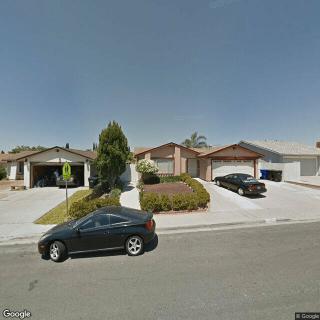


 Five Subtle Dementia Indicators to Observe: An In-Depth Guide to Understanding “Does My Mom Have Dementia?”
 Dementia, Paranoia, and Caregiver Guidance: Understanding the Connection
 Engaging Memory Care Activities That Enhance Quality of Life