
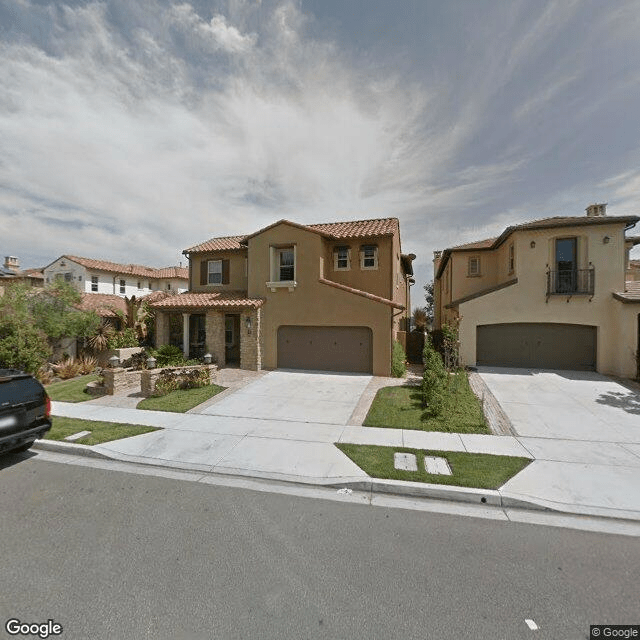
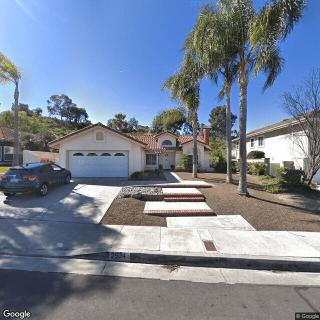
24 Via Andaremos, San Clemente, CA 92673
For more information about senior living options: (866) 208-4318
Talega Terrace Costs & Pricing
Talega Terrace offers competitive pricing for its accommodations relative to both Orange County and the broader state of California. For semi-private rooms, residents can expect a monthly cost of $3,500, which is slightly above the county average of $3,431 but remains higher than the state average of $3,333. When it comes to private rooms, Talega Terrace charges $4,000 per month; this is just below the Orange County average of $4,104 while exceeding the statewide figure of $3,939. Overall, while Talega Terrace's prices are positioned in a premium range within the local market, they reflect the quality and services provided by the facility.
| Floor plans | Talega Terrace | Orange County | California |
|---|---|---|---|
| Semi-Private | $3,500 | $3,431 | $3,333 |
| Private | $4,000 | $4,104 | $3,939 |
Assisted Living communities with a similar price nearby
-
from -$500 / mo
Seasons At Laguna - 2
$3,000 / month7.2 miles away -
from +$500 / mo
Active Senior Home Care
$4,000 to $5,000 / month10.4 miles away -
from +$500 / mo
Blue Skies of Oceanside
$4,000 to $5,000 / month22.3 miles away -
from +$500 / mo
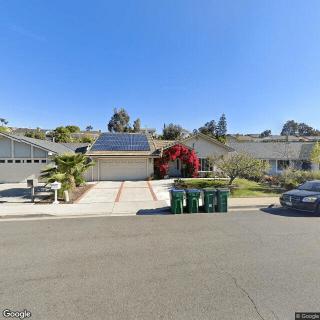
Queen's Home 2
$4,000 to $5,000 / month10.2 miles away -
About the same
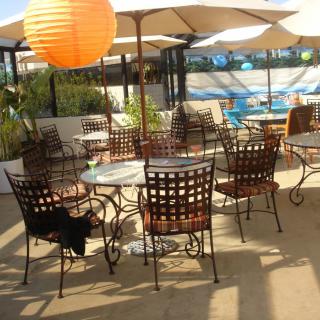
Arcadian at Aliso
$3,500 to $3,700 / month8.9 miles away
Overall Review of Talega Terrace
Pros
 Talega Terrace is a great place for board and care with a welcoming, home-like atmosphere.
- The staff and owner are caring and do a great job caring for residents.
- The residents are described as very nice and social.
- The home is effectively set up for board and care, contributing to a positive experience.
- The facility provides meals, bathing, and hospice services, with the owner living on-site.
- Families report that residents are well cared for and generally happier with the care.
Cons
 The room has only a couple of drawers and lacks hanging closet space.
- They would like an in-house doctor who works with their insurance.
Review
Talega Terrace is best suited for families seeking a quietly intimate, home‑like board‑and‑care option in Talega, San Clemente, where daily life unfolds under the watchful eye of an on‑site owner and a small team. It operates as a private residence turned senior care setting, with four or five bedrooms and a lean staffing model that prioritizes personal attention, predictable routines, and a sense of community. For seniors who value warmth, safety, and straightforward support with meals, help with bathing, and companionship, this environment can feel more like a comfortable family home than a clinical facility. That closeness often translates into steadier engagement and fewer impersonally managed days than larger campuses.
Those needing robust medical oversight or a wider slate of amenities should consider alternatives. The reviews flag a wish for an on‑site doctor who can coordinate with insurance, which signals limited medical oversight for residents with complex health needs. The intimate size, while a strength for personalized care, can also constrain access to on‑site nursing, specialty services, or rapid response that larger assisted living facilities routinely provide. Families evaluating memory care or more advanced dementia needs may find the configuration too modest to support evolving care requirements over time.
The strongest advantages are the human connections and the reliable routine. The owner and staff are described as caring, and the on‑site presence provides consistent supervision and accountability. Residents are said to be friendly, the meals and baths are handled with care, and daily activities keep people engaged. This small setting can feel safer and more respectful of privacy than big, impersonal campuses. The capacity to accommodate hospice arrangements further strengthens its suitability for families seeking end‑of‑life support within a familiar, home‑like frame. Even with only two full‑time staff, the reviews portray a dependable cycle of care and companionship.
However, the model has its friction points. The concern about limited closet space in rooms points to a broader reality: square footage is precious in a home‑style setting, and storage may be tight. The call for an on‑site physician who works with insurance highlights a potential gap between expectation and capacity for medical management. The small size, while comforting, may also mean fewer formalized programs, limited specialization, and slower access to certain services that larger facilities routinely provide. Prospective residents should weigh the desire for a warm atmosphere against the possible need for more medical or therapeutic resources.
Despite these caveats, the pros often outweigh the cons for the right fit. The intimate, owner‑driven model ensures accountability, quick responsiveness, and a degree of continuity not found in bigger homes. A friendly resident community, dependable meals, and consistent assistance with daily living tasks can preserve dignity and independence longer. The on‑site presence, plus hospice readiness, creates a safety net that reduces the risk of overlooked needs. For families prioritizing a gentle transition to assisted living, where the focus is on comfort, relationship, and routine, the Talega Terrace formula can deliver meaningful peace of mind that larger facilities may struggle to match.
In short, Talega Terrace is a strong match for seniors who want a small, warm, care‑driven home environment with personal attention and on‑site ownership. Families with residents who require only moderate assistance and who value social connectedness will likely feel confident here. Those planning for more intensive medical oversight, abundant on‑site services, or expansive activity calendars should explore alternatives and compare what is included in the monthly cost. Before deciding, request a room tour, ask about room configuration and storage, confirm how medical coordination is handled, and clarify hospice or palliative care options. San Clemente’s Talega setting and the proven care quotient make Talega Terrace a compelling option when the fit is right.
 6 resident community capacity
 Assisted Living
 Board and Care Home
 Cats allowed
 Dogs allowed
 Activities off-site
 Beautician on-site
 Cable or satellite TV
 Devotional services off-site
 Dining room
 Fully furnished
 Garden
 Housekeeping services
 Indoor common areas
 Move-in coordination
 Outdoor common areas
 Private
 Private bathrooms
 Respite or short term stays offered
 Telephone
 Wheelchair accessible showers
 Wi-Fi/high-speed internet available
 John Wayne Orange Co (21 miles away)
 24-hour supervision
 Ambulatory care
 Assistance with bathing
 Assistance with dressing
 Assistance with transfers
 Diabetes diet
 High acuity care
 Incontinence care
 Meal preparation and service
 Medication management
 Special dietary restrictions
 Transportation arrangement (medical)
 Transportation to doctors appointments


 Understanding the True Cost of Assisted Living in 2025: A Comprehensive Guide
 Understanding Medicaid Coverage for Assisted Living: A Comprehensive Guide
 How and When Medicaid May Cover Assisted Living Costs