
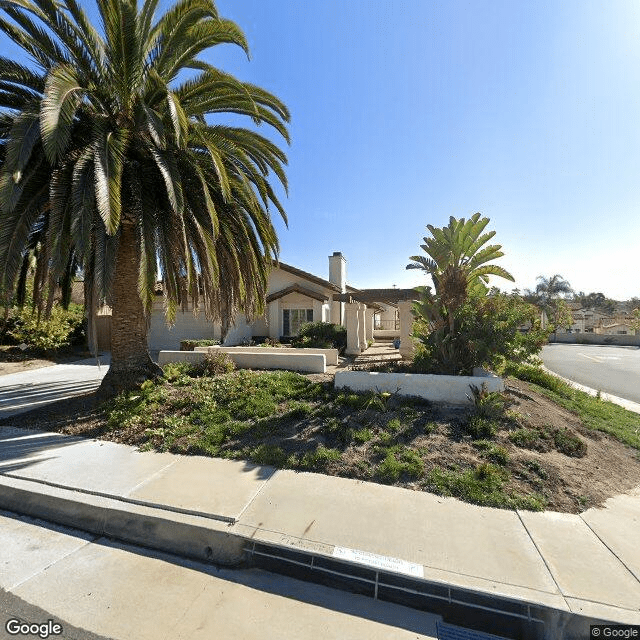
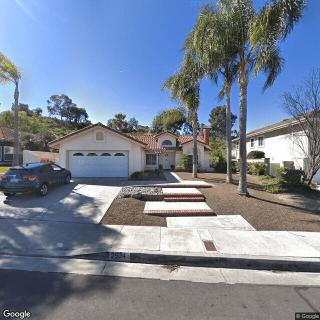
3120 Inclinado, San Clemente, CA 92673
For more information about senior living options: (866) 208-4318
Avondale Family Care Home Costs & Pricing
Avondale Family Care Home offers competitive pricing for its private and one-bedroom accommodations, with both room types priced at $3,000 per month. This cost is significantly lower than the average rates in Orange County, where similar private rooms average around $4,104 and one-bedroom units are approximately $4,380. When compared to the broader California market, Avondale's rates remain attractive, as statewide averages hover near $3,939 for private rooms and $4,340 for one-bedrooms. Overall, Avondale Family Care Home presents a cost-effective option for families seeking quality care without the financial burden often associated with assisted living facilities in the region.
| Floor plans | Avondale Family Care Home | Orange County | California |
|---|---|---|---|
| Private | $3,000 | $4,104 | $3,939 |
| 1 Bedroom | $3,000 | $4,380 | $4,340 |
Memory care communities with a similar price nearby
-
from -$200 / mo
Candlewood Care Home III
$2,800 to $3,400 / month20.9 miles away -
from +$500 / mo
Kun Bai Care
$3,500 to $4,500 / month24.4 miles away -
from -$200 / mo
Leah Loving Elderly Care
$2,800 to $3,000 / month24.3 miles away -
from -$300 / mo
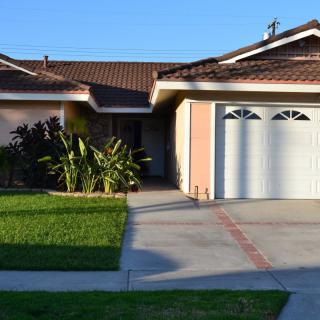
Loving Care Senior Home
$2,700 to $3,500 / month24.4 miles away -
from -$500 / mo
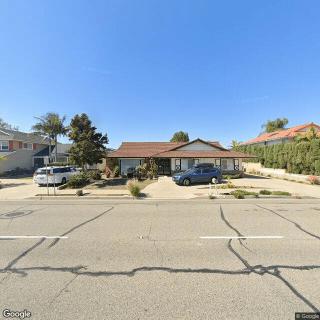
Madison Home Care 2
$2,500 to $2,800 / month23.7 miles away
Overall Review of Avondale Family Care Home
Pros
 The staff really cares here.
- The facility feels like the RITZ.
- The facility is clean and smells refreshing.
- The staff are friendly and helpful.
- The administrator is open to suggestions and acts promptly to make changes.
- Residents thrive in a smaller facility where staff and residents can form personal relationships.
- Rona in the office is professional and always ready to help with any concern.
- Silver Oak Manor provides outstanding services.
Review
Avondale Family Care Home in San Clemente is best suited for families who want a tight, home-like skilled-nursing environment where caregivers know residents well, and where daily oversight comes with a personal touch. This community works best for an elder who thrives on intimate relationships with staff, appreciates quick, direct communication with management, and does not require the scale of a larger campus. It is ideal for families that value frequent updates, a calm pace, and the reassurance that a small team is attentive to subtle changes in health or mood. In short, Avondale is a strong match for residents who benefit from individualized attention, predictable routines, and a strong sense of community within a compact setting.
Those considering alternatives should weigh whether the resident’s needs extend beyond what a small facility can sustain. If the plan calls for extensive, hospital-grade rehabilitation, highly specialized therapies, or a broad program of activities and services that only a larger campus can reliably provide, a bigger SNF or a dedicated rehab-focused center might be more appropriate. Families seeking aggressive, around-the-clock medical oversight or a wider network of specialists may find more operational breadth elsewhere. Even with excellent leadership, the scale of Avondale’s operation means certain resources are inherently more limited than in larger facilities.
The strongest pros are tangible and highly impactful. Caregivers at Avondale demonstrate genuine concern and commitment, and the environment stays clean and fresh, which reinforces a sense of well-being for residents and peace of mind for families. The small size enables a personal relationship between staff and residents; changes in health or mood are noticed quickly, and small adjustments can be made promptly. Families repeatedly praise an administrator who listens, takes concerns seriously, and acts with alacrity, the kind of responsiveness that keeps care aligned with family expectations. Regular family updates via Zoom further strengthen the sense of involvement and trust, ensuring caregivers and relatives stay in step without intrusive oversight.
The deliberate limits of a small setting do carry potential drawbacks. While the reviews highlight high-quality daily care, there is an implicit trade-off in breadth: fewer on-site therapists, fewer structured programs, and less depth of specialized medical resources than larger facilities might offer. Staff turnover across shifts can shift the feel of care from day to day, which means families should anticipate a need to stay engaged and ask pointed questions about who is caring for a resident each shift and how care plans are maintained across different teams. These factors suggest that Avondale is best for residents who value consistency and personalization over extensive, facility-wide programming.
When the pros are weighed against the cons, Avondale’s strengths largely offset its limitations for the right resident. The intimate, attentive culture, clean and inviting environment, and proactive administration create a risk profile that leans toward stability and satisfaction. Families gain comfort from knowing staff can detect subtle health changes quickly, and they benefit from transparent communication that keeps them connected to the ongoing care plan. The trade-off, less expansive rehab options and fewer large-scale services, is acceptable for those who prioritize individualized attention and a supportive, family-involved approach over the prestige of a bigger campus.
For families deciding next steps, the recommendation is practical and straightforward: schedule a thorough tour and come prepared with questions about staffing patterns, the daily rehab options available, and the process for updating care plans as needs evolve. Inquire about which therapists are on-site, how often residents receive formal progress notes, and how the administrator facilitates ongoing family input. Verify room configurations, meal flexibility, and activity options to ensure alignment with the resident’s preferences. Avondale offers a compelling, well-regarded option when the priority is a warm, responsive setting that treats residents as individuals and keeps families actively engaged in care decisions.
 6 resident community capacity
 Assisted Living
 Board and Care Home
 Memory Care
 Cable or satellite TV
 Dining room
 Fully furnished
 Garden
 Housekeeping services
 Move-in coordination
 Outdoor space
 Private
 Telephone
 Wi-Fi/high-speed internet available
 John Wayne Orange Co (19 miles away)
 24-hour supervision
 Activities of daily living assistance
 Assistance with bathing
 Assistance with dressing
 Assistance with transfers
 Diabetes diet
 Meal preparation and service
 Medication management
 Special dietary restrictions
 Transportation arrangement (medical)
 Transportation to doctors appointments




 A Holistic Dementia Care Guide: Effective Strategies for Memory Support
 Memory Care Pathways: A Holistic Guide to Dementia Support
 Comprehending Evening Confusion in Dementia: Causes, Manifestations, and Support