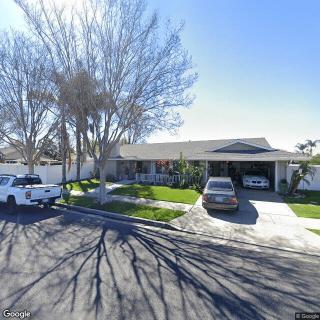
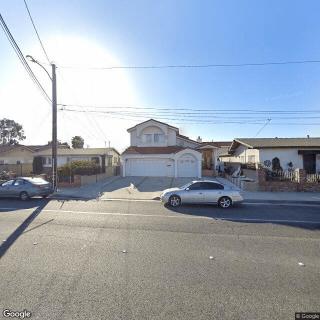
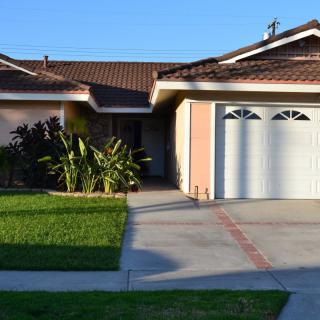
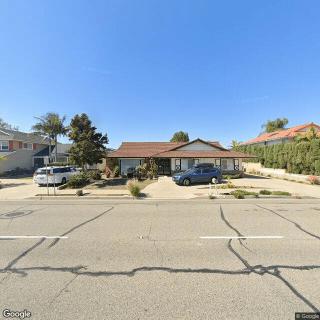
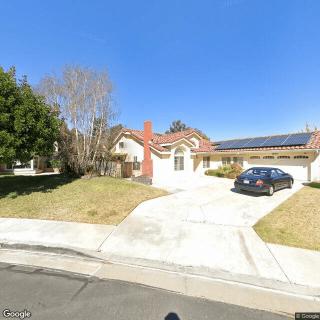
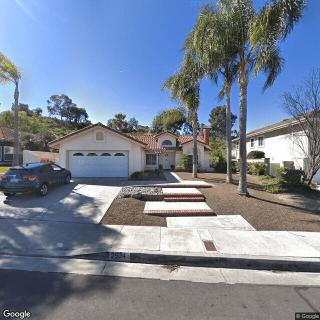
Avondale Family Care Home II in San Clemente, CA

Information last verified:

3129 Inclinado, San Clemente, CA 92673

For more information about senior living options: (844) 490-3973

5 from 4 reviews
5 stars
4
4 stars
0
3 stars
0
2 stars
0
1 stars
0

Avondale Family Care Home II Costs & Pricing

Avondale Family Care Home II offers competitive pricing for its services, particularly when compared to the broader market rates in Orange County and across California. For a private room, residents can expect to pay $2,500 per month, significantly lower than the average of $4,104 in Orange County and $3,939 statewide. Similarly, the cost for a studio at Avondale Family Care Home II is set at $3,000, which is again more affordable than the county's average of $4,313 and the state's average of $4,145. This positioning makes Avondale Family Care Home II an attractive option for families seeking quality care with budget-friendly accommodations.

Floor plansAvondale Family Care Home IIOrange CountyCalifornia
Private$2,500$4,104$3,939
Studio$3,000$4,313$4,145

Overall Review of Avondale Family Care Home II

Pros

  • pro Rosehaven III Carehome is described as wonderful, with a dedicated team that loved and cared for residents for 10 years without a single complaint.
  • pro The home offers home-cooked meals and a family atmosphere that blesses residents and their families.
  • pro The staff are kind and welcoming, with administrator Tina described as sweet and helpful.
  • pro The caregiving is excellent, with two caregivers always present for six residents and Tina going beyond the call of duty.
  • pro The facility is a loving and caring place for a loved one's final years.
  • pro The reviewers highly recommend Rosehaven to anyone needing this type of care.

Review

Avondale Family Care Home II in San Clemente is best suited for families seeking a compact, home-like setting where seniors receive very personalized attention from a stable, engaged caregiving team. The reviews point to a warm, family atmosphere, with caregivers who know residents well and a proactive administrator who is accessible and responsive. This is the kind of environment where daily life centers on comfort, predictable routines, and meals that feel like home, attributes that translate into emotional security, continuity of care, and a genuine sense of belonging over a clinical or impersonal vibe.

Those who may want to consider alternatives are families whose loved one requires a higher level of medical oversight or specialized memory care, or who insist on immediate access to a private room or a broader slate of on-site services. In small, intimate settings, private rooms and advanced clinical resources can be limited, and move-in availability may hinge on existing room configurations. For seniors with complex needs, frequent nursing interventions, or a need for a large community with extensive activity programs, a larger facility with dedicated medical staff and specialized units may be more appropriate.

The strongest pros, the intimate caregiver ratio, the presence of two caregivers for a small resident cohort, the hands-on administration, and the home-cooked meals, collectively offset the natural limitations of a smaller home. A low resident count typically means more responsive care, fewer missed cues, and a quicker response time to daily needs. The family atmosphere helps reduce anxiety around transitions, supports consistent routines, and fosters a sense of safety that is often missing in busier, more anonymous settings. When care quality hinges on relationship-building and continuity, these factors become decisive advantages.

Where the balance tilts toward potential drawbacks, the main considerations are practical: capacity constraints, limited on-site medical depth, and fewer opportunities for a wide range of activities or specialized service lines. Families should anticipate that the most personalized care comes with trade-offs in scope and scale. If a loved one requires frequent medical oversight, complex wound care, or a robust social calendar with diverse enrichment options, a larger community with more resources could better meet those needs. The trade-off is real, but the offset is clear for households prioritizing trust, comfort, and steady day-to-day support.

For decision-making, focus on questions that reveal how the home operates in practice. Inquire about caregiver-to-resident ratios at different shifts, the administrator’s availability beyond formal hours, and how care plans are developed and adjusted over time. Ask to observe meal times to gauge whether the kitchen maintains a consistent, home-cooked standard, and whether residents have meaningful choices in meals and activities. Seek clarity on privacy options, how transitions in health status are handled, and what happens if more intensive care becomes necessary. These specifics separate a genuinely intimate setting from a facility that merely resembles one from the outside.

In the end, Avondale Family Care Home II will appeal to families prioritizing a warm, small-community feel, stable staff relationships, and daily life that feels like a thoughtful extension of home. It is a strong recommendation for seniors who thrive on personal attention, predictable routines, and the emotional comfort of a close-knit, family-like environment. For families whose priorities include immediate access to a broad spectrum of medical services, a larger campus, or fast-tracked private accommodations, it makes sense to explore alternatives with more expansive clinical capabilities. A guided tour, careful conversations with the administrator, and direct observations of staff interactions will illuminate whether this intimate setting aligns with the loved one’s long-term care goals.

Features

Housing

  • 6 resident community capacity 6 resident community capacity

Types of Care

  • Assisted Living Assisted LivingAssisted living facilities provide crucial support and care for seniors who may need help with daily tasks such as medication management, bathing, and meal preparation. These communities offer a safe and comfortable environment where seniors can maintain their independence while receiving the assistance they need to thrive in their golden years.
  • Board and Care Home Board and Care HomeBoard and care homes provide a smaller, more intimate setting for seniors who require assistance with daily tasks but do not need the level of care offered by a nursing home. They offer personalized care, meals, and social activities in a homelike environment, ensuring that seniors receive individualized attention and support in their golden years.
  • Memory Care Memory CareMemory care is crucial for seniors as it provides specialized support and services for individuals with dementia or Alzheimer's disease. These programs offer a safe and secure environment where residents receive personalized care, cognitive stimulation, and help with daily activities. Memory care helps seniors maintain their independence, quality of life, and dignity while also providing peace of mind for their families.

Amenities

  • Activities off-site Activities off-siteEngaging in off-site activities is crucial for seniors to maintain social connections, stay active, and stimulate their minds. It promotes overall well-being and helps combat feelings of isolation and loneliness.
  • Activities on-site Activities on-siteActivities on-site are important for seniors because they provide opportunities for socialization, mental stimulation, physical activity, and overall well-being. Engaging in activities can help seniors stay active, maintain their independence, and improve their quality of life.
  • Bath tubs Bath tubsBath tubs are important for seniors because they provide a safe and relaxing way to bathe, helping to prevent slips and falls while promoting independence and overall well-being.
  • Cable or satellite TV Cable or satellite TVCable or satellite TV is important for seniors because it provides entertainment, news, and companionship, helping to combat loneliness and boredom. It also offers a wide range of programming options tailored to different interests and preferences.
  • Devotional services on-site Devotional services on-siteDevotional services on-site provide seniors with spiritual support and a sense of community, as well as an opportunity for reflection and guidance during their senior living experience. This can promote emotional well-being and connection to others, leading to a more fulfilling and enriching lifestyle in their later years.
  • Dining room Dining roomDining rooms are important for seniors as they provide a space for socialization, connection, and nutritious meals. They offer opportunities for residents to bond over shared meals, foster a sense of community, and promote healthy eating habits. Dining rooms also ensure that seniors have access to well-balanced meals tailored to their dietary needs and preferences.
  • Fully furnished Fully furnishedFully furnished senior living communities are important for seniors because they provide convenience, comfort, and a hassle-free moving experience. Seniors can easily settle into their new living space without the stress of having to buy and move furniture. This allows them to focus on enjoying their new home and community.
  • Garden GardenGardens are important for seniors as they provide a peaceful and therapeutic environment for relaxation, physical activity, and socialization. Being in nature has been shown to reduce stress, improve mood, and promote overall well-being. Gardens also offer opportunities for seniors to engage in gardening activities, which can improve mobility, flexibility, and cognitive function. Additionally, gardens create a sense of community and connection with others who share a passion for plants and outdoor spaces.
  • Housekeeping services Housekeeping servicesHousekeeping services are important for seniors because they help maintain a clean and safe living environment, promote independence, and reduce the risk of accidents or illnesses. Additionally, having assistance with household chores can alleviate physical strain and allow seniors to focus on other aspects of their well-being.
  • Indoor common areas Indoor common areasIndoor common areas are crucial for seniors as they provide a space for socialization, recreation, and community engagement, promoting overall well-being and reducing feelings of isolation and loneliness.
  • Move-in coordination Move-in coordinationMove-in coordination is important for seniors because it helps ease the transition into their new living environment. It ensures that all logistics, such as packing, organizing movers, and setting up utilities are taken care of, allowing seniors to focus on settling in and adjusting to their new home. Having a smooth move-in process can alleviate stress and anxiety, making the transition smoother and more enjoyable for seniors.
  • Outdoor common areas Outdoor common areasOutdoor common areas are important for seniors as they provide a space for socialization, physical activity, and relaxation. Being outside in nature can improve mood and overall well-being, while also encouraging movement and engagement with others. These spaces can help combat feelings of isolation and promote a sense of community among residents.
  • Outdoor space Outdoor spaceOutdoor spaces are important for seniors as they provide opportunities for physical activity, social interaction, exposure to natural light and fresh air, and a sense of connection to nature. Having access to outdoor spaces can improve overall well-being and quality of life for older adults living in senior communities.
  • Private PrivatePrivacy is important for seniors as it allows them to maintain their independence, dignity, and sense of control over their own lives. It also gives them the space and freedom to relax, reflect, and engage in activities that bring them joy and fulfillment. Creating private spaces within senior living facilities is crucial for promoting overall well-being and quality of life.
  • Private bathrooms Private bathroomsPrivate bathrooms are important for seniors in senior living communities because they provide independence, dignity, and comfort. Having a private bathroom allows seniors to maintain their personal hygiene routines without the need for assistance, promoting a sense of autonomy and privacy. Additionally, private bathrooms help prevent the spread of infections and provide a safe and clean environment for seniors to navigate safely.
  • Respite or short term stays offered Respite or short term stays offeredRespite or short term stays provide seniors with a temporary solution when their regular caregiver is unavailable, offering them the opportunity to receive additional care and support during times of need, while also giving caregivers a chance to rest and recharge.
  • Swimming pool / hot tub Swimming pool / hot tubSwimming pools and hot tubs are important for seniors as they provide a safe and enjoyable way to stay active, improve mobility, reduce joint pain, and promote relaxation. Regular use of these amenities can contribute to overall well-being and quality of life for older adults living in senior communities.
  • Telephone TelephoneTelephones are important for seniors as they provide a lifeline for communication with loved ones, emergency services, and healthcare providers. They offer a sense of security and independence, enabling seniors to stay connected and access assistance when needed.
  • Wheelchair accessible showers Wheelchair accessible showersWheelchair accessible showers are crucial for seniors as they provide a safe and independent bathing option for those with mobility challenges. These showers help prevent falls and allow seniors to maintain their dignity and autonomy while ensuring they can bathe comfortably.
  • Wi-Fi/high-speed internet available Wi-Fi/high-speed internet availableWi-Fi/high-speed internet is important for seniors to stay connected with loved ones, access online resources, and participate in virtual activities to combat feelings of loneliness and isolation. It also allows them to easily manage healthcare needs, access entertainment, and engage in lifelong learning opportunities.

Transportation

  • John Wayne Orange Co (19 miles away) John Wayne Orange Co (19 miles away)

Care Services

  • 24-hour supervision 24-hour supervision24-hour supervision is important for seniors to ensure their safety, well-being, and access to immediate assistance in case of emergencies or health issues. This constant support provides peace of mind for both seniors and their loved ones, allowing them to age in place with dignity and security.
  • Activities of daily living assistance Activities of daily living assistanceActivities of daily living assistance are important for seniors because they provide essential support with tasks such as eating, bathing, dressing, and mobility. This assistance helps seniors maintain their independence, dignity, and overall quality of life as they age.
  • Ambulatory care Ambulatory care"Ambulatory care services provide essential medical support and treatment to seniors without requiring hospitalization, allowing them to maintain their independence and quality of life while managing chronic conditions or receiving routine medical care."
  • Assistance with bathing Assistance with bathingAssistance with bathing is crucial for seniors as it helps maintain personal hygiene, prevents infections, and ensures their overall well-being and comfort. It also provides a sense of dignity and independence for seniors who may struggle with this task on their own.
  • Assistance with dressing Assistance with dressingAssistance with dressing is important for seniors because it helps maintain their independence, promotes personal hygiene, prevents accidents and injuries, and improves overall quality of life. This service ensures that seniors can continue to dress comfortably and confidently, despite any physical limitations they may have.
  • Assistance with transfers Assistance with transfersAssistance with transfers is crucial for seniors as it helps prevent falls and injuries, maintains their independence, and ensures they can safely navigate their living environment. It also provides peace of mind for both seniors and their loved ones.
  • Coordination with health care providers Coordination with health care providersCoordination with health care providers is crucial for seniors to ensure proper medical care, medication management, and overall well-being. This collaboration helps prevent overlapping treatments, track progress more effectively, and provide comprehensive support tailored to individual needs.
  • Diabetes diet Diabetes dietA diabetes diet is crucial for seniors as it helps manage blood sugar levels, reduce risks of complications, and improve overall health and well-being. By following a balanced and nutritious diet tailored to their specific needs, seniors can better control their diabetes and enhance their quality of life.
  • High acuity care High acuity careHigh acuity care is important for seniors because it provides specialized medical attention and support for individuals with complex medical needs. This level of care ensures that seniors receive the appropriate treatment and assistance to maintain their health and quality of life as they age.
  • Incontinence care Incontinence careIncontinence care is essential for seniors to maintain their dignity, hygiene, and overall quality of life. By addressing incontinence issues promptly and effectively, seniors can enjoy a sense of independence and comfort in their daily activities.
  • Meal preparation and service Meal preparation and serviceMeal preparation and service are crucial for seniors as they may have limited mobility or energy to cook nutritious meals. Having access to healthy and convenient food options can ensure they are getting the proper nutrition needed to maintain their overall health and well-being.
  • Medication management Medication managementMedication management is crucial for seniors to ensure they are taking the right medications at the correct dosages and times. This helps prevent adverse drug interactions, reduces the risk of medication errors, and promotes overall health and well-being. Proactive management also allows for adjustments as needed based on changing health conditions or new prescriptions.
  • Special dietary restrictions Special dietary restrictionsSpecial dietary restrictions are important for seniors because age-related changes in metabolism and health conditions can make it difficult for their bodies to process certain foods. By following a diet tailored to their specific needs, seniors can maintain their overall health and well-being, manage chronic conditions, and reduce the risk of complications such as malnutrition or food interactions with medications.
  • Transportation arrangement (medical) Transportation arrangement (medical)Transportation arrangements for medical purposes are essential for seniors as they may have difficulty driving themselves to appointments or accessing public transportation. Having reliable and safe transportation options ensures that seniors can receive timely medical care and maintain their health and well-being.
  • Transportation to doctors appointments Transportation to doctors appointmentsTransportation to doctors' appointments is crucial for seniors as it ensures they have access to necessary medical care and support for their health needs. Without reliable transportation, seniors may struggle to attend important appointments, leading to potential delays in treatment and health complications. Providing transportation services helps seniors maintain their overall well-being and quality of life.
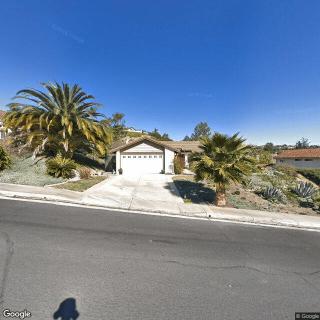
Dining

  • Diabetes diet Diabetes dietA diabetes diet is crucial for seniors as it helps manage blood sugar levels, reduce risks of complications, and improve overall health and well-being. By following a balanced and nutritious diet tailored to their specific needs, seniors can better control their diabetes and enhance their quality of life.
  • Kosher KosherKosher options are important for seniors because they adhere to dietary laws that are significant to many Jewish individuals, providing them with peace of mind and an opportunity to maintain their cultural traditions and beliefs while living in a senior living community.
  • Meals provided Meals provided"Meals provided" are crucial for seniors in assisted living communities as it ensures they have access to nutritious, balanced meals without the stress of meal planning and preparation. This can help promote overall health and well-being for seniors who may have limited mobility or cognitive abilities.
  • Special dietary restrictions Special dietary restrictionsSpecial dietary restrictions are important for seniors because age-related changes in metabolism and health conditions can make it difficult for their bodies to process certain foods. By following a diet tailored to their specific needs, seniors can maintain their overall health and well-being, manage chronic conditions, and reduce the risk of complications such as malnutrition or food interactions with medications.
  • Vegetarian VegetarianA vegetarian diet is important for seniors because it can help lower the risk of chronic diseases, maintain a healthy weight, and provide essential nutrients needed for aging bodies. Additionally, plant-based diets are often easier on digestive systems and can contribute to overall well-being in older adults.

Activities

  • Activities off-site Activities off-siteEngaging in off-site activities is crucial for seniors to maintain social connections, stay active, and stimulate their minds. It promotes overall well-being and helps combat feelings of isolation and loneliness.
  • Activities on-site Activities on-siteActivities on-site are important for seniors because they provide opportunities for socialization, mental stimulation, physical activity, and overall well-being. Engaging in activities can help seniors stay active, maintain their independence, and improve their quality of life.
  • Community-sponsored activities Community-sponsored activitiesCommunity-sponsored activities are important for seniors as they provide opportunities for social interaction, mental stimulation, and physical activity. These activities can help improve overall well-being, combat loneliness and isolation, and promote a sense of belonging and purpose among older adults.
  • Devotional activities on-site Devotional activities on-siteDevotional activities on-site provide seniors with a sense of community, spiritual fulfillment, and emotional support, promoting overall well-being and a positive sense of purpose in their lives.
  • Scheduled daily activities Scheduled daily activitiesScheduled daily activities are important for seniors because they provide structure, socialization, mental stimulation, and physical activity. Engaging in regular activities can improve overall well-being and quality of life for seniors living in a community setting.

Description

Avondale Family Care Home II is an assisted living community located in the beautiful city of San Clemente, CA. Our care home offers a warm and inviting environment for seniors who require assistance with their daily activities and memory care needs.

Our residents enjoy a variety of amenities that enhance their quality of life. They can participate in activities conveniently organized on-site, providing opportunities for socialization and engagement. Bath tubs are available for relaxation and personal hygiene, while cable or satellite TV ensures entertainment options right at their fingertips. Devotional services are offered on-site to cater to the spiritual needs of our residents. Meals are served in a comfortable dining room, with nutritious and delicious options prepared by our staff. Each living space is fully furnished, providing a cozy and familiar atmosphere. Our well-maintained garden invites residents to spend time outdoors and enjoy the beauty of nature.

Maintaining cleanliness and order is important to us, which is why we provide housekeeping services to ensure a tidy living environment for our residents. Indoor common areas encourage interaction among residents, while outdoor common areas provide space for relaxation and fresh air. Private accommodations are available, complete with private bathrooms for added convenience.

In addition, we offer respite or short-term stays for those in need of temporary care arrangements. Our swimming pool and hot tub provide opportunities for exercise, relaxation, and therapy. Wheelchair accessible showers ensure that all residents can bathe safely. Wi-Fi/high-speed internet access is also provided for those who wish to stay connected with friends and family.

Our trained staff provides various care services tailored to meet individual needs. We assist with daily activities such as bathing, dressing, and transfers to ensure our residents' comfort and well-being. Coordination with healthcare providers enables seamless communication between our community and medical professionals. We offer specialized care such as diabetes diets and high acuity care when required. Incontinence care is provided with sensitivity to maintain dignity.

Meals are an important aspect of our residents' day, and we cater to various dietary needs. Kosher, vegetarian, and special dietary restrictions can be accommodated. Transportation arrangements for medical purposes as well as doctors' appointments are available for the convenience of our residents.

Our community is surrounded by various amenities that make life easier and more enjoyable. There are two cafes, five parks, seven pharmacies, nine physicians, 19 restaurants, and one place of worship nearby. Community-sponsored activities and devotional activities on-site provide opportunities for socialization and engagement.

At Avondale Family Care Home II in San Clemente, CA, we strive to create a compassionate and supportive environment where seniors can enjoy a fulfilling retirement while receiving the care they need.

Nearby Places of Interest

Physicians

  • Prem Pediatrics (1.2 miles)
  • San Clemente Oral and Facial Surgery (1.2 miles)
  • Kenneth K. Paddie, MD (1.2 miles)
  • Foresight Mental Health (3.2 miles)
  • Ronald E Moser (3.8 miles)
  • Laguna Dana Urgent Care Center (4.3 miles)
  • Optum Primary Care (4.5 miles)

Pharmacies

  • CVS Pharmacy (1.4 miles)
  • Rite Aid (2.2 miles)
  • Rite Aid (3.1 miles)
  • CVS Pharmacy (3.2 miles)
  • Rite Aid (3.5 miles)
  • CVS Pharmacy (3.8 miles)
  • CVS Pharmacy (4.5 miles)

Restaurants

  • Flights & Irons Urban Kitchen (1.7 miles)
  • El Adobe (2.4 miles)
  • Rockwell's Bakery, Cafe & Bar (2.4 miles)
  • Asada Cantina + Kitchen (2.4 miles)
  • McDonald's (2.5 miles)
  • Tea House On Los Rios (2.6 miles)
  • Ciao Pasta (2.6 miles)

Parks

  • Capistrano Beach Park (2.2 miles)
  • Los Rios Park (2.3 miles)
  • Max Berg Park (3.1 miles)
  • Linda Lane Park (3.6 miles)
  • Chapparosa Park (4.2 miles)
  • Founders Park (5.5 miles)
  • Cabot Park (6.8 miles)

Cafes

  • Starbucks (2.5 miles)
  • Moulin (2.9 miles)
  • Starbucks (5.7 miles)
  • Kona Loa Coffe (10.2 miles)

Places of Worship

  • Mission Basilica San Juan Capistrano Parish (2.6 miles)
  • Corpus Christi Catholic Church (8.4 miles)

Hospitals

  • CHOC Children's at Mission Hospital (6.3 miles)
  • Head & Neck Associates Of Oc (6.4 miles)
  • Palm Terrace (9.3 miles)

Theaters

  • Regal Edwards Aliso Viejo & IMAX (8.8 miles)

Frequently Asked Questions

How much does it cost to live at Avondale Family Care Home II in San Clemente, CA?
Where is Avondale Family Care Home II?
Does Avondale Family Care Home II provide care for residents with dementia or Alzheimer's disease?

Nearby Communities

  • Malash Gardens

    Malash Gardens

    San Clemente, CA

     
    $2,700 to $3,500 / month

    pro Competitive pricing with strong nearby amenities.

  • Avondale Family Care Home

    Avondale Family Care Home

    San Clemente, CA

    4.3 from 9 reviews
    $3,000 / month

    pro Intimate 6-bed community offering personalized care, a warm environment, and affordable pricing.

  • Camino Hills Care Home 2

    Camino Hills Care Home 2

    San Clemente, CA

    3 from 4 reviews
    $3,500 / month

    pro Nice dining room and kitchen; accessible for medical care.

  • San Clemente Care Home

    San Clemente Care Home

    San Clemente, CA

    4.8 from 110 reviews
     

    pro Intimate 6-bed setting with 24/7 supervision, daily living assistance, and meals

  • Camino Hills Of San Clemente

    Camino Hills Of San Clemente

    San Clemente, CA

    4.4 from 5 reviews
    $3,500 / month

    pro Attentive, responsive staff in a clean, welcoming environment.

  • Seaview Care Home II

    Seaview Care Home II

    San Clemente, CA

    4.7 from 100 reviews
     

    pro Cozy, intimate board-and-care with fully furnished living spaces, 24-hour supervision, and diabetes-friendly meals.

  • Ivy Park at San Juan Capistrano

    Ivy Park at San Juan Capistrano

    San Juan Capistrano, CA

    4.4 from 59 reviews
    $3,695 to $5,495 / month

    pro Warm, home-like atmosphere with compassionate staff and proactive family communication, plus engaging activities.

  • Reata Glen Orange County

    Reata Glen Orange County

    Rancho Mission Viejo, CA

    4.8 from 102 reviews
     

    pro Luxurious, resort-like amenities (indoor pool, fitness facilities) and a lively social/dining scene.

  • MorningStar of Mission Viejo

    MorningStar of Mission Viejo

    Mission Viejo, CA

    4.8 from 49 reviews
    $1,600 to $9,200 / month

    pro Privately owned with flexible rental model and attentive staff.

Related Resources

  • dementia stagesUnderstanding Dementia Through Its Seven Stages: A Comprehensive Look at Progression and Expectations

    Dementia encompasses a range of cognitive impairments characterized by types such as Alzheimer's and vascular dementia, and follows a seven-stage progression model known as the Global Deterioration Scale (GDS), highlighting varying symptoms and decline timelines. Early detection allows for lifestyle adjustments to potentially slow progression, while caregivers need support and resources to manage the challenges involved in caring for affected individuals.

  • dementia careA Holistic Dementia Care Guide: Effective Strategies for Memory Support

    The guide on holistic dementia care outlines the complexity of dementia and stresses the need for individualized caregiver strategies that include medical treatment, psychological support, and environmental adaptations, while emphasizing early detection, various therapeutic options, and caregiver support to enhance quality of life and maintain dignity.

  • dementia careMemory Care Pathways: A Holistic Guide to Dementia Support

    "Memory Care Pathways: A Holistic Guide to Dementia Support" outlines the complexities of dementia and its various types, emphasizing early detection, patient-centered care strategies, caregiver support, and long-term care options while addressing legal and financial considerations to enhance the quality of life for individuals with dementia and their families.