
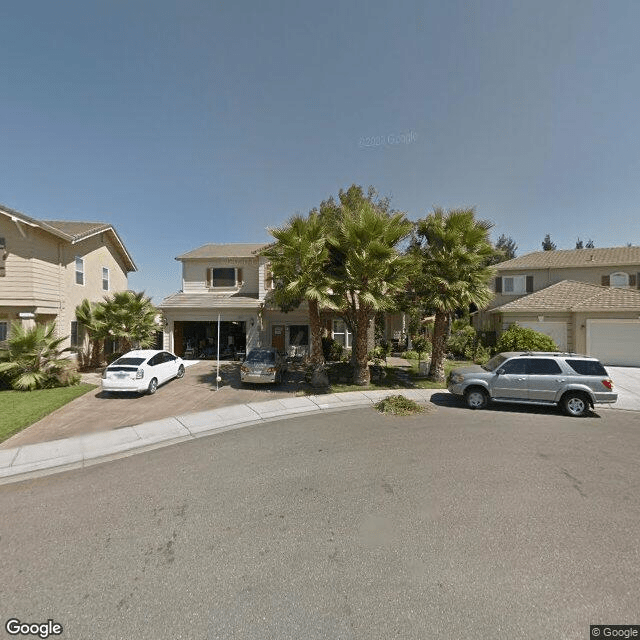
5397 Port Alice Way, Salida, CA 95368
For more information about senior living options: (866) 208-4318
Corina's Elderly Care Home Costs & Pricing
Corina's Elderly Care Home offers private rooms at a monthly cost of $4,000, which positions it slightly above the average rates for both Stanislaus County and the broader California landscape. In comparison, the typical monthly fee in Stanislaus County is approximately $3,754, while the state average stands at about $3,939. This pricing reflects Corina's commitment to providing quality care tailored to individual needs in a comfortable environment. While it may be on the higher end locally, it underscores the value placed on personalized services and enhanced living conditions that are hallmarks of Corina's offerings.
| Floor plans | Corina's Elderly Care Home | Stanislaus County | California |
|---|---|---|---|
| Private | $4,000 | $3,754 | $3,939 |
Assisted Living communities with a similar price nearby
-
from -$300 / mo
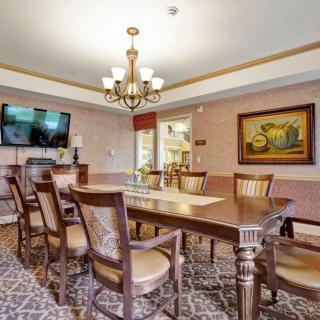
The Commons at Union Ranch
$3,700 to $5,700 / month11.8 miles away -
from -$355 / mo
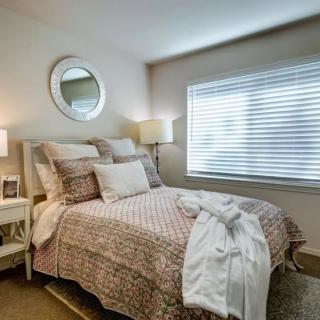
Cogir of Turlock
$3,645 to $4,780 / month17.5 miles away -
from -$400 / mo

Valley Comfort Assisted Living
$3,600 to $4,500 / month3.0 miles away -
About the same
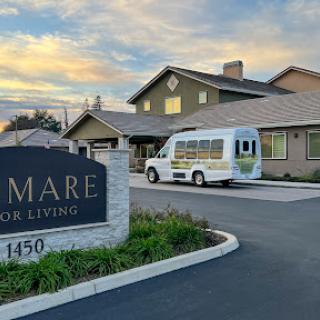
Belmare Senior Living
$3,900 to $5,395 / month15.1 miles away -
from -$500 / mo
Valley Royale Care
$3,500 to $6,000 / month5.3 miles away
Overall Review of Corina's Elderly Care Home
Pros
 Corina's delivers superior personal care and hands-on treatment, making residents feel truly cared for.
- The staff treats residents with TLC, as if they were cherished family members, while attending to diet, medications, and social needs.
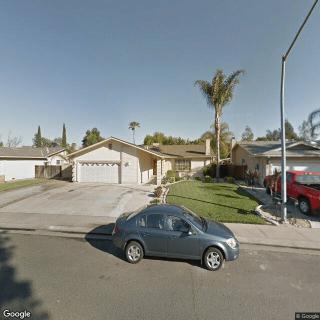
- The environment is warm, clean, and home-like, with well-kept grounds and pleasant plants.
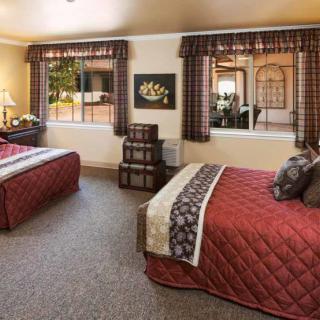
- The rooms are spacious, nicely decorated, and designed for easy access and comfort.
- The director demonstrates evident concern and caring qualities essential in caregiving.
Cons
 The only thing that could make it difficult for some is that they might not want to pay that much.
Review
Corina's Elderly Care Home in Salida, California is best suited for families seeking a truly intimate, home-like setting where a loved one receives steady, hands-on attention and meaningful social engagement. This community shines for residents who need daily assistance and consistent companionship but do not rely on intensive medical interventions. With only four to five residents at a time, the environment supports highly personalized care and relationships that larger facilities can’t easily replicate.
Those who may want to consider alternatives include families anticipating robust clinical oversight, aggressive rehabilitation services, or a wider program of daily activities. For residents with higher medical acuity or complex care needs, a bigger campus with more extensive on-site nursing and specialty services may be a better fit. Budget considerations also matter; while the price sits in line with typical assisted living, the small, premium-feel setting may not appeal to those prioritizing cost above all else.
The standout pros are concrete and persuasive: staff deliver TLC that treats residents as cherished family members, with attention to diet, medications, and ongoing socialization. The home-like atmosphere, clean surroundings, and well-tended grounds create a calm, dignified backdrop for daily life. Rooms are spacious and nicely decorated, and the layout emphasizes easy accessibility, including bathrooms designed to ease mobility. The director’s demonstrated concern and approachable nature add a layer of reassurance for families navigating difficult decisions.
These benefits are amplified by the intimate scale. A small resident cohort means caregivers know preferences and routines intimately, translating into timely help and fewer miscommunications. Residents are not shuffled through a rigid timetable but rather experience a more personalized cadence that honors dignity and comfort. In practice, that translates to better peaceful days for loved ones at the end of life and a level of attentiveness that many families say is rare in larger settings. The value proposition is clear: you pay a price that aligns with Assisted Living norms, but you gain a home environment where care feels genuinely customized.
Still, the trade-offs are real. The very advantage of a cozy, small home can come with limits on the breadth of activities and the level of medical infrastructure available on-site. Families should prepare for the possibility that more intensive or specialized services may require coordination off-site or through external providers. The cost, while sensible relative to similar facilities, may feel steep for those seeking the most economical option or the broadest range of on-site amenities. These factors do not negate the quality of care, but they do color the decision for households weighing value against scale and depth of clinical support.
In making a choice, focus on how essential warmth and daily hands-on attention are to the decision, versus how important expansive programming and high-acuity medical capabilities are. Practical steps include confirming the exact caregiver-to-resident ratio, reviewing the daily meal program for nutritional adequacy and variety, assessing bathroom accessibility and safety features, and discussing care plans with the director to gauge responsiveness. If possible, observe a visit or two to see how staff interact with residents in real time and how family involvement is facilitated. Corina’s Elderly Care Home delivers a compelling promise: a respectful, comfortable, almost family-like home where the human touch matters as much as any clinical credential.
Bottom line: Corina's Elderly Care Home is a strong fit for families prioritizing a warm, intimate setting with highly personalized attention and a peaceful, home-like atmosphere. It is less suited for those needing heavy medical supervision, extensive on-site programming, or the most cost-efficient option. For households that value dignity, consistent companionship, and a nurturing environment where a caregiver can genuinely know the resident, this community stands out as a prudent, practical choice.
 6 resident community capacity
 Assisted Living
 Board and Care Home
 Respite Care
 Activities off-site
 Bath tubs
 Beautician on-site
 Cable or satellite TV
 Devotional services off-site
 Dining room
 Fully furnished
 Garden
 Housekeeping services
 Indoor common areas
 Move-in coordination
 Outdoor common areas
 Private
 Private bathrooms
 Telephone
 Wheelchair accessible showers
 Wi-Fi/high-speed internet available
 Modesto City-County-Harry Sham (9 miles away)
 24-hour supervision
 Ambulatory care
 Assistance with bathing
 Assistance with dressing
 Assistance with transfers
 Diabetes diet
 High acuity care
 Meal preparation and service
 Medication management
 Special dietary restrictions
 Transportation arrangement (medical)
 Transportation to doctors appointments
 Christian services


 Vibrant Senior Living: A Comprehensive Guide for Active Older Adults
 When to Transition from Assisted Living to Memory Care: Key Indicators, Steps, and Finding the Right Community
 Assisted Living and Memory Care: Understanding Their Core Differences