
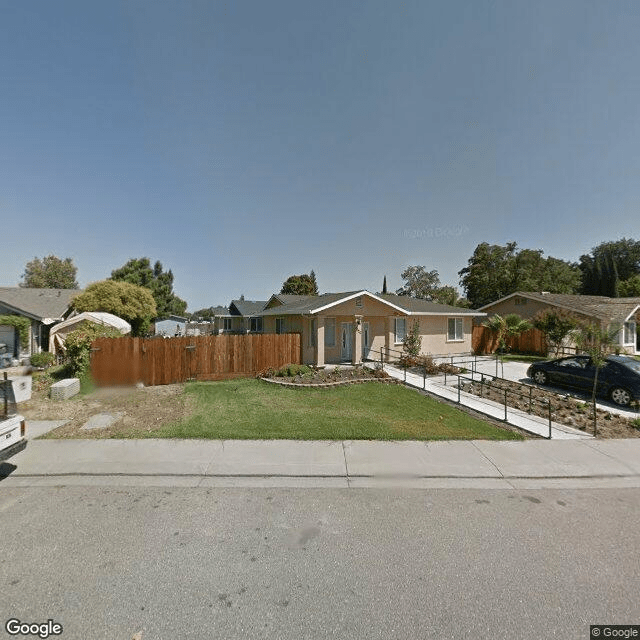
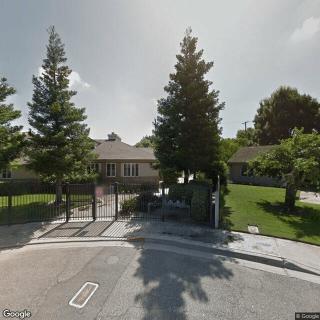
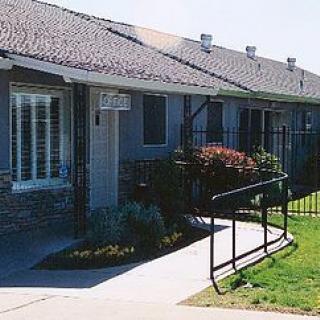
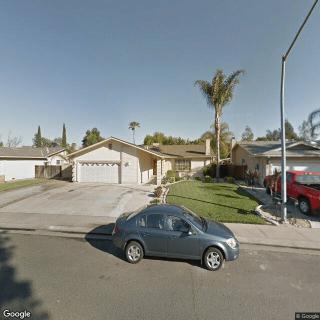
5020 Tamara Way, Salida, CA 95368
To contact a resident: (209) 566-8169
For more information about senior living options: (866) 208-4318
Tamara Guest Home Costs & Pricing
Tamara Guest Home offers competitive pricing for its residents, particularly in comparison to the broader market in Stanislaus County and throughout California. For a semi-private room, the cost at Tamara Guest Home is $2,500 per month, significantly lower than the county average of $3,241 and the state average of $3,333. Similarly, both private rooms and one-bedroom accommodations are priced at $4,000 each per month, which is slightly above the county's price of $3,754 for a private room but notably below the state average of $3,939 for a similar setting. In terms of one-bedroom units, while it aligns closely with the county rate of $3,685, it still offers substantial value when compared to California's higher average of $4,340. Overall, Tamara Guest Home stands out as an affordable option that balances quality care with cost-effectiveness in an increasingly expensive care landscape.
| Floor plans | Tamara Guest Home | Stanislaus County | California |
|---|---|---|---|
| Semi-Private | $2,500 | $3,241 | $3,333 |
| Private | $4,000 | $3,754 | $3,939 |
| 1 Bedroom | $4,000 | $3,685 | $4,340 |
Memory care communities with a similar price nearby
-
About the same
Stetson Court Living
$2,500 / month18.9 miles away -
About the same
Beta Care Home
$2,500 to $4,000 / month2.7 miles away -
About the same
Stacie's Chalet - Stockton
$2,500 to $3,795 / month22.1 miles away -
About the same
Covenant Retirement Communi
$2,525 to $4,000 / month19.1 miles away -
About the same

Hospitality House
$2,500 to $4,200 / month0.7 miles away
Overall Review of Tamara Guest Home
Pros
 Tamara Guest Home is a really good home with excellent care.
- The care provided at Tamara Guest Home is excellent.
- Their mother loves living at Tamara Guest Home, calling it second best to her own home, with outstanding assistance and attentive staff.
- The staff at Tamara Guest Home provide excellent attention and support to residents.
Review
Tamara Guest Home in Salida is best suited for seniors who want a small, home-like setting where care comes first and staff know residents by name. It serves families that value hands-on, personalized assistance over the breadth of services found in larger communities. The environment is intimate enough to support regular, meaningful contact with caregivers while still delivering reliable daily support. In practice, this means familiar routines, predictable responsiveness, and the kind of attention that makes a parent feel seen and safe. Feedback from families repeatedly highlights the quality of care and the warmth of the staff, with the resident described as thriving and content in a setting that feels like home.
Those seeking extensive clinical programming, dementia-specific campuses, or a facility with a wide network of on-site medical specialists may want to consider alternatives. Tamara’s size and model emphasize personal attention over operation at scale, which can limit the availability of specialized services or structured activities that some seniors require as care needs evolve. If a resident demands frequent medical oversight, scheduled therapy beyond routine assistance, or a more barrier-free transition to independent living as part of a retirement continuum, other options may provide a closer fit.
The strongest argument for Tamara is the care quality and staff devotion. Reviewers describe the assistance as above all and note that the care is consistently excellent, delivered with patience and attentiveness. The setting enables caregivers to pick up on subtle changes quickly and tailor support to individual routines, preferences, and mood. The emotional reassurance the home provides is also clear: residents feel valued, are engaged with, and well-attended, which translates into more stable days and fewer behavioral concerns. This level of personalization tends to honor individual history and foster a sense of belonging that is harder to achieve in larger communities.
However, the small size inherently limits certain dimensions of choice. There may be fewer on-site activities, less formal programming, and less immediate access to a broad spectrum of medical professionals than in larger assisted-living communities. For residents with complex dementia, high-care needs, or those who crave a wide social calendar, the footprint of Tamara could feel restrictive. The upside is that the care remains intensely personal, but families should acknowledge that coverage and resources scale differently here, which means less redundancy in staffing and fewer substitutes if someone calls in sick or a specialist is needed on short notice.
Decision-makers should match Tamara to those prioritizing comfort, continuity, and quick, compassionate support over a wide menu of amenities. If a resident thrives with a gentle, home-like rhythm and benefits from a team that remembers preferences and routines, Tamara offers compelling value. If, instead, the choice hinges on access to robust medical services, dementia-specific management, or a bustling activity calendar, alternatives will likely serve better.
Practical next steps include a careful visit to observe daily flow, talk frankly with caregivers about care plans and response times, and confirm pricing structures and what is included. Families should inquire about staff-to-resident ratios, availability of specialized therapies, and whether short-term or respite stays are possible to test fit. The reviews’ consistent praise for care quality is a strong signal; the decisive factor is whether the resident’s needs align with Tamara’s intimate, hands-on model. For the right match, Tamara delivers peace of mind that genuine, attentive care can come with the warmth of a small home rather than the scale of a larger campus.
 Board and Care Home
 Memory Care
 Private
 Modesto City-County-Harry Sham (9 miles away)
 Ambulatory care
 High acuity care
 Incontinence care
 Medication management


 Illuminating Insights About Alzheimer's Disease: Ten Crucial Realities
 A Thorough Discussion of Medications Potentially Linked to Dementia Risk
 Why Do Dementia Patients Sleep So Much? Understanding Oversleeping, Stages, and Care Approaches