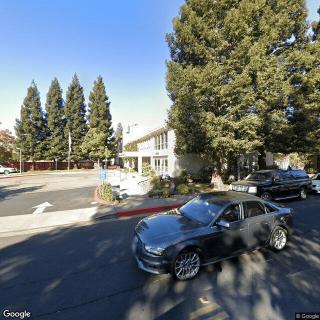
490 Hawkcrest Circle, Sacramento, CA 95835
For more information about senior living options: (866) 208-4318
Villa Westlake Costs & Pricing
At Villa Westlake, the monthly costs reflect a competitive pricing structure compared to both Sacramento County and the broader California state averages. For semi-private rooms, residents can expect a cost of $3,000, which is notably lower than the county average of $3,106 and significantly more affordable than the state's average of $3,333. When it comes to private accommodations, Villa Westlake's rate of $3,500 also offers a favorable comparison; it is less than both Sacramento County's $3,686 and California's statewide average of $3,939. This positioning underscores Villa Westlake's commitment to providing quality care at a value that meets or exceeds local market standards.
| Floor plans | Villa Westlake | Sacramento County | California |
|---|---|---|---|
| Semi-Private | $3,000 | $3,106 | $3,333 |
| Private | $3,500 | $3,686 | $3,939 |
Assisted Living communities with a similar price nearby
-
from -$500 / mo
Sunrise Senior Care
$2,500 to $3,500 / month15.0 miles away -
About the same
Afable Care Home
$3,000 to $3,500 / month10.6 miles away -
from -$500 / mo

Gina's Home Care
$2,500 / month13.6 miles away -
About the same
Love & Care for Elder
$3,000 to $4,500 / month11.9 miles away -
About the same

Hear Seniors
$3,005 to $3,870 / month10.3 miles away
Overall Review of Villa Westlake
Pros
 The staff is very friendly and listens to what is said about any issue that arises.
- The food for the meals is very good and healthy.
- They will cook according to the health needs of the residence.
Review
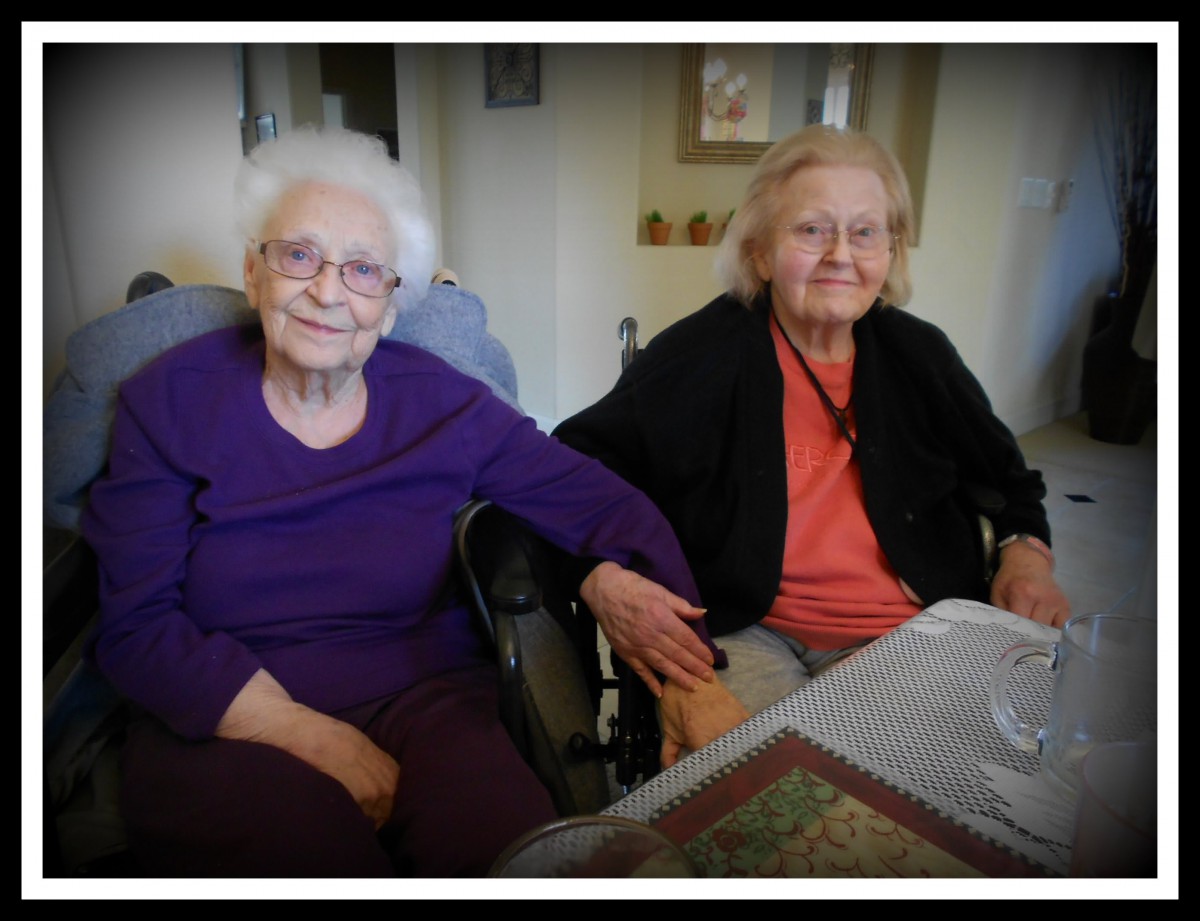
Villa Westlake in Sacramento is best suited for seniors who want a small, homelike assisted living experience where care feels personal and meals are a strength. The two available reviews repeatedly highlight a staff that is consistently friendly and attentive, with caregivers who listen when concerns arise and take action. That combination, a warm, approachable caregiving team paired with menus that emphasize health and flavor, creates a caregiving climate that translates into reliable daily stability. For residents who value predictable routines, straightforward communication, and dietary flexibility, Villa Westlake offers clear advantages that can bring real peace of mind to families.
However, Villa Westlake may not be the best fit for every situation. Families should consider alternatives when a resident requires higher medical oversight, ongoing skilled nursing, memory care, or a more expansive activity calendar beyond basic meals and routine check-ins. The reviews do not indicate a large staff-to-resident ratio or specialized services, so those with complex healthcare needs or a desire for robust social programs may find the offerings limited. For residents needing 24/7 medical monitoring, specialized wound care, or dedicated dementia care, exploring other options with explicit memory-care or clinical support would be prudent.
The strongest positives center on human touch and dietary management. A friendly, responsive staff reduces the risk that concerns go unaddressed, and the ability to listen and act on issues is a practical, safety-oriented asset. The meals are described as good and healthy, with customization to health needs. This is not merely about taste; it supports dietary adherence, nutrition goals, and conditions where specific meal plans matter. In a setting that prizes independence, reliable meals and attentive communication can offset a more modest amenities lineup by delivering predictability, trust, and a straightforward daily rhythm.
With no stated downsides in the reviews, the primary trade-off appears to be a potentially simpler program rather than a broad spectrum of services. The solid dining and staffing dynamics partially compensate because ongoing support feels dependable; residents who do not crave a wide array of activities may find this sufficient. Yet the absence of detail about programming, transportation, or medical coverage means that certain gaps could surface for some families. The offset is clear: for a resident who prioritizes responsive caregiving and nutrition over expansive programming, the positives are likely to outweigh any unspecified drawbacks.
A practical lens also asks about daily life logistics. The Sacramento location matters for families seeking convenient access, but prospective residents should verify night staffing levels, emergency procedures, and how transitions between levels of care are handled. Because the reviews are two identical entries focused on core strengths, a broader picture, such as social opportunities, outing options, and cost structure, requires direct inquiry. Families should request a tour, sample menus, diet accommodations, and staff training details. Clarifying these elements helps determine whether Villa Westlake aligns with expectations for engagement, safety, and long-term comfort.
In sum, Villa Westlake is well-suited for seniors who prize a welcoming staff and nutritionally attentive meals delivered in a compact, home-like setting. For residents whose needs extend beyond routine assistance into specialized medical oversight or dementia care, alternatives with broader clinical staffing or memory-care options are worth evaluating. The strong points, responsive caregivers and customizable diets, set a solid baseline, but verification of services, programming depth, and care plans is essential before deciding. A structured visit with dietary staff and a careful review of care plans will reveal whether this community supports the resident’s goals and the family’s expectations.
 6 resident community capacity
 Assisted Living
 Board and Care Home
 Activities off-site
 Air-conditioning
 Bath tubs
 Cable or satellite TV
 Devotional services on-site
 Dining room
 Fully furnished
 Garden
 Handicap accessible
 Housekeeping services
 Indoor common areas
 Move-in coordination
 Outdoor common areas
 Private
 Respite or short term stays offered
 Telephone
 Wheelchair accessible showers
 Wi-Fi/high-speed internet available
 Sacramento International (3 miles away)
 24-hour supervision
 Assistance with bathing
 Assistance with dressing
 Assistance with transfers
 Diabetes diet
 Diabetic care
 High acuity care
 Incontinence care
 Meal preparation and service
 Medication management
 Special dietary restrictions
 Transportation arrangement (medical)
 Transportation to doctors appointments
 BBQs or picnics
 Birthday parties


 Comprehensive Supportive Living Arrangements for Adults with Disabilities
 Funding and Affording Assisted Living: A Thorough Overview
 Assisted Living Expenses and Long-Term Care Insurance: A Comprehensive Exploration