
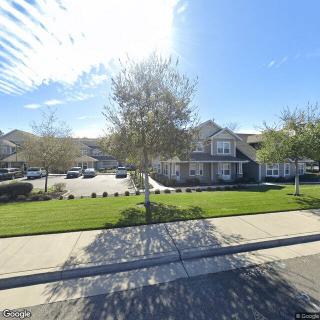
5725 Kevinberg Drive, Sacramento, CA 95823
For more information about senior living options: (866) 208-4318
Overall Review of Kevinberg Care Home
Pros
 The staff, including Maria and David, consistently provided the best care.
- The house on Treasure Way was always clean and neat, with the staff ready to remedy any problems.
- The care and attention to detail given to each client is amazing.
- They offered recommendations to help residents be more comfortable, and their advice was spot on.
- They informed families about options to discuss with doctors, which was very helpful.
- They carefully held cups for residents who couldn't, ensuring hydration.
- Some care workers prayed with residents at night, which they loved.
- Comforts of Home became like extended family and helped maintain a high quality of life right until the end.
Review
This Sacramento community is best suited for families seeking an intimate, relationship-driven care environment for an aging loved one with dementia or advanced care needs. The six-bed, home-like setting fosters deep staff-resident connections, with caregivers who know the resident’s routine and preferences well. Families report that Maria and David, along with the rest of the team, deliver steady, attentive care over years, turning what can be a daunting transition into a steady, predictable experience. The model shines particularly in end-of-life scenarios, where consistent hands-on attention, hydration support, and continuity of care translate into a higher quality of life even as health declines. Spiritual comfort and a sense of regular, familiar routines further anchor residents who value personal attention and dignity.
Those weighing alternatives will want to consider whether a larger campus with broader medical staffing and more structured programming is necessary. Larger facilities often promise more formal memory-care curriculums, wider access to specialized therapies, and a steadier pool of clinicians. If the priority is a facility with robust on-site medical oversight, more extensive activity calendars, or greater capacity for rapid program expansion during medical or rehab needs, a bigger community may be a better fit. Families should also factor in budgetary considerations and the desire for a broader social milieu, which a small home may not consistently offer.
The strongest pros here, exceptional caregiver attentiveness, meticulous attention to detail, proactive family communications, and a willingness to share practical medical insights, tend to offset the most meaningful downsides for the target resident. Care teams routinely alert families to care strategies that improve comfort and quality of life, and they provide guidance on questions to discuss with the physician that families might not realize are available. This level of partnership with families is not merely supportive; it actively reduces uncertainty and helps align day-to-day care with medical plans, which matters enormously for dementia progression and palliative considerations.
Yet the limited size of the home does present real trade-offs. The same intimate setting that fosters close caregiver bonds can constrain programming variety, resources, and the breadth of activities. Reviews note that activities, while present, come and go in a way that feels contingent rather than consistently scheduled, with mentions of an activities director and a guitarist only “a couple times a week.” While this may be ample for many residents, especially those who rely on familiar faces and a steady routine, it may fall short for families seeking a consistently full calendar of enrichment, rehab services, or on-demand therapies. The small footprint also means fewer simultaneous spaces for guests, visits, or family events, which matters for families juggling schedules.
Practical decision guidance centers on aligning a resident’s needs with what the home can reliably deliver. For dementia care, memory loss progression, and end-of-life comfort, the strengths shown, customized care, hydration management, routine religious or spiritual support, and a family-like atmosphere, often trump concerns about activity breadth or medical breadth. Prospective families should prioritize meeting the primary caregivers (particularly Maria and David), observing how staff respond to a resident’s daily cues, and confirming current programming and spiritual services. It’s also wise to verify the current availability of activities, meal variety, and the extent of on-site medical oversight, ensuring these match the resident’s present and anticipated needs. A personal tour with questions about how care plans adapt as conditions evolve will reveal whether the setting can remain a stable home as care intensifies.
In the end, this community stands out for its compassionate, hands-on approach and its ability to make a small, home-like setting feel like an extended family. It is a compelling choice for families who value trust, continuity, and a deeply personalized daily experience over breadth of services or campus amenities. Those who prioritize a larger social scene, more formalized memory-care programming, or expansive medical staffing may want to look at bigger facilities. The fit hinges on whether the resident will benefit most from intimate daily attention and spiritual, interpersonal continuity, or whether a broader, more medically oriented environment would better serve evolving needs. For the right family, the decision is clear: prioritize the intimate, attentive care that grows into a trusted living rhythm, and let the staff’s steadfast devotion translate into ongoing dignity and comfort.
 4 resident community capacity
 Assisted Living
 Board and Care Home
 Cable or satellite TV
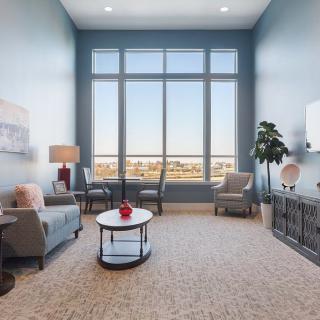
 Dining room
 Fully furnished
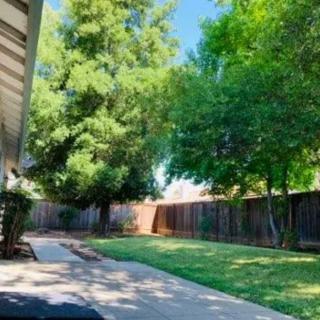
 Garden
 Housekeeping services
 Move-in coordination
 Outdoor space
 Telephone
 Wi-Fi/high-speed internet available
 Sacramento International (19 miles away)
 24-hour supervision
 Activities of daily living assistance
 Assistance with bathing
 Assistance with dressing
 Assistance with transfers
 Diabetes diet
 Meal preparation and service
 Medication management
 Special dietary restrictions
 Transportation arrangement (medical)
 Transportation to doctors appointments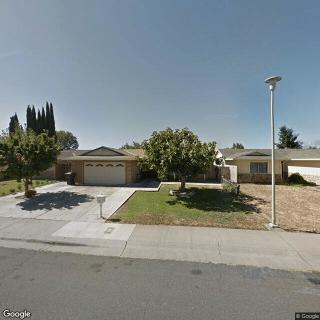


 Exploring the Path to Senior Living: A Comprehensive Look at Independent Living and Assisted Living
 Is Assisted Living Deductible on Your Taxes? Understanding the Complexities of Assisted Living Expenses and Deductions
 Assisted Living Support for Veterans: A Complete and Detailed Overview