
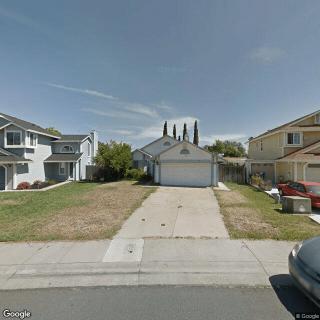
6 Tyndall Ct., Sacramento, CA 95823
For more information about senior living options: (866) 208-4318
Happy Life Care Living Costs & Pricing
Happy Life Care Living offers an exceptionally affordable option for private accommodations at just $761 per month. When compared to the average costs in Sacramento County, which stand at approximately $3,686, and the broader California state average of around $3,939, it is evident that Happy Life Care Living provides significant savings without compromising quality. This pricing structure positions Happy Life Care Living as a financially viable choice for individuals seeking comfortable living arrangements while ensuring they remain within a reasonable budget.
| Floor plans | Happy Life Care Living | Sacramento County | California |
|---|---|---|---|
| Private | $761 | $3,686 | $3,939 |
Assisted Living communities with a similar price nearby
-
from +$137 / mo
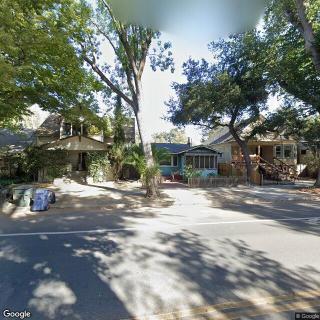
Sacramento Guest Home
$898 to $4,975 / month8.4 miles away -
from +$130 / mo
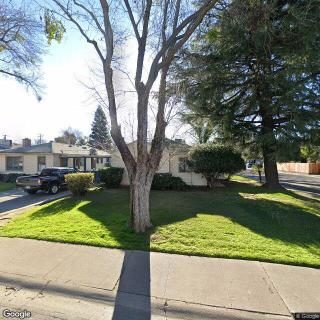
Woodlake Guest Home
$891 / month10.0 miles away
Overall Review of Happy Life Care Living
Pros
 The RCFE facility provides excellent care in a clean and well-organized environment.
- The staff are professional, compassionate, and always responsive.
- Families feel confident knowing their loved ones are safe and cared for.
- The facility is highly recommended.
- The staff cared for a resident for over two years with dedication.
- Families receive regular updates and photos via text messages and videos.
- The staff provide individual attention that is always professional, kind, caring, and compassionate.
- Residents feel the staff are a second family, sharing laughs and happy times.
- The management and staff are consistently communicative and responsive, including 24/7 availability.
Review
Happy Life Care Living in Sacramento is best suited for families seeking a warm, home-like assisted living experience where care is delivered with steady, relationship-driven attention. This community excels for residents who value daily warmth from staff, clear communication, and a sense that caregivers become an extended family. It is especially well-suited for individuals living with memory challenges or those who benefit from consistent updates and visible caregiver engagement. Families that want a clean, well-organized residence with an inviting atmosphere will find the environment supports dignity and comfort, making regular visits feel meaningful rather than intrusive. In short, this is the choice for families who prioritize personal connection, transparent responsiveness, and a reassuring sense of safety that comes from a highly attentive staff.
The obvious alternative considerations revolve around level of medical oversight and the scale of operation. If a loved one requires robust on-site skilled nursing, complex wound care, or highly specialized memory-care programming beyond what a traditional RCFE offers, a larger facility or a dedicated memory-care community might be a better fit. Some families may prefer a more clinical model with more formal physician visits on site, stricter clinical schedules, or a wider menu of on-site therapy options. For those with significant medical needs or who want a campus with extensive clinical services, exploring SNFs or multi-property operators could yield a different balance of medical support and daily structure.
On the strength side, the staff profile is the standout asset. Caregivers come across as professional, compassionate, and genuinely responsive, delivering attentive, hands-on support that makes residents feel seen. The environment reinforces these strengths: spotless, well-kept spaces that feel orderly rather than clinical. Families repeatedly note that updates come quickly and consistently, text messages, photos, and occasional videos keep relatives looped in about health changes, social activities, and daily routines. This level of communication directly addresses the common anxiety around a loved one’s wellbeing, transforming potential uncertainty into confidence that someone is always paying attention.
Another compelling pro is the social and emotional scaffolding the staff provide. Several reviews describe staff as a second family, caring, patient, and attentive to the resident’s social needs as well as physical care. The presence of a steady manager or director who is actively involved in overseeing care plans and logistics adds a reassuring layer of continuity for families navigating moves and health updates. The ability to visit without placing visiting restrictions and the emphasis on creating a welcoming, dignified home environment further tilt the balance toward a decision favoring this community for those who emphasize relational care and stability.
That said, the strongest potential con to acknowledge is the inherent limitation of the RCFE model when medical acuity grows. While Happy Life Care Living demonstrates remarkable caregiver engagement and responsiveness, the day-to-day medical supervision is not the same as what a skilled-nursing facility provides. For residents with escalating clinical needs, this may require additional external nursing support or more frequent medical coordination outside the campus. However, the immediate benefit, rapid, transparent communication with families and a proactive approach to changes in health or mood, helps mitigate this gap. The practical effect is that families prioritizing peace of mind through accessible updates and a trusted caregiving presence may accept the trade-off of a lighter medical footprint in exchange for higher-quality relational care.
The bottom-line guidance is practical and clear. For families in Sacramento who prize a home-like setting with deeply involved staff, transparent and frequent communication, and a caregiving team that treats residents like family, Happy Life Care Living stands out as a compelling option. It delivers a level of warmth, attentiveness, and cleanliness that can meaningfully reduce the strain of ongoing caregiving and decision-making. Those with modest to moderate medical needs, who want to avoid a hospital-like atmosphere and value ongoing social engagement, will likely find the balance favorable here. Conversely, if the priority centers on intensive medical services, routine on-site nursing, or highly specialized clinical programming, alternatives with a stronger clinical footprint should be compared side by side. In the end, visits should be structured to verify how care plans address dementia or memory-care needs, how the staff communicates changes in health, and how the house manager coordinates services as needs evolve. When those elements align, the choice becomes clear: this is a thoughtful, capable home for a beloved family member who benefits most from genuine connection and steadfast daily care.
 6 resident community capacity
 Assisted Living
 Cable or satellite TV
 Dining room
 Fully furnished
 Garden
 Housekeeping services
 Move-in coordination
 Outdoor space
 Telephone
 Wi-Fi/high-speed internet available
 Sacramento International (18 miles away)
 24-hour supervision
 Activities of daily living assistance
 Assistance with bathing
 Assistance with dressing
 Assistance with transfers
 Diabetes diet
 Meal preparation and service
 Medication management
 Special dietary restrictions
 Transportation arrangement (medical)
 Transportation to doctors appointments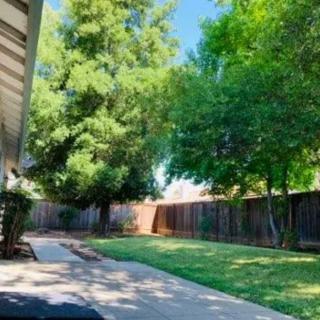

 Assisted Living Support for Veterans: A Complete and Detailed Overview
 Exploring the Contrasts Between Assisted Living and Skilled Nursing
 8 Key Indicators That Suggest It May Be Time to Transition from Assisted Living to Skilled Nursing Care