
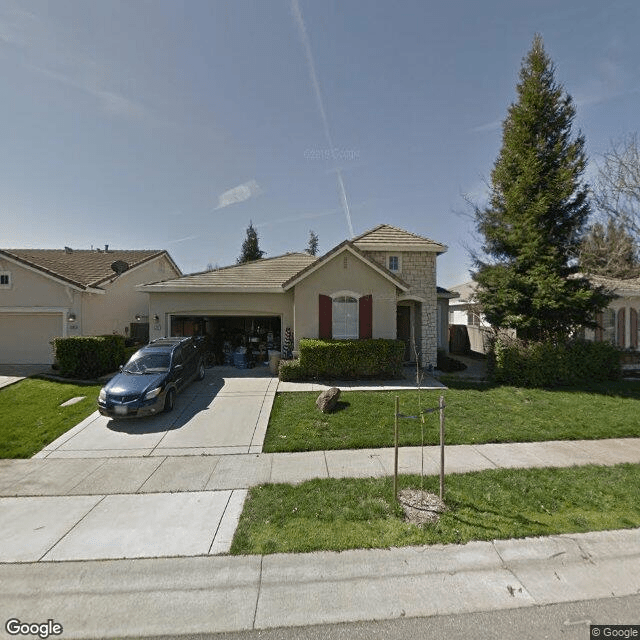
5767 Bridgecross Drive, Sacramento, CA 95835
To contact a resident: (916) 915-9899
For more information about senior living options: (866) 208-4318
Glo's Loving Care, LLC Costs & Pricing
Glo's Loving Care, LLC offers competitive pricing for its services, positioning itself as an affordable option within the broader Sacramento County and California marketplace. For a semi-private room, Glo's monthly rate stands at $2,500, which is notably lower than the county average of $3,106 and the state average of $3,333. Similarly, their private room option is priced at $3,000, also undercutting both Sacramento County's average of $3,686 and California's statewide average of $3,939. This strategic pricing not only reflects Glo's commitment to providing value but also makes quality care more accessible to families seeking supportive living arrangements for their loved ones.
| Floor plans | Glo's Loving Care, LLC | Sacramento County | California |
|---|---|---|---|
| Semi-Private | $2,500 | $3,106 | $3,333 |
| Private | $3,000 | $3,686 | $3,939 |
Senior living communities with a similar price nearby
-
About the same
Sunrise Senior Care
$2,500 to $3,500 / month12.2 miles away -
About the same

Gina's Home Care
$2,500 / month11.1 miles away -
About the same
Lucian Home
$2,500 / month13.3 miles away -
from +$152 / mo
All Care Home Health Svc
$2,652 / month13.7 miles away -
About the same

A Five Star Residence for Seniors
$2,500 to $3,200 / month12.1 miles away
Overall Review of Glo's Loving Care, LLC
Pros
 The parent is happy to have their daughter at Loving Hands.
- Loving Hands lets kids be kids and teaches them through play and real-life examples.
- The owner loves children, and it shows.
- The reviewer highly recommends this loving childcare.
Review
Glo's Loving Care, LLC in Sacramento, CA is best suited for families prioritizing a warm, child-centered environment where children are treated as individuals and learning unfolds through play and real-life experiences. It appeals to parents who value an atmosphere that emphasizes emotional warmth, freedom to explore, and genuine affection from caregivers. The standout message from the two positive reviews is that the setting feels loving and inviting, with an owner who clearly loves children and is deeply invested in their well-being. For families seeking safety, trust, and a sense that their child is cherished throughout the day, this community stands out as a compelling option.
Those considering alternatives should note that this may not be the right fit for households chasing a highly structured, formally credentialed program with a rigid daily schedule or a tightly curated curriculum. Families needing extended hours, bilingual programming, or specialized therapeutic services may prefer centers that advertise these capabilities more explicitly. Likewise, if transparent, data-driven progress reporting, frequent academic benchmarks, or highly standardized activities are essential, it would be prudent to explore other centers to ensure alignment with those expectations.
The primary strengths of this community lie in its emphasis on allowing kids to be kids and in the way play is used as a vehicle for development. The approach invites natural socialization, curiosity, and practical problem-solving, all guided by an owner who communicates warmth and attentiveness through daily interactions. The testimonials underscore a caregiving environment that feels personal and responsive, which translates into high parental satisfaction. When families enter with the goal of fostering secure attachments, social confidence, and joy in everyday learning, these pros become powerful levers for positive early development.
Those strengths offset potential drawbacks by delivering tangible, non-academic benefits. In settings where structure is softer and spontaneity is encouraged, children often develop resilience, self-regulation, and interpersonal skills that pay dividends later. The owner’s evident passion adds a layer of trust and reliability that can mitigate concerns about consistency or responsiveness. In short, the trade-off for a less formal program is a more intimate, character-building experience where children feel seen and supported, which can matter more than rote academic outcomes for many families at this life stage.
Families evaluating visits should look for concrete indicators that align with the positive reputation. Observe whether staff interactions are warm and individualized, whether caregivers engage children through meaningful activities, and whether routines feel predictable yet flexible enough to accommodate curiosity. Questions to ask during tours include: how is daily structure balanced with free play, how are meals and nap times managed, what is the caregiver-to-child ratio, how is communication with families maintained, and what safety protocols are in place for daily operations? These points illuminate whether the favorable impressions in reviews translate into a consistently high-quality, day-to-day experience.
In conclusion, Glo's Loving Care, LLC presents a strong recommendation for families prioritizing a nurturing, play-forward, child-centered environment in which an engaged owner models affection and attentiveness. It is an excellent choice for parents who want their child to feel at home, learn through exploration, and build social-emotional foundations in a warm setting. For families seeking a more formalized curriculum, clearer academic benchmarks, or extended-hour care, it makes sense to consider alternatives that explicitly advertise those capabilities. With two favorable, high-star reviews anchoring the perception of quality, a thoughtful visit, focusing on staff interactions, routine structure, and safety practices, will finalize the fit and guide next steps confidently.
 Board and Care Home
 Private
 Sacramento International (5 miles away)
 Ambulatory care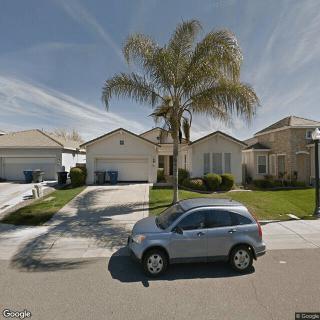


 In-Depth Look at the VA Aid and Attendance Program
 Nurturing Our Loved Ones: A Daughter's Journey in Caring for Her Mother
 Nurturing Our Elders: Linda's Journey of Supporting Her Mother