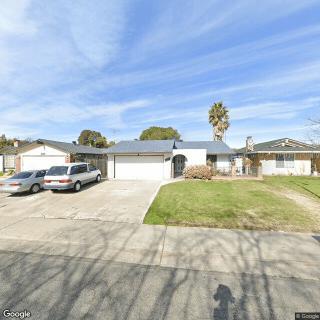
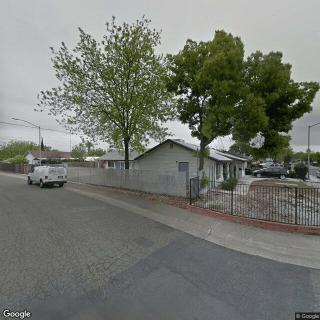
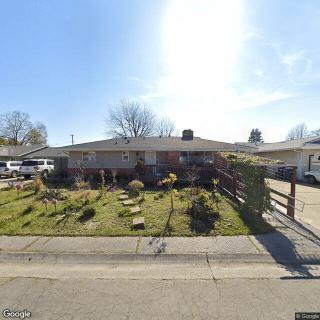
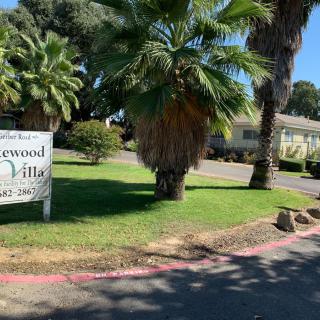
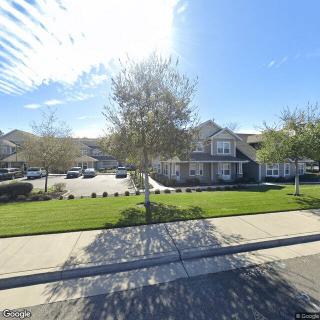
6254 66Th Avenue, Sacramento, CA 95823
For more information about senior living options: (866) 208-4318
City Creek Assisted Living Costs & Pricing
City Creek Assisted Living offers competitive pricing for its residents when compared to Sacramento County and the broader California market. For a semi-private room, City Creek charges $3,000 per month, which is slightly below both the county's average of $3,106 and the state's average of $3,333. Meanwhile, a studio room at City Creek is priced at $4,000 monthly, positioning it close to Sacramento County's average of $3,865 but still lower than California's state average of $4,145. This pricing structure reflects City Creek's commitment to providing quality assisted living services that remain accessible while ensuring comfort and care for its residents.
| Floor plans | City Creek Assisted Living | Sacramento County | California |
|---|---|---|---|
| Semi-Private | $3,000 | $3,106 | $3,333 |
| Studio | $4,000 | $3,865 | $4,145 |
Assisted Living communities with a similar price nearby
-
from -$500 / mo
Sunrise Senior Care
$2,500 to $3,500 / month16.1 miles away -
About the same
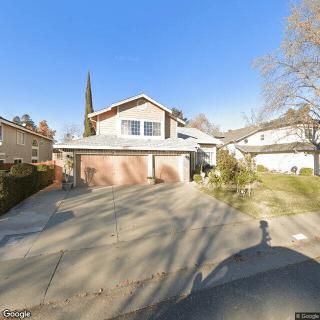
Afable Care Home
$3,000 to $3,500 / month16.5 miles away -
from -$500 / mo

Gina's Home Care
$2,500 / month12.0 miles away -
About the same
Love & Care for Elder
$3,000 to $4,500 / month16.2 miles away -
About the same

Hear Seniors
$3,005 to $3,870 / month10.4 miles away
Overall Review of City Creek Assisted Living
Pros
 The facility is clean and friendly, with new staff, new food, and new activities, and they have done a great job since being St Francis.
 - City Creek is top notch.
- The staff are attentive and keep families updated, showcasing excellent care.
- The front desk staff are wonderful.
- The mother-in-law received the best care, with cheerful, kind, and attentive staff in a very clean home.
- The environment is nice and residents appear to be enjoying their time.
- The dining room is very clean, and meals are posted.
- The rooms are really nice, and there are plenty of activities for seniors.
- The facility offers several church-related services each week, providing continuity for residents.
- The meals are good and generally well liked, and the facility is affordable.
Cons
 The RN who does the assessment was terrible.
- She wouldn’t listen to the patient when she asked questions.
- She kept music loudly playing while speaking to them.
- They were told they most likely wouldn’t be accepted because the patient has SSI.
- They were told that private pay could start but most likely wouldn’t be able to keep paying that way.
- She was rude, dismissive, and went out of her way to make them feel like they weren’t good enough for the facility.
- The new Owners weren’t taking SSI people or people who used the Sutter Pace program because those people don’t pay.
- The reviewer called the staff member horrible and suggested the Owners were horrible as well.
Review
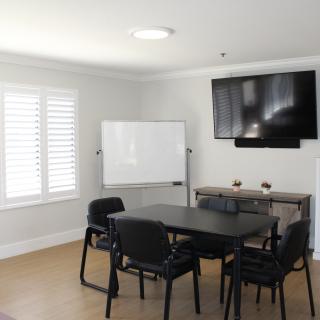
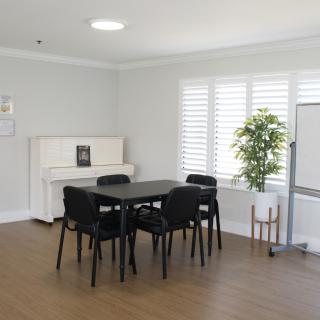
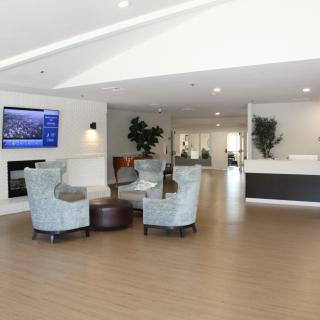
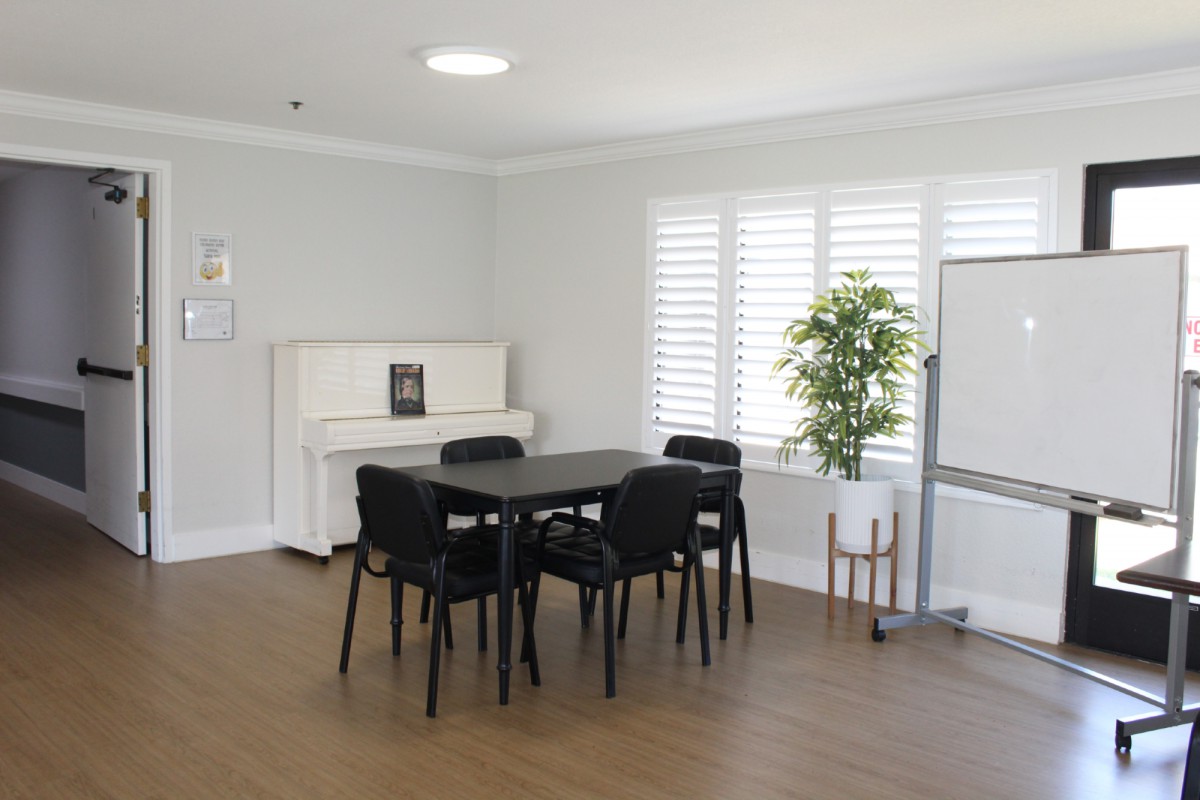
City Creek Assisted Living in Sacramento is best suited for seniors who want a clean, active, and socially engaging home where daily life feels structured and neighborly, and where family finances can be arranged through private pay to secure consistent care. The community has rebuilt its vibe from its St. Francis days, delivering noticeable improvements in staff presence, food quality, and daily activities. For families prioritizing a bright, well-kept environment with regular programming and a predictable routine, City Creek delivers with a quiet confidence that shows up in the way residents mingle, meals are served, and updates are shared.
Those who may want to consider alternatives include families navigating strict eligibility with government programs or SSI-based payment structures. A substantive intake experience at City Creek can hinge on individual staff interactions and payment arrangements, as one review notes a problematic encounter tied to private-pay assumptions and policy barriers. If the senior’s care needs hinge on dementia-first memory care, or if a facility explicitly prioritizes accepting a broad range of funding sources (including SSI), it is prudent to compare options. Likewise, families who demand seamless continuity of care during transitions and unwavering reputational consistency may want to assess the complete track record of any candidate community.
The strongest positives at City Creek are tangible and meaningful: a consistently clean environment, friendly front-desk interactions, and a newly refreshed menu and activity slate that reflect real progress since the St. Francis era. Residents often look cheerful, caregivers are described as caring, and the dining room is inviting with posted menu details that reassure families about nutrition. The presence of multiple weekly faith-based services provides a distinctive continuity for residents who value spiritual engagement and a sense of community. In short, the combination of cleanliness, social programming, and accessible staff creates a dependable daily rhythm that reduces the sense of isolation often felt in senior living.
However, the cons cited in the reviews cannot be ignored, and they do matter for decision-making. A negative intake experience highlighted a staffer who seemed dismissive and rigid, with comments tied to private-pay feasibility and perceptions about who could afford care. That kind of friction, especially if it reoccurs, can color first impressions and complicate enrollment, underscoring the importance of a thorough, hands-on intake process with multiple staff members. Additionally, the policy around funding sources, specifically, hesitancy or outright exclusion of SSI or certain payer programs, can impose a real constraint for families relying on those streams. While private-pay arrangements are common and workable, they require careful budgeting to sustain long-term residency.
The key to City Creek offsetting these concerns lies in its practical strengths and the degree of transparency available during tours and intake. If a family can secure a clear private-pay plan and engage with staff who communicate updates effectively, the positives, fresh meals, meaningful activities, and ongoing family touchpoints, will compensate for the friction that may surface during initial discussions. The community’s strengths in cleanliness, resident happiness, and a steady stream of church-related activities create a sense of belonging that many providers struggle to deliver. In scenarios where memory care is not the primary entry diagnosis, City Creek offers a comfortable, community-centered home that supports engagement and daily purpose.
For families weighing the decision, a concrete plan helps turn the positives into a sustainable choice. Visit multiple times, observe meal service and activity participation, and ask to speak with current residents about perceived changes since the transition from St. Francis. Confirm payment options up front: what is required for private-pay, how long it would be feasible to maintain, and what transition steps exist if financial circumstances change. Seek clarity on how care plans are coordinated across shifts and how frequently families receive updates. If the senior’s needs include robust dementia programming or a funding pathway beyond private pay, it is wise to compare with alternatives that explicitly foreground those capabilities and payor networks.
Bottom line: City Creek is a practical, workable option for families seeking a clean, welcoming, and active senior living environment with steady programming and a faith-friendly cadence. It shines where residents value routine, social connection, and visible daily improvements, and where private-pay arrangements are feasible. The main caveat is alignment of intake experience and funding options, these factors will determine whether the positives can be sustained long-term. If those dimensions align, City Creek stands out as a solid, expeditious choice; if they don’t, it makes sense to widen the search to communities with clearer SSI acceptance and a more consistent intake process, especially for memory-care-forward needs.
 121 resident community capacity
 Assisted Living
 Respite Care
 Activities off-site
 Air-conditioning
 Beautician on-site
 Cable or satellite TV
 Computer center
 Devotional services on-site
 Dining room
 Fitness room
 Fully furnished
 Gaming room
 Garden
 Housekeeping services
 Indoor common areas
 Kitchenette
 Move-in coordination
 Outdoor common areas
 Private bathrooms
 Restaurant-style dining
 Small library
 Telephone
 Wellness center
 Wheelchair accessible showers
 Wi-Fi/high-speed internet available
 Sacramento International (17 miles away)
 Community operated transportation
 12-16 hour nursing
 24-hour call system
 Ambulatory care
 Assistance with bathing
 Assistance with dressing
 Assistance with transfers
 Diabetes diet
 Diabetic care
 Incontinence care
 Medication management
 Mental wellness program
 Special dietary restrictions
 Concierge services
 Day trips and outings

 Securing Financial Support for Assisted Living: A Comprehensive Overview
 Social Security Benefits and Assisted Living: Navigating Options Across the U.S.
 An Extensive Exploration of the VA Aid and Attendance Benefit