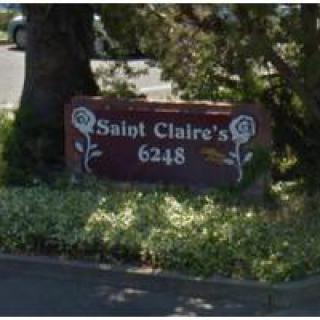
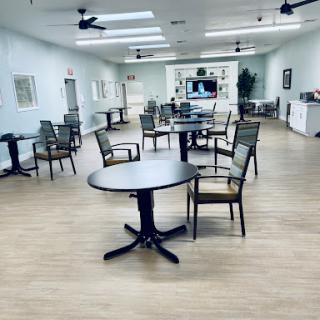
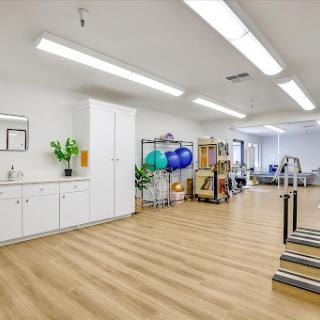
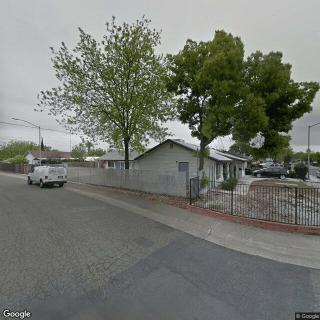
6248 66Th Avenue, Sacramento, CA 95823
For more information about senior living options: (866) 208-4318
Overall Review of Saint Claire's Nursing Center
Pros
 The patient received great care from the doctors and staff.
- The staff are very kind and courteous.
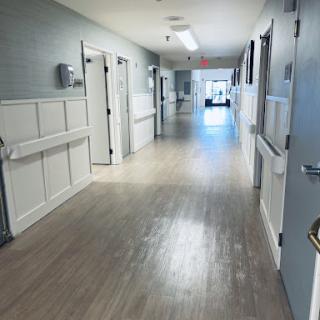
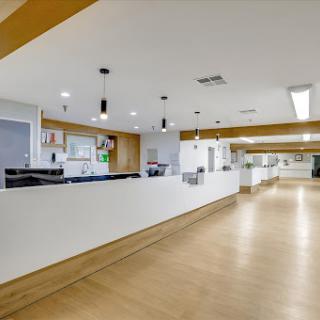
- The facility is clean.
- The care was efficient, practical, and delivered with a compassionate demeanor.
- The interaction between staff and residents showed caring and respect for each person's dignity.
- The staff are very compassionate and supportive, helping keep her comfortable during hospice.
Cons
 The facility is described as the worst place to leave loved ones for skilled nursing or long-term care.
- The care provided is very poor.
- It is always short-staffed and lacks adequate supplies for nurses and CNAs to do their jobs.
- Administrative employees are very rude.
- Management is very poor with no organization.
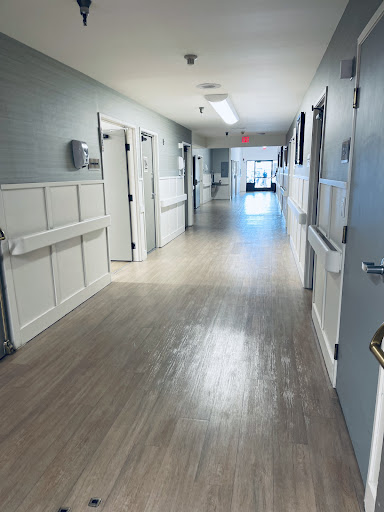
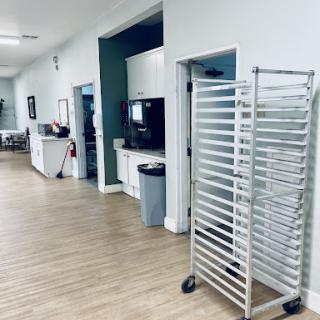
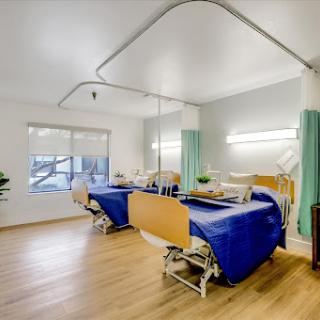
- The building is old with inadequate maintenance, including water leaks and malfunctioning beds and equipment.
- The reviewers would not recommend anyone to use this facility for SNF or LTC.
- A resident waited 45 minutes for someone to answer a call light.
- It took two weeks to replace a broken wheelchair arm.
- A resident was left unattended in a chair and sustained a fall.
- A resident developed an eye infection and pressure sores that were not promptly treated.
Review
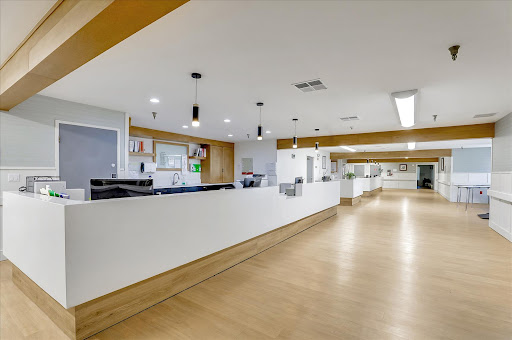
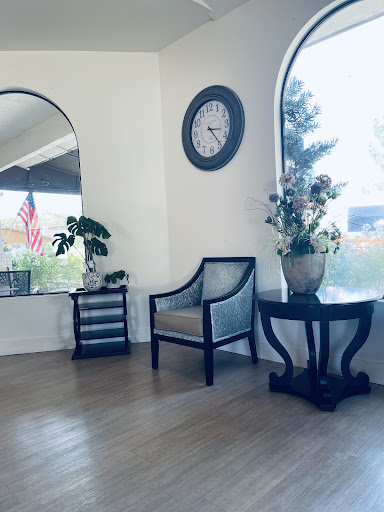
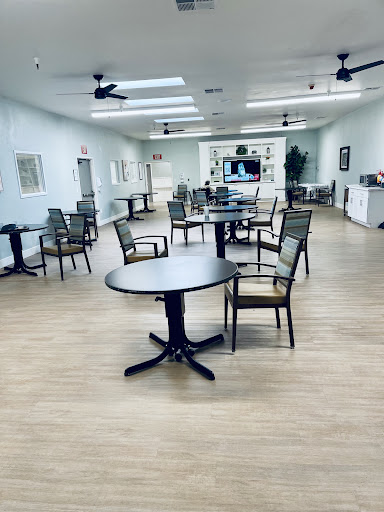
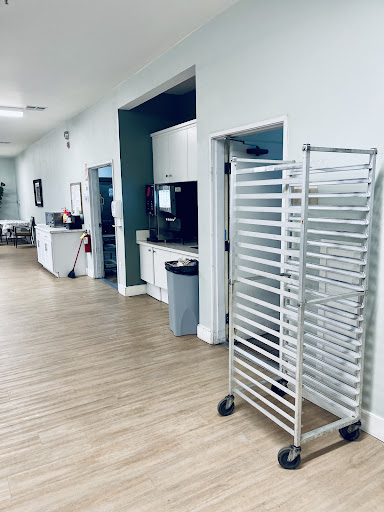
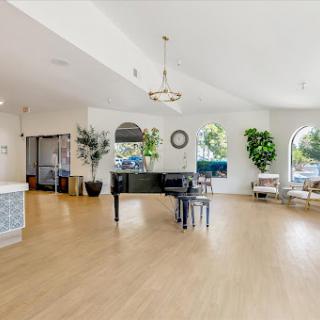
Saint Claire's Nursing Center in Sacramento is best suited for families that prize daily warmth, clear dignity, and a clean, homey environment where residents receive attentive, personally directed care. The facility earns praise for patient-facing kindness and for care teams that treat residents with respect in everyday interactions. For families navigating dementia or end-of-life needs, the staff’s compassionate approach and steady, practical support can make a meaningful difference in a difficult chapter. This is a setting where humane care and a calm atmosphere carry real weight, especially when routine monitoring and a non-institutional feel matter most.
However, this community may not be the best fit for families seeking a model of consistently high staffing levels, rigorous supervision, and up-to-date infrastructure. Those with loved ones who require rapid call-light response, regular repositioning, timely treatment of wounds, and highly reliable equipment may want alternatives. The negatives described by multiple families, long waits for assistance, equipment failures, and what’s characterized as poor administrative organization, signal a risk profile that some families may find unacceptable, especially for residents with complex medical needs or a history of falls.
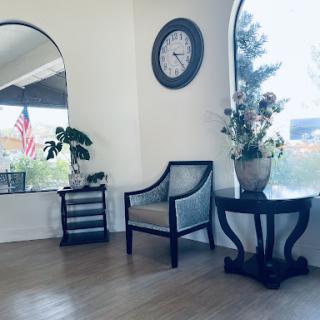
Positive reports emphasize kindness and courtesy from staff, a commitment to keeping residents clean and well-groomed, and an atmosphere that avoids the heavy, depressing mood sometimes associated with skilled nursing. The care delivered is described as efficient and practical when residents are under hospice or end-of-life considerations, with staff supporting comfort and dignity. Interactions that demonstrate respect for personal dignity and consistent attention to basic daily needs create a foundation of trust, and the facility itself is noted as clean and orderly compared with other options families toured.
Severe concerns recur around staffing adequacy and operational discipline. Review narratives describe persistent short-staffing, insufficient supplies, and administrative communication that leaves care teams without needed tools. Structural issues compound the risk: an aging building with leaking bathrooms, malfunctioning beds, squeaky or broken equipment, and outdated DME. Specific incidents cited include long delays for call-light responses, extended downtime for wheelchair components, untimely treatment of infections, pressure sores, and hospitalizations that families attribute to care lapses. Taken together, these elements point to a fragile safety net that can overwhelm even well-meaning staff.
Do the positives offset the negatives? In practical terms, the warmth of staff and the maintenance of cleanliness are meaningful in day-to-day life, and for families prioritizing comfort and dignity, Saint Claire's delivers on those axes. Yet the frequency and severity of staffing gaps and maintenance failures create real risk, particularly for residents most vulnerable to neglect or medical deterioration. The facility presents as a compassionate option in calmer moments, but it struggles to provide consistently reliable clinical oversight, timely interventions, and modern infrastructure that many families expect in 2025.
Advice for families: conduct a targeted due diligence before committing. Schedule a structured tour with leadership and request current staffing rosters, call-light response data, maintenance logs, and a walk-through of the most-used equipment and beds. Ask to see incident reports and any corrective action plans tied to recurring issues. If a resident has complex medical needs or a history of falls, compare neighboring facilities with stronger staffing ratios and more reliable infrastructure. In the end, Saint Claire's offers genuine warmth and clean surroundings, but the decision should hinge on whether the priority is steady, near-immediate response and modern safety standards. For many families, alternatives will be worth exploring to balance humane care with clinical reliability.
 99 resident community capacity
 Continuing Care Retirement Community (CCRC)
 Skilled Nursing Facility
 Air-conditioning
 Beauty salon
 Cable or satellite TV
 Computer center
 Dining room
 Fitness room
 Fully furnished
 Gaming room
 Garden
 Housekeeping services
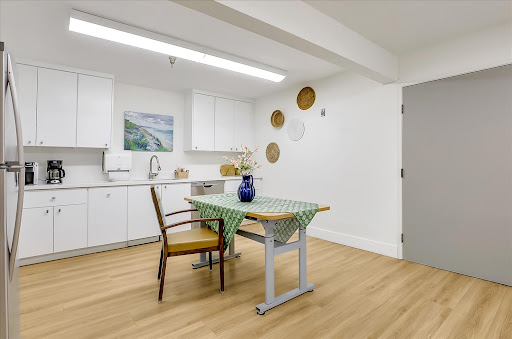
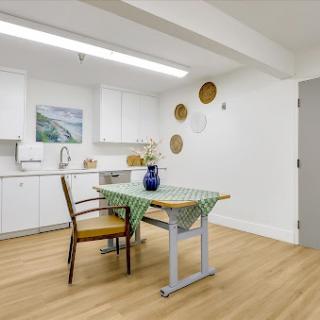
 Kitchenette
 Move-in coordination
 Outdoor space
 Private bathrooms
 Restaurant-style dining
 Small library
 Telephone
 Wellness center
 Wi-Fi/high-speed internet available
 Sacramento International (17 miles away)
 Community operated transportation
 12-16 hour nursing
 24-hour call system
 Activities of daily living assistance
 Assistance with bathing
 Assistance with dressing
 Assistance with transfers
 Diabetes diet
 Medication management
 Mental wellness program
 Special dietary restrictions
 Concierge services
 Planned day trips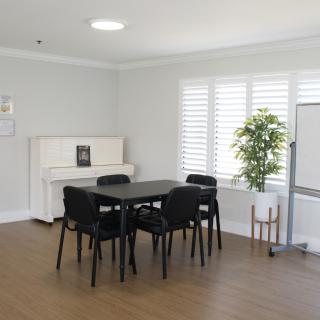


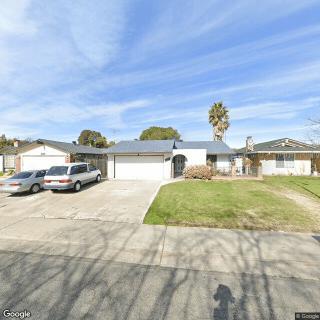


 Managing Nursing Home Expenses After Medicare Coverage Ends
 Is a Geriatric Care Manager the Right Choice for Your Family?
 Compassionate Conversations: How to Comfort Someone Who Is Grieving