
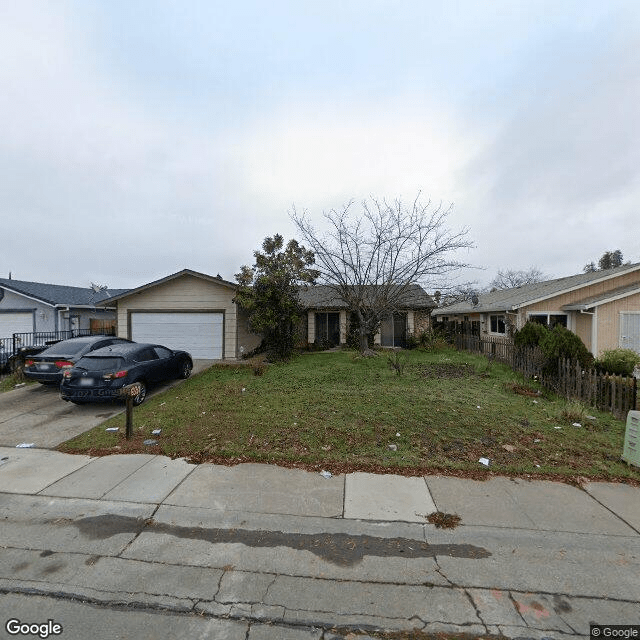
6331 Sunrise South Dr, Sacramento, CA 95824
To contact a resident: (916) 386-2716
For more information about senior living options: (866) 208-4318
Overall Review of California Adult Group Home
Pros
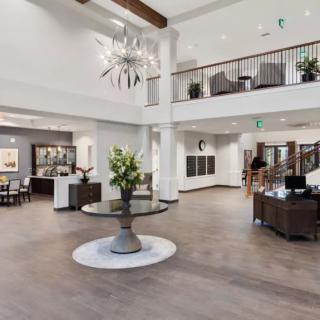
 The facility seems decent and well-kept.
- It is a very good care facility.
Review
California Adult Group Home in Sacramento is best suited for adults who need daily assistance but do not require intensive medical services, and who value a compact, home-like setting over a large, institutional campus. This community appears to appeal to residents who want straightforward care, predictable routines, and a neighborhood-feel, with upkeep and safety present in the mix. It can work well for someone who is reasonably independent but benefits from reminders, supervision, and help with medications, meals, and light daily tasks. Families should expect that the environment is smaller-scale, which can translate into more intimate interactions with staff and neighbors, but also demands clear communication to avoid gaps in coverage or service.
For families with a loved one who needs robust medical oversight, complex memory care, or 24/7 nursing on-site, alternatives should be considered. Larger assisted-living campuses or dedicated memory-care communities typically offer more comprehensive programming, stronger nursing presence, and specialized design elements for dementia care. Those requiring dense social programming or more varied amenities may also find smaller group homes limiting. If cost pressure is a factor, shop around for facilities with transparent all-inclusive pricing and a clear plan for what is included in the base rate and what incurs extra charges.
On the upside, reviewers identify the facility as a very good care facility in at least one favorable report, and at least one observer notes it appears clean, decent, and well kept. That combination matters: a well-maintained environment reduces safety risks and signals consistent management. In a small setting, caregivers often can offer more hands-on attention and quicker responses to daily needs, assuming staffing levels are stable. The home-like layout can support residents who resist institutional atmospheres, encouraging familiar routines, easier meals, and a sense of belonging. When staffing is sufficient and morale is steady, the core caregiving tasks, medication management, monitoring, and basic assistance, tend to meet expectations.
Yet the overall rating of 2.8 from four reviews, including a mix of one-, two-, three-, and five-star opinions, signals real variability. Not every resident experiences the same level of attention, and gaps in staffing or consistency can translate into lapses in care or slower responses. The smaller scale inherently limits the breadth of activities, on-site programming, and the breadth of medical supports available without stepping up to a more formal facility. Potential residents may encounter concerns around value for money, given the limited data on comprehensive services and the lack of detailed information about staff expertise, availability, and specialized care for memory or mobility challenges.
Nevertheless, the strong pros can offset some of the cons if families approach with clear expectations and verification. If an intimate setting and straightforward daily routines align with a loved one’s needs, this community can deliver peace of mind and reliable day-to-day support. Prospective residents should press for specifics: staffing ratios per shift, total hours of licensed nursing on site, the process for medication administration, meal quality, safety features, and the policy on wandering or fall prevention. Tour at different times to observe staff responsiveness, and request recent inspection or licensing records to assess compliance and improvements. Clarify what is included in the base rate and what costs may emerge for care items outside the standard plan.
In short, this Sacramento group home is worth serious consideration for families prioritizing a small, home-like environment and predictable daily care, provided the resident’s needs are moderate and do not require advanced medical supervision. For residents needing memory-care specifics, high-acuity nursing, or extensive social programming, alternatives will likely serve better and reduce frustration down the line. A disciplined visit with questions about staffing, care plans, and fees will reveal whether the fit is strong or if the search should continue elsewhere. The final call should rest on observed staff engagement, resident mood during visits, and a clear, transparent agreement that aligns with the level of care required.
 Board and Care Home
 Sacramento International (16 miles away)



 Home Health Care Aides: Understanding Their Role and Supporting Your Family
 Urinary Tract Infections in Older Adults: Comprehensive Insights on Symptoms, Treatment, and Prevention
 California's Form 602A: An In-Depth Examination of Senior Care Assessment