
3240 Kennerleigh Parkway, Roseville, CA 95747
For more information about senior living options: (866) 208-4318
Overall Review of The Club at WestPark
Pros
 The club is described as a hidden gem for retirees within a 20-mile radius.
- The event space is easy to find with ample parking, clean restrooms, a huge kitchen, and abundant natural light.
- The venue is excellent for networking, with attentive service, many tables, a full kitchen, and convenient amenities like coffee service.
- The staff are amazing and truly care about the residents, with facilities that are well kept and active events.
- Residents are described as the best, reflecting a caring and considerate community.
- There are many activities and events that foster community and connection.
- The wine tastings and art shows are enjoyable, featuring talented artists and tasty food.
- The community is friendly, supportive, and engaging, with multiple shared-interest groups.
Cons
 They found the area to be quiet—too quiet for comfort.
 - They note that neighbors report every tiny thing to the office and HOA.
- They describe some residents as very creepy.
- They observed that about 80% of services are shut due to restaffing or COVID-19, with slow reopening.
- They point out there is nothing out there, not even cell phone service.
- They say the place is cruel to live in unless the resident is 70 or older.
Review
The Club at WestPark is best suited for self-sufficient retirees who want an active, private club lifestyle in Roseville. This community functions as a social hub wrapped in a members-only vibe, with a calendar of events, classes, tastings, and gatherings that encourage real connection. It suits those who value a welcoming, know-your-neighbors culture, where staff remember residents by name and maintenance is responsive. It is not a traditional care campus, so the ideal resident enters with independence intact and looks to the social and amenity framework to enrich daily life rather than to on-site medical support. For movers who want a steady stream of engagement without the formality of a larger campus, this setting lands squarely on target.
Those who may want to consider alternatives are obvious. Anyone prioritizing ultra-low-key living with minimal social obligations should look elsewhere, as the club atmosphere thrives on participation. Families or individuals who crave a broader retail and service corridor outside a private enclave may find the surrounding options and conveniences limited. For residents anticipating a need for higher levels of care, memory support, or more structured assisted living, the club’s social model and independent posture may fall short. In short, it rewards sociability and autonomy but offers little in the way of on-site clinical services.
The upside is grounded in people and programming. Residents consistently praise the warmth of neighbors and the staff’s evident dedication to keeping the environment clean, cared for, and inviting. The programming stands out: wine tastings, art shows, clubs, and interest groups create a dense social fabric, so there is no shortage of ways to belong. The facility itself is set up to support that engagement, ample parking, accessible design, a full kitchen, and event spaces that scale from intimate gatherings to larger groups, making hosting and attending effortless. The private club structure reinforces belonging without the noise and bustle of a larger campus.
Two caveats temper the glow. A segment of feedback describes an environment that can feel quiet to the point of isolation, which may dampen spontaneity for residents who crave a constant buzz of activity. A few accounts warn of a policing-like atmosphere where some neighbors report minor issues, potentially stifling casual visits or informal conversation. There are also practical snags tied to staffing transitions that temporarily limit access to certain amenities, including pool-related activities. Add to that a perception among some reviewers that the surrounding area lacks diverse retail options and that cell service can be inconsistent, and the picture broadens to a cautious note about convenience and connectivity.
Despite these caveats, the balance heavily favors the club’s core strengths. The staff’s commitment translates into steady, attentive service and a culture of mutual respect among residents. The private-club setting fosters meaningful interactions around shared interests, while still preserving a sense of privacy and personal space. For families evaluating options, WestPark presents a genuine sense of community, a track record of well-maintained facilities, and robust social programming that makes day-to-day life feel purposeful rather than routine. The ability to host events in a dedicated space further strengthens the feeling of ownership and belonging that many seek when selecting a retirement community.
The bottom line is clear: The Club at WestPark excels for those who want an active, sociable retirement anchored in a private club environment and supported by a caring, involved staff. It offsets occasional quietness and enrollment quirks with a lively calendar, strong resident culture, and dependable upkeep. Those prioritizing on-site medical care, a less insular social climate, or proximity to a dense commercial hub should explore alternatives. A guided tour paired with conversations with current residents, along with a candid review of amenities, visitor policies, and the flexibility of programming, will illuminate fit and timing. The value proposition, connection, competence, and a respectful community, stands tall for the right buyer.
 6 resident community capacity
 Active Adult Communities (55+)
 Telephone
 Wi-Fi/high-speed internet available
 Sacramento International (13 miles away)
 Assistance with dressing
 Meal preparation and service
 Medication management
 Diabetes diet
 Special dietary restrictions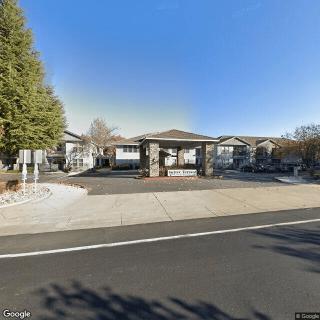

 In-Depth Look at the VA Aid and Attendance Program
 Nurturing Our Loved Ones: A Daughter's Journey in Caring for Her Mother
 Nurturing Our Elders: Linda's Journey of Supporting Her Mother