
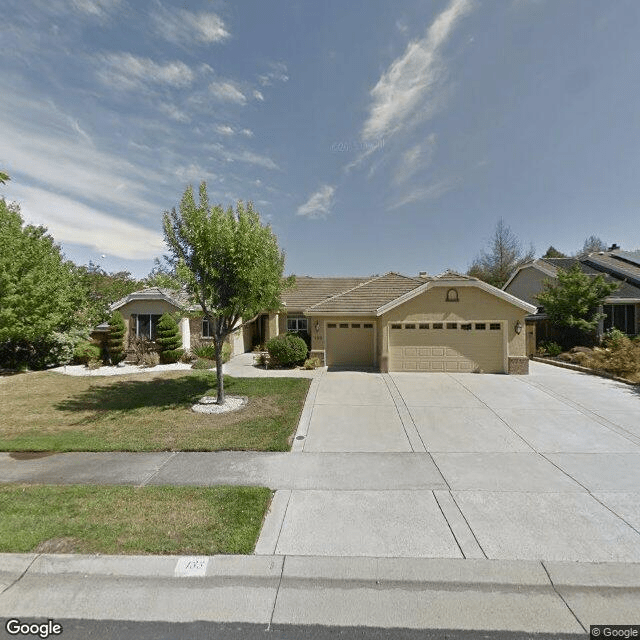
133 Valleywood Way, Roseville, CA 95678
For more information about senior living options: (866) 208-4318
Residence Healthcare-Rcfe Costs & Pricing
When comparing the costs of Residence Healthcare-RCFE to the averages for Sacramento County and California, it's evident that pricing varies significantly based on room type. For a semi-private room, Residence Healthcare charges $3,500 per month, which is notably higher than both the county's average of $3,106 and the state average of $3,333. In the case of private rooms, Residence Healthcare's rate stands at $4,500 - again exceeding local and state averages of $3,686 and $3,939 respectively. Interestingly, for a one-bedroom accommodation, the monthly fee remains at $4,500 while the county average is slightly lower at $3,758 and California's statewide figure is higher at $4,340. These figures suggest that while Residence Healthcare offers quality care in an appealing environment, potential residents should weigh these costs against available alternatives in the area to find a solution that best meets their financial needs.
| Floor plans | Residence Healthcare-Rcfe | Sacramento County | California |
|---|---|---|---|
| Semi-Private | $3,500 | $3,106 | $3,333 |
| Private | $4,500 | $3,686 | $3,939 |
| 1 Bedroom | $4,500 | $3,758 | $4,340 |
Memory care communities with a similar price nearby
-
from +$500 / mo
Sungarden Villa II
$4,000 / month5.6 miles away -
from +$650 / mo
Ferrari
$4,150 to $5,500 / month5.8 miles away -
from -$500 / mo
Love & Care for Elder
$3,000 to $4,500 / month4.8 miles away -
from +$500 / mo

Ashley Villa
$4,000 / month9.6 miles away -
from +$500 / mo
A Bright Future
$4,000 / month5.2 miles away
Overall Review of Residence Healthcare-Rcfe
Pros
 Residence Healthcare's staff are amazing and friendly.
- Carmen is a compassionate, dedicated caregiver who provides excellent care.
- Carmen is a registered nurse, which helps in addressing questions and issues.
- The homes are kept spotless, offering a nurturing and protective environment.
- Carmen provides outstanding care and goes above and beyond for her clients.
Review
Residence Healthcare-Rcfe in Roseville is best suited for families seeking a small, home-like assisted living experience led by an intensely hands-on caregiver-operator. It works especially well for seniors who thrive on consistent, intimate attention, a predictable routine, and a nurturing, protective environment rather than a high-traffic campus. The owner, Carmen, brings registered-nurse insight and a personal commitment to every resident, translating into steady medical oversight and a reassuring presence for families. This setup suits those who want long-term stability, clear communication, and the sense that a single, trusted clinician is guiding day-to-day care. For families prioritizing warmth and personal accountability over scale, this is a compelling fit.
Those considering alternatives should weigh the trade-offs of scale and program breadth. A larger community with formal memory-care wings, more structured activity calendars, and on-site therapy services may be preferable for residents with advanced dementia, frequent medical needs, or a desire for a broad social circuit. If 24/7 RN staffing and a diverse activity slate are non-negotiables, the home-style model may feel restrictive. The upside, intimacy, steadiness, and a caregiver who knows the resident’s history, can become a downside if turnover or the owner’s availability creates gaps in coverage. In short, this option excels in personal touch but may fall short for those requiring extensive, multifaceted services.
Pros are consistently highlighted in the experience. Carmen’s leadership is described as compassionate and dedicated, with outcomes families can see in real time: a father who remained clean and well-groomed, a mother who benefited from attentive, ongoing care, and reassuring answers to questions. The care team is characterized as amazing and friendly, reinforcing a safe, welcoming atmosphere. A tangible hallmark is the impeccable cleanliness of the home, a direct reflection of the owner’s insistence on high standards. The longevity of relationships, care delivered over many years, further reinforces trust and predictability for families navigating transitions.
Those strengths offset common model drawbacks by delivering peace of mind and coherent continuity of care. The small, owner-led setting translates into fewer handoffs, more consistent routines, and greater resident comfort. For many families, that is worth more than the bells-and-whistles of larger facilities. Yet exposure to service gaps remains a potential risk: if Carmen is temporarily unavailable, or if resident needs evolve beyond what a home setting can comfortably supply, families may face difficult moves or hurried planning. In such cases, the decision hinges on whether the benefit of a highly personalized, nurse-backed environment outweighs the desire for broader medical services and community scale.
For families evaluating this option, practical checks matter just as much as sentiment. Confirm licensing and any specialty care capabilities, ask about on-site nursing hours, and probe how care plans are developed and updated. What happens on weekends or after hours when medical questions arise? How are meals, activities, and visiting routines structured, and how are residents’ preferences honored? Inquire about contingency plans for caregiver absences and how transitions to higher-acuity settings would be handled. Also solicit candid references from other families to gauge consistency of care over time and whether the nurturing promise translates into day-to-day reality.
Bottom line: Residence Healthcare-Rcfe offers a compelling choice for families who prize personal attention, a nurse-led approach, and a spotless, homelike environment. It is a strong fit for residents who value continuity, direct access to a compassionate owner-operator, and a protective atmosphere. Those seeking a larger campus, intensive therapy options, or specialized memory-care programs may want to consider alternatives with broader service lines. For the right resident, the combination of trust, low-key structure, and genuine warmth makes this option hard to beat.
 6 resident community capacity
 Assisted Living
 Board and Care Home
 Memory Care
 Activities on-site
 Cable or satellite TV
 Devotional services on-site
 Dining room
 Fully furnished
 Garden
 Housekeeping services
 Indoor common areas
 Move-in coordination
 Outdoor common areas
 Private
 Telephone
 Wheelchair accessible showers
 Wi-Fi/high-speed internet available
 Sacramento International (17 miles away)
 24-hour supervision
 Assistance with bathing
 Assistance with dressing
 Assistance with transfers
 Diabetes diet
 Meal preparation and service
 Medication management
 Special dietary restrictions
 Transportation arrangement (medical)
 Transportation to doctors appointments
 BBQs or picnics
 Forever fit
 Holiday parties
 Karaoke
 Live dance or theater performances
 Live musical performances
 Tai Chi
 Trivia games
 Wii bowling
 Understanding Dementia Behaviors: Practical Insights and Strategies for Caregivers
 When Dementia Sparks Anger and Aggression: Understanding the Connection and Ways to Cope
 Dementia Behaviors: In-Depth Understanding and Effective Coping Strategies