

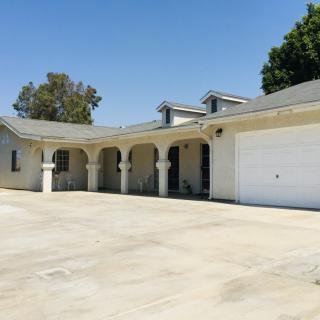
10225 Bonita Avenue, Riverside, CA 92503
For more information about senior living options: (866) 208-4318
True Family Care Costs & Pricing
True Family Care offers competitive pricing for its services, particularly when compared to both Riverside County and the broader California market. For a semi-private room, True Family Care's rate of $2,600 is notably lower than the county average of $2,844 and significantly more affordable than the statewide average of $3,333. Similarly, in the case of private rooms, True Family Care's charge of $3,500 remains highly attractive when juxtaposed with Riverside County's rate of $3,474 and California's average price of $3,939. This pricing structure not only reflects a commitment to providing quality care but also emphasizes affordability within the community context.
| Floor plans | True Family Care | Riverside County | California |
|---|---|---|---|
| Semi-Private | $2,600 | $2,844 | $3,333 |
| Private | $3,500 | $3,474 | $3,939 |
Assisted Living communities with a similar price nearby
-
from -$100 / mo
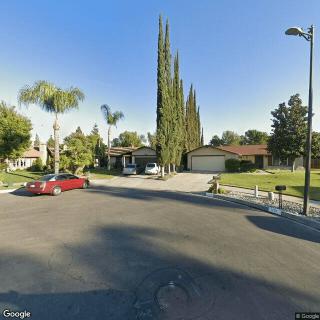
Valley Spring Elderly Care
$2,500 to $3,000 / month13.3 miles away -
from +$400 / mo
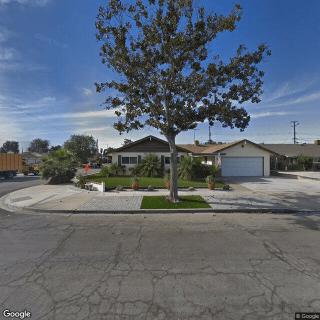
Kozy Quarters 4 Seniors
$3,000 to $3,500 / month23.9 miles away -
from +$400 / mo
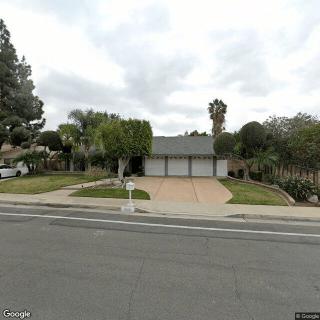
Best Elderly Care I
$3,000 to $3,500 / month21.8 miles away -
from +$200 / mo

Bianca's Home Care
$2,800 to $3,400 / month4.1 miles away -
from +$100 / mo

The Golden Years Guest Home
$2,700 to $3,500 / month23.2 miles away
Overall Review of True Family Care
Pros
 They love the place and are happy with it for their loved one.
- They appreciate that the small community offers more one-on-one care.
Cons
 The food could be better.
- More options would be good for vegetarians.
- They don’t seem to offer much for activities.
- The loved ones probably won’t participate anyways.
Review
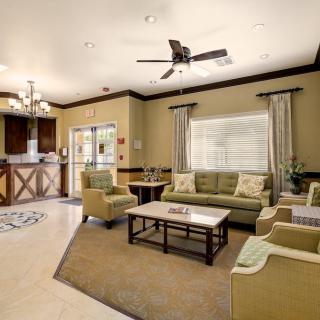
This community is best suited for seniors who thrive in a compact, intimate setting where staff know residents by name and can deliver highly individualized attention. In Riverside, CA, True Family Care functions as a small, family-style option that prioritizes one-on-one care and a calm, predictable environment. It is ideal for families who value safety, personalized monitoring, and consistent staff-resident relationships over a bustling calendar of activities or a wide-ranging menu. The experience is best pitched to residents who prefer a quieter daily rhythm and appreciate care that feels deeply personal rather than institutional.
The most compelling strength here is the small-community dynamic that translates into frequent, direct interactions with caregivers. Reviewers highlight a sense of genuine attentiveness; the facility’s size enables staff to form meaningful connections, recognize preferences, and respond promptly to daily needs. That intimate touch translates into a comfort level that can reduce confusion, anxiety, and the sense of “being a number.” For families who worry about turnover or care continuity, this level of familiarity matters, often delivering steadier routines and a more reassuring cadence of support.
However, the upside comes with clear trade-offs. Food and meal planning emerge as the primary area for improvement. One reviewer specifically notes that the menu could better accommodate vegetarians, signaling a gap in dietary variety that matters for many seniors. Another recurring theme is a relatively lean slate of activities; the sense is that while there may be offerings, they are not extensive, and participation may be limited by resident interest. In practical terms, the lack of robust dining and program options could dampen the overall quality of life for residents who rely on mealtime variety and structured social engagement as key anchors of daily life.
Yet the core pros can substantially offset these drawbacks for the right resident. The same small-scale, high-attention model that supports close caregiver-resident relationships also makes it easier to adapt meals to dietary needs within the limits of the kitchen’s scope and resources. If a resident thrives when care plans are highly personalized and day-to-day decisions are guided by familiar staff, the strengths here can deliver a sense of home and security that outweighs a more generic activity calendar. In other words, the genuine, individualized care can be the decisive factor for families prioritizing safety, predictability, and personalized attention over breadth of amenities.
Families should consider alternatives if certain expectations are non-negotiable. For residents who rely on a rich and varied social schedule, or who demand diverse, vegetarian-forward dining with frequent new options, a larger community with a more expansive activity department and a broader menu might be a better match. Similarly, if a resident expresses strong enthusiasm for frequent outings, group classes, or highly structured programs, the more intimate setting could feel limiting. In such cases, exploring other Riverside options with robust programming and deeper kitchen flexibility would be prudent.
In sum, True Family Care presents a compelling choice for those valuing intimate, attentive care in a small, home-like environment. It excels where personal connection and consistency matter most, making it a strong fit for seniors who prefer a quiet, secure setting and for families who can maximize the strengths of individualized attention. For anyone whose priorities include a vibrant activity calendar or diverse vegetarian dining options, it is essential to contrast this option with alternatives that emphasize programming breadth and menu variety. A direct visit, with targeted questions about meal flexibility and activity planning, will illuminate whether this community can meet the specific demands of the loved one.
 6 resident community capacity
 Assisted Living
 Board and Care Home
 Cable or satellite TV
 Dining room
 Fully furnished
 Garden
 Housekeeping services
 Move-in coordination
 Outdoor space
 Private
 Telephone
 Wi-Fi/high-speed internet available
 Ontario International (12 miles away)
 24-hour supervision
 Activities of daily living assistance
 Assistance with bathing
 Assistance with dressing
 Assistance with transfers
 Diabetes diet
 Incontinence care
 Meal preparation and service
 Medication management
 Special dietary restrictions
 Transportation arrangement (medical)
 Transportation to doctors appointments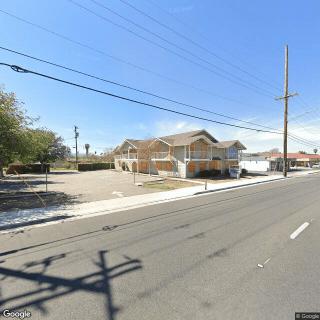

 Comprehensive Insights into Activities of Daily Living (ADLs) and Their Assessment
 Medicare Coverage for Assisted Living: An In-Depth Exploration
 Your Comprehensive Guide to Luxury Assisted Living: Elevated Facilities, Amenities, and Costs