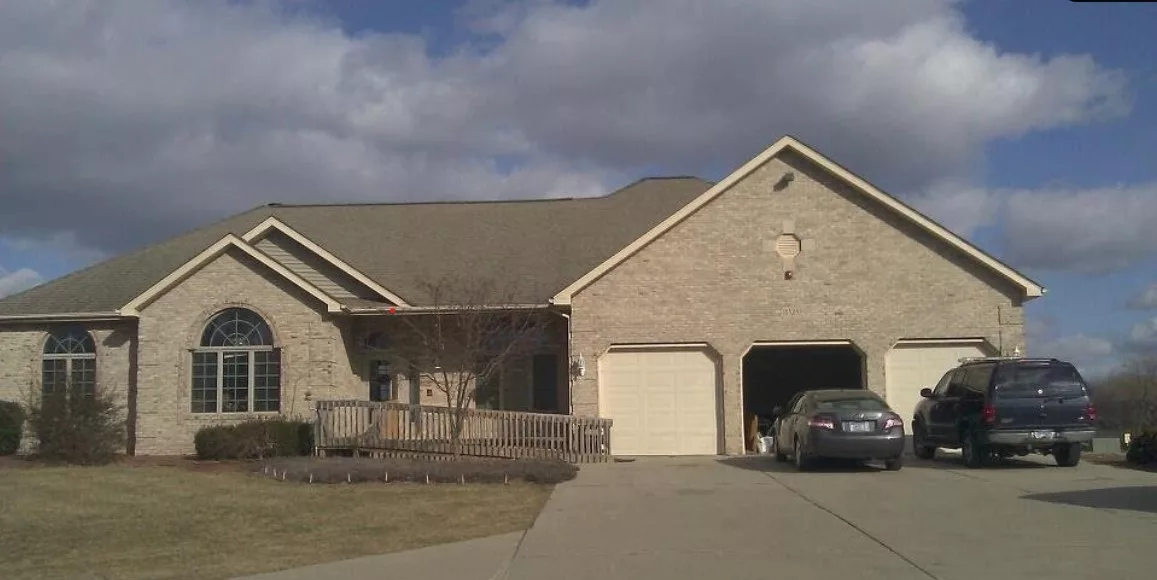
3879 Lafayette Street, Riverside, CA 92503
For more information about senior living options: (866) 208-4318
Overall Review of Serenity Assisted Living
Pros
 Serenity is family-owned and operated, and warmth is felt the moment one enters.
- The staff are warm, attentive, and genuinely kind; they build relationships, not just provide care.
- Residents are treated with dignity and respect every day.
- Meals are homemade, thoughtful, and tailored to medical needs and personal preferences.
- The staff cares about residents' preferences, not just their requirements.
- The team sees residents as individuals, not just residents.
- The family is grateful that their loved one could spend years in a place where dignity is protected and needs are fully met.
- Serenity is highly recommended for a loving, respectful environment with excellent care and very caring staff.
Cons
 The larger facility didn’t offer the same level of compassion.
Review
Serenity Assisted Living in Riverside, CA is best suited for families seeking a warm, home-like environment where a small, family-owned operation translates into steady, personal attention, dignity, and daily kindness. The community thrives on relationships rather than rigidity, making it a natural fit for seniors who prize being treated as individuals with unique histories and preferences. It works particularly well for relatives who want hands-on, compassionate care delivered by people who feel like an extensions of the family, not distant employees. In short, Serenity is ideal for a resident who values intimacy, steady routines anchored in respect, and honest, everyday warmth over a larger, more impersonal campus experience.
That said, several realistic alternatives deserve consideration depending on the loved one’s needs. If a family member requires robust clinical oversight, complex medical monitoring, or access to a wide array of specialized services, such as intensive memory care or rehabilitation programs, larger facilities with more extensive staff and formalized medical partnerships may be preferable. For those prioritizing scalability, a broad activity calendar, or a high-volume environment that can accommodate sudden changes in care level, exploring bigger communities could yield better alignment. Cost considerations also matter; smaller, family-run homes sometimes operate with different pricing structures that may or may not fit a family’s budget, so comparison shopping remains essential.
The strongest selling points of Serenity lie in the human-centric strengths that can redefine what “care” feels like for a loved one. The staff’s warmth, attentiveness, and genuine kindness are not superficial; they translate into consistent dignity and respect in daily interactions. The care model emphasizes seeing the person first, not merely the resident file, and that mindset shows up in the way staff communicate, engage, and remember what matters to each resident. Families repeatedly note that care isn’t a checklist but a relationship, one that yields a steadier mood, more meaningful connections, and a sense of belonging that can be hard to find in larger settings. When the care team truly treats a resident as a person worthy of attention, the emotional and psychological benefits can outweigh the absence of high-tech medical amenities for many seniors.
A vivid contributor to these outcomes is the residential atmosphere itself: a family-owned ethos that permeates every shift, every meal, and every conversation. Meals are described as homemade, thoughtful, and tailored not only to medical needs but to personal preferences, an ongoing signal that listening to residents is a daily practice, not a quarterly survey. This preference-driven cuisine, combined with staff who invest in getting to know residents’ stories, reinforces dignity and respect as tangible experiences rather than abstract commitments. The practical upshot is that residents feel valued, more connected to caregivers, and more willing to engage in daily routines, which supports overall well-being and reduces the psychic burden on anxious or lonely seniors.
Mental and emotional health receive particular attention here, and the improvements cited by families are meaningful. The testimonials recount noticeable increases in happiness, engagement, and social connection after the move, with residents smiling more and forming bonds with the caregivers who remember their interests and histories. In environments where residents can’t always control the pace or content of their day, Serenity’s relational approach offers a potent alternative: consistent, person-centered care that aligns daily living with a resident’s sense of identity. The downside, if any, appears to be tied to scale rather than spirit, smaller operations can have fewer specialized resources or flexibility when medical needs shift dramatically, which means some families should be prepared to consider additional supports if medical complexity intensifies.
For families navigating a decision, Serenity presents a compelling case as a practical, emotionally intelligent choice when the priority is a loving, respectful home atmosphere with authentic caregiver-resident bonds. The key question becomes whether the loved one’s needs can be met within a smaller, relationship-driven model or whether a more segmented, resource-intensive environment is required. If the answer leans toward the former, Serenity’s strengths can offset potential gaps in clinical breadth with an unmatched level of personal attention, consistent routines, and the comfort of a close-knit community. If the latter describes the situation, additional options that emphasize medical acuity, specialized memory care, or broader rehabilitative services should be pursued.
Ultimately, Serenity Assisted Living suits families who want a dignified, person-first living arrangement where caregivers become trusted companions in daily life. It is especially powerful for seniors who value emotional safety, personalized meals, and the feeling of being known, not just cared for, by the people charged with their daily welfare. Prospective purchasers should visit with eyes open: observe how staff interact, confirm that the resident’s specific needs can be met within the home’s scale, and ask about pathways for escalating care if medical requirements evolve. For those who can align with a smaller, intimate community, Serenity offers a hospitable alternative that delivers meaningful, enduring belonging.
 6 resident community capacity
 Assisted Living
 Board and Care Home
 Cable or satellite TV
 Dining room
 Fully furnished
 Garden
 Housekeeping services
 Move-in coordination
 Outdoor space
 Telephone
 Wi-Fi/high-speed internet available
 Ontario International (13 miles away)
 24-hour supervision
 Activities of daily living assistance
 Assistance with bathing
 Assistance with dressing
 Assistance with transfers
 Diabetes diet
 Meal preparation and service
 Medication management
 Special dietary restrictions
 Transportation arrangement (medical)
 Transportation to doctors appointments




 Vibrant Senior Living: A Comprehensive Guide for Active Older Adults
 When to Transition from Assisted Living to Memory Care: Key Indicators, Steps, and Finding the Right Community
 Assisted Living and Memory Care: Understanding Their Core Differences