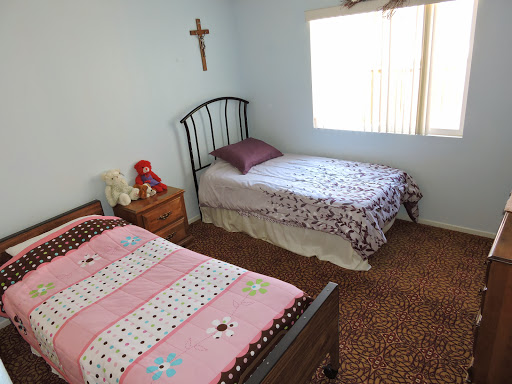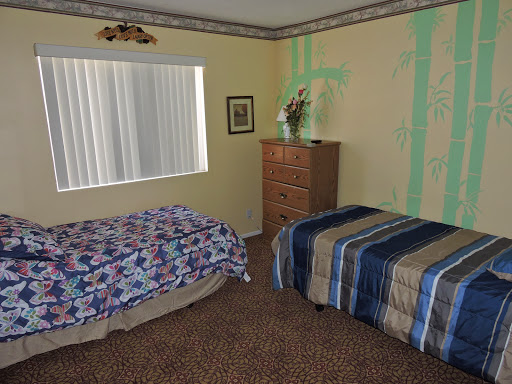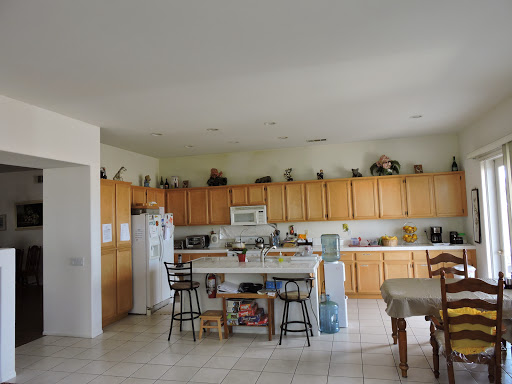

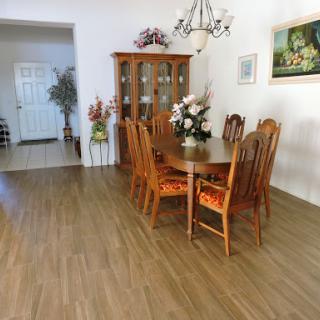

17764 Robusta Drive, Riverside, CA 92503
For more information about senior living options: (866) 208-4318
A And S Senior Quality Care Costs & Pricing
A And S Senior Quality Care offers competitive pricing for its services, particularly when compared to the broader market in Riverside County and across California. For a semi-private room, A And S charges $2,700 per month, which is notably below the average cost of $2,844 in Riverside County and significantly lower than the state average of $3,333. Similarly, their private room rate of $3,500 is also more affordable than both the county average of $3,474 and the statewide average of $3,939. This makes A And S Senior Quality Care an attractive option for families seeking quality senior care without straining their budgets.
| Floor plans | A And S Senior Quality Care | Riverside County | California |
|---|---|---|---|
| Semi-Private | $2,700 | $2,844 | $3,333 |
| Private | $3,500 | $3,474 | $3,939 |
Assisted Living communities with a similar price nearby
-
from -$200 / mo
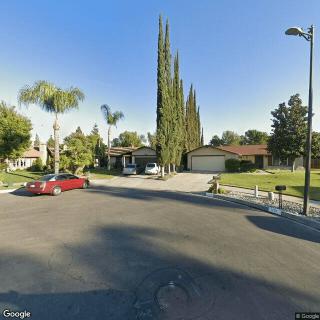
Valley Spring Elderly Care
$2,500 to $3,000 / month15.4 miles away -
from +$300 / mo
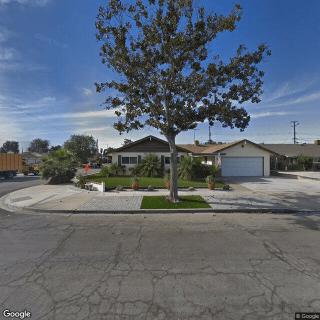
Kozy Quarters 4 Seniors
$3,000 to $3,500 / month24.9 miles away -
from +$200 / mo
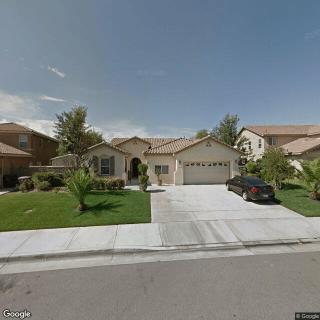
Agate Manor
$2,900 to $3,800 / month22.9 miles away -
from +$300 / mo
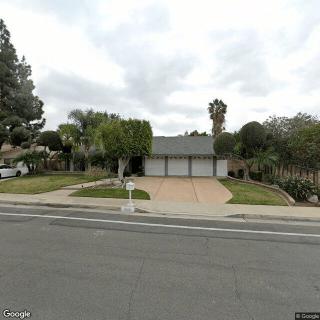
Best Elderly Care I
$3,000 to $3,500 / month22.2 miles away -
from +$100 / mo

Bianca's Home Care
$2,800 to $3,400 / month0.3 miles away
Overall Review of A And S Senior Quality Care
Pros
 The community is excellent and the staff are great.
- They provide great patient care.
- They give quality care to their residents.
- It is described as the most luxurious retirement home for the elderly.
- Spending time with the senior will surely make them happy.
- The staff are amazing and very nice, and they make residents feel comfortable.
Cons
 Not a good fit; Dad gets up in the middle of the night.
- The community is not secure enough for residents who wander, forcing a move after only a few weeks.
- During the transfer, the family received improper information, and the community was not set up to handle a wanderer.
Review
A And S Senior Quality Care in Riverside is best suited for families seeking a high-caliber, person-centered environment where seniors receive attentive, compassionate care in a luxurious setting. The community shines for residents who are generally stable, do not require intensive secured memory care, and benefit from staff who build real relationships and treat residents like family. For those whose loved ones have wandering behavior, frequent nocturnal agitation, or require a memory-care design with strict safety controls, alternatives with dedicated secured units are worth considering.
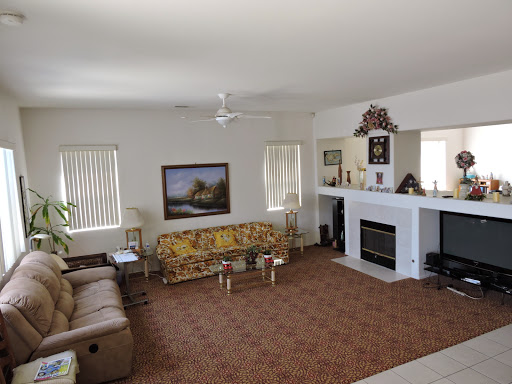
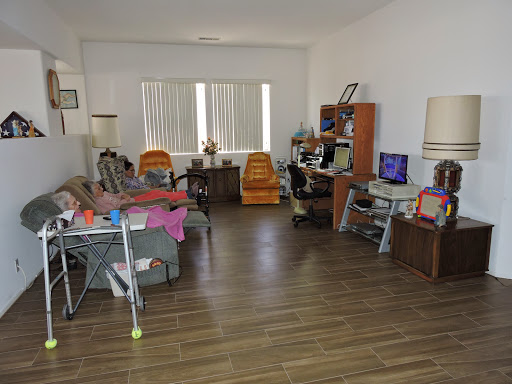
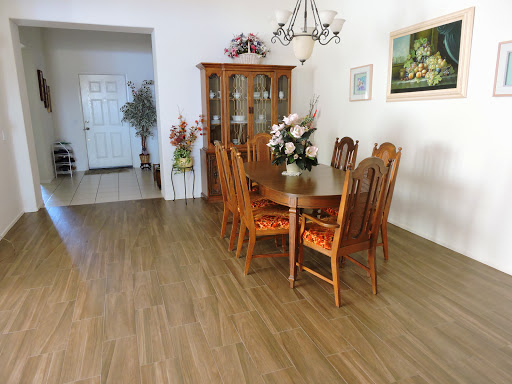
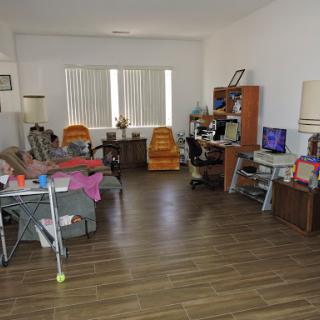
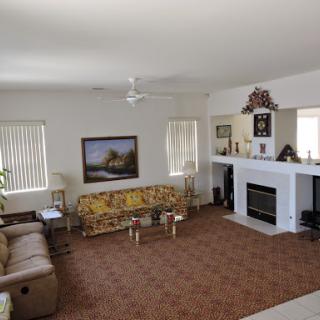
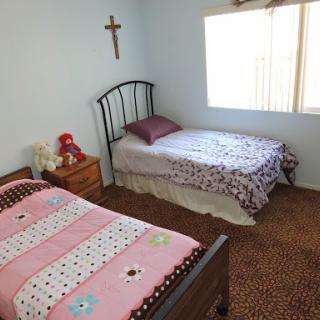
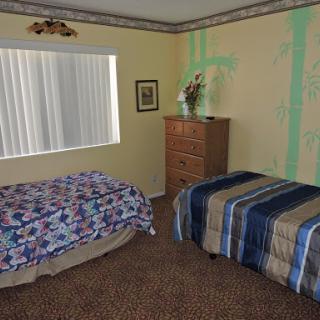
The strongest assets are the people. Caregivers are described as kind, personable, and genuinely focused on making residents feel at home. Families report that staff members know the residents well and that care feels individualized rather than transactional. The atmosphere itself reinforces this. The property carries a sense of luxury that translates into dignified living: well-appointed spaces, a calm environment, and a climate that supports comfort and pride in daily life. When care needs are modest and the resident responds well to personal attention, these advantages become meaningful differentiators.
Yet the most consequential limitation centers on safety for wander-prone residents. A notable report describes a situation where a loved one, identified as a wanderer, could not be accommodated safely, ultimately necessitating relocation. That experience underscores a critical misalignment: the community, as described, is not equipped for residents who roam or require high-security strategies to prevent exits. A separate account echoes this concern, noting that nighttime wandering was a problem for another family member. In practical terms, this means the facility’s current configuration and protocols may fall short for memory-care needs or behavioral risks that involve safe containment.
When balanced against the positives, the cons are manageable only for a subset of residents. For families seeking warmth, continuity of caregiving, and a refined living environment, the staff’s dedication can offset some risk if the resident is unlikely to wander and family oversight remains strong. However, for anyone whose loved one has dementia with wander behaviors, or for households prioritizing an inherently secure, memory-care-focused layout, the potential downsides quickly tilt the decision toward alternatives. The key question becomes: is the resident’s safety profile compatible with a non-secure assisted-living setting that nonetheless promises excellent daily care and a high-end ambience?
Practical due diligence is essential before committing. Families should verify whether the specific unit within A&S offers any secured areas or memory-care-adjacent features, and question how staff respond to nighttime restlessness or wandering attempts. Inquire about staff-to-resident ratios during night shifts, alarm systems, secure entry/exit policies, and whether there is a memory-care program on site or a sister property with a secure unit. Observing a tour during a quiet period and speaking with multiple caregivers can reveal whether the level of attentiveness is consistent across shifts. Cost expectations should be clarified alongside service inclusions, since luxury settings often come with premium pricing that must align with anticipated care needs.
Bottom-line guidance: this community is a strong fit for families prioritizing compassionate, relationship-driven care in an upscale setting for seniors who are largely independent or minimally assisted. When safety and secure, memory-care-specific design are non-negotiable due to wandering risk or advanced cognitive impairment, solid alternatives with secured environments will likely serve better. A&S Senior Quality Care offers impressive care quality and a warm, luxurious living experience, but its suitability hinges on the resident’s safety profile and memory-care requirements. Families should use a candid risk-check, focus on wandering history, security features, and the availability of secure memory-care options, before deciding.
 6 resident community capacity
 Assisted Living
 Board and Care Home
 Activities off-site
 Bath tubs
 Cable or satellite TV
 Devotional services on-site
 Dining room
 Fully furnished
 Garden
 Housekeeping services
 Indoor common areas
 Move-in coordination
 Outdoor common areas
 Private
 Respite or short term stays offered
 Telephone
 Wi-Fi/high-speed internet available
 Ontario International (16 miles away)
 24-hour supervision
 Ambulatory care
 Assistance with bathing
 Assistance with dressing
 Assistance with transfers
 Diabetes diet
 Diabetic care
 High acuity care
 Incontinence care
 Meal preparation and service
 Medication management
 Special dietary restrictions
 Transportation arrangement (medical)
 Transportation to doctors appointments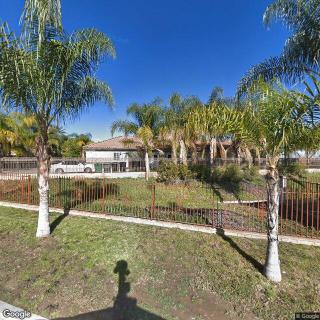

 Exploring the Contrasts Between Assisted Living and Skilled Nursing
 8 Key Indicators That Suggest It May Be Time to Transition from Assisted Living to Skilled Nursing Care
 Vibrant Senior Living: A Comprehensive Guide for Active Older Adults