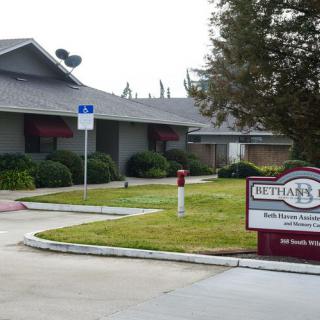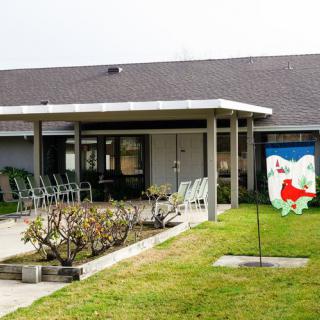
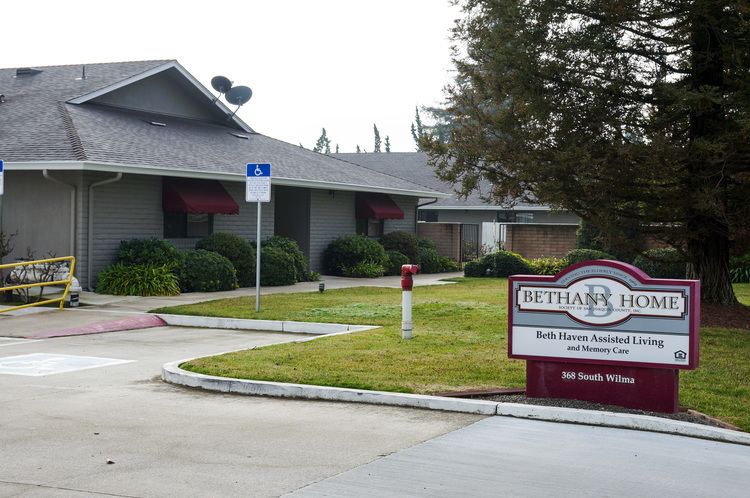
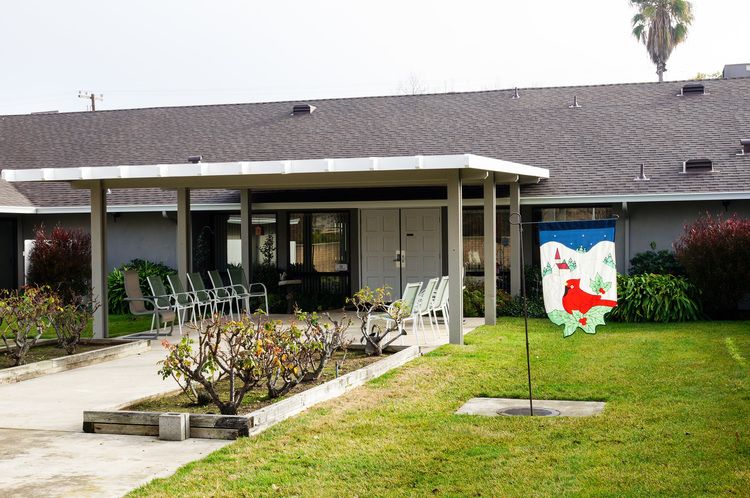
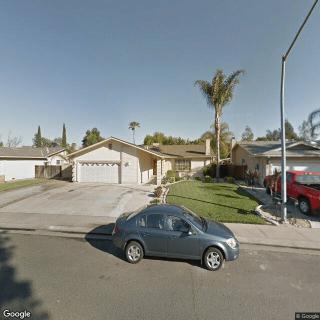
368 South Wilma Avenue, Ripon, CA 95366
For more information about senior living options: (866) 208-4318
Overall Review of Beth Haven
Pros
 The staff here are really caring people.
- They love their residents as their own family.
- The staff is very friendly and helpful.
- The community has large rooms and is clean.
- The staff is nice.
- The community has a homey feeling to it.
Cons
 There are no locks on the doors and employees walk in without knocking, compromising residents’ privacy.
- There is no privacy there, with a resident’s clothes missing from her closet (at least 15 items reported).
- An employee walked into a room unannounced and admitted to being nosey.
- The staff shouldn’t have the freedom to enter rooms when the resident isn’t there.
- The resident went from receiving free meds through insurance to paying $70–$100 a month at the facility’s pharmacy.
- Rent is raised every year.
- There is no front desk person on weekends, leaving residents without help; on one weekend, the front desk did not answer when the resident had chest pains, requiring a 911 call.
- The facility appears understaffed, with only one housekeeper and one caregiver for all the units.
Review
Beth Haven in Ripon is best suited for seniors who prize a warm, home-like atmosphere, with generous, comfortable rooms and a staff that genuinely treats residents like family. The community leans toward assisted living and emphasizes personal warmth, accessibility, and everyday familiarity over clinical rigor. It tends to attract families seeking a smaller, more intimate environment where the resident can linger in a comfortable, homelike setting. Prospective residents who value a personal touch and a sense of belonging may overlook rough edges, but the arrangement works best when independence is realistic and privacy concerns can be managed with active family oversight.
Those who may want to consider alternatives are clear: privacy and security cannot feel optional. If door privacy, controlled access, and reliable weekend staffing are priorities, Beth Haven may fall short. The absence of a lock policy on doors, and situations where staff enter rooms without knocking, raise legitimate safety questions for families anxious about fully private living spaces. Add in the patchy weekend front-desk coverage and limited on-site staffing, and the risk profile shifts upward for anyone who relies on consistent, immediate assistance. In short, residents with higher needs for privacy, protection, or rapid response should look elsewhere.
On the upside, the community’s strongest assets lie in its visible warmth and the scale of the living spaces. Large, clean rooms contribute to a sense of comfort and ease, while a homey vibe and friendly, caring staff help residents feel seen and valued. The staff’s genuine care and the way the community seems to fit some residents’ personalities can offset some of the rigidity found in more clinical settings. For families who seek emotional reassurance that a caregiver will treat mom or dad as a person rather than a chart, Beth Haven delivers. The trade-off is the acceptance that these emotional gains may come with practical compromises in privacy and security.
The most troubling drawbacks are concrete and recurring. Missing clothes and items point to a real privacy and accountability concern, one that erodes trust in the daily rhythm of care. The lack of door locks and the notion that staff can enter rooms without prior notice may feel invasive, especially for residents who value stable, predictable boundaries. Financially, the shift from in-network meds to a community- or self-managed pharmacy can add a noticeable monthly burden, estimated at $70 to $100. Rent itself is described as rising annually, compounding the total cost of living there. Weekend staffing gaps and a lean on-site team amplify concerns about safety and responsiveness when emergencies arise.
Dietary experience and day-to-day practicality also color the decision. Food is described as average with limited variety, which matters for residents with specific preferences or higher dietary expectations. While a comfortable, homey setting can compensate for some lack of variety, meals matter greatly to daily life and overall satisfaction. The combination of modest dining options with the other operational drawbacks suggests that Beth Haven serves well for comfort, companionship, and gentle daily routines, but may disappoint those who expect more culinary variety or tighter operational control.
For families weighing next steps, the recommendation is concrete: visit with purpose, at different times, and probe for policies that address the identified weaknesses. Ask to see a formal privacy policy, request a live demonstration of room entry procedures, and verify who is available on weekends for urgent needs. Inquire about a clear plan for medication delivery and management, and demand transparency about any ongoing safety measures or upgrades to doors and access controls. Compare Beth Haven to other local options that emphasize stronger security, more robust 24/7 presence, and flexible meal plans. When privacy, safety, and financial predictability are non-negotiables, Beth Haven’s merits can no longer outweigh its drawbacks.
 59 resident community capacity
 Assisted Living
 Independent Living
 Memory Care
 Respite Care
 Activities on-site
 Air-conditioning
 Beauty salon
 Cable or satellite TV
 Computer center
 Devotional services off-site
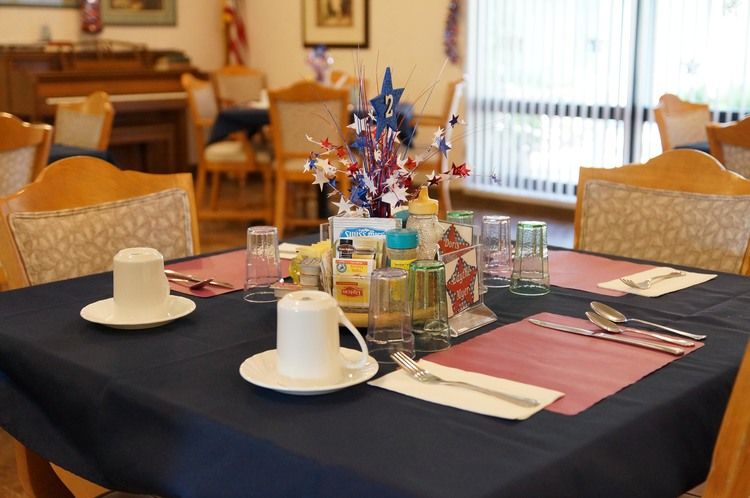
 Dining room
 Fitness room
 Fully furnished
 Gaming room
 Garden
 Housekeeping services
 Indoor common areas
 Kitchenette
 Move-in coordination
 Outdoor space
 Private bathrooms
 Restaurant-style dining
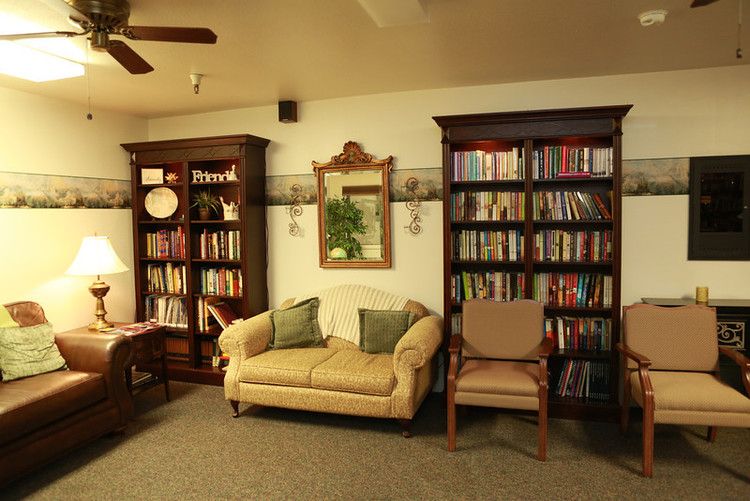
 Small library
 Telephone
 Wellness center
 Wi-Fi/high-speed internet available
 Modesto City-County-Harry Sham (12 miles away)
 Community operated transportation
 12-16 hour nursing
 24-hour call system
 Ambulatory care
 Assistance with bathing
 Assistance with dressing
 Assistance with transfers
 Diabetes diet
 Diabetic care
 Medication management
 Mental wellness program
 Special dietary restrictions
 Concierge services
 Planned day trips



 How to Communicate with a Loved One Living with Dementia: 10 Supportive Strategies
 Comprehensive Guide to VA Nursing Homes: A Crucial Long-Term Care Resource for Veterans
 Estimating the Expenses of At-Home Dementia Care: A Detailed Exploration