
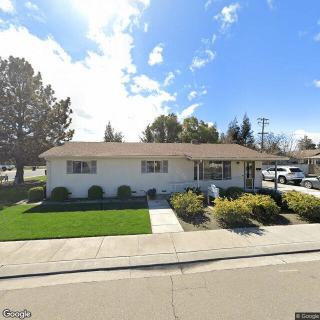
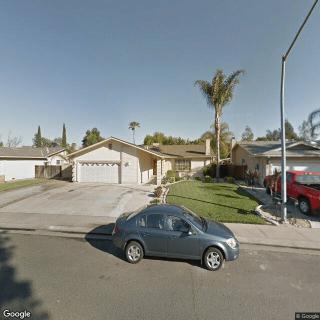
274 East Wind Drive, Ripon, CA 95366
For more information about senior living options: (866) 208-4318
Overall Review of Happy Family Care Home
Pros
 The staff here are really caring people who treat residents like family.
- The aunt lived there for three years; she was frail but made friends and was cared for till the end.
- The team is wonderful and loves joining for meals.
- The community changes people's opinions on senior living; a must-tour.
- The staff are very friendly and helpful.
Cons
 There are no locks on the doors, and employees walk in without knocking.
- There is no privacy at the facility.
- Clothes have gone missing from the resident's closet, with 15 items counted.
- A week later another item went missing, and nothing was done about it.
- An employee entered a room unannounced, admitting to being nosey.
- The staff should not have the freedom to enter rooms when residents aren't present.
- The mom had to switch from free meds through insurance to using the facility's pharmacy, costing $70 to $100 a month.
- Rent is raised every year.
- There is no front desk on weekends, and calls to the front desk go unanswered.
- Only one housekeeper and one caregiver serve all units.
Review
Happy Family Care Home in Ripon is best suited for families seeking a warm, homey atmosphere where staff treat residents like extended family and daily social engagement is a core feature. The reviews repeatedly cite friendly, caring caregivers and residents who form bonds over meals. It’s a setting that rewards ongoing, personal attention and a strong sense of belonging, with a town-familiar feel that can help a frail relative stay connected. The upside for the right resident is clear: staff remember names, meals are shared with familiarity, and the community feels far less clinical than larger facilities. Yet this is not a setting built on high-security protocols or formal, tightly controlled routines. Privacy and safety tradeoffs matter here and should be weighed against need for structure.
Who may want to consider alternatives is explicit. Families prioritizing strict privacy and gatekeeping should look elsewhere. The absence of a weekend front desk and limited on-site coverage raise legitimate concerns for urgent needs. Reports of rooms without locks and staff entering unannounced are red flags for those who require reliable privacy and controlled access. Cost dynamics also merit caution: moving from meds covered by insurance to pharmacy-billed options, plus annual rent increases, can undermine budgeting. If consistent, transparent pricing, strong incident response, and robust safeguarding of personal belongings are non-negotiable, this community may not meet those criteria.
On the flip side, the strongest positives are tangible. Staff who genuinely care, residents treated like family, and a social framework that keeps people connected repeatedly emerge in feedback. Caregivers are described as emotionally invested, often joining meals and supporting families through tough times. Long-tenured teams and observable warmth toward residents generate a sense of security for relatives who want to feel their loved one is known and valued. For someone who thrives in a smaller, intimate setting and prioritizes daily warmth and companionship, these human-centered strengths can offset several other shortcomings, particularly if a trusted family member remains engaged to supervise visits and monitor privacy.
Yet the cons are not trivial. The lack of door locks and open room access erode the privacy promise and create real risk of belongings going missing, as one family member experienced firsthand. Weekend front-desk absence compounds safety concerns during medical emergencies, illustrated by a situation where help could not be reached promptly and 911 was required. Staffing appears lean: only one housekeeper and one caregiver for all units, a setup that strains operations when needs rise. Financial pressures compound risk: medication costs shift and annual rent hikes add unpredictability to the monthly burden. Together, these factors make privacy, security, and budget reliability meaningful deal-breakers for many families.
Practically, families should deploy a disciplined on-site checklist before committing. Ask whether resident rooms are lockable, who can access them, and what privacy safeguards exist. Seek clear policies on room checks, medication management, and how missing items are handled. Demand a detailed staffing plan: caregiver-to-resident ratios per shift, weekend coverage, and the after-hours call process. Request a transparent, itemized price sheet that separates base rent, care services, medication handling, and any ancillary fees. Tour with current residents to observe daily rhythms, and insist on written service plans and incident-reporting procedures so expectations become measurable targets rather than vague assurances.
Bottom line: Happy Family Care Home can be a lifeline for families seeking a genuine, neighborly enclave where staff form close, lasting bonds with residents. The warmth and social fabric are compelling for those who value companionship and a home-like cadence. However, privacy concerns, limited security, and a shifting cost structure demand caution. If privacy, predictable pricing, and reliable 24/7 access to help are non-negotiable, this community should be weighed against alternatives that offer tighter controls and clearer risk management. A thorough tour, direct answers to the policy questions raised, and a careful pricing comparison will reveal whether this is the right fit or if another option better aligns with the family’s priorities.
 6 resident community capacity
 Assisted Living
 Board and Care Home
 Respite Care
 Cable or satellite TV
 Dining room
 Fully furnished
 Garden
 Housekeeping services
 Move-in coordination
 Outdoor space
 Telephone
 Wi-Fi/high-speed internet available
 Modesto City-County-Harry Sham (13 miles away)
 24-hour supervision
 Activities of daily living assistance
 Assistance with bathing
 Assistance with dressing
 Assistance with transfers
 Diabetes diet
 Meal preparation and service
 Medication management
 Special dietary restrictions
 Transportation arrangement (medical)
 Transportation to doctors appointments

 Vibrant Senior Living: A Comprehensive Guide for Active Older Adults
 When to Transition from Assisted Living to Memory Care: Key Indicators, Steps, and Finding the Right Community
 Assisted Living and Memory Care: Understanding Their Core Differences